

Montana spring fly fishing offers anglers a unique opportunity to experience the state’s diverse waterways as they awaken from winter’s grasp. Early insect hatches bring trout to the surface, making several rivers particularly enticing. While iconic fisheries like the Madison and Yellowstone draw attention, lesser-known streams and eastern locales also provide exceptional early-season fly fishing.
For many, access to great fishing is more than just a pastime—it’s a key part of living in Montana. As we help buyers and landowners find their place in this landscape, we see firsthand how important fishing access—whether public or private—is to those who call this state home. That’s why we’ve put together this guide: to highlight some of the best early-season fly fishing opportunities across Montana and share the incredible waters that make this such a world-class fishing destination.
As Montana’s rivers come alive with spring hatches, both famous and off-the-beaten-path fisheries offer fly anglers an unforgettable experience. Be sure to check out Montana Fish, Wildlife & Parks regulations before choosing a destination: https://fwp.mt.gov/fish
Prime Montana Spring Fly Fishing Destinations
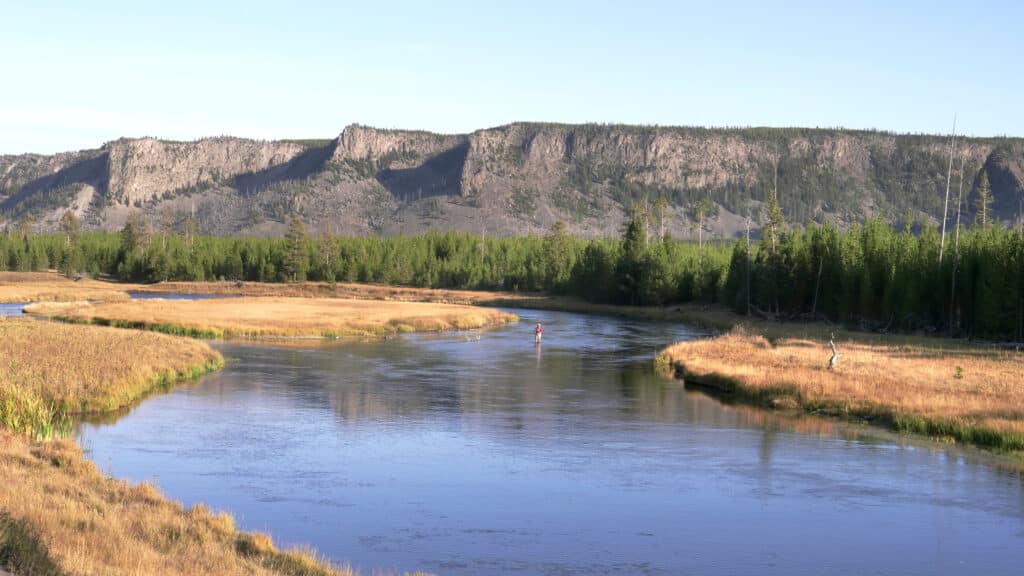
Madison River
The Madison River is one of the best destinations for Montana spring fly fishing. Originating in Yellowstone National Park, the Madison River flows northwestward for approximately 183 miles before joining the Missouri River. Renowned as a blue-ribbon trout stream, it offers anglers ample opportunities to target brown and rainbow trout. In early spring, as water temperatures rise, midges and Blue-Winged Olives (Baetis) begin to hatch, providing productive fishing opportunities.
Fish Species:
Brown Trout, Rainbow Trout
Hatches:
- Early Midges: These small insects are among the first to hatch as temperatures rise, providing early-season dry fly opportunities.
- Blue-Winged Olives (Baetis): Typically emerging in late March to early April, these mayflies are prevalent on overcast days and can lead to significant surface activity.
- Mother’s Day Caddis: Starting in late April or early May, this prolific hatch can create exceptional evening dry fly fishing, especially on the Lower Madison.

Bitterroot River
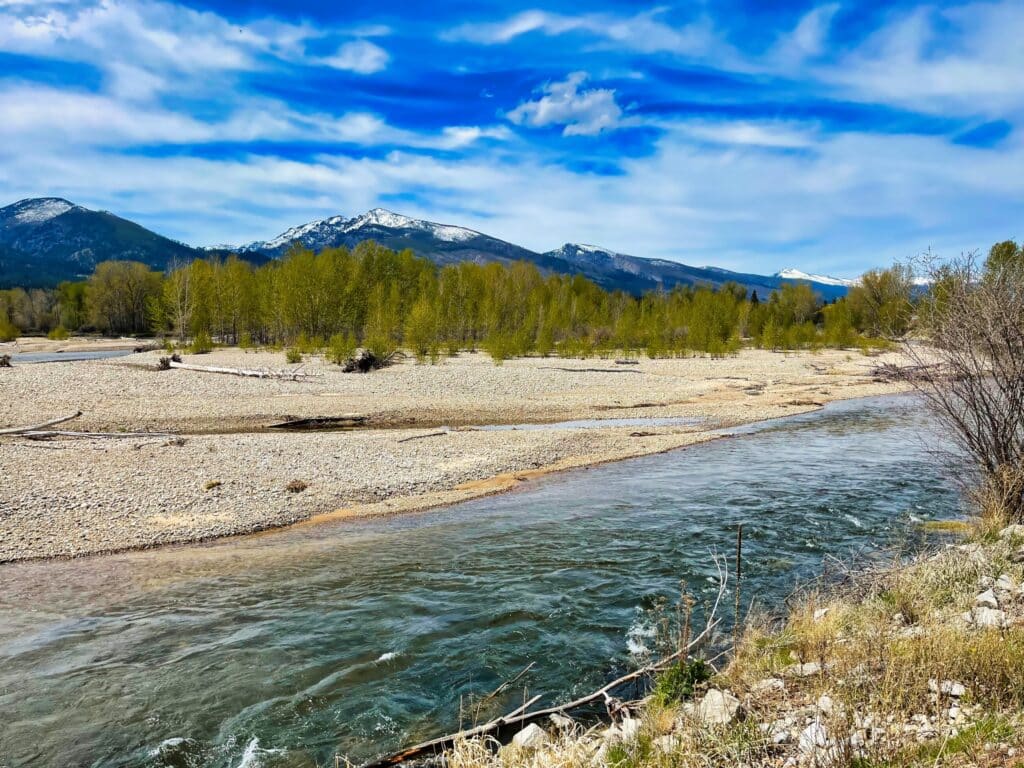
For those seeking early-season dry fly action, the Bitterroot River is a prime spot for Montana spring fly fishing. Flowing northward through the scenic Bitterroot Valley, the Bitterroot River stretches for about 84 miles before merging with the Clark Fork River near Missoula. It is a blue-ribbon trout fishery with a healthy population of native westslope cutthroat trout and bull trout. The river is renowned for its early-season stonefly hatches, particularly the Skwala stonefly, which emerges as early as March, providing some of the first significant dry fly action of the year. Anglers often use larger stonefly patterns to entice aggressive strikes from trout during this hatch. Bull trout are also present in the Bitterroot; however, they are a protected species, and strict regulations must be followed regarding their handling and release.
Fish Species:
Rainbow Trout, Brown Trout, Cutthroat Trout, Bull Trout (protected, lookup the regulations of their handling and release)
Hatches:
- Skwala Stoneflies: Emerging from mid-March through April, these size 8-12 stoneflies offer some of the earliest dry fly fishing opportunities in the region.
- Blue-Winged Olives (Baetis): Commonly hatching during overcast days in early spring, these size 18-20 mayflies provide consistent action.
- Western March Browns: These size 14-16 mayflies typically hatch in April, offering additional dry fly opportunities.
|
|
 |
Big Spring Creek
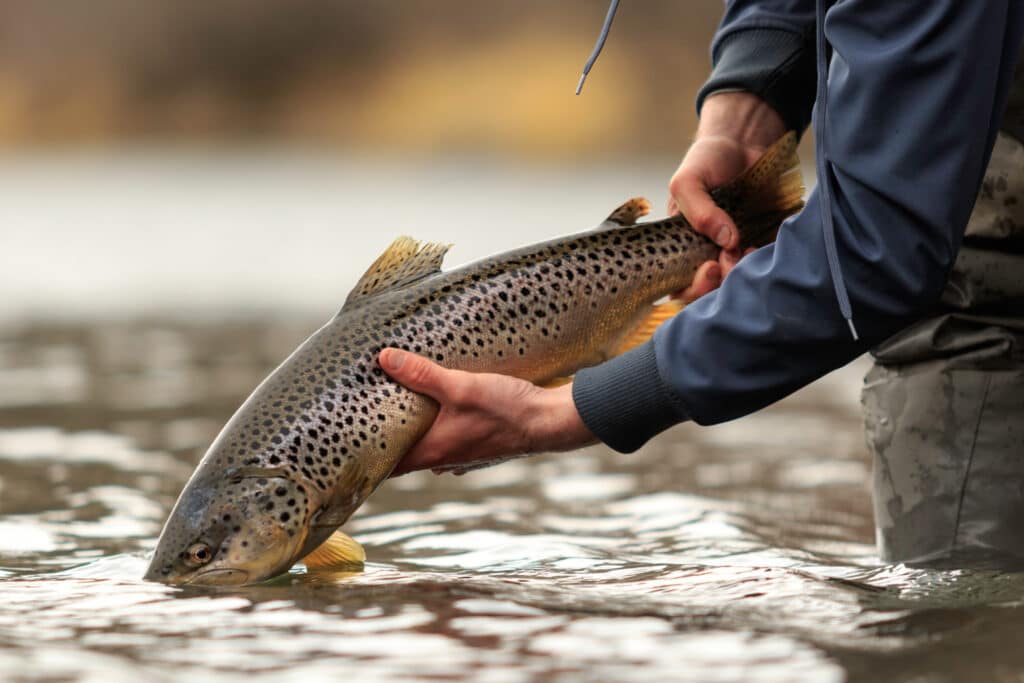
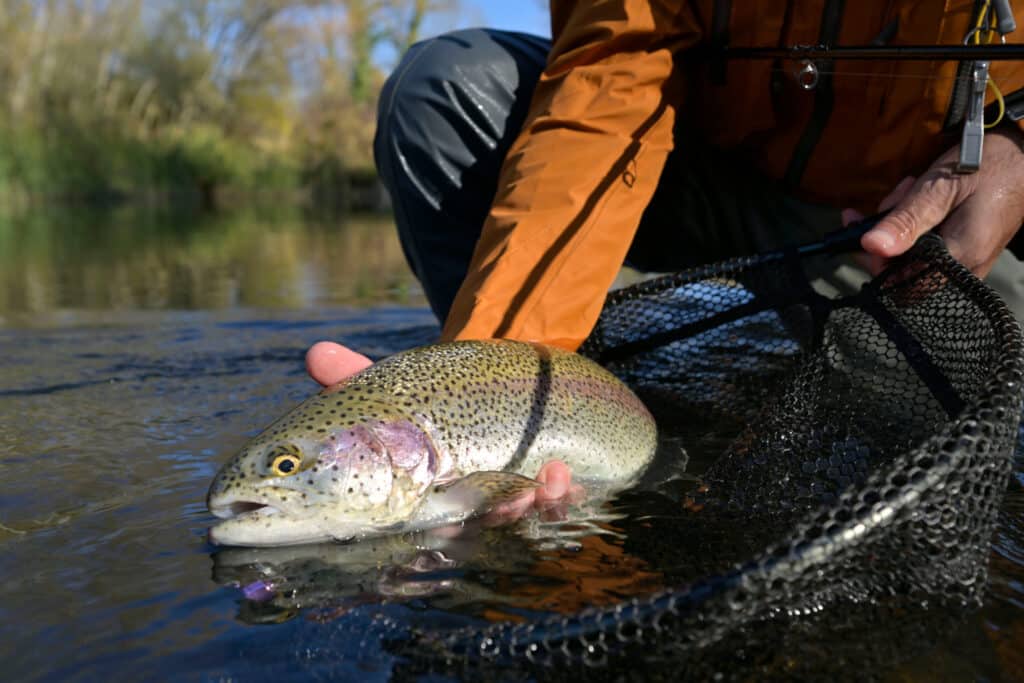
Located near Lewistown, Big Spring Creek is a spring-fed stream that maintains stable water temperatures year-round, allowing for consistent insect activity and making it an excellent fishery even in colder months. Early hatches of midges and Blue-Winged Olives are common, making it a haven for anglers seeking early-season action. The creek supports healthy populations of brown and rainbow trout, with some individuals reaching impressive sizes.
Fish Species:
Brown Trout, Rainbow Trout
Hatches:
- Midges: Year-round hatches provide continuous nymphing and dry fly opportunities.
- Blue-Winged Olives (Baetis): Spring and fall hatches offer consistent action, especially during overcast conditions.
 |
 |
Yellowstone River
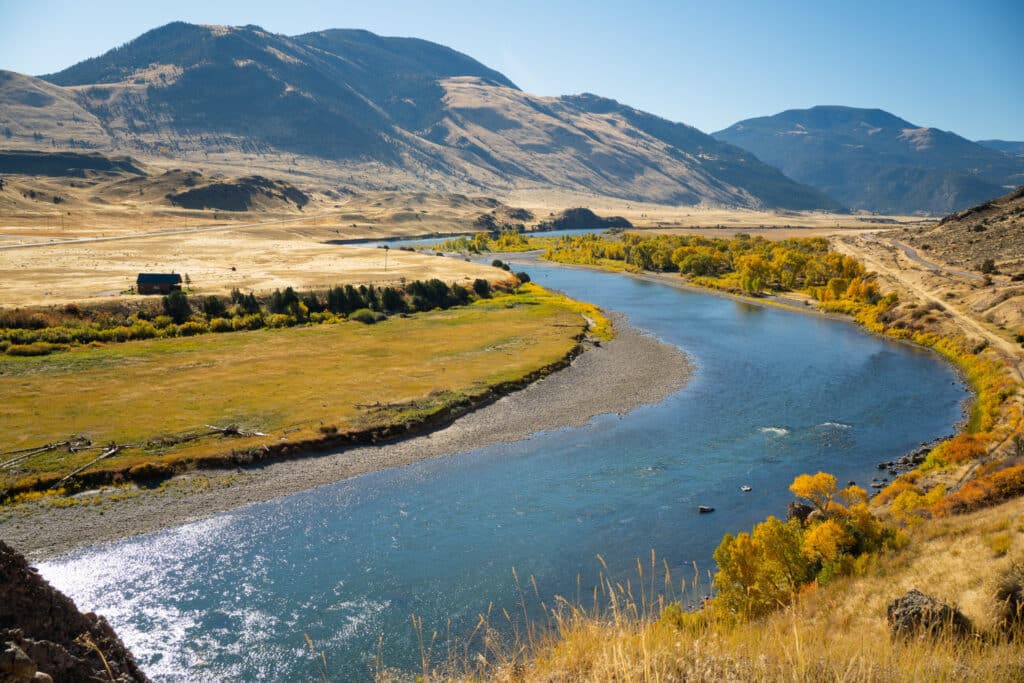
As one of Montana’s iconic rivers, the Yellowstone offers diverse fishing opportunities. In the spring, particularly in the Paradise Valley stretch, anglers can encounter hatches of Baetis and March Browns. These hatches can lead to productive days on the water, especially when targeting rising trout with well-presented dry flies. While trout are more prevalent in the upper and mid-sections of the Yellowstone, the lower river in eastern Montana is known for species such as smallmouth bass and sauger.
Fish Species:
Brown Trout, Rainbow Trout, and Cutthroat Trout, Smallmouth Bass, Sauger
Hatches:
- Blue-Winged Olives (Baetis): These mayflies typically hatch in the spring, especially during overcast days.
- March Browns: Emerging in April and May, these mayflies provide excellent dry fly-fishing opportunities.
- Caddisflies: Spring hatches of caddisflies can offer productive fishing, particularly in the evenings.
Big Hole River
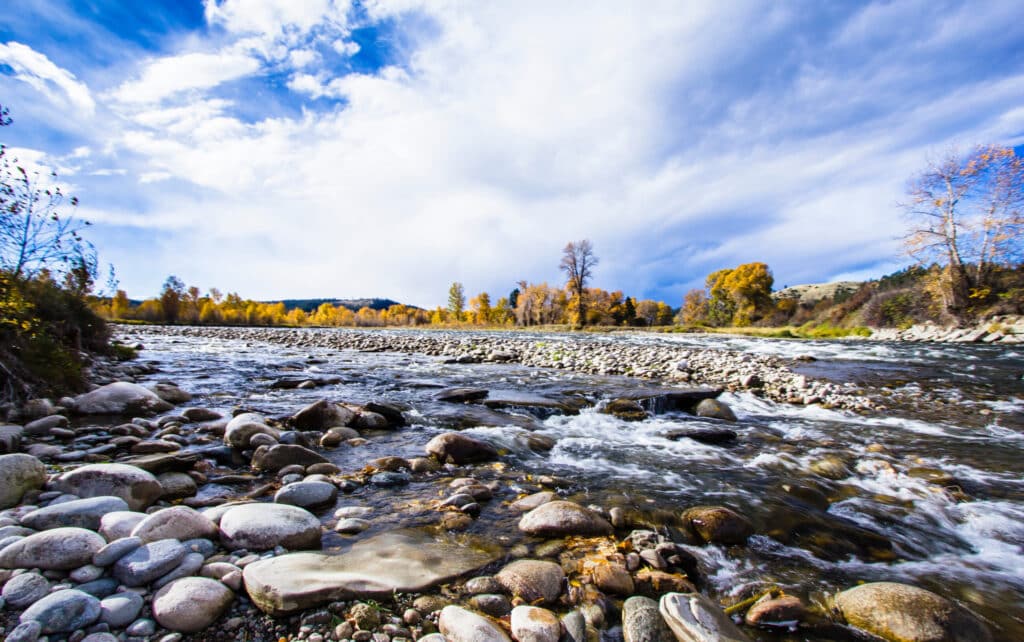
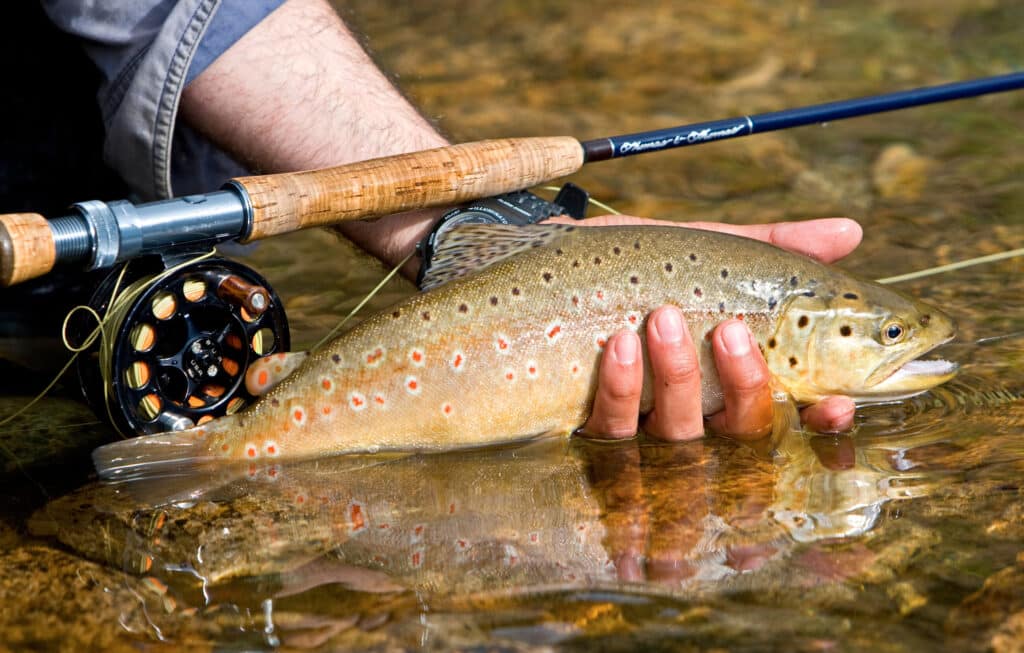
The Big Hole River is a tributary of the Jefferson River, flowing through southwestern Montana. It supports populations of brown trout, rainbow trout, Arctic grayling, and brook trout. In early spring, anglers can expect hatches of midges and Blue-Winged Olives, providing ample opportunities for dry fly fishing.
Fish Species:
Brown trout, Rainbow Trout, Arctic Grayling, Brook Trout
Hatches:
- Early Midges: These small insects hatch as temperatures rise, providing early-season dry fly opportunities.
- Blue-Winged Olives (Baetis): Emerging in late March to early April, these mayflies are prevalent on overcast days and can lead to significant surface activity.
 |
 |
Stillwater River
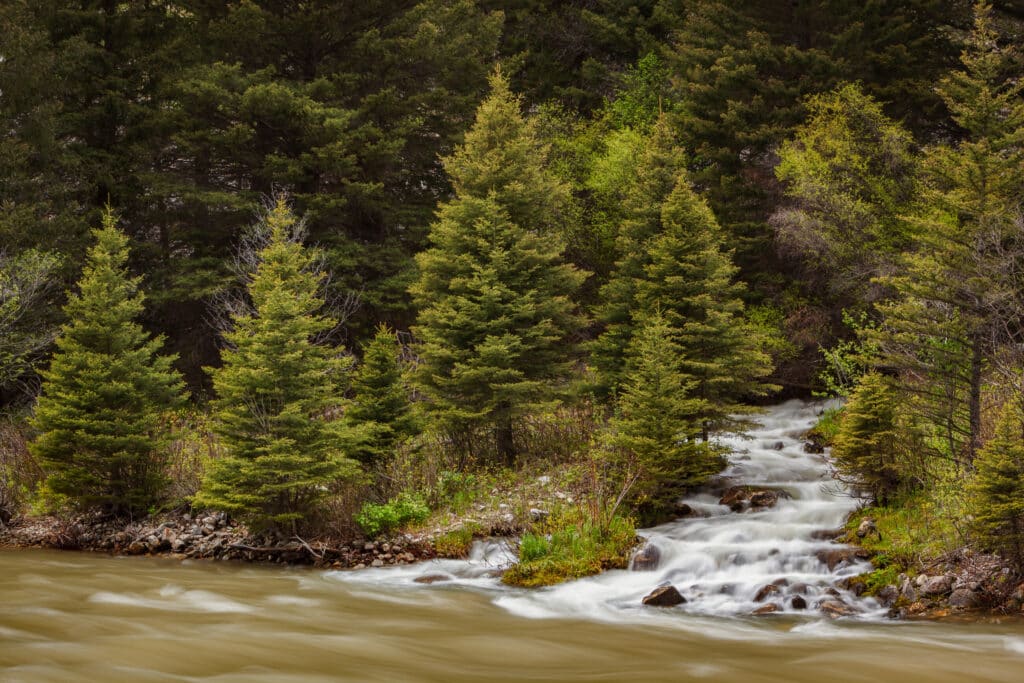
Despite its name, the Stillwater River is characterized by its swift flows and pocket water, making it ideal for anglers who enjoy active wading. In the spring, hatches of Blue-Winged Olives and caddisflies become prevalent. The river supports populations of rainbow and brown trout, with some larger fish migrating from the Yellowstone River during spawning seasons.
Fish Species:
Rainbow trout, brown trout
Hatches:
- Blue-Winged Olives (Baetis): Spring hatches provide consistent dry fly opportunities, especially during overcast conditions.
- Caddisflies: Emerging in late spring, these insects offer excellent dry fly fishing, particularly in the evenings.
Gallatin River
The Gallatin River originates in Yellowstone National Park and flows northward for approximately 115 miles before joining the Missouri River. Renowned for its accessibility and diverse fishing opportunities, the Gallatin offers anglers the chance to target rainbow trout, brown trout, and mountain whitefish. In early spring, as water temperatures rise, midges and Blue-Winged Olives (Baetis) begin to hatch, providing productive fishing sessions. Nymphing with patterns that mimic these insects can also be effective during this time. Access to the Gallatin River is facilitated by U.S. Highway 191, which parallels the river from Yellowstone National Park to Bozeman, Montana. While many sections are easily accessible, anglers seeking solitude can explore stretches that require a short hike away from the highway. The river’s diverse habitats, from alpine meadows to canyon waters, offer varied fishing experiences suitable for both novice and seasoned anglers.
Fish Species:
Rainbow Trout, Brown Trout, Mountain Whitefish
Hatches:
- Midges: Year-round hatches provide continuous nymphing and dry fly opportunities.
Blue-Winged Olives (Baetis): Emerging from late March through early May, these mayflies are prevalent on overcast days and can lead to significant surface activity. - March Browns: These size 14-16 mayflies typically hatch in April, offering additional dry fly opportunities.
- Mother’s Day Caddis: Starting in late April or early May, this prolific hatch can create exceptional evening dry fly fishing, especially on the Lower Gallatin.
Lesser-Known Montana Spring Fly Fishing Honey Holes
For those looking to explore beyond the well-known rivers, Montana has several hidden gems that provide excellent early-season fly fishing.
 |
 |
DePuy Spring Creek
DePuy Spring Creek maintains relatively stable temperatures, allowing for consistent insect activity. Early hatches of midges and Blue-Winged Olives are common, making it a haven for anglers seeking early-season action. The creek supports healthy populations of brown, Yellowstone cutthroat, and rainbow trout, with some individuals reaching impressive sizes. By exploring DePuy Spring Creek, anglers can experience solitude and rewarding fishing during Montana’s spring season.
Fish Species:
Brown trout, Yellowstone cutthroat trout, rainbow trout
Hatches:
- Midges: Year-round hatches provide continuous nymphing and dry fly opportunities.
- Blue-Winged Olives (Baetis): Spring and fall hatches offer consistent action, especially during overcast conditions.
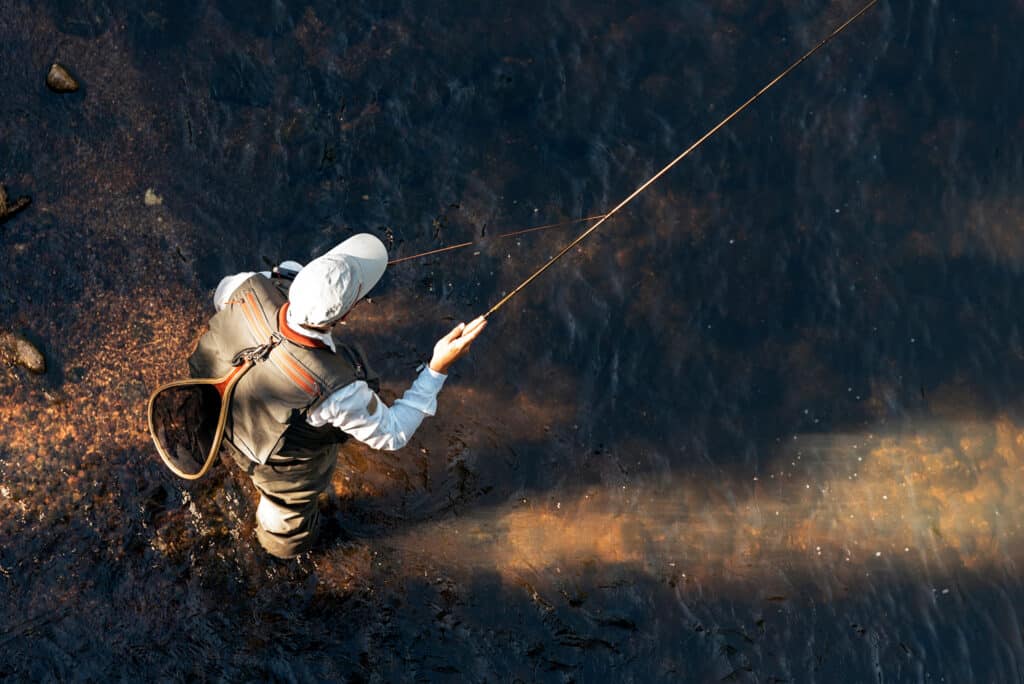
Rock Creek
Rock Creek is a tributary of the Clark Fork River, located east of Missoula. It supports populations of cutthroat trout, rainbow trout, and brown trout. In early spring, Skwala stoneflies become active, offering excellent dry fly action. As spring progresses, thick hatches of caddisflies bring trout to the surface, providing consistent opportunities for anglers.
Fish Species:
Cutthroat trout, rainbow trout, brown trout
Hatches:
- Skwala Stoneflies: Active in early spring, these provide excellent dry fly action.
- Caddisflies: Thick hatches in late spring bring trout to the surface.
Missouri River (Below Holter Dam)
The Missouri River, particularly the stretch below Holter Dam, is renowned for its productive trout fishing. This tailwater fishery supports healthy populations of rainbow and brown trout. Early in the season, midges and Blue-Winged Olives are prevalent, especially on overcast days. By April and May, March Browns begin to emerge, offering great opportunities for dry fly anglers.
Fish Species:
Rainbow trout, brown trout
Hatches:
- Midges & Blue-Winged Olives: Early season staples, especially on overcast days.
- March Browns: Emerging in April and May, providing great opportunities for dry fly anglers.
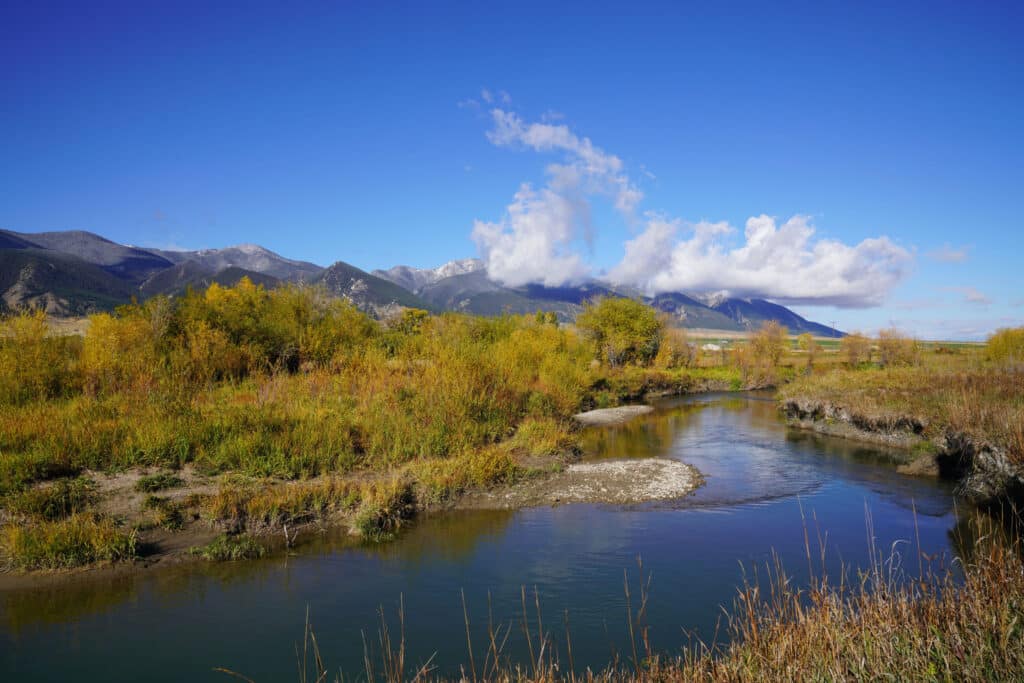
Ruby River
The Ruby River is a tributary of the Beaverhead River, flowing approximately 76 miles through southwestern Montana’s Ruby Valley. The river offers diverse fishing experiences, from meadow stretches to canyon sections, supporting healthy populations of brown, rainbow, and cutthroat trout, as well as Arctic grayling. Keep in mind that the Ruby River’s grayling population is primarily above Ruby Reservoir. In early spring, anglers can enjoy hatches of midges and Blue-Winged Olives, making it a rewarding destination for those seeking solitude and productive spring fly fishing.
Fish Species:
Brown trout, rainbow trout, cutthroat trout, Arctic grayling
Hatches:
- Midges: Early spring hatches provide nymphing and dry fly opportunities.
- Blue-Winged Olives (Baetis): Emerging in late March to early April, these mayflies offer consistent action, especially during overcast days.
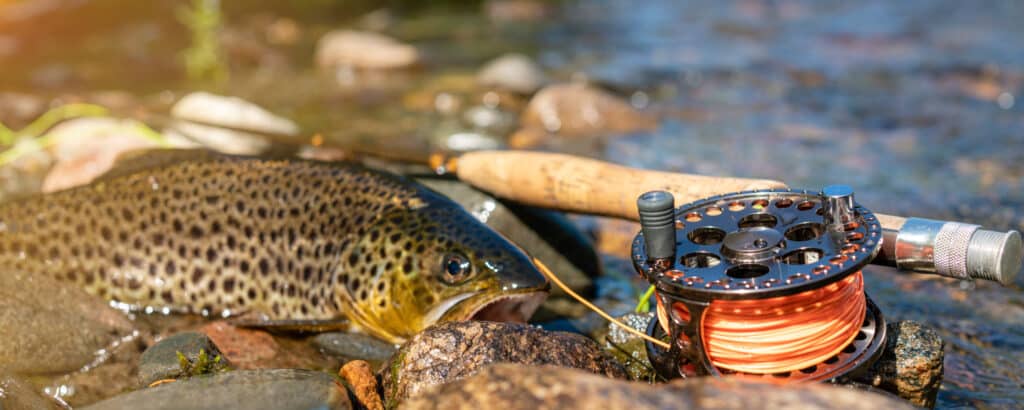
Wise River
The Wise River is a 30-mile-long tributary of the Big Hole River, originating in the Beaverhead National Forest. It flows through the scenic Pioneer Mountains, offering anglers a serene environment with opportunities to catch rainbow, brown, and brook trout. Early spring hatches of midges and Blue-Winged Olives make it an attractive destination for Montana Spring fly fishing enthusiasts seeking less crowded waters.
Fish Species:
Rainbow trout, brown trout, brook trout
Hatches:
- Midges: Early spring hatches provide opportunities for nymphing and dry fly fishing.
- Blue-Winged Olives (Baetis): These mayflies typically hatch in early spring, offering consistent dry fly action.
Remote & Off-the-Beaten-Path Montana Spring Fly Fishing Destinations
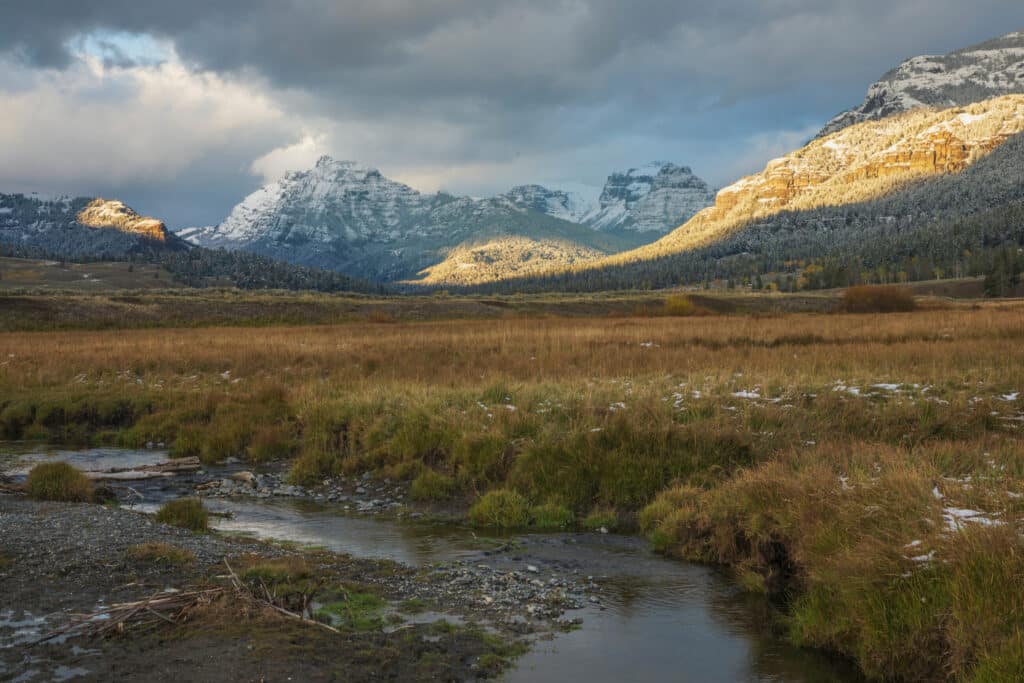
Soda Butte Creek
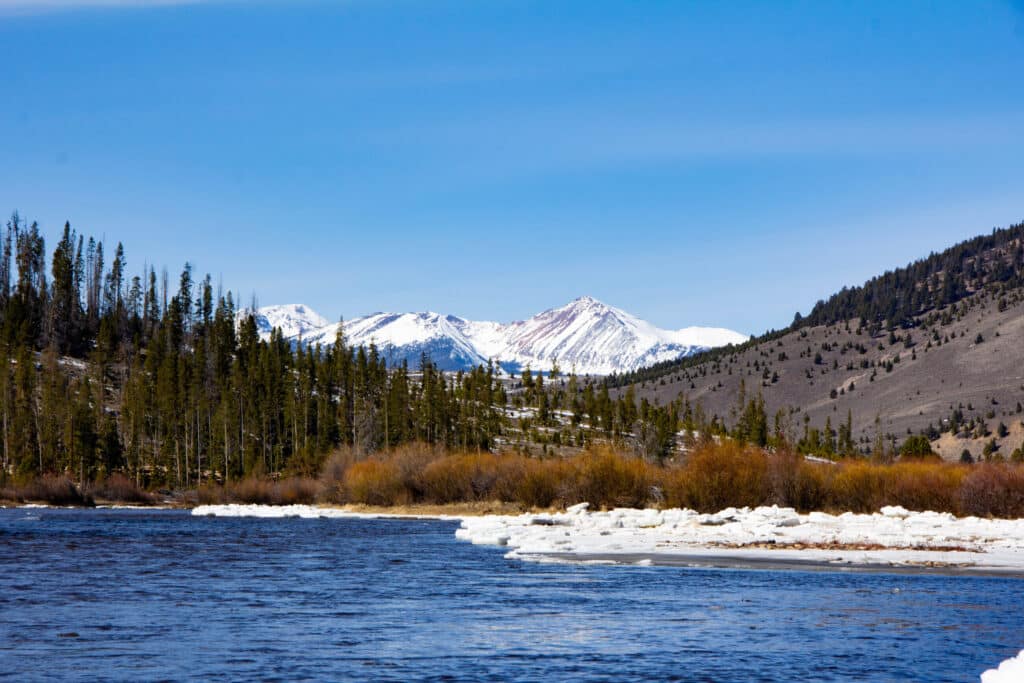
Soda Butte Creek is a tributary of the Lamar River, flowing through the northeastern section of Yellowstone National Park. Access requires a hike, but anglers are rewarded with excellent fishing for native Yellowstone cutthroat trout. The creek offers a serene setting with opportunities for solitude.
Fish Species:
Yellowstone cutthroat trout
Hatches:
- Blue-Winged Olives (Baetis): Emerging in late March to early April, these mayflies provide early-season dry fly action.
- Drakes (Green and Brown): Important later in the season, these large mayflies entice aggressive rises from trout.
- Caddisflies: These insects become more prevalent as spring progresses, creating excellent evening dry fly opportunities.
- Midges: Year-round hatches offer continuous nymphing and dry fly opportunities.
Grebe Lake
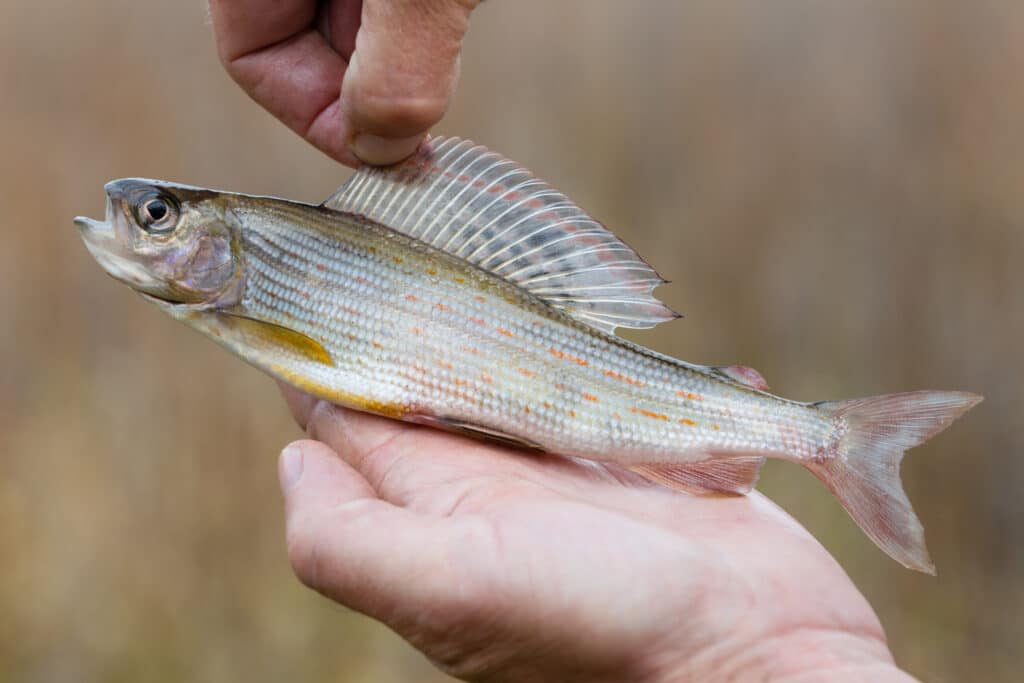
Located in Yellowstone National Park, Grebe Lake is a backcountry lake accessible via a moderate hike. The lake is known for its population of Arctic grayling, offering a unique spring fly fishing experience in a tranquil setting.
Fish Species:
Arctic grayling
Hatches:
- Midges: Early spring hatches provide opportunities for nymphing and dry fly fishing.
- Caddisflies: Emerging in late spring, these insects offer excellent dry fly fishing, particularly in the evenings.
 |
 |
Spanish Creek
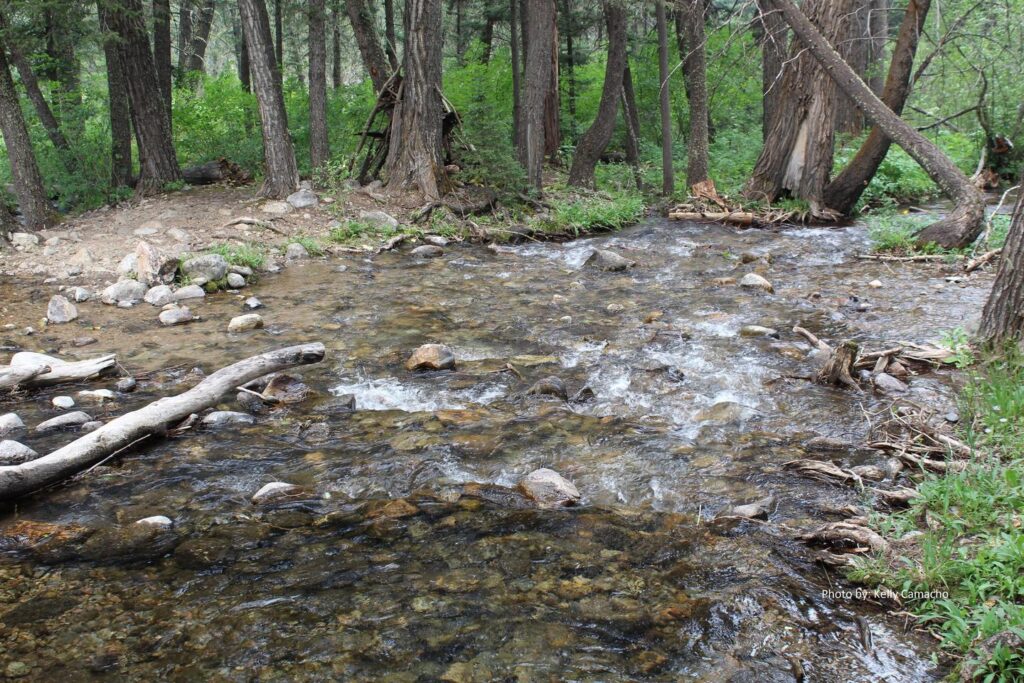
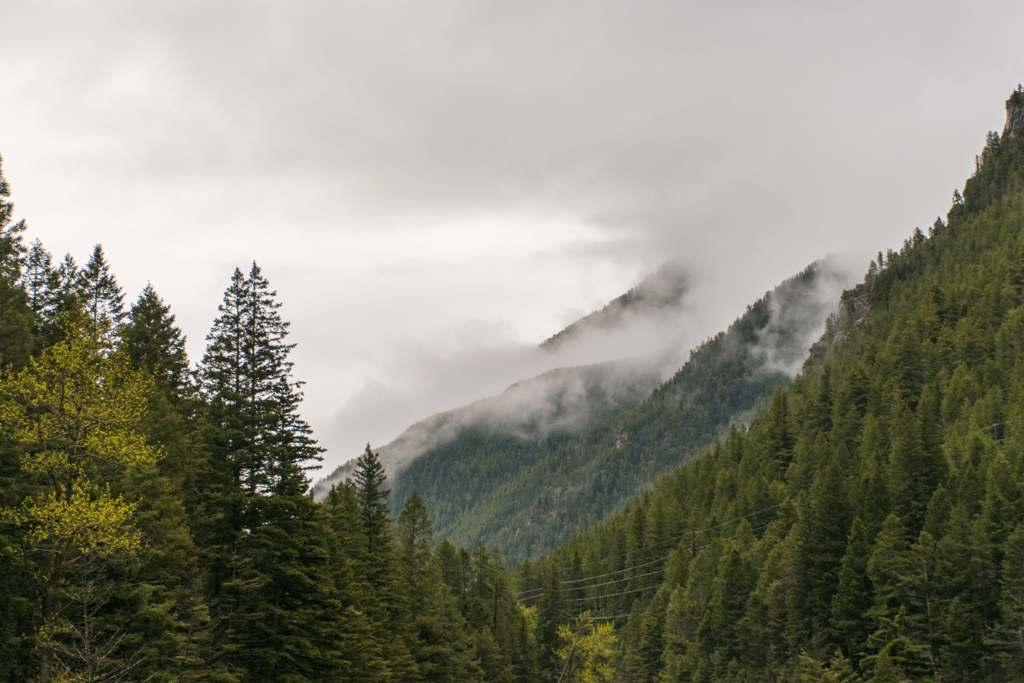
Located in the Gallatin National Forest, Spanish Creek requires a moderate hike to access its productive waters. The creek flows through scenic meadows and forests, providing anglers with opportunities to catch brook and rainbow trout in a tranquil, low competition setting.
Fish Species:
Brook trout, rainbow trout
Hatches:
- Midges: Early spring hatches provide consistent nymphing opportunities.
- Blue-Winged Olives (Baetis): Emerging in late March to early April, these mayflies offer dry fly action, especially during overcast days.
 |
 |
Taylor Fork
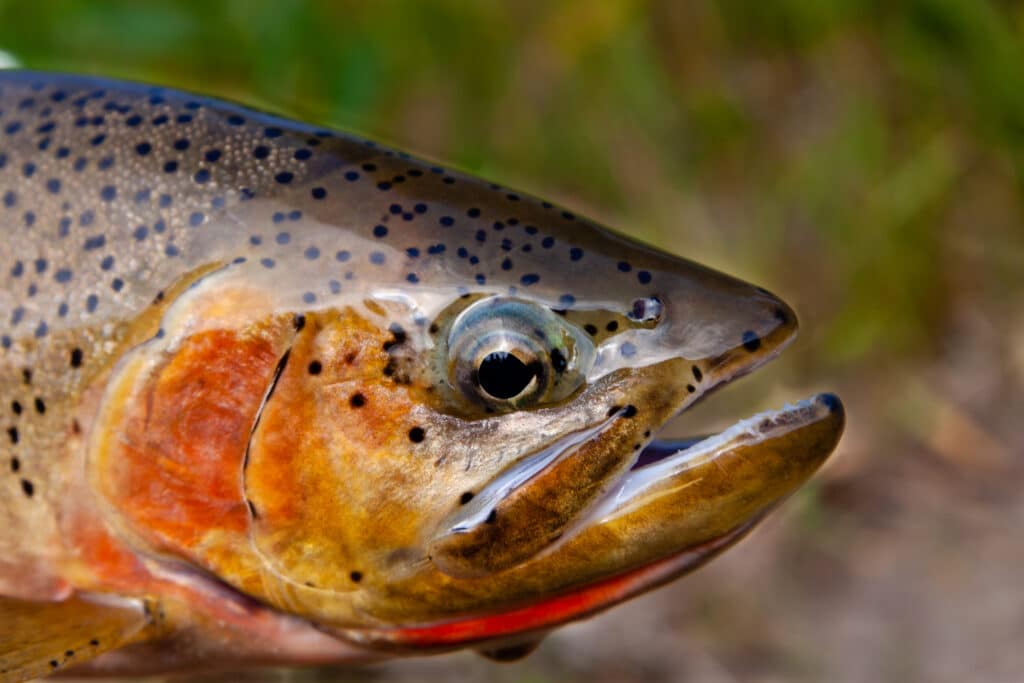
A tributary of the Gallatin River, Taylor Fork is accessible via a hike through the Gallatin National Forest. The stream meanders through meadows and timbered areas, offering anglers solitude and the chance at native cutthroat trout.
Fish Species:
Westslope cutthroat trout
Hatches:
- Stoneflies: Early spring hatches provide exciting dry fly opportunities.
- Caddisflies: Emerging in late spring, these insects attract trout to the surface.
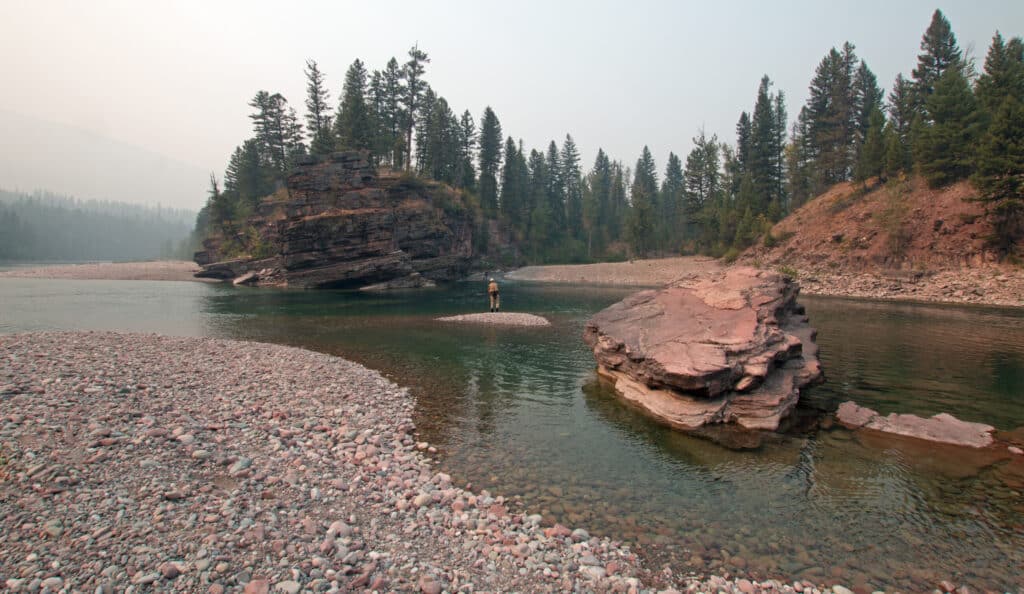
Confluence of the South Fork of the Flathead and Spotted Bear Rivers
Located deep within Montana’s Bob Marshall Wilderness, the confluence of the South Fork of the Flathead and Spotted Bear Rivers offers anglers a secluded and rewarding spring fly-fishing experience, weather permitting. Accessible primarily by horseback or on foot, this remote area ensures minimal fishing pressure and pristine conditions. The rivers are home to healthy populations of native westslope cutthroat trout and bull trout, providing ample opportunities for dry fly enthusiasts during the spring months. Anglers can expect to encounter various hatches, including caddisflies and mayflies, which entice trout to the surface. Keep an eye on the weather if your considering hitting this secluded spring fly fishing destination.
Fish Species:
Westslope cutthroat trout, bull trout
Hatches:
- Caddisflies: Emerging in late spring, these insects offer excellent dry fly fishing opportunities.
- Mayflies: Spring hatches provide additional chances for surface action.
Anglers seeking a truly off-the-beaten-path experience will find the journey to this confluence rewarding, as it combines the challenge of accessing remote waters with the thrill of fly fishing in an untouched wilderness setting.
Conclusion
As Montana’s rivers come alive with early-season hatches, both renowned and lesser-known streams offer fly anglers incredible opportunities to experience some of the finest Montana fly fishing in the country. Whether you’re drawn to the prolific hatches on the Big Hole River, the remote beauty of Slough Creek, or the diverse species of the eastern Yellowstone River, each location presents its own unique challenges and rewards. With careful timing, the right fly selections, and an eye on water conditions, anglers can take full advantage of this exciting season. So, grab your gear, check the hatch charts, and get ready to experience the magic of Montana spring fly fishing!