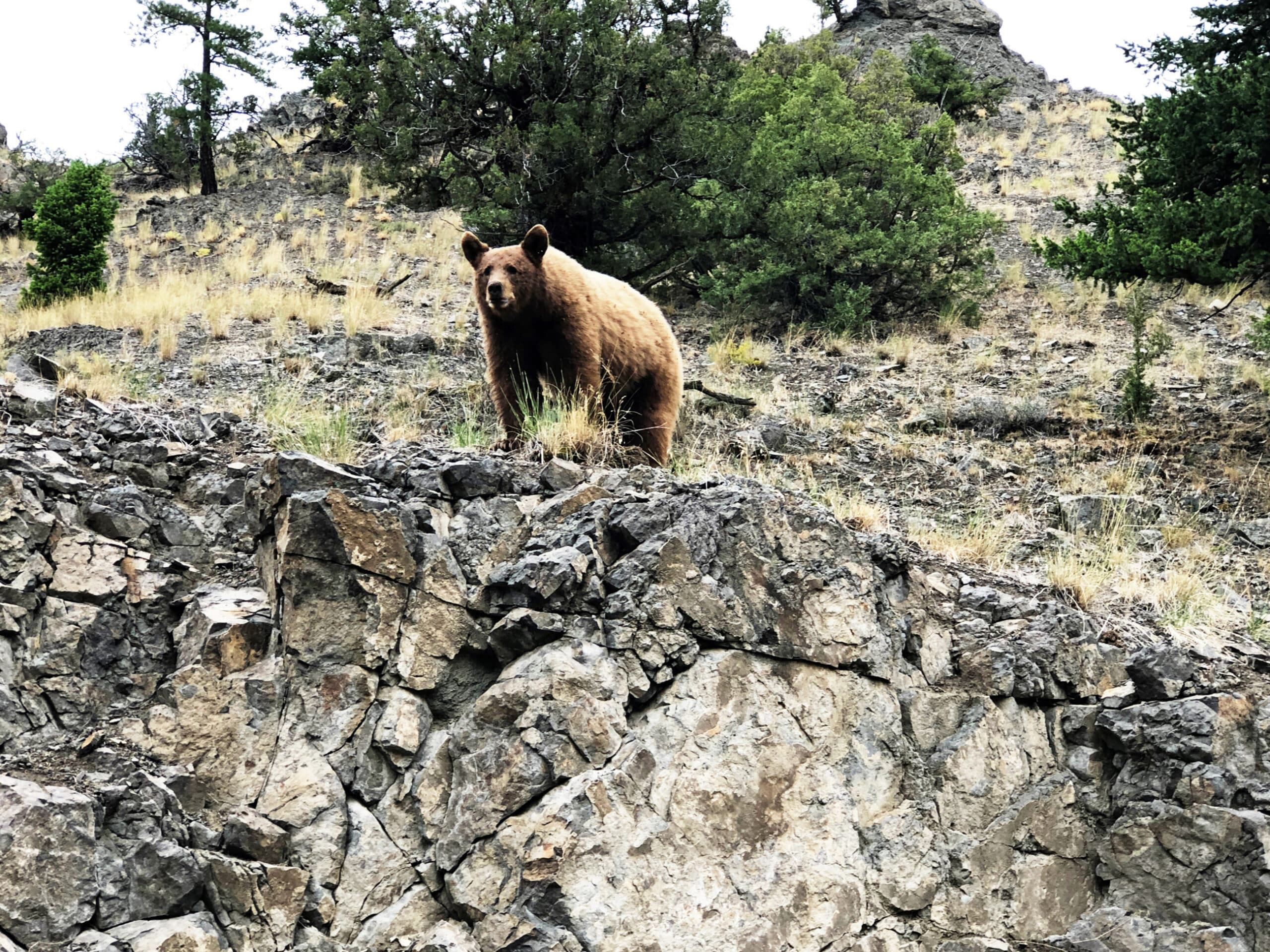
Across North America, grizzly bears are emerging from winter hibernation. Once ranging widely from Mexico to Alaska, these iconic predators occupy a fraction of their historical territory. Despite habitat loss, human conflict, and climate change, grizzly populations have remarkably recovered in recent decades. Their story highlights conservation success and ongoing challenges as bears and humans navigate a shared landscape.
Grizzly Bears Are Awakening

Grizzly bears are starting to wake up from hibernation. They typically are in hibernation during the winter months from November to March or early April, depending on the region and weather conditions. During this dormant period, they don’t eat, drink, or defecate; instead, they rely on fat reserves built up during warmer months.
As spring temperatures rise and food sources become more abundant, grizzly bears emerge from their dens between late March and early April. However, timing varies based on location, weather, and individual needs. Bears wake when their bodies signal it’s time to forage again.
Upon awakening, grizzly bears are typically hungry after months without eating, so they search for food like roots, berries, and carcasses. Extra caution is advised if you’re in bear country during this time, as bears are actively replenishing energy and are more likely to roam in search of food. Spring can be a peak time for grizzly activity, making awareness and safety guidelines essential for hikers and campers in areas where grizzlies are active.
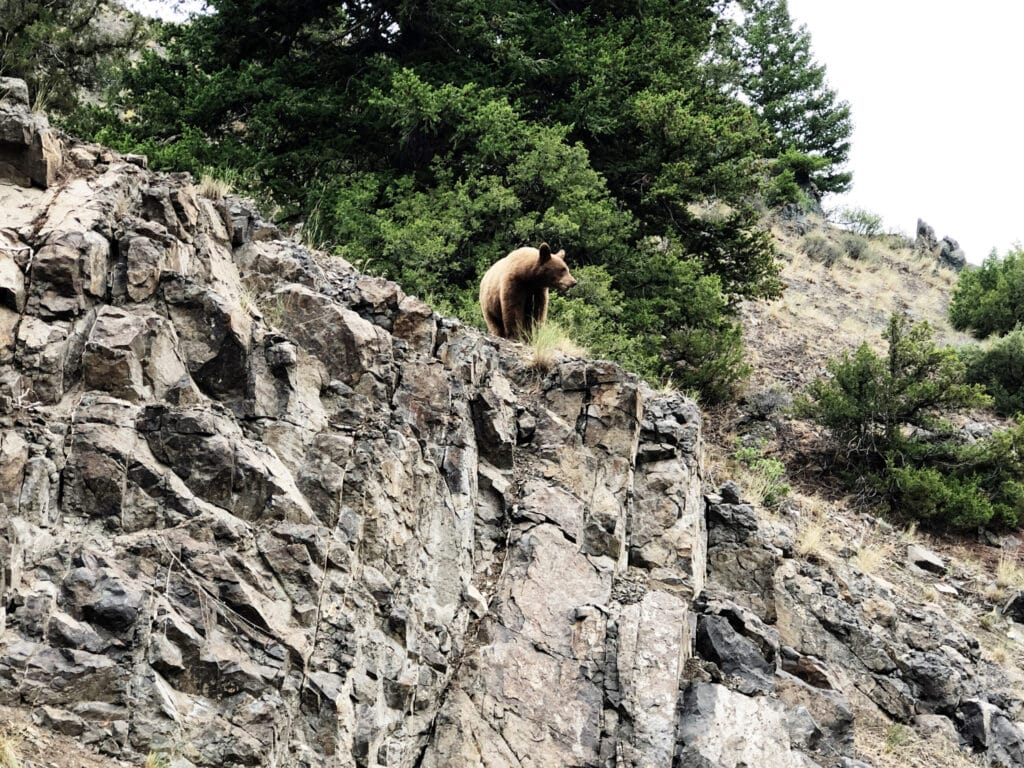
Grizzly Bears Are Emerging From Their Dens in Yellowstone and Grand Teton National Parks
 |
 |
 |
The Historic Dominion of Grizzly Bears
Grizzly bears once roamed from Canada to Mexico. They were found throughout much of the western U.S., from the Rocky Mountains to the Pacific Coast. This included the vast grasslands of the Great Plains, the southern Rocky Mountains, and the Great Basin areas. In Canada, grizzly bears once roamed much of the country, particularly the Rocky Mountains, Coastal Mountains, and the Yukon. In Mexico, this included areas in the Sierra Madre Occidental Mountains in the country’s northwestern part. However, they were extirpated (locally extinct) from this region by the early 20th century, primarily due to hunting and habitat loss.
The Rocky Mountains served as the grizzlies’ primary habitat in the U.S., including the entire mountain range, stretching from northern Montana and Wyoming down through Colorado and New Mexico. They also ranged along the West Coast, including areas in California, Oregon, Washington, and as far north as Alaska. Historically, grizzlies roamed Alaska, including the Aleutian Islands, the Kenai Peninsula, and the Bristol Bay region, where they often relied on abundant marine resources, like fish, especially salmon. Grizzly bears were also found across the Midwest, including parts of Minnesota, Iowa, and even as far east as Michigan and Ohio. These populations were largely wiped out during the westward expansion and human settlement in the 19th century.
By the mid-1800s and early 1900s, the U.S. grizzly bear populations rapidly declined due to overhunting, habitat destruction, and human conflicts. By the early 20th century, grizzly bears had been extirpated from most of their historical range in the lower 48 states, except for isolated populations in the Yellowstone and Northern Rocky Mountain regions. Their range in the midwestern U.S. and northern Mexico had disappeared entirely.

Present-Day
Today, grizzly bears are primarily found in Alaska, western Canada, and parts of the U.S. in Montana, Wyoming, and Idaho, notably within the Greater Yellowstone Ecosystem. They are also found in more remote and protected areas, including parts of British Columbia, Alberta, and the Northern Continental Divide Ecosystem in Montana.
The grizzly population in British Columbia and Alberta remains one of the largest today, and these areas continue to be key habitats for the species.
Currently, in the United States
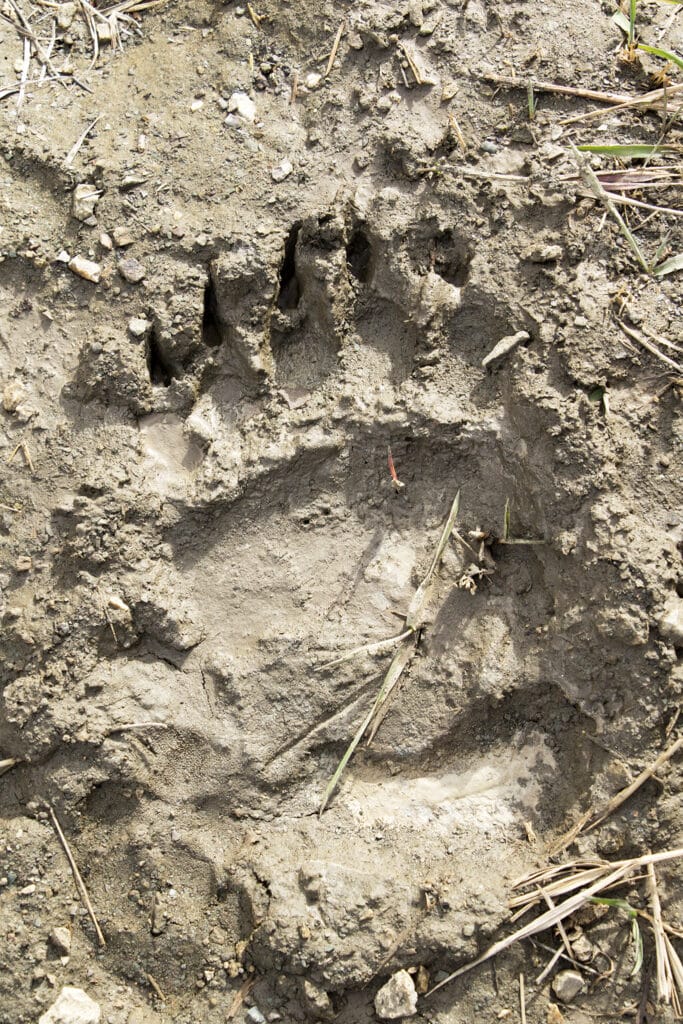
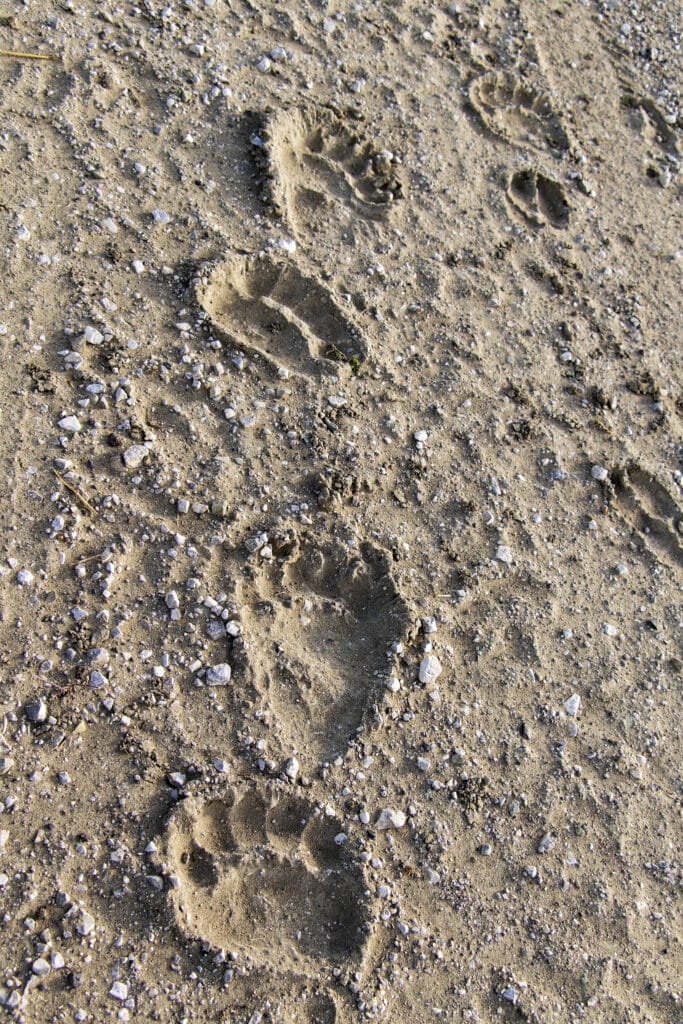
In the United States, grizzly bears primarily thrive in western regions with suitable habitat.
Alaska is home to some of the larger grizzly bear populations. It offers expansive wilderness, forests, tundra, and abundant food sources. The Greater Yellowstone Ecosystem, spanning Wyoming, Montana, and Idaho, including Yellowstone and Grand Teton National Parks, has seen significant population growth since the 1970s. This ecosystem offers abundant food sources, including berries, fish, and ungulates, making it critical for grizzly conservation in the lower 48 states.
The Northern Continental Divide Ecosystem in northwestern Montana includes Glacier National Park and adjacent areas. This ecosystem features dense forests and rugged mountain terrain ideal for grizzlies. This region has experienced steady population increases, supported by habitat connectivity improvements.
The Selway-Bitterroot Ecosystem, which spans Montana and Idaho, provides another key habitat. Its remote wilderness and rugged terrain offer food and shelter. Though smaller in population than other regions, it remains critical to recovery efforts.
Washington state’s Cascades and Olympic Peninsula historically hosted grizzlies, though populations declined significantly by the mid-20th century. Conservation efforts aim to reintroduce and restore populations in this region, though challenges remain.
 |
 |
Threats to Grizzly Survival
Despite successful recovery efforts, grizzly bears face several challenges threatening their populations. These issues primarily stem from human activity and environmental changes. Habitat loss and fragmentation pose significant threats as human development expands, reducing suitable space for bears. Urban sprawl, road construction, and infrastructure development fragment habitats making it difficult for bears to access food sources or migrate between ecosystems, which is crucial for maintaining genetic diversity.
Human-wildlife conflict
Human-wildlife conflict increases as grizzlies expand their range and come into closer contact with humans, especially in areas with growing human populations or popular recreational sites. Bears may scavenge human food or trash, leading to dangerous interactions and sometimes bears being killed for safety reasons.
Grizzly bears naturally require large home ranges—adult males may use territories spanning 300-500 square miles. As human development expands into previously wild areas and recovering grizzly populations reoccupy historic territories, the zones where humans and bears interact have increased dramatically.
Bears are highly intelligent and opportunistic omnivores with exceptional memory and sense of smell. They quickly learn to associate humans with food when they discover anthropogenic food sources.
Unsecured garbage bins and dumpsters become reliable feeding sites. Bird feeders, outdoor pet food, fruit trees, and garden produce draw bears into residential areas. Livestock and their feed attract bears to agricultural operations. Improperly stored food at campgrounds teaches bears that humans equal easy meals. Gut piles and carcasses left by hunters concentrate bears in hunting areas, increasing conflict potential.
Once a bear becomes food-conditioned (associating humans with food) or habituated (losing its natural wariness of humans), the risk of dangerous encounters increases significantly. Bears that become “problem animals” are frequently relocated or euthanized.
Conflict is particularly acute in specific geographic areas. Interface zones around national parks like Yellowstone and Glacier experience heightened conflict, as do rapidly developing mountain valleys in states like Montana, Wyoming, and Idaho. Agricultural areas adjacent to the core bear habitat see frequent conflicts. Popular recreational corridors and trail systems bring humans and bears into proximity. Rural communities experiencing changing land use patterns often struggle to adapt to bear presence.
 |
 |
 |
Climate change
Climate change alters the ecosystems where grizzlies live by changing temperature patterns, vegetation, and prey availability. This affects bear behavior, migration, and food sources. Warming temperatures impact the timing and availability of food sources like berries and fish, forcing bears to alter foraging habits or relocate.
Poaching and illegal hunting
Poaching and illegal hunting remain threats, particularly in regions with weak protection or enforcement. Even legal trophy hunting can disrupt bear populations, especially when larger males are targeted, disrupting social structures.
Inbreeding and genetic issues
Inbreeding and genetic issues threaten isolated grizzly bear populations across North America. These problems stem primarily from habitat fragmentation, dividing bears into disconnected population islands.
Many grizzly populations in the contiguous United States have experienced severe bottlenecks, dropping to precariously low numbers before protection began. The Yellowstone population fell to fewer than 200 bears, while smaller populations like those in the Cabinet-Yaak and Selkirk ecosystems have fewer than 50 individuals. These bottlenecks severely restrict genetic diversity, as all subsequent generations descend from a limited number of founders.
When genetic diversity diminishes, several problems emerge. Inbreeding increases the expression of harmful recessive traits, leading to reduced fertility, developmental issues, and weakened immune systems. Scientists have documented decreased heterozygosity in isolated grizzly populations, correlating with lower reproductive success and increased disease susceptibility.
Perhaps most concerning, genetically homogeneous populations lack the adaptive capacity to respond to environmental changes. As climate change alters habitats and food availability, populations with limited genetic variation become increasingly vulnerable to extinction. Center For Biological Diversity
Food scarcity and resource competition
Food scarcity and resource competition intensify as human populations increase, limiting natural food sources. Grizzlies compete with other species, including humans, for resources like fish, berries, and carrion, exacerbating scarcity and increasing conflict likelihood.
Management and legal challenges
Management and legal challenges continue as grizzly populations grow, with ongoing debates about their potential delisting from the Endangered Species Act. Some argue the population has recovered sufficiently, while others worry that reduced protection might prioritize human interests over conservation.
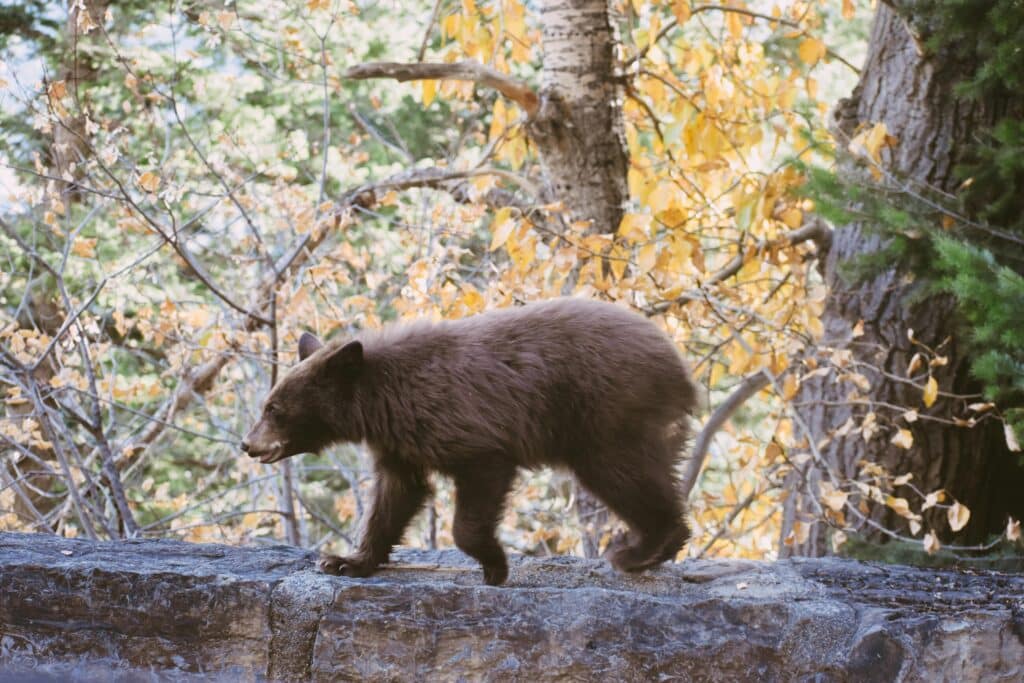
Are grizzly bears expanding their range?
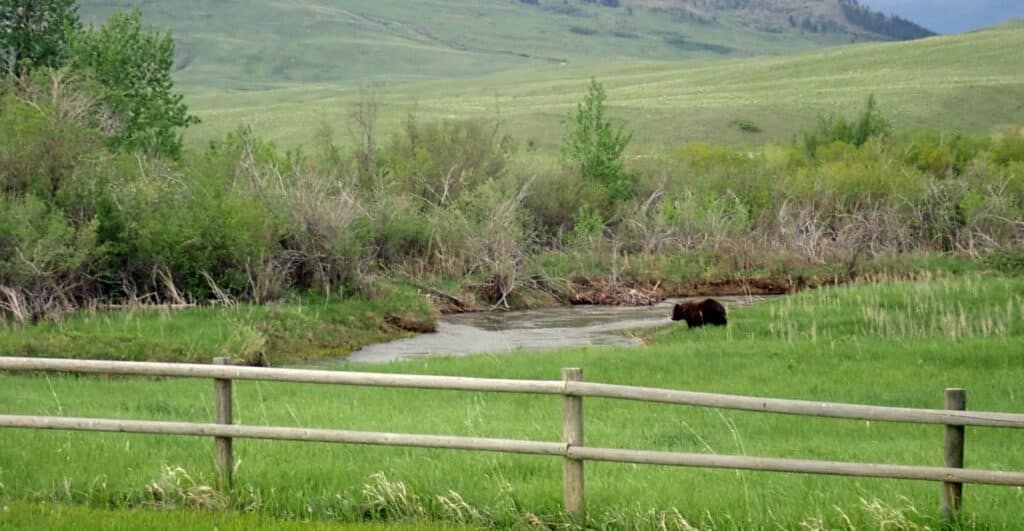
Beyond these specific ecosystems, grizzlies thrive in other Rocky Mountain areas, particularly remote wilderness with diverse habitats, including forests, alpine meadows, and rivers. Grizzly bears in the Little Belt Mountains. There’s also evidence of range expansion into the southern Rocky Mountains, including parts of Colorado and Wyoming’s Wind River Range, though these areas don’t yet support large populations.
Grizzly bears have expanded their range in recent decades, and conservation efforts have facilitated a remarkable recovery. As grizzly populations expand, communities are learning how to live with bears. The Greater Yellowstone Ecosystem population has grown from about 100 individuals in the 1970s to approximately 1,000 today, with similar growth in the Northern Continental Divide Ecosystem.
This expansion has brought grizzlies into new territories like Wyoming’s Wind River Range, an area with increasing recreational activity. However, human-bear conflicts also increase as ranges expand, especially in regions with growing human populations and outdoor recreation.
Despite these challenges, the overall trend indicates positive recovery and range expansion for grizzly bears in the lower 48 states, sparking discussions about potential delisting from the Endangered Species Act. Such decisions remain contentious, influenced by human-wildlife conflict and habitat connectivity.
Conclusion
The recovery of grizzly bears represents both conservation success and ongoing challenge. From near extinction across their historic range to steady population growth in key ecosystems, these iconic predators demonstrate nature’s resilience when given protection. Yet their future remains uncertain as they navigate a landscape altered by human development, climate change, and competing interests. Finding a balance between human safety and wildlife conservation will determine whether grizzlies can continue expanding their presence across western North America.
Community Event
Free Special presentation by Fish, Wildlife, and Parks
Bear-Aware: Friday, April 4 Bear Aware with FWP
Montana Fish, Wildlife and Parks Information: STAY SAFE AROUND BEARS