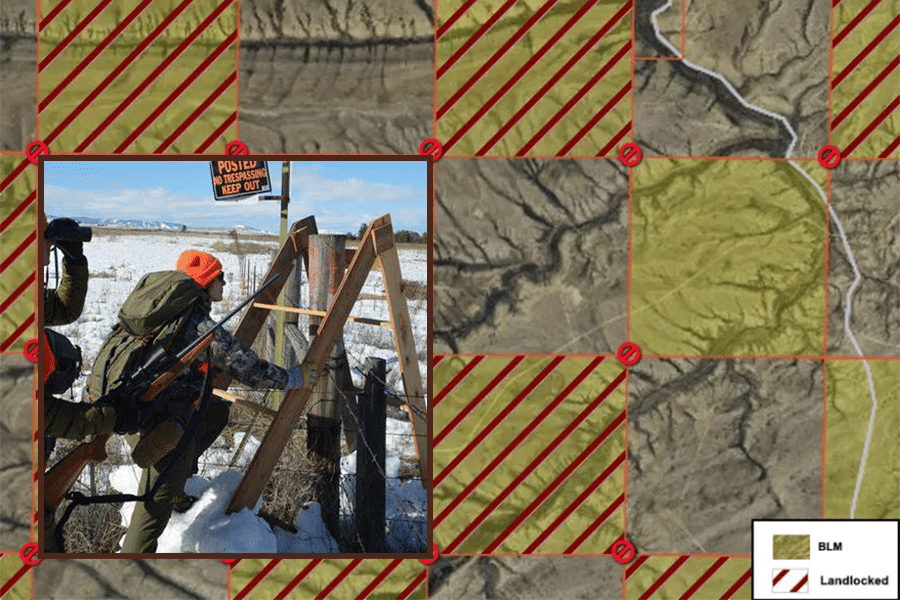
In the vast expanses of the American West, land ownership isn’t always as straightforward as it seems. A historical quirk known as “checkerboarding” has left a patchwork of public and private lands, creating unique challenges—and opportunities—for ranch owners and buyers. Recent court rulings, including a landmark decision in March 2025, are reshaping how we think about public access and its impact on ranch real estate values. For those eyeing properties in Montana, Nebraska, and beyond, understanding these developments is key to making informed decisions.
What Is Checkerboarding?
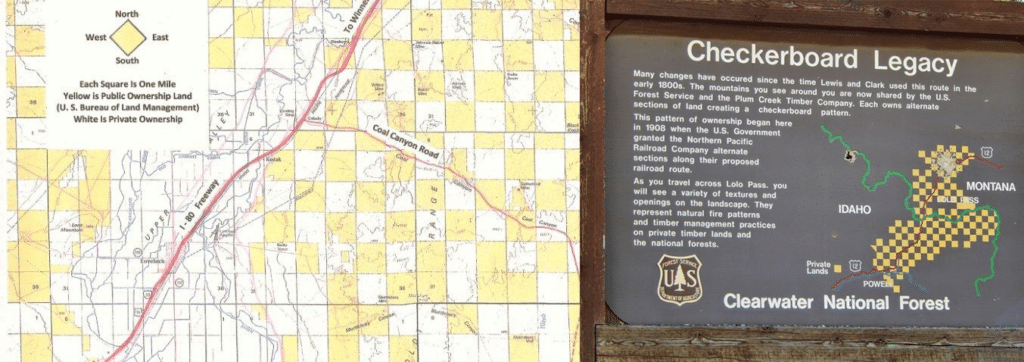
Checkerboarding traces its roots to the 19th century when the U.S. government granted railroad companies alternating sections of land—typically one square mile each—along their routes to encourage westward expansion. The result was a checkerboard pattern where private land sits side-by-side with public land managed by agencies like the Bureau of Land Management or the U.S. Forest Service. This pattern is especially pronounced in states like Montana, Nebraska, Wyoming, and Colorado, with millions of acres locked in this grid.
The catch? Many public parcels are “landlocked”—surrounded by private land with no legal access routes. For ranchers, this can mean controlling access to vast public lands adjacent to their property, enhancing privacy and exclusivity. It’s a barrier to recreation and resource use for the public, sparking decades of legal battles.
The Corner Crossing Ruling
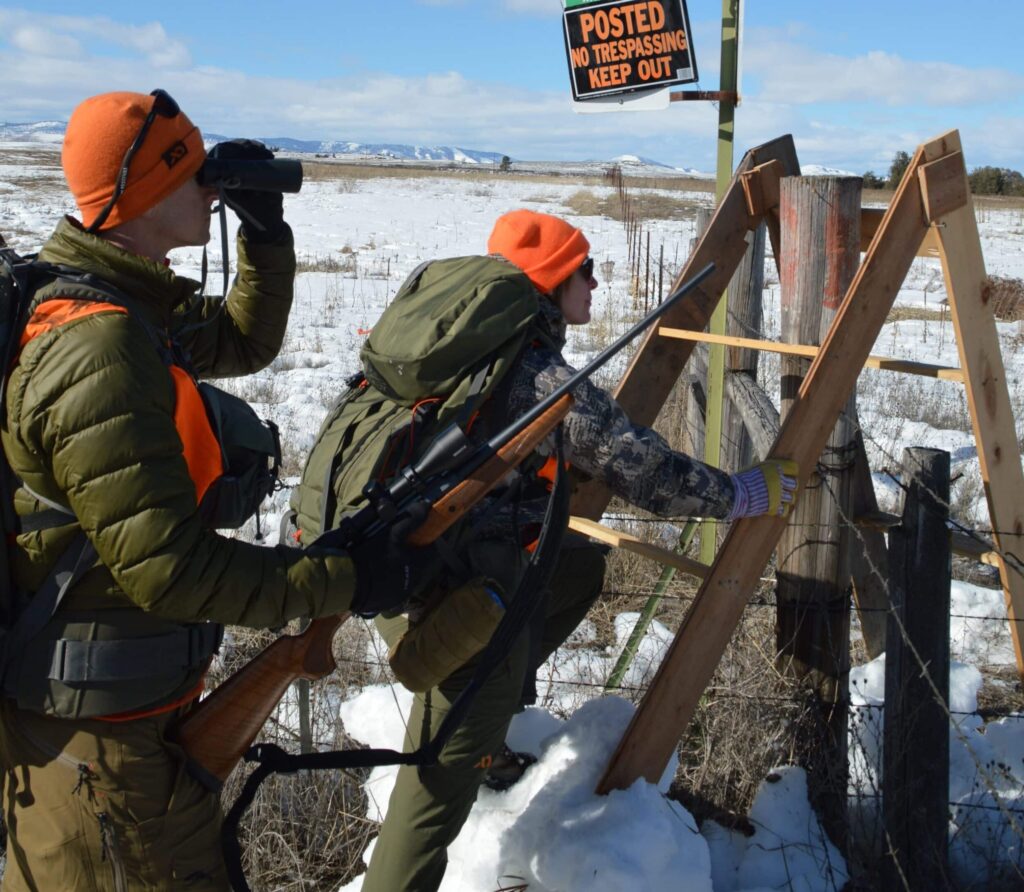
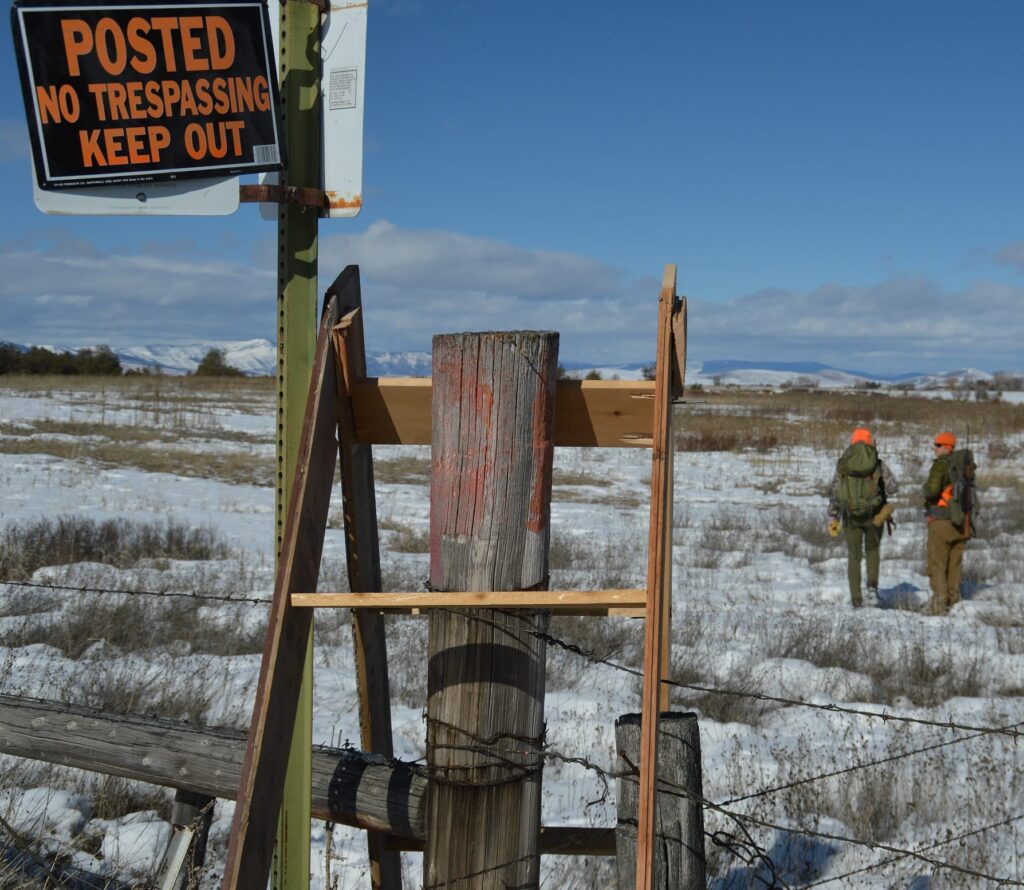
The March 2025 10th Circuit Court of Appeals ruling completely transformed how the law handles public access on these checkboard public land parcels. The case centered on “corner crossing,” where individuals step from one public parcel to another at the shared corner of two private parcels, avoiding trespassing on private land. In this decision, the court ruled that corner crossing is legal, affirming that the public can access landlocked parcels without violating private property rights, as long as they don’t physically cross private land beyond the corner point.
This ruling directly applies to six Western states—Wyoming, Colorado, Utah, New Mexico, Kansas, and Oklahoma—under the 10th Circuit’s jurisdiction, unlocking access to an estimated 8.3 million acres of public land. While Montana and Nebraska fall under the 9th and 8th Circuits, the decision sets a persuasive precedent that could influence future cases or legislation in these states. Advocacy groups like Backcountry Hunters and Anglers hailed it as a victory for public access. At the same time, some landowners and members of the ranching communities raised concerns about increased foot traffic near their properties.
Photo Credit: FAQ: The Federal Ruling on the Wyoming Corner Crossing Case – Backcountry Hunters and Anglers
 |
 |
How Checkerboarding Affects Ranch Real Estate
For ranch buyers and sellers, checkerboarding and public access rulings have tangible implications:
Property Values
Exclusivity vs. Accessibility: ranches bordering landlocked public parcels have historically commanded premium prices due to their de facto control over access. The corner crossing ruling may reduce this exclusivity in some areas, potentially softening values for ranches near newly accessible public lands. Conversely, properties with clear boundaries and no checkerboard complications could see increased demand.
 |
 |
Corner Crossing in Wyoming
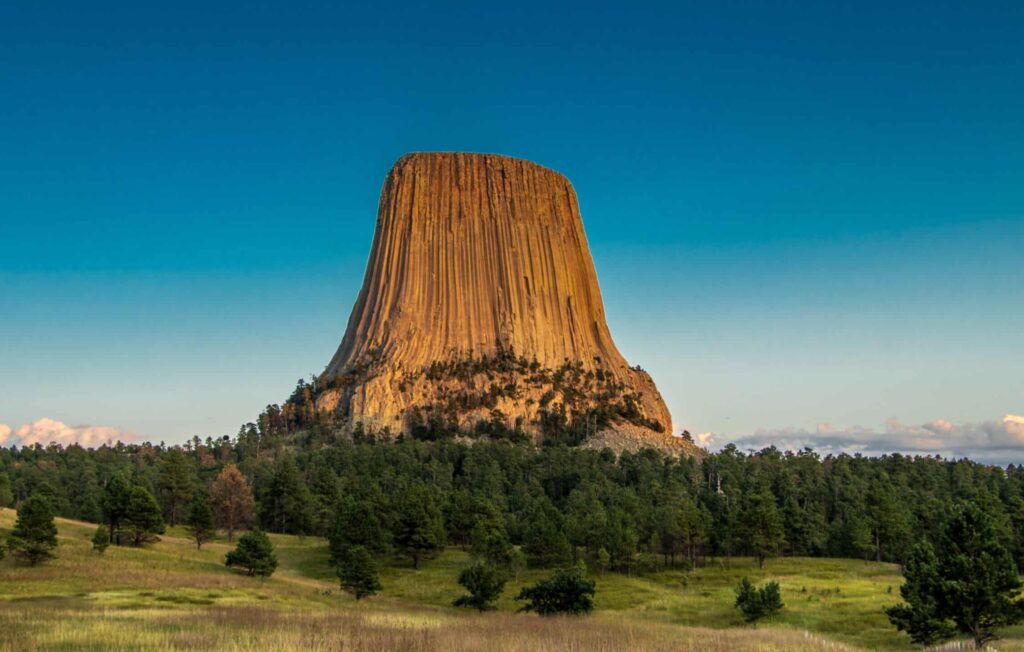
In Wyoming, checkerboarding impacts approximately 2.44 million acres. The 2025 10th Circuit ruling directly affects this region, mainly ranches near the Medicine Bow area, as over 400,000 corner-locked acres are now legally accessible to the public.
-
Legal Status: Wyoming is within the 10th Circuit, making the 2025 ruling applicable.
-
Checkerboarding Acreage: Wyoming has about 2.44 million acres of landlocked public land, with approximately 404,000 acres corner-locked.
-
Impact: Legalizing corner crossing has led to legal disputes, exemplified by landowner Fred Eshelman’s $7.75 million lawsuit, highlighting potential conflicts arising from increased public access.
 |
 |
Corner Crossing in Montana
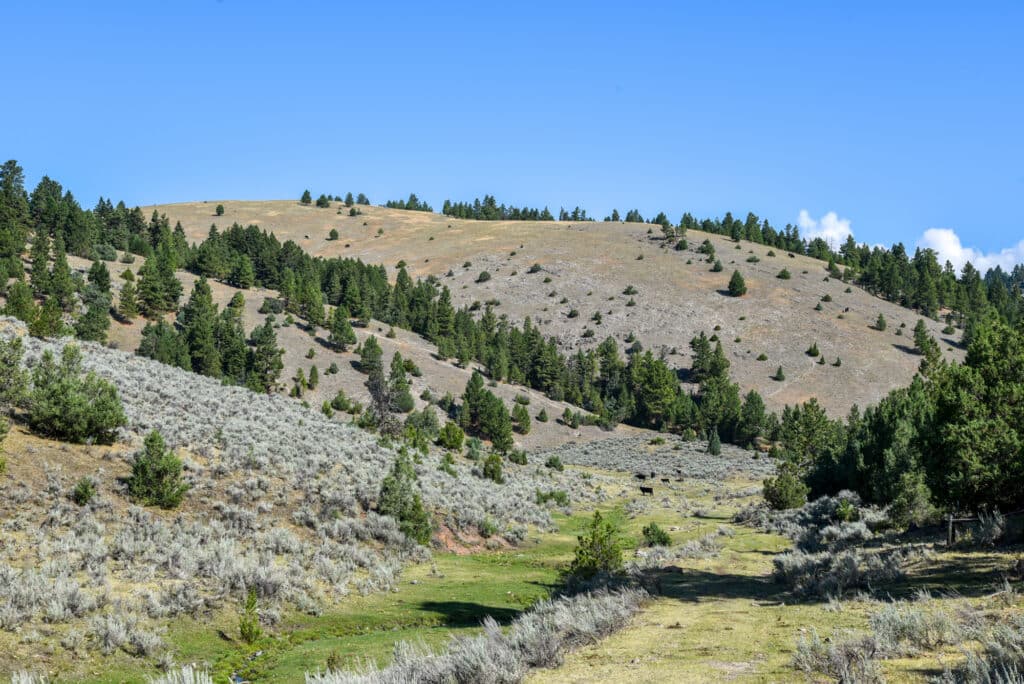
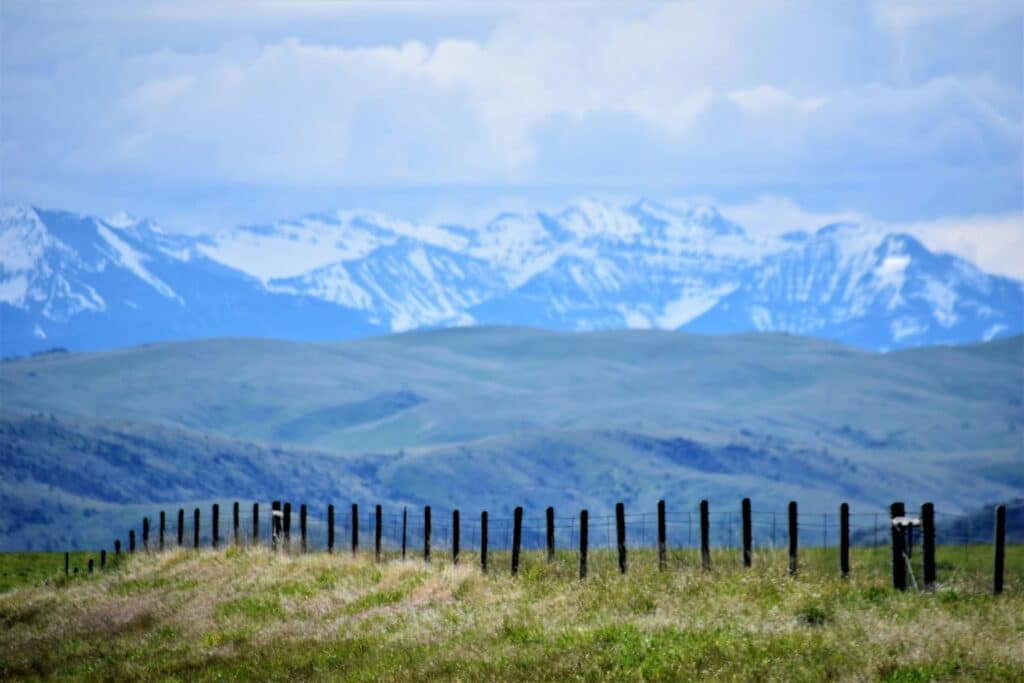
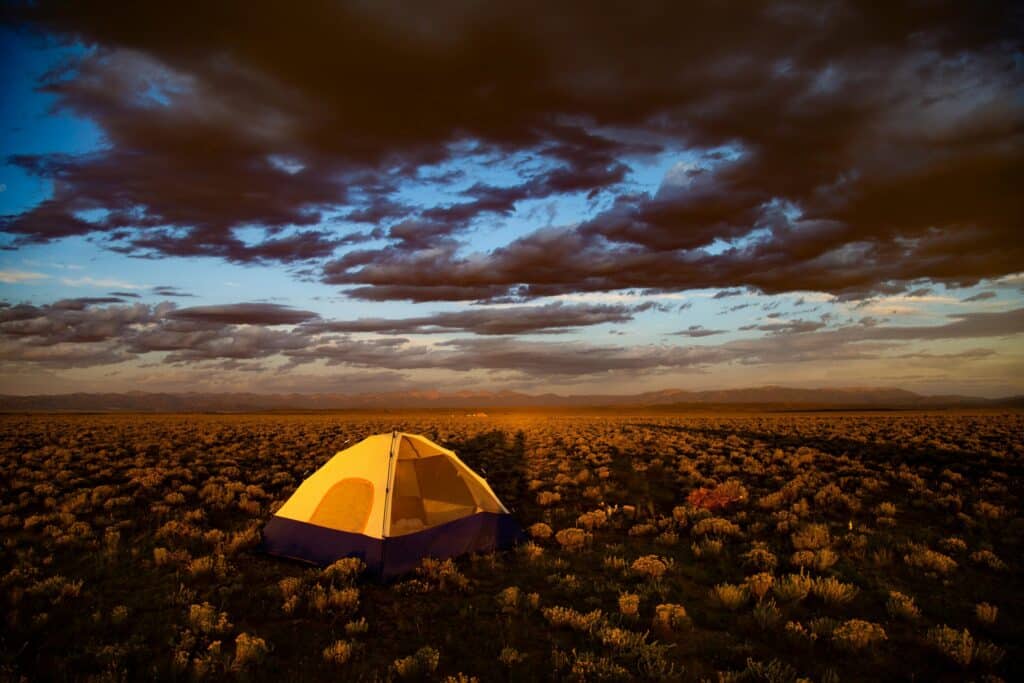
In Montana’s eastern plains, checkerboarding affects over 700,000 acres, increasing hunter and hiker traffic near ranches bordering Bureau of Land Management lands. This surge is influenced by the 2025 10th Circuit Court ruling on corner crossing, despite Montana being under the 9th Circuit’s jurisdiction, where the ruling isn’t binding but may inspire legal challenges and the current shifts in public behavior.
-
Legal Status: Montana is covered by the 9th Circuit; thus, the 2025 10th Circuit ruling isn’t binding but could influence future legal interpretations and public access behaviors.
-
Checkerboarding Acreage: According to the Theodore Roosevelt Conservation Partnership (TRCP), Montana has approximately 1.523 million acres of landlocked public land, with over 700,000 acres being corner-locked.
-
BLM Proximity: The BLM manages around 8 million acres in Montana, much of it in checkerboard patterns in the eastern regions.
 |
 |
Corner Crossing in Colorado
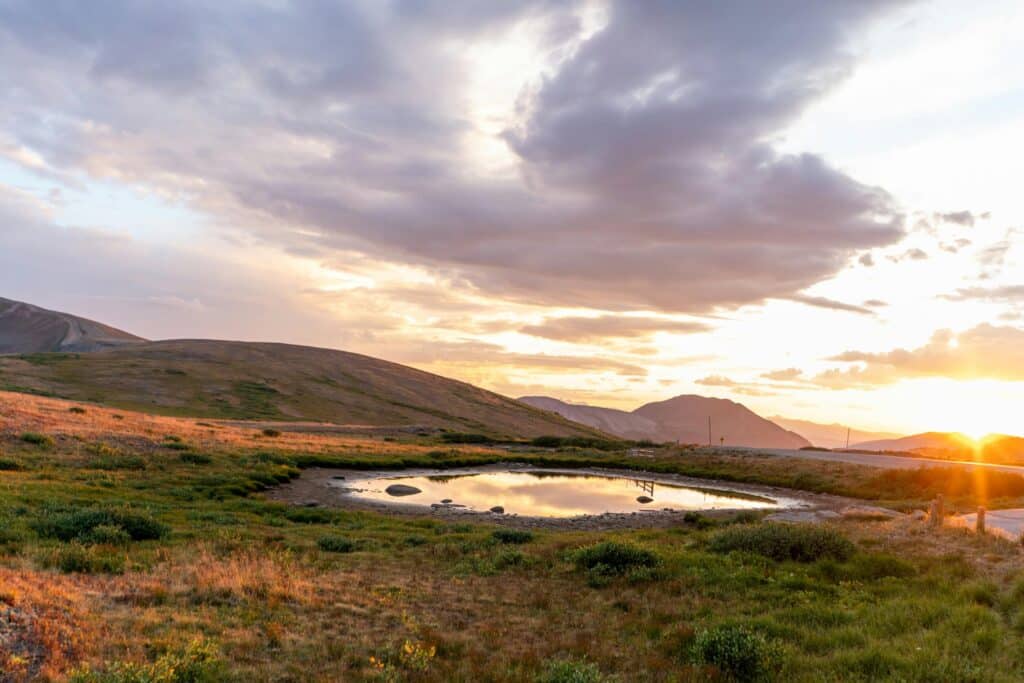
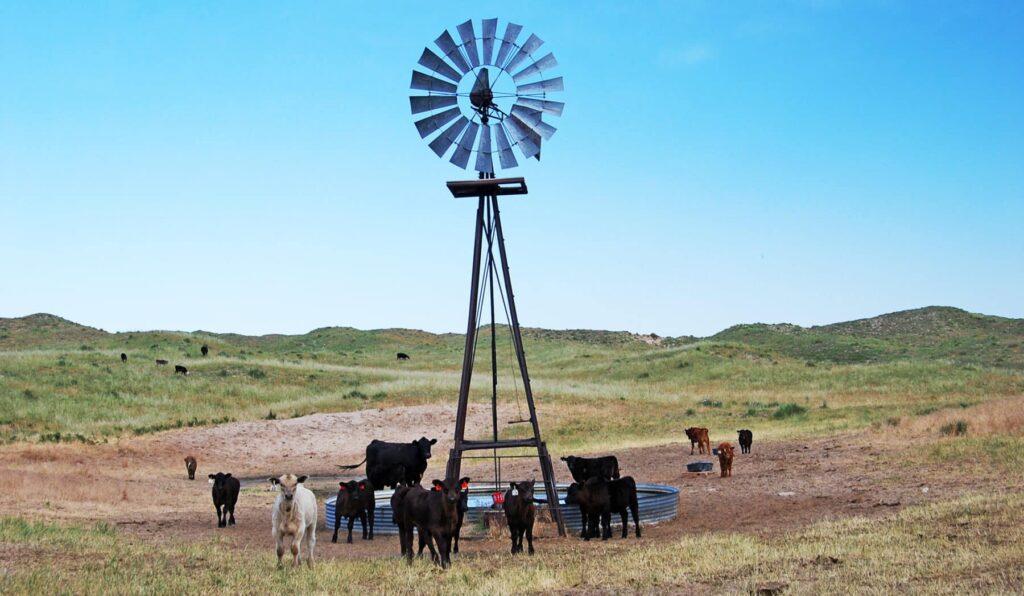
In Colorado, approximately 269,000 acres of checkerboarded public land abut BLM territories. After the 2025 ruling, ranches in areas like Steamboat Springs may experience reduced exclusivity due to increased public access.
-
Legal Status: Colorado falls under the 10th Circuit, so the ruling applies directly.
-
Checkerboarding Acreage: The TRCP reports 269,000 acres of landlocked public land in Colorado, including regions where recreation significantly influences property values.
 |
 |
Corner Crossing in Nebraska
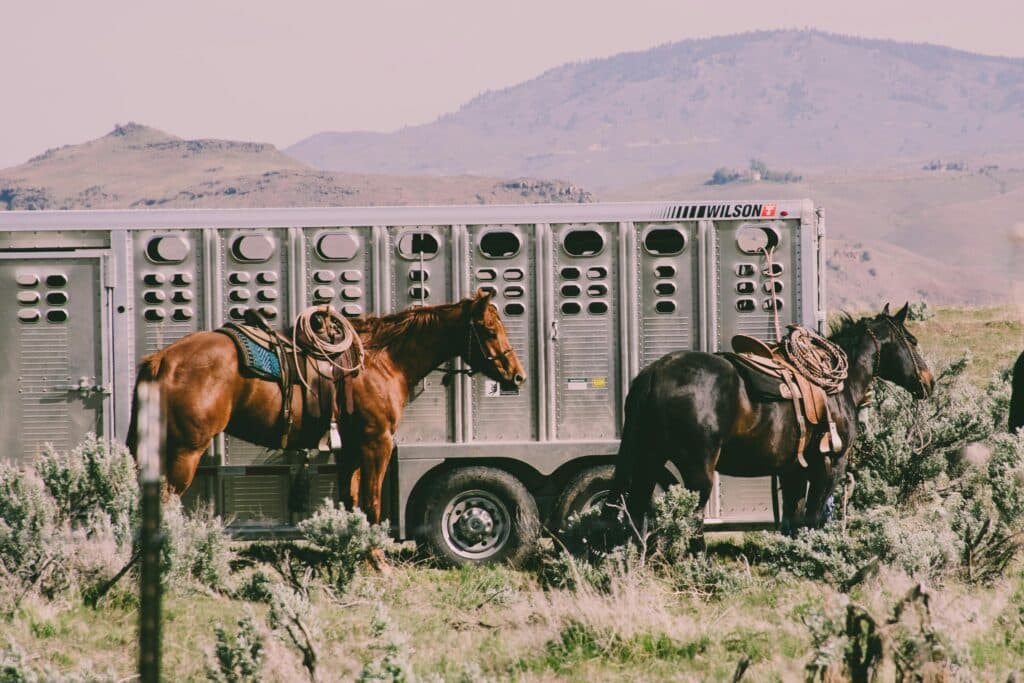
In Nebraska’s Sandhills, checkerboarding is less prevalent, primarily involving state trust lands, resulting in minimal impact from the 2025 ruling.
-
Legal Status: Nebraska is in the 8th Circuit; thus, the ruling isn’t binding but may influence public access discussions.
-
Checkerboarding: Federal checkerboarding is minimal, with the BLM managing only about 6,000 acres. However, state trust land patterns contribute to localized checkerboarding, especially in areas like Cherry County.
 |
 |
Management Challenges
-
Livestock and Privacy: Ranchers may need to adjust fencing or grazing plans to account for legal public access points, especially in checkerboarded areas. Increased hiker or hunter traffic could disrupt operations and increase hunting pressure.
-
Conservation Opportunities: Some ranchers leverage checkerboarding for conservation easements, partnering with public agencies to protect land while retaining ownership—a strategy that could gain traction post-ruling.
Buyer Considerations
-
Legal Clarity: The evolving legal landscape means due diligence is critical. Understanding easements, public land boundaries, and local attitudes toward access can make or break a purchase.
-
Recreational Appeal: Buyers seeking ranches for hunting or solitude might prioritize properties with minimal public adjacency.
 |
 |
 |
Looking Ahead
The checkerboarding saga is far from over. Legal experts predict more cases as public access advocates and private landowners test the boundaries of the 2025 ruling.
In the meantime, ranch real estate in the West is at a crossroads:
-
Sellers: Highlighting a property’s isolation or strategic access control can still attract buyers, even as public access expands.
-
Buyers: Properties with clear titles and minimal checkerboard adjacency may offer peace of mind, while those near public land could appeal to recreationists willing to embrace the new reality.
At Swanland Company, we’ve seen firsthand how land ownership patterns shape the market. Whether you’re buying or selling in Montana, Wyoming, or beyond, our team can guide you through the complexities.
Connect with our Team