
In Wyoming, water is a critical resource that supports agriculture, industry, and daily life. The state’s approach to water rights is rooted in its arid climate and historical development, emphasizing the doctrine of prior appropriation and the necessity of beneficial use. Understanding Wyoming’s water rights system is essential for landowners, prospective buyers, and anyone involved in water resource management.
Legal Framework
All water in Wyoming is declared the property of the state, as established by Article 8 of the Wyoming Constitution. Individuals or entities can acquire rights to use water through a permitting process managed by the Wyoming State Engineer’s Office (SEO). The foundational principle governing water rights in Wyoming is the doctrine of prior appropriation, meaning “first in time, first in right.” This system grants priority to the earliest users of water resources, ensuring that senior rights are honored during times of scarcity.
Key Concepts
Beneficial Use
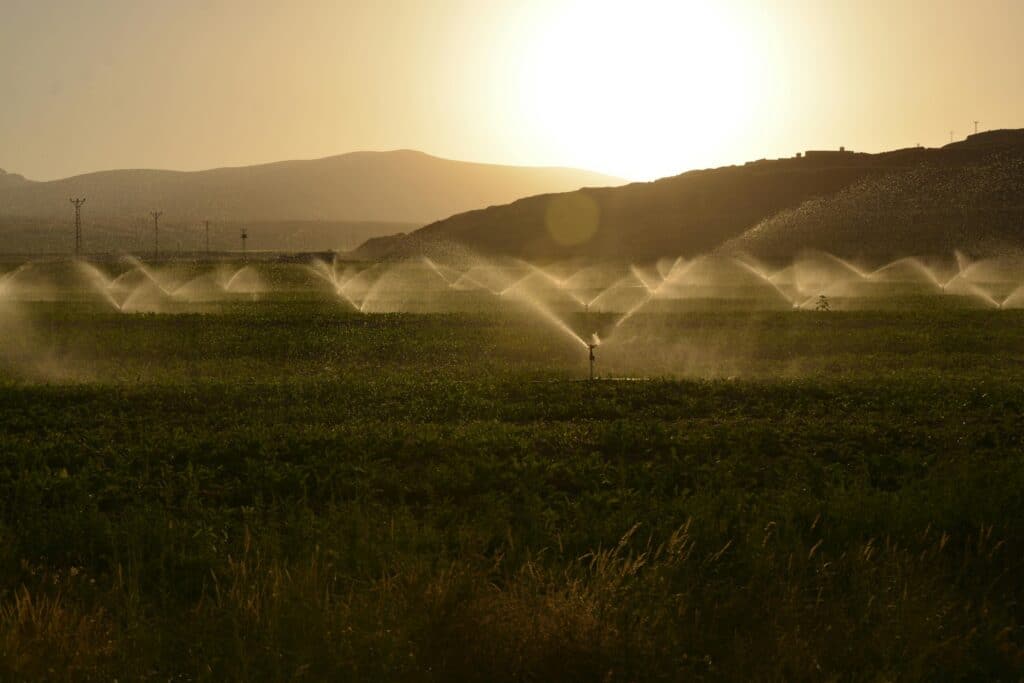
In Wyoming, the foundation of all water rights lies in beneficial use—a requirement that water be applied to an approved purpose such as:
-
Irrigation
-
Livestock watering
-
Domestic consumption
-
Municipal supply
-
Industrial processes
Under Wyoming Statute § 41-3-401, a water right may be subject to abandonment if it is not used beneficially for a continuous five-year period. However, abandonment is not automatic; it is a formal legal process. The State Engineer’s Office or any interested party may initiate proceedings, but the right holder is given the opportunity to defend the nonuse often citing reasons such as drought, economic hardship, or operational shifts.
Prior Appropriation Doctrine
Wyoming was the first U.S. state to constitutionally codify the prior appropriation doctrine. This principle of “First in time, first in right” means that the earliest lawful user of water holds seniority in times of shortage. Senior rights holders are protected and may use their full allocation before junior rights are fulfilled. This system ensures a stable framework for agricultural and industrial planning.
Transferability of Water Rights
In Wyoming, water rights are considered real property rights. This classification means they can be sold, leased, or transferred much like other forms of property. However, any proposed changes to a water right such as altering the point of diversion, place of use, or type of use must receive prior approval from the State Engineer’s Office and the State Board of Control (SBOC).
To initiate a change, the water right holder must file a petition detailing the existing use and the proposed modification. This petition should include all pertinent information about the current and intended use or location. The SEO reviews the application, and if deemed complete, it is forwarded to the SBOC for consideration.
The SBOC evaluates whether the proposed change would injure other existing water rights or negatively impact the public interest. This assessment ensures that the modification does not harm other appropriators or the environment. The process includes public notice and allows for objections or hearings, preserving fairness and transparency in reallocation or modifications.
It’s important to note that while water rights can be transferred, the quantity of water historically used, the rate of diversion, and the historic consumptive use cannot be increased. Additionally, the change must not decrease the historic amount of return flow. These limitations are in place to prevent any adverse effects on other water users.
Once the SBOC approves the change, the modification is recorded with the appropriate county clerk’s office, and the water right is updated to reflect the new terms. This process ensures that all changes are legally documented and enforceable.
Adjudication Process
Adjudication in Wyoming is the process by which water rights are formally recognized and made part of the public record. The steps are as follows:
-
Permit Issuance: A user applies for and receives a permit to appropriate water from the SEO, outlining the intended use, volume, source, and diversion structure.
-
Putting Water to Beneficial Use: The water must be physically diverted and used for the stated beneficial purpose within the timeframe specified on the permit.
- Proof of Appropriation: After completion of development and use, the water user must file proof of beneficial use, including maps and affidavits.
-
Putting Water to Beneficial Use: The water must be physically diverted and used for the stated beneficial purpose within the timeframe specified on the permit.
- Inspection and Recommendation: The SEO field inspector reviews the system, usage, and data, and forwards findings to the State Board of Control.
-
Certificate of Appropriation: If all requirements are met, the SBOC issues a certificate of appropriation. This document finalizes and perfects the water right, granting it legal protection and priority.
Considerations for Buyers
For prospective landowners and buyers, it’s crucial to:
-
Verify Water Rights: Ensure that the property has existing water rights and that they are properly documented and adjudicated.
-
Understand Usage History: Review the historical use of water on the property to ensure compliance with beneficial use requirements.
-
Assess Seasonal Availability: Consider the seasonal variability of water sources and how it may impact water availability.
-
Evaluate Potential Limitations: Investigate any upstream claims or legal restrictions that may affect water use.
-
Seek Professional Guidance: Consult the SEO or a water rights attorney to verify the priority date, adjudication status, and conditions associated with the rights.
LEARN ABOUT WATER RIGHTS IN OTHER WESTERN STATES
Resources
For more detailed information and assistance, refer to the following resources:
CONTACT A SWAN LAND COMPANY AGENT