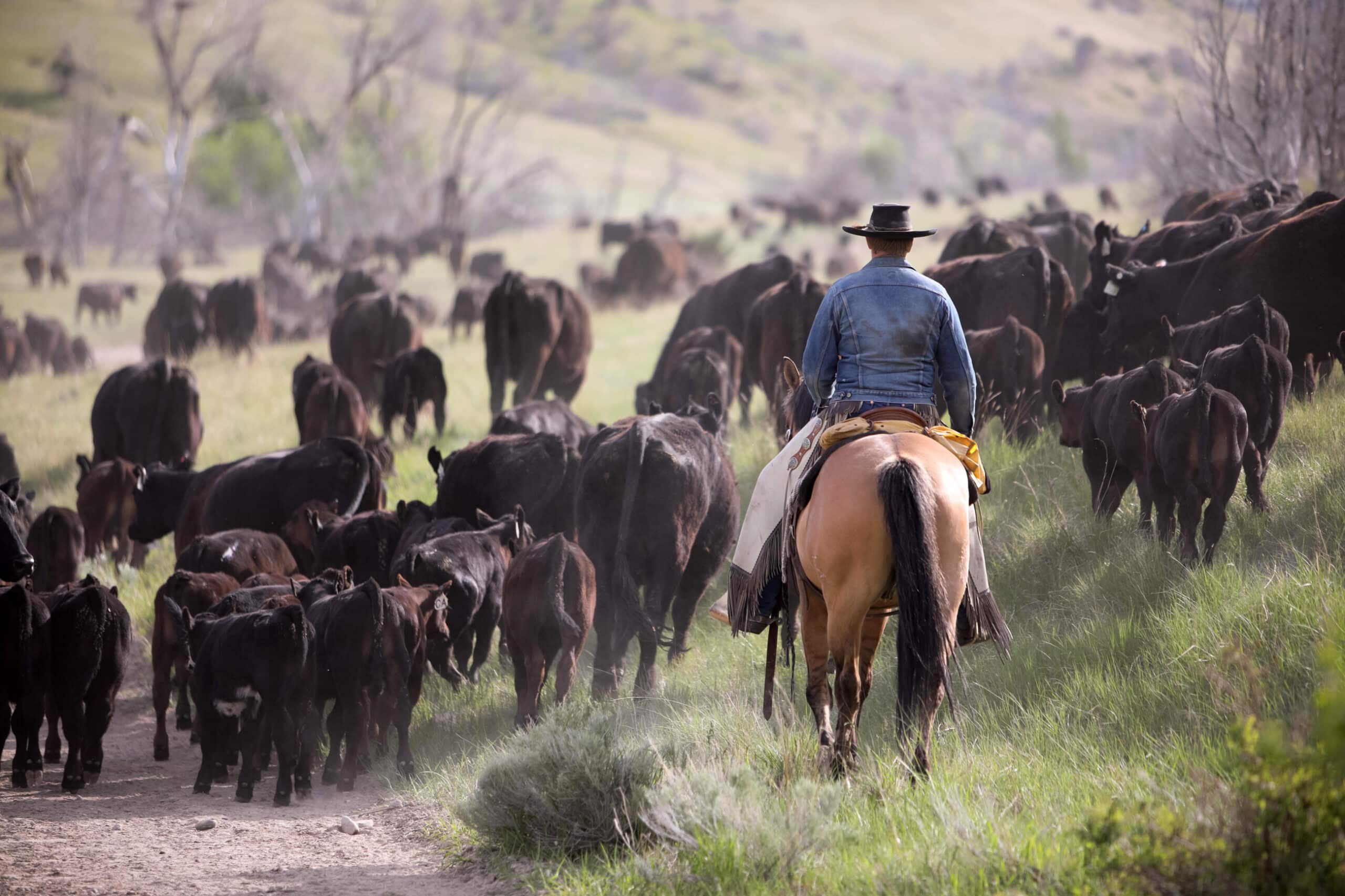
In the dawn light of a Texas morning in the 1870s, a trail boss would raise his voice above the lowing of cattle: “Head ’em up! Move ’em out!” With these words, another epic cattle drive would begin—a journey that might stretch over a thousand miles of open prairie, through raging rivers and across scorching plains. These massive livestock movements did not just transport cattle; they helped forge the American West.
Cattle Drives: The Epic Journey that Shaped the American West
The Birth of an Era
The story of cattle drives begins in the aftermath of the Civil War. While Texas ranchers had thousands of longhorn cattle grazing their lands, the real money lay in the growing cities of the North and East. With beef prices ten times higher in these urban markets than in Texas, an opportunity beckoned. Expanding railroads into Kansas created the crucial link between supply and demand, launching the golden age of cattle drives.
The timing was perfect. The western territories offered vast expanses of open range where cattle could graze freely, and a generation of young men, many fresh from the Civil War, were eager for work and adventure. This confluence of factors emerged as one of the most remarkable chapters in American history.
The Great Cattle Trails
Like mighty rivers of commerce, several major cattle trails flowed north from Texas. The Chisholm Trail stood supreme among them all. Starting near San Antonio, it stretched through Oklahoma to the railheads of Kansas. Between 1867 and 1884, more than five million cattle and mustangs traveled this dusty path to Abilene, Ellsworth, and Dodge City.
The Goodnight-Loving Trail, blazed by Charles Goodnight and Oliver Loving, curved west through New Mexico before turning north to Colorado and Wyoming. This route helped open new markets but demanded exceptional fortitude, crossing deserts where water holes might be days apart.
The Western Trail, which replaced the Chisholm Trail with barbed wire, began to slice up the prairie and carried over seven million cattle north between 1874 and 1886.
Life on the Trail
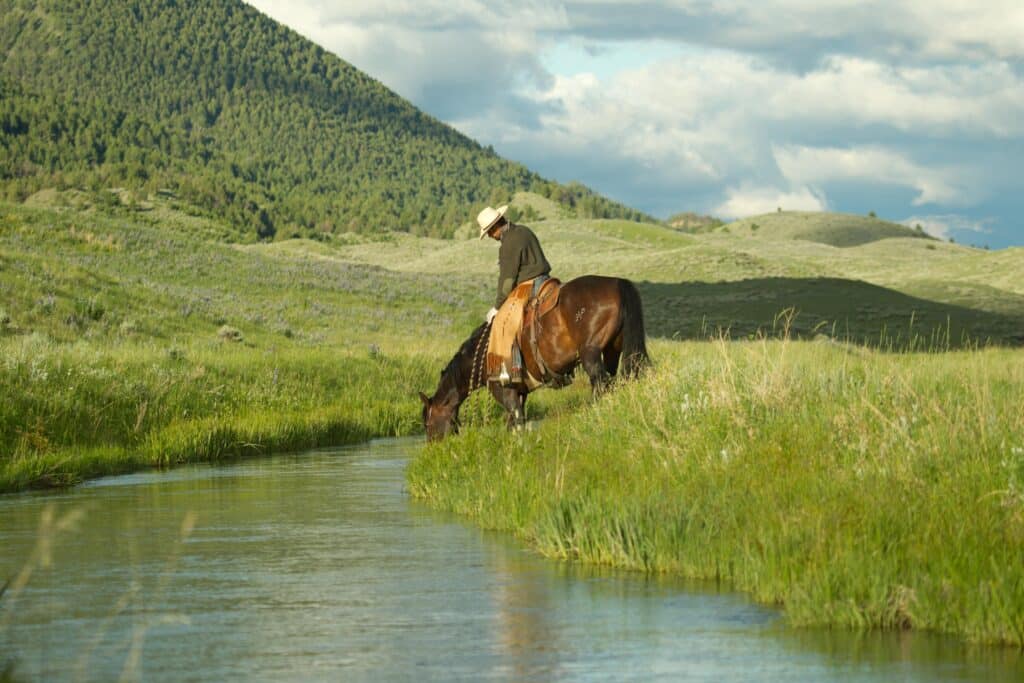
A typical cattle drive was anything but romantic. Ten to twelve cowboys might manage 2,500 head of cattle, working from dawn to dusk and beyond. The crew formed a careful hierarchy, with each member playing a vital role in the drive’s success. At the top stood the trail boss, serving as captain of this prairie ship, making life-or-death decisions about routes and river crossings. Point riders led, guiding the herd’s direction through unfamiliar territory. Behind them, swing riders kept the herd’s flanks in line, while drag riders ate dust at the back, urging stragglers forward. The horse wrangler managed the remuda of spare horses, which was crucial for keeping the cowboys’ mobile. Most important was the chuck wagon cook, often the best-paid member of the outfit, who not only kept the crew fed but served as unofficial doctor, dentist, and banker.
Daily life followed a relentless rhythm. Cowboys worked two-hour night guard shifts, singing to the cattle to keep them calm and watching for anything that might trigger a stampede. During the day, they faced the constant challenges of river crossings, storms, and the search for grass and water.
Common Foods on Cattle Drives
Early cattle drive food was straightforward: cowboys initially brought their basic provisions (salt, coffee, and cornbread or hard biscuits) and hunted along the trail. When chuck wagons became standard, meals expanded to include beans (nicknamed “whistle berries”), rice, dried meat, potatoes, onions, flour, lard, and canned goods. Biscuits and beans formed the staple diet, with sourdough being crucial to many meals. Cowboys valued their coffee extraordinarily, preferring it strong and black. When the cook was in good spirits, he might prepare special treats like peach cobbler, fruit pie, or “spotted pup” (rice pudding with raisins) in a Dutch oven. This hearty, practical cuisine sustained cowboys through the grueling work of moving cattle across hundreds of miles of challenging terrain.
Challenges of the Trail
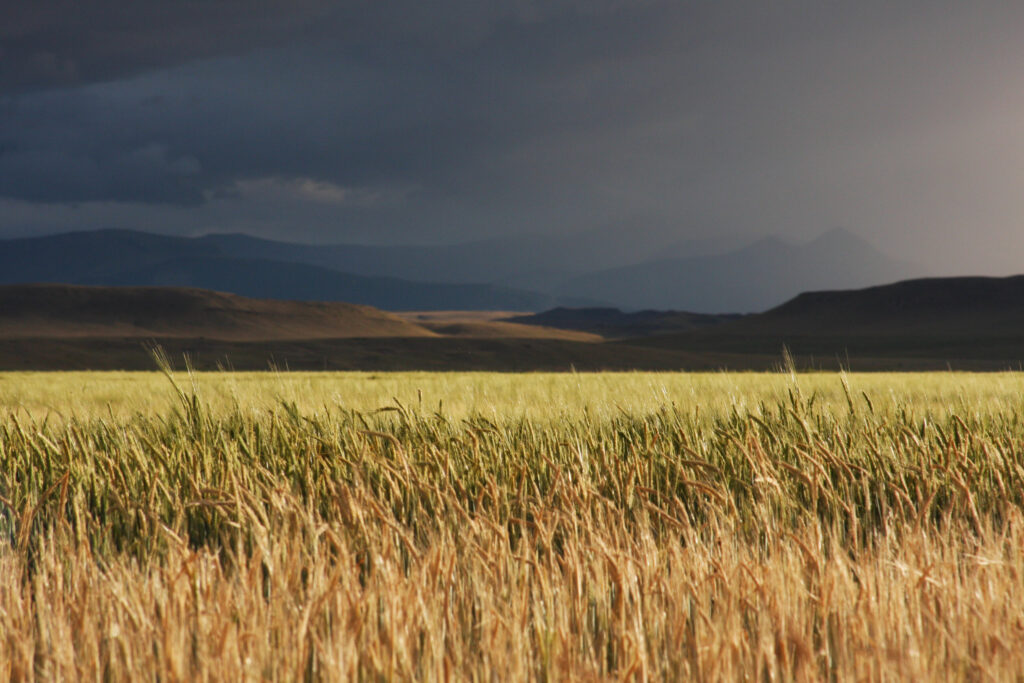
Nature posed the most significant threats. Lightning could spook a herd into a stampede, turning thousands of cattle into a living avalanche. Rivers in flood could sweep away both cattle and cowboys. Drought could force long detours seeking water, and prairie fires could send herds and handlers fleeing.
But humans created challenges, too. Native American tribes sometimes demanded payment for crossing their territories. Farmers increasingly opposed cattle moving across their land, leading to fence-cutting wars. Rustlers watched for opportunities to pick off strays or raid herds at night.
The End of an Era
By the 1890s, the great cattle drives were ending. The spread of railroads made long drives unnecessary. Barbed wire closed off the open range. Farmers homesteaded the prairie, blocking the old trails. The romantic era of the long drive led to more efficient but less colorful moving cattle to market.
Legacy
Though the cattle drives lasted only a few decades, they left an indelible mark on American culture. They gave us the figure of the cowboy—that uniquely American hero who represented independence, courage, and the ability to face nature on its own terms. Cowboys influenced everything from American cuisine to fashion, and their impact echoes through our literature, movies, and music.
More importantly, cattle drives helped create the modern American beef industry. They demonstrated the possibility of moving large numbers of cattle over long distances, established Worth and Chicago as major meatpacking centers, and helped make beef a staple of the American diet.
The routes of the great cattle trails are mostly silent now, marked by historical plaques and crisscrossed by highways. But they remind us of a time when the American West was still wild, when a cowboy’s skill and courage could build a future, and when millions of hooves traced paths that would become legendary. Their story remains a testament to American ingenuity, perseverance, and the enduring allure of the frontier spirit.
Conclusion
Post-Civil War economics sparked Texas-to-Kansas cattle drives as ranchers sought northern markets offering tenfold beef prices. Along legendary trails like the Chisholm, cowboys faced grueling conditions and constant dangers moving massive herds across the frontier. Though railroads and barbed wire ended this brief era by the 1890s, these drives established America’s beef industry and created the enduring cowboy icon that symbolizes frontier independence in American culture.
The West Texas Trails Museum is located in Moorcroft, Wyoming, just 15 minutes from 33 Pine Cone Lane.
Own a piece of the trail and walk the same land as legendary cattle drives. Your piece of American history awaits—Contact us today!