
Ranches are not houses. Selling one requires a rare convergence of legal knowledge, ecological fluency, and market intuition that only a true specialist can offer.
The American ranch is one of the most complex assets a person can own — and therefore one of the most difficult to sell. Sprawling across hundreds or thousands of acres, a working ranch is simultaneously a business, an ecosystem, a water system, a wildlife habitat, and a way of life. Pricing it correctly, marketing it to the right audience, and navigating the legal and regulatory landscape requires knowledge that goes far beyond what a conventional residential real estate agent can offer. This is precisely why experienced land brokers are not merely convenient; they are essential.
The Complexity Behind Every Acre
At first glance, selling land may seem simpler than selling a home since there are no kitchens to stage or bathrooms to renovate. In reality, the opposite is true. A ranch transaction often involves a dense web of overlapping considerations that a generalist agent is not trained to untangle.
Water Rights: The Most Critical Asset
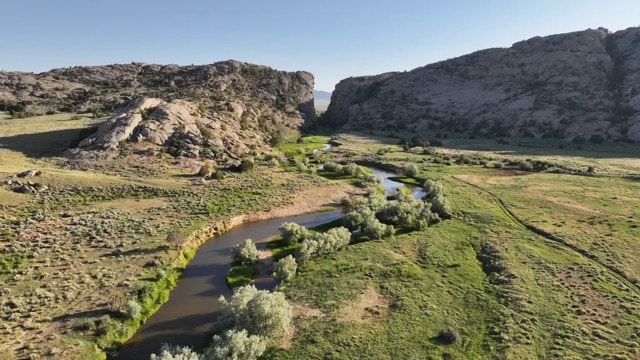
In the American West, water rights can be worth more than the land itself. A ranch may hold senior appropriation rights to a river or stream, operate under complex irrigation agreements, or maintain adjudicated well permits with strict usage limits. An inexperienced agent may fail to identify, disclose, or properly value these rights — leaving money on the table or exposing the seller to liability. A skilled land broker knows how to obtain a water rights summary, interpret priority dates, and communicate these rights clearly to prospective buyers as a value driver rather than a legal footnote.
Grazing Leases and Agricultural Income
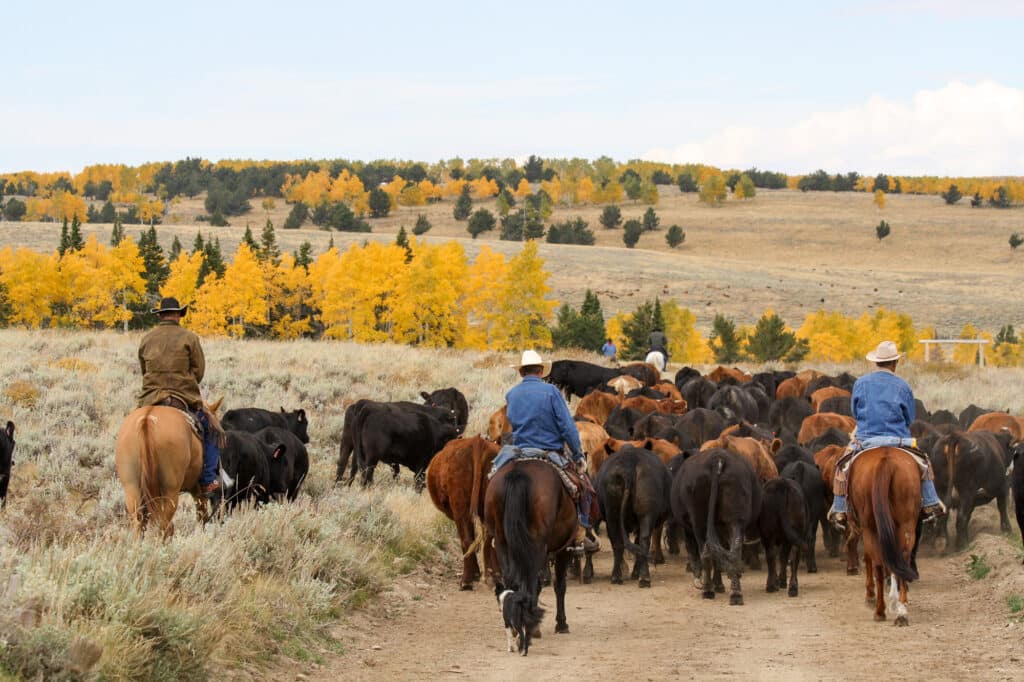
Many ranches carry active grazing leases, BLM or Forest Service allotments, or hay production operations that generate real income. These arrangements affect both the property’s valuation, using an income capitalization approach, and its marketability. Land brokers understand how to present these revenue streams in financial terms that resonate with investor buyers, while also conveying their operational significance to ranching families looking for a working operation.
Mineral and Subsurface Rights
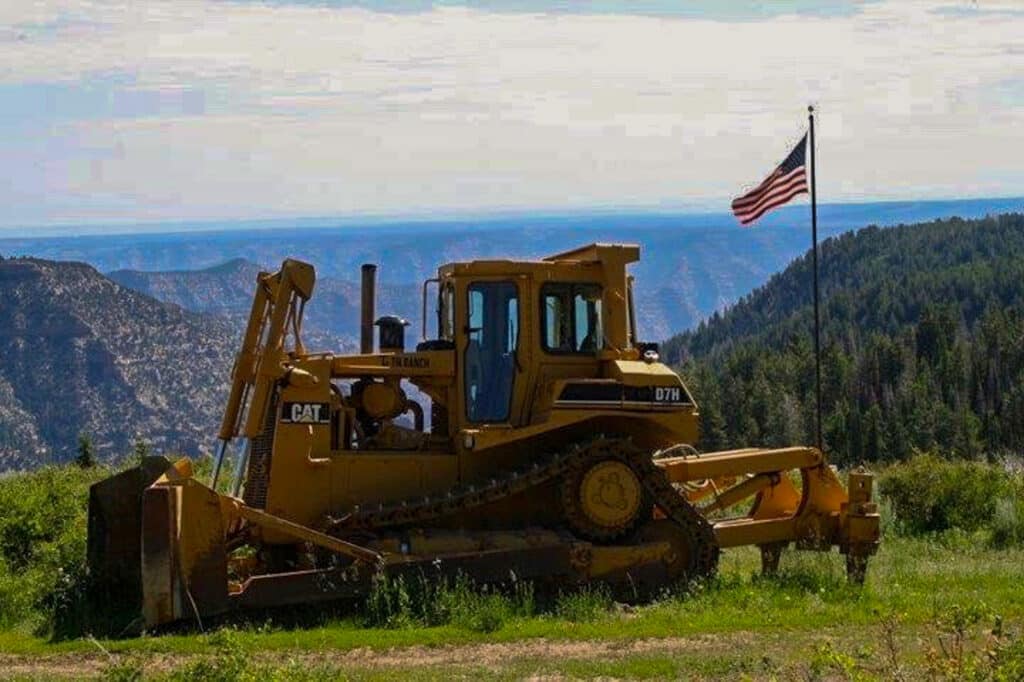
Does the seller own the mineral rights? Are they severed from the surface estate? Are there existing oil, gas, or mineral leases encumbering the property? These questions can fundamentally change a ranch’s value. An experienced land broker will conduct a preliminary title review, identify any severed mineral estates, and work with a title company to communicate what exactly is, and is not, being conveyed at closing.
Wildlife, Conservation, and the Ecological Story
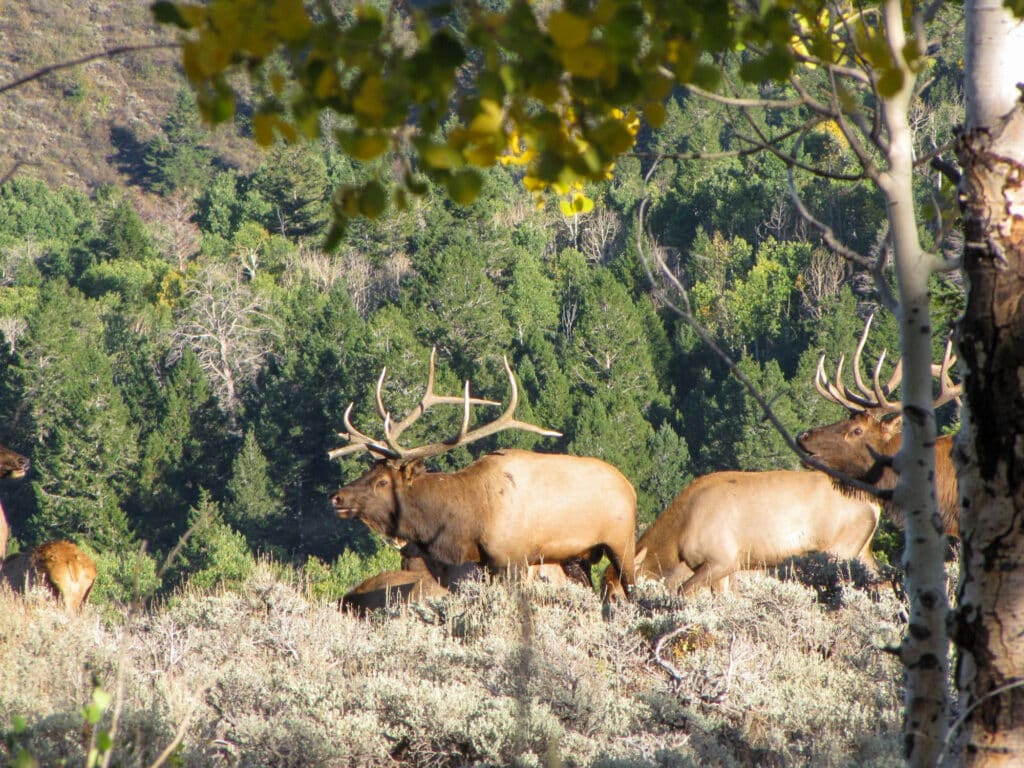
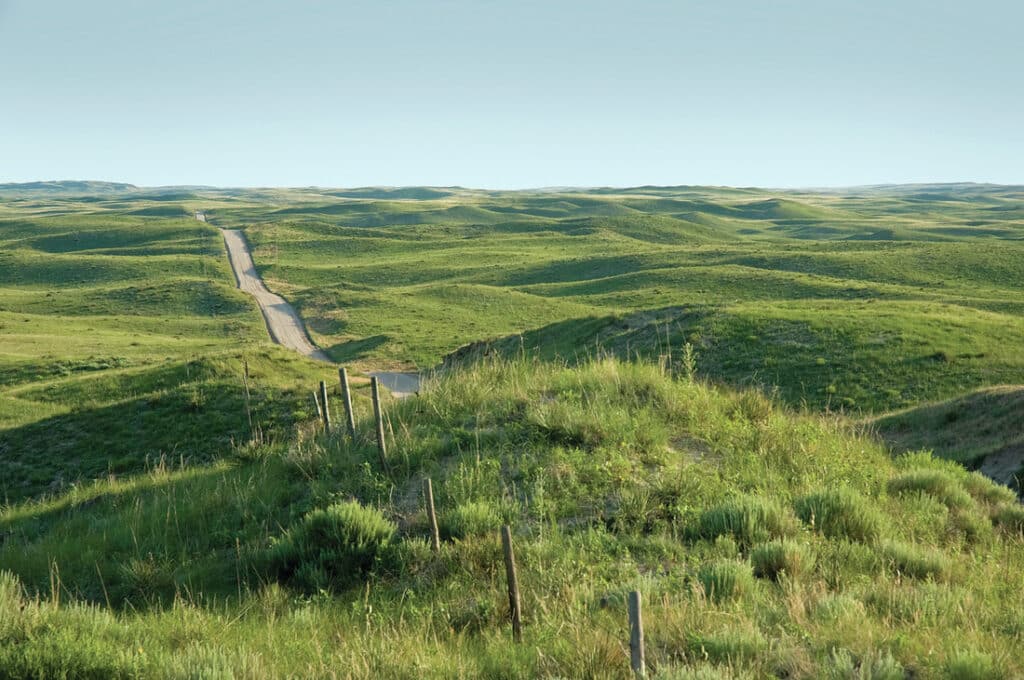
Today’s ranch buyer is increasingly sophisticated. Many are not only looking for agricultural productivity. Ranch buyers consistently seek elk habitat, native grasslands, riparian corridors, and trophy-hunting potential. A ranch that a general agent might describe simply as “rolling pasture” might, in the hands of a land broker, be presented as a premier mule deer migration corridor with documented trophy-class genetics.
Conservation Easements
If a ranch carries a conservation easement, the broker must be able to explain exactly what activities are permitted and restricted, the tax implications for the buyer, and how the easement was structured. Handled poorly, an easement can kill a sale. Handled well, a broker who frames it as a permanent protection of the land’s character and a tax vehicle for a high-net-worth buyer can be a selling point.
Wildlife as a Valuation Factor
In states such as Montana, Idaho, Wyoming, and Utah, hunting access rights and wildlife populations are quantifiable components of value. Land brokers with local ecological knowledge can speak to herd counts, migration patterns, and access to state or federal hunting units, language that connects directly with a buyer’s priorities and justifies premium pricing.

What a Land Broker Evaluates
-Senior water rights & irrigation infrastructure
-BLM & Forest Service grazing allotments
-Mineral estate ownership & lease status
-Conservation easement terms & tax benefits
-Wildlife habitat quality & hunting unit access
-Soil classifications & carrying capacity
-Timber rights & forest management plans
-Fencing, corrals & working infrastructure
-Property tax designations (ag-exempt status)
-Access easements & road maintenance agreements
-Flood plain & wetland delineations
-Historic well logs & aquifer data
Marketing to the Right Buyers
Ranch property does not sell to the same buyer pool as suburban homes. The market is national and often international. For example, a Texas family seeking a Colorado hunting retreat, a California investor building a land portfolio, a conservation fund acquiring riparian habitat, and a corporate executive seeking a legacy property: these buyers require completely different marketing messages, financial frameworks, and communication styles.
Land brokers maintain active networks within this buyer universe. They know which buyers are actively searching, which investment groups are acquiring agricultural land, and which conservation organizations are expanding their footprints in a given region. They list properties on specialized platforms that general agents do not access.
Professional Presentation at Scale
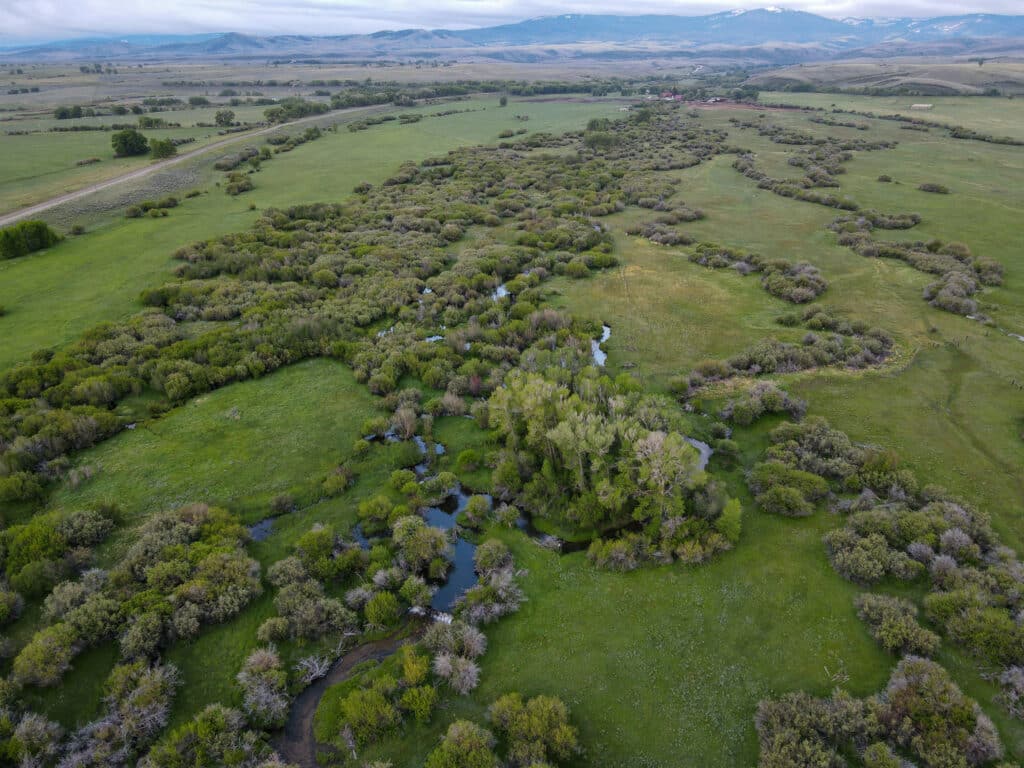
The marketing materials for a ranch must match its scale. Aerial photography and video drone footage capturing the full sweep of the property, topographic maps, water resource maps, wildlife survey summaries, and financial pro formas showing agricultural income. These are the tools of the trade. A land broker coordinates all of this as a matter of course. A generalist agent typically does not.
General Residential Agent
-Prices by comparable home sales
-Lists on residential MLS mainly
-Often unfamiliar with water rights law
-Difficultly in evaluating the correct agricultural income
-Limited access to land-buyer networks
-Limited understanding of easements
-May misprice or misrepresent acreage
Land Broker or Agent
-Uses income, cost & comparable land methods
-Lists on national land-specific platforms
-Deeply versed in water rights by the state
-Structures agricultural income as a selling point
-Maintains active ranch-buyer relationships
-Frames conservation easements as value
-Accurately represents all resource assets
Negotiation, Due Diligence & Closing
Ranch transactions are long and layered. Due diligence periods often span many weeks or months, encompassing title searches, water rights verification, environmental surveys, fence-line inspections, and livestock inventory reconciliation. A land broker manages this process as a project, coordinating between attorneys, surveyors, title officers, lenders, and both parties to keep the transaction moving and to catch problems before they become deal-killers.
The negotiation itself also requires specialist knowledge. Should the seller retain the mineral rights? How should the cattle and equipment be valued and separated from the real estate transaction? What are the tax implications of structuring the sale as a 1031 exchange? These are not hypothetical edge cases — they are standard features of a ranch sale, and having a broker who navigates them fluently protects the seller’s financial outcome at every turn.
The difference between a land broker and a general agent is not merely experience. It is an entirely different professional vocabulary, one built over years of work at the intersection of agriculture, ecology, and Western property law.
The Bottom Line: Specialized Knowledge Protects Value
Sellers who list ranch property with general agents frequently leave value unrealized — not through any bad faith, but simply because the agent lacks the vocabulary, the network, and the technical knowledge to position the property correctly. Water rights go undisclosed or undervalued. Conservation easements are presented as limitations rather than selling points. Wildlife habitat goes unmentioned because the agent doesn’t know it matters. Agricultural income is not represented because the agent doesn’t know how to model it.
A specialist land broker brings all of this into focus, translating the full complexity of a ranch into a compelling, accurate, and financially rigorous story that reaches the right buyers at the right price. For a property measured in hundreds of acres and often worth millions of dollars, this expertise is not a luxury. It is the most important hiring decision a ranch seller can make.