
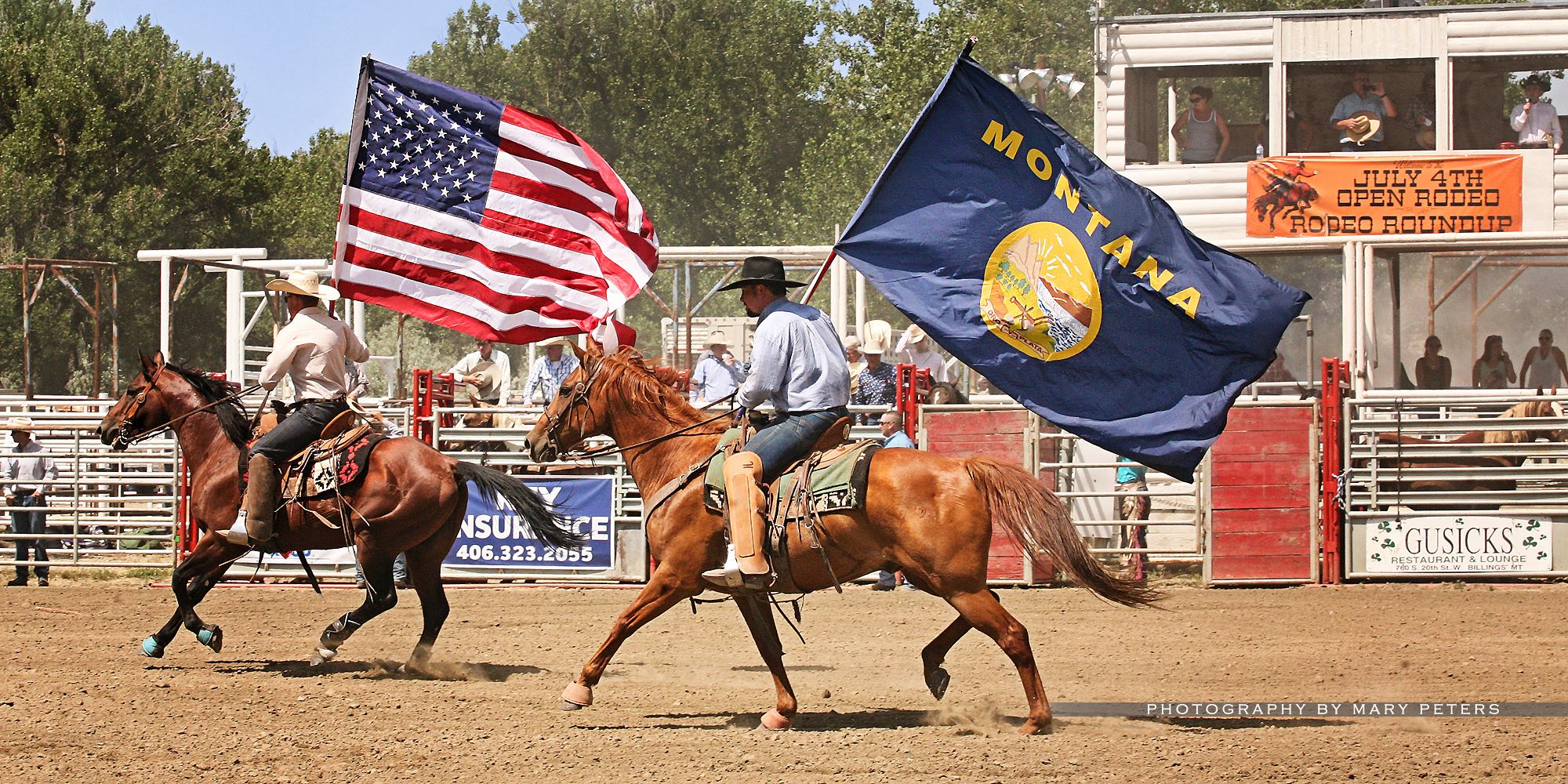
Western rodeos represent a vibrant cultural institution in America, blending entertainment, tradition, and community engagement. With deep roots in the practical skills of cattle ranching, these events have evolved from working necessities into celebrated spectacles that preserve a distinctive way of life while serving multiple purposes in communities nationwide.
Within this tradition, college rodeo has emerged as a unique fusion of athletic competition, educational advancement, and cultural preservation. Through organizations like the National Intercollegiate Rodeo Association (NIRA), students can pursue academic excellence while participating in competitive rodeo events that honor Western heritage and develop valuable skills that extend far beyond the arena.
Western Rodeos
|
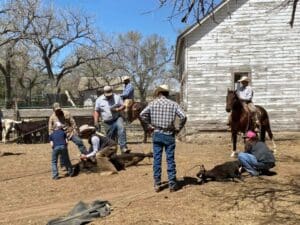
Western rodeos serve as vibrant cultural institutions that weave together entertainment, tradition, and community engagement across America. These events have deep roots in the practical skills developed by cattle ranchers and cowboys of the American West, evolving from working necessities into celebrated spectacles that preserve a distinctive way of life.
Cultural Heritage
At their heart, rodeos celebrate the rich heritage of American Western culture. They showcase the talents and techniques once essential for daily ranch work, transforming practical abilities like roping, riding, and cattle handling into competitive displays of skill and courage. The traditional clothing, music, and customs featured at these events help maintain connections to America’s frontier past while allowing these traditions to evolve with contemporary sensibilities.
Entertainment
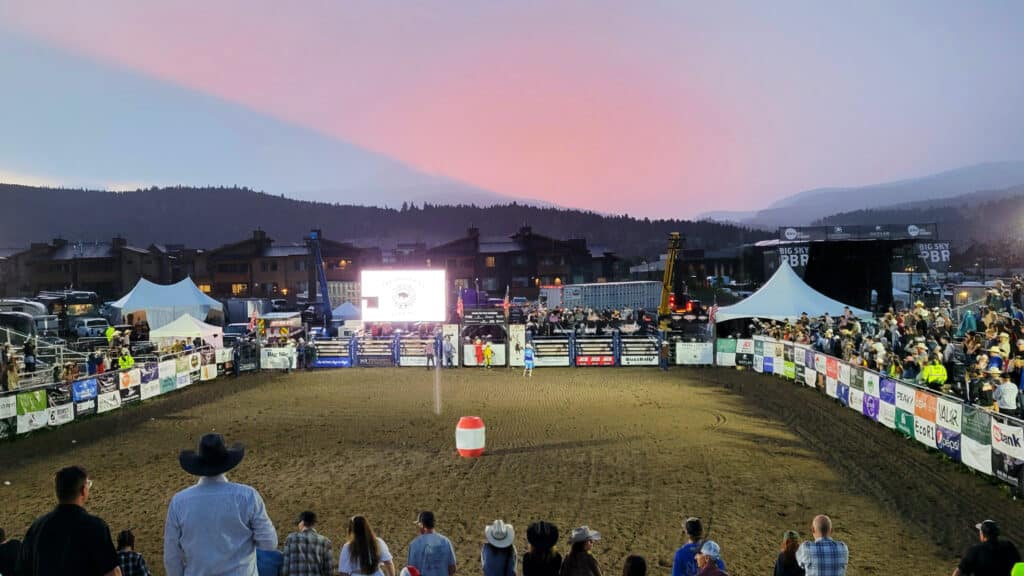
The entertainment value of rodeos cannot be overstated. Events such as bull riding, where competitors attempt to stay mounted on a bucking bull for eight seconds, create breathtaking suspense. Similarly, bareback, saddle bronc riding, steer wrestling, and barrel racing offer spectators thrilling demonstrations of human and animal athleticism working in skilled partnership. These performances draw crowds from near and far, creating memorable experiences for audiences of all ages. (Bozeman Stampede Rodeo)
Community and Social Gatherings
Rodeos frequently function as crucial social gathering spaces, particularly in rural communities. They provide opportunities for people to connect, share experiences, and strengthen community bonds. (Livingston Round-Up Rodeo) These events often feature additional activities beyond the competitive arena, including dances, barbecues, parades, and musical performances that enhance their role as social anchors.
Sport and Competition
The competitive aspect of rodeos adds another dimension to their purpose. Participants train rigorously to develop their skills, competing for points, prizes, and professional recognition. Like athletes in more mainstream sports, the Professional Rodeo Cowboys Association and other organizations maintain structured competitive circuits where contestants can build careers and reputations.
Economic Impact
From an economic perspective, rodeos generate significant benefits for their host communities. They attract visitors who patronize local businesses, stay in area accommodations, and contribute to the regional economy. Significant rodeo events can create temporary employment opportunities and provide venues for vendors and artisans to sell their wares, creating economic ripples throughout the community.
Education and Awareness
Many rodeos incorporate educational components about livestock management, animal husbandry, and Western traditions. These educational efforts help maintain knowledge about agricultural practices and lifestyles, bridging understanding between urban and rural populations about food production and land stewardship.
Fundraising and Charity
Charitable work is also prominent in the rodeo world. Numerous events are explicitly organized to fund community initiatives, youth programs, medical research, and other worthy causes. These philanthropic efforts extend the impact of rodeos beyond entertainment and competition into meaningful community support.
College Rodeo in the Western U.S.

College rodeo is a compelling fusion of athletic competition, educational advancement, and cultural preservation, occupying a unique position in the collegiate sports landscape. This distinctive tradition weaves together the practical skills of Western ranching heritage with modern collegiate athletics, creating opportunities for students to pursue academic excellence and competitive rodeo achievement.
National Intercollegiate Rodeo Association
The National Intercollegiate Rodeo Association (NIRA) is the cornerstone governing collegiate rodeo across the United States. Established in 1949, the NIRA has expanded to encompass hundreds of member institutions ranging from community colleges to major universities. The association divides the country into eleven competitive regions, with the Western states forming the heartland of collegiate rodeo participation. Each region hosts multiple rodeos throughout the academic year, creating a structured competitive circuit that allows students to accumulate points toward qualification for the national championships. These regional competitions build camaraderie among schools while maintaining the competitive spirit essential to the sport.
Rodeo Events
The competitive format of collegiate rodeo embraces a diverse array of events that showcase different aspects of ranching tradition. Rough stock events test a rider’s ability to maintain control and proper form while mounted on bucking animals, including bull riding, saddle bronc riding, and bareback riding—each requiring exceptional courage, strength, and technique. Timed events demonstrate precision and efficiency in tasks reminiscent of working ranch operations, including tie-down roping, team roping, steer wrestling, barrel racing, breakaway roping, and goat tying. These varied competitions allow students with different skills and backgrounds to find their niche within the sport while contributing to their team’s overall standing.
Educational Opportunities
Educational benefits represent one of the most significant aspects of collegiate rodeo participation. Many institutions offer rodeo scholarships that make higher education accessible to students who might otherwise face financial barriers. These scholarship opportunities create pathways to academic achievement, allowing students to continue developing their rodeo skills. Frequently, rodeo programs are integrated with academic departments focusing on agriculture, animal science, range management, or agricultural business, allowing students to complement their athletic participation with relevant coursework that enhances their understanding of livestock, land management, and agricultural operations.
Community and Networking
The community fostered within collegiate rodeo programs creates powerful social connections that often extend far beyond graduation. Students form close bonds with teammates, coaches, and competitors from other schools, developing support networks that frequently evolve into lifelong friendships and professional relationships. The mutual assistance required in rodeo—from sharing equipment to helping competitors prepare for events—cultivates a collaborative spirit that balances against the inherent competitiveness of the sport. Many alumni maintain active involvement with their former programs, returning as mentors, sponsors, or supporters of the next generation.
These community connections extend into valuable networking opportunities that often launch professional careers. Collegiate rodeo events attract industry professionals, potential employers, and established figures in agriculture, ranching, and rodeo. These interactions frequently lead to internships, job opportunities, and mentorships that help students transition from academic to professional life. For those pursuing careers in professional rodeo, collegiate competition provides essential experience and exposure to industry standards and practices.
Scholarship and Funding
Financial support for collegiate rodeo comes from diverse sources, reflecting the sport’s community-based nature. Beyond institutional funding and athletic department allocations, many programs rely on booster clubs, alumni donations, and local business sponsorships to sustain operations. Fundraising events, including exhibition rodeos, community dinners, and auctions, often generate necessary resources for travel, equipment, and facilities. Scholarships may come directly from institutions or through designated foundations and supporters committed to preserving Western heritage through education.
National Finals
The College National Finals Rodeo (CNFR) represents the pinnacle achievement in collegiate rodeo. Held annually in Casper, Wyoming, this week-long championship brings together approximately 400 of the nation’s top collegiate rodeo athletes who have qualified through their regional competitions. The event features multiple rounds of competition culminating in championship performances that determine national titles in each event and overall team championships for both men’s and women’s programs. Beyond competitive significance, the CNFR showcases emerging talent, often attracting professional rodeo organizations, sponsors, and media attention.
Challenges and Growth
The collegiate rodeo landscape continues to evolve in response to changing demographics, educational priorities, and societal perspectives. Programs face challenges, including fluctuating enrollment, institutional funding constraints, and changing attitudes toward animal welfare in competitive events. Successful programs adapt by implementing progressive practices in animal care, embracing technological innovations in training and competition, and demonstrating the educational value of rodeo participation to institutional administrators and potential sponsors.
Despite these challenges, collegiate rodeo demonstrates remarkable resilience and continued growth in many regions. New programs emerge as institutions recognize the enrollment benefits of attracting students with rodeo backgrounds, particularly in rural communities where ranching traditions remain economically and culturally significant. The sport’s emphasis on discipline, responsibility, and practical skill development aligns well with broader educational objectives focused on career readiness and character development.
Cultural Preservation
Beyond competition and education, Western collegiate rodeo plays a vital role in preserving cultural practices and values associated with ranching traditions. It creates contexts for transmitting specialized knowledge about livestock, equipment, and techniques that might otherwise diminish as ranching operations modernize. The continuity of these traditions through collegiate participation helps maintain connections between contemporary students and the historical foundations of Western American identity.
Character Development
Collegiate rodeo also fosters essential character development, teaching students to manage the responsibilities of animal care, equipment maintenance, travel logistics, and competitive preparation while maintaining academic progress. These experiences cultivate exceptional time management skills, personal discipline, and resilience that benefit students long after their competitive careers conclude. Sports’ inherent unpredictability in working with livestock in varying conditions—develops adaptability and problem-solving capabilities that translate effectively to diverse professional environments.
Conclusion
Western and collegiate rodeo programs preserve vital aspects of American Western heritage while evolving to meet contemporary needs. These traditions connect past and present, offer diverse benefits from entertainment to education, and foster values of hard work and community. Through organizations like the NIRA, college rodeo creates opportunities for students to develop academically and athletically while ensuring these cultural practices continue for future generations, maintaining a distinctive and meaningful connection to America’s frontier heritage.
Montana State University Rodeo Team Results from April 10-14, 2025
Montana State University Rodeo Team delivered a dominant performance on Sunday, completing an impressive weekend sweep of their home rodeos. The Bobcat men overwhelmed second-place University of Montana Western by a commanding margin of 1,135 points to 345, while the MSU women secured a closer victory, edging the Bulldogs 275 points to 225. This success built upon their earlier triumphs. Montana State had already claimed wins in the men’s and women’s competitions during the MSU Spring Rodeo #1 held Thursday and Friday, making for a perfect showing across both weekend events.
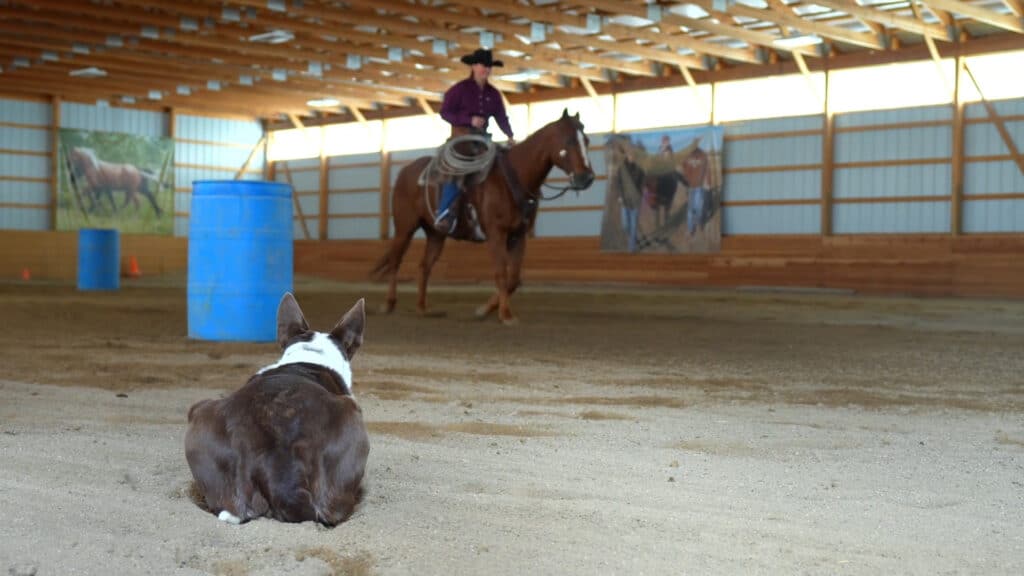
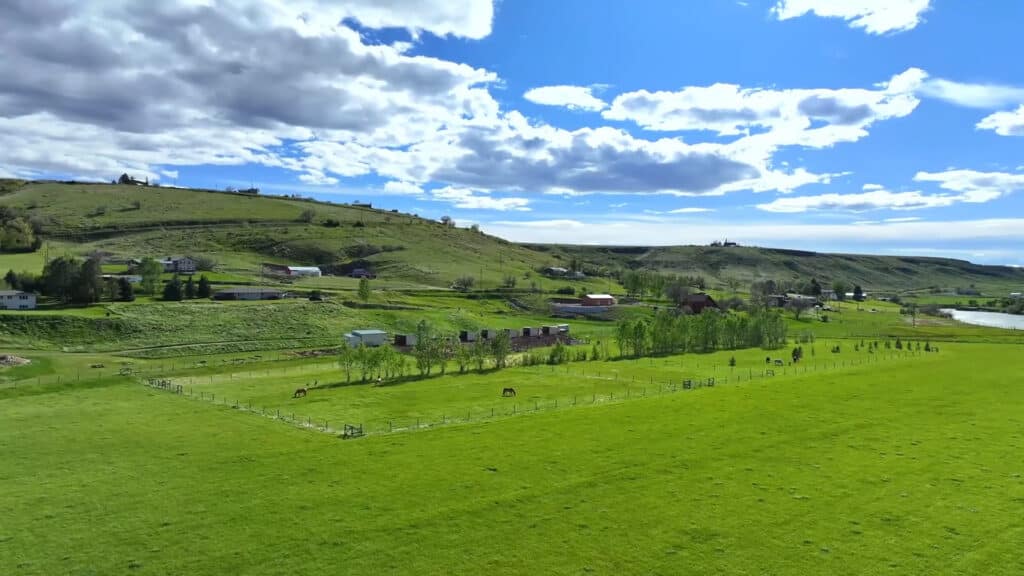
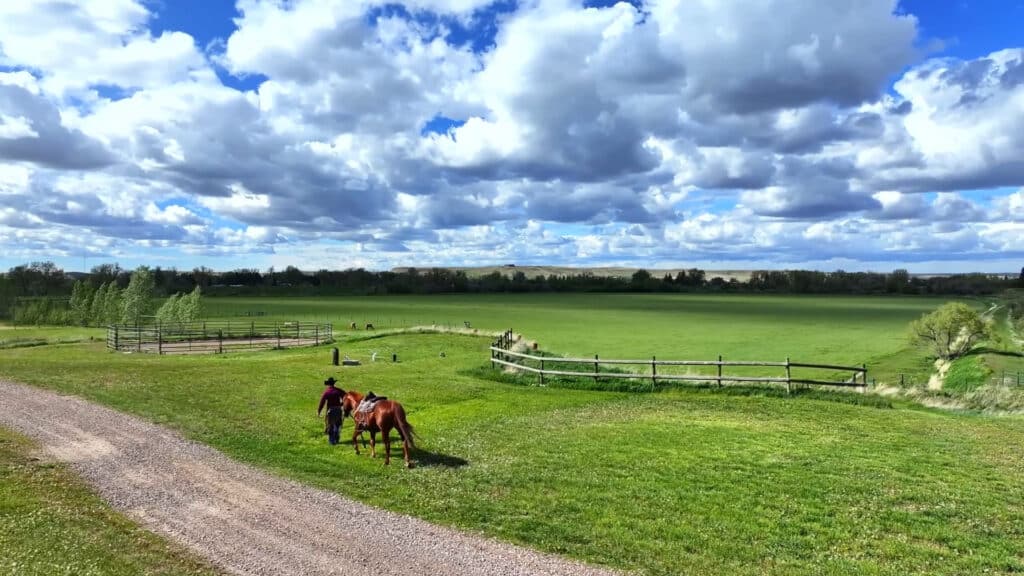
Sun River Estate would be an excellent purchase for someone in the rodeo circuit, with its indoor arena and proximity to Great Falls!
 |
 |
 |
GRAB THE REINS OF YOUR REAL ESTATE JOURNEY
Don’t get left in the dust! The perfect ranch won’t wait forever. Let our maverick team https://www.swanlandco.com/meet-your-agent/ rope you the best deal in the West!
Swan Land Company – Where Home on the Range Becomes Home Sweet Home https://www.swanlandco.com/