

Modern cattle ranches have evolved into some of the West’s most significant wildlife conservation areas, demonstrating that agricultural production and environmental stewardship can coexist harmoniously. These vast operations preserve critical habitat corridors that would otherwise be lost to development, creating a living mosaic where domestic livestock and wild animals share the landscape.
The Conservation Value of Working Lands
 |
 |
 |
Unlike fragmented suburban developments that create habitat islands, ranches maintain the large-scale connectivity essential for wildlife movement and genetic diversity. These expansive properties often encompass entire watersheds and migration routes, preserving ecosystems at a scale that individual protected areas cannot match. The seasonal grazing patterns of cattle can mimic historical bison movements, creating habitat diversity that benefits numerous species.
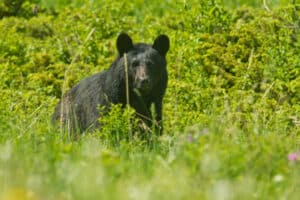
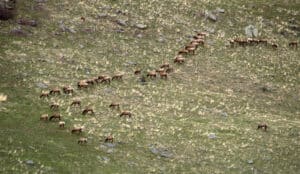
Ranch lands provide crucial winter range for elk and deer herds, nesting areas for ground-dwelling birds like sage grouse and prairie chickens, and breeding habitat for waterfowl in stock ponds and seasonal wetlands. The varied terrain found on many ranches—from riparian corridors to upland prairies—supports an incredible diversity of species, from tiny songbirds to large predators.
Strategic Infrastructure for Wildlife
Forward-thinking ranchers design their operations with wildlife in mind from the ground up. Water development extends far beyond basic cattle needs, creating a network of wildlife watering points that can sustain animals during drought periods when natural sources fail. These strategically placed tanks, wells, and improved springs often become focal points for wildlife activity, supporting a diverse range of species, from hummingbirds to bighorn sheep.
Modern fencing technology represents a significant advancement in wildlife management. Wildlife-friendly fence designs feature smooth bottom wires raised 18 inches off the ground to allow pronghorn passage, while top wires are lowered and made highly visible to prevent collisions with low-flying birds. Some ranches install seasonal gates that remain open during migration periods, and others use virtual fencing technology that eliminates physical barriers in sensitive areas.
Range improvements, such as brush management and prescribed burning, create habitat mosaics that benefit both cattle and wildlife. Selective removal of invasive species opens up grasslands for ground-nesting birds while maintaining shelter areas. These practices often result in increased native plant diversity and improved forage quality for all grazing animals.
Predator Coexistence Strategies
The relationship between ranchers and large predators has undergone a dramatic evolution, transitioning from conflict to coexistence through innovative management practices. Guardian dogs, llamas, and donkeys provide non-lethal protection for livestock while allowing predators to maintain their natural behaviors and territories. These guardian animals create a buffer zone that reduces direct encounters between predators and prey.
Night corrals and birthing pastures near ranch headquarters protect vulnerable animals during high-risk periods without eliminating predators from the landscape. Some ranches employ range riders who monitor both livestock and predator movements, using their presence to discourage problematic behavior while gathering valuable data on predator ecology.
Compensation programs and insurance policies help offset losses while incentivizing tolerance. Some innovative ranches have even developed “predator-friendly” beef certification programs that command premium prices from environmentally conscious consumers. Predator-friendly beef certifications reward ranchers who protect native carnivores through non-lethal methods and habitat conservation. These programs create premium markets for certified products while providing ranchers with economic incentives to maintain healthy predator populations alongside their livestock operations.
Economic Incentives for Conservation
The financial benefits of wildlife management often exceed traditional livestock returns, creating powerful market-based conservation incentives. Hunting leases can generate substantial annual income, sometimes producing more revenue per acre than cattle grazing. These arrangements typically span multiple years, providing ranchers with predictable income streams that justify long-term investments in habitat.
Wildlife viewing and photography tours offer additional revenue opportunities, particularly for ranches near urban areas or tourist destinations. Some operations develop specialized birding programs during migration seasons or offer wildlife photography workshops that attract enthusiasts willing to pay premium prices for access to pristine habitat.
Conservation easements offer substantial tax benefits while ensuring the permanent protection of habitat. These legal agreements enable ranchers to maintain ownership and operation of their land while receiving compensation for development rights, thereby creating a financial incentive for keeping land in agricultural production rather than selling it for subdivision.
Collaborative Conservation Programs
Government programs, such as the Environmental Quality Incentives Program (EQIP) and the Conservation Reserve Program (CRP), provide financial assistance for habitat improvements. These partnerships allow ranchers to implement wildlife-friendly practices while maintaining economic viability. Technical assistance from wildlife biologists helps optimize management decisions for both production and conservation goals.
Private conservation organizations are increasingly partnering with ranchers on habitat projects, providing funding for improvements such as riparian restoration, native grass seeding, and water development. These collaborations often result in monitoring programs that yield valuable scientific data on wildlife populations and the effectiveness of their habitats.
Measuring Success
 |
 |
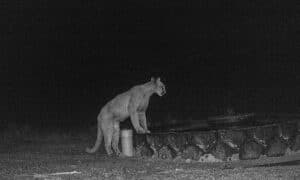 |
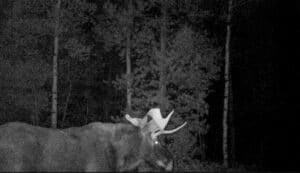
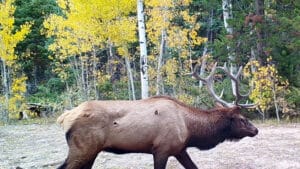
The success of ranch-based wildlife conservation is increasingly measurable through modern monitoring techniques. Trail cameras document species diversity and abundance, while GPS collars on wildlife reveal movement patterns and habitat use. Bird surveys during breeding and migration seasons provide data on population trends and reproductive success.
Many ranches participate in citizen science programs that contribute to regional and national wildlife databases. This data collection not only demonstrates conservation value but also helps guide adaptive management practices that improve outcomes for both livestock and wildlife.
Future Opportunities
- Climate change adaptation strategies increasingly recognize the importance of large, connected landscapes for species migration and range shifts. Ranches positioned along climate corridors may become even more valuable for conservation as species seek suitable habitat under changing conditions.
- Carbon credit programs offer emerging opportunities for ranchers to monetize ecosystem services beyond wildlife habitat. Grassland carbon sequestration, combined with biodiversity benefits, creates multiple revenue streams from the same land management practices.
- Technology continues to expand possibilities for wildlife-friendly ranching. Satellite monitoring, drone surveys, and artificial intelligence applications promise to make wildlife management more precise and cost-effective while reducing conflicts with livestock operations.
- The integration of wildlife habitat management into ranch operations demonstrates that conservation and agriculture can create mutually beneficial relationships. As consumer demand for environmentally responsible products grows and conservation funding increases, the economic incentives for wildlife-friendly ranching will likely strengthen, ensuring that these working landscapes continue to serve as havens for wildlife across the American West.
Call us to discuss our real estate offerings!