
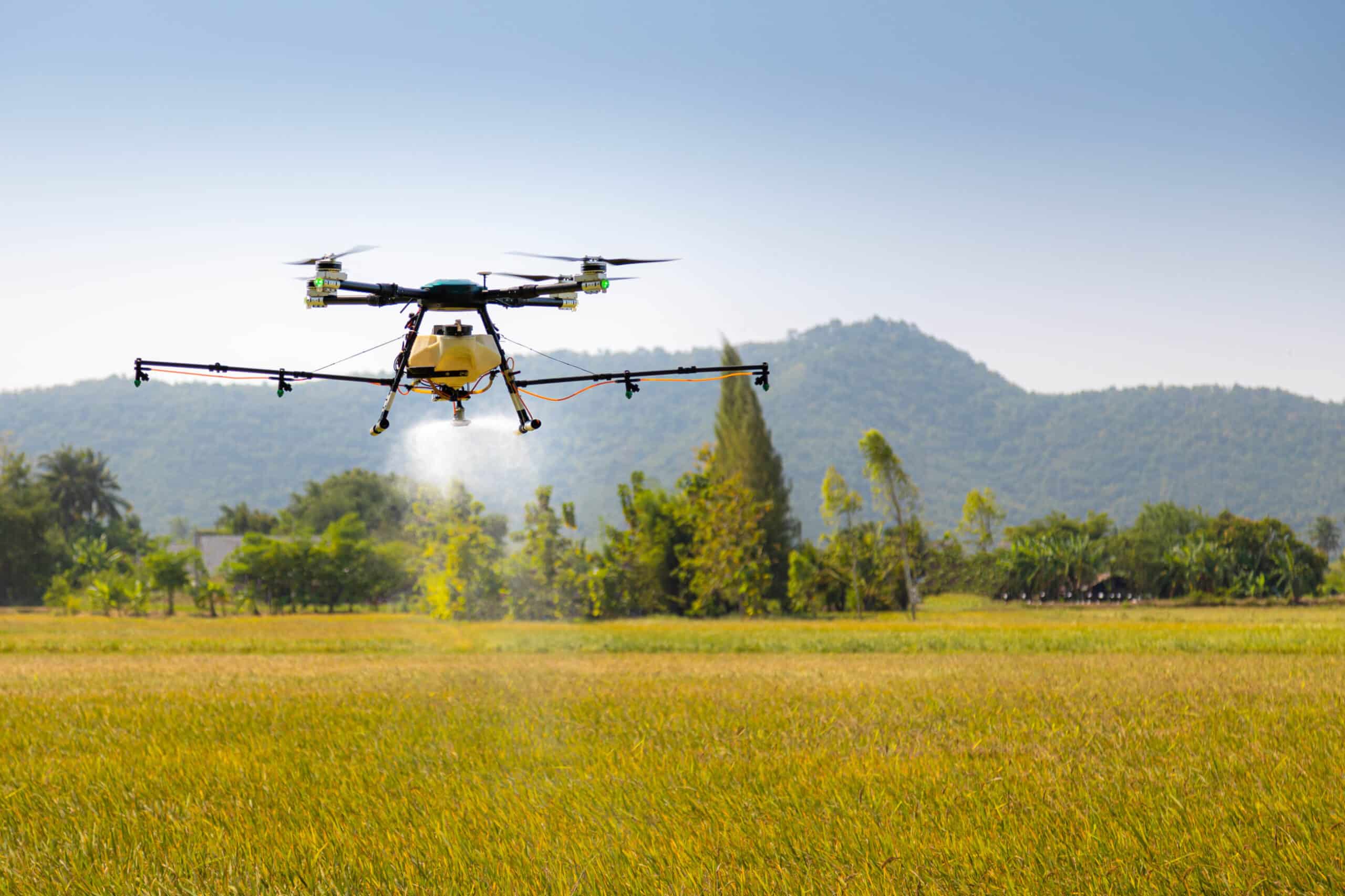
Drones have revolutionized ranch management by providing cost-effective aerial capabilities that were previously available only through expensive helicopter or plane services. Modern ranchers utilize drones for a wide range of applications, from daily operations to long-term planning and management.
Livestock Management
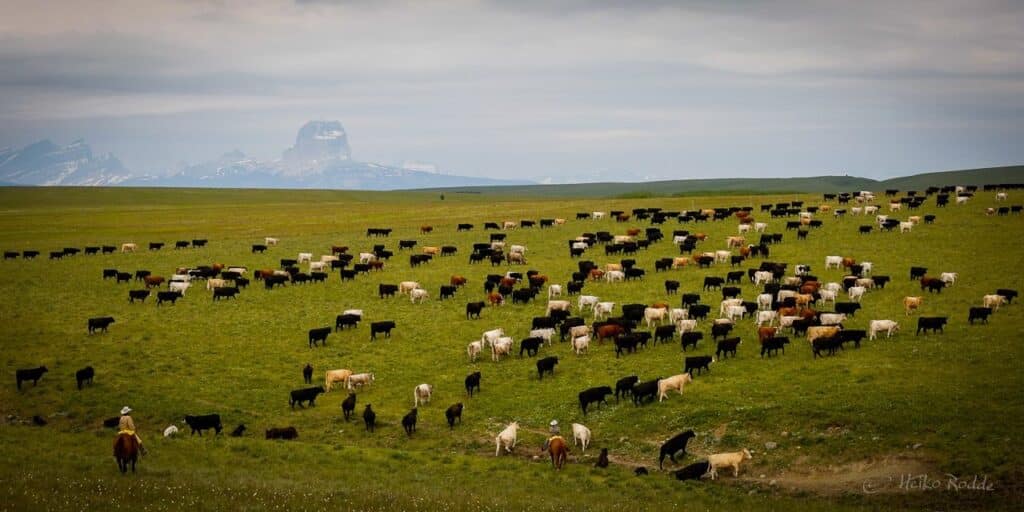
- Cattle monitoring and counting represent one of the most immediate applications. Drones can quickly survey large pastures to locate cattle, count herds, and identify animals that may be injured, sick, or separated from the group. What once required hours of horseback riding can now be accomplished in minutes.
- Health assessment through thermal imaging cameras allows ranchers to identify sick animals by detecting fever or other temperature anomalies. Early detection of illness can prevent the spread of disease and reduce veterinary costs.
- Herding assistance uses drones to gently guide cattle toward gates, loading areas, or fresh pasture. While not replacing traditional herding methods, drones provide valuable support, especially in rough terrain or when moving small groups.
Property and Infrastructure Monitoring
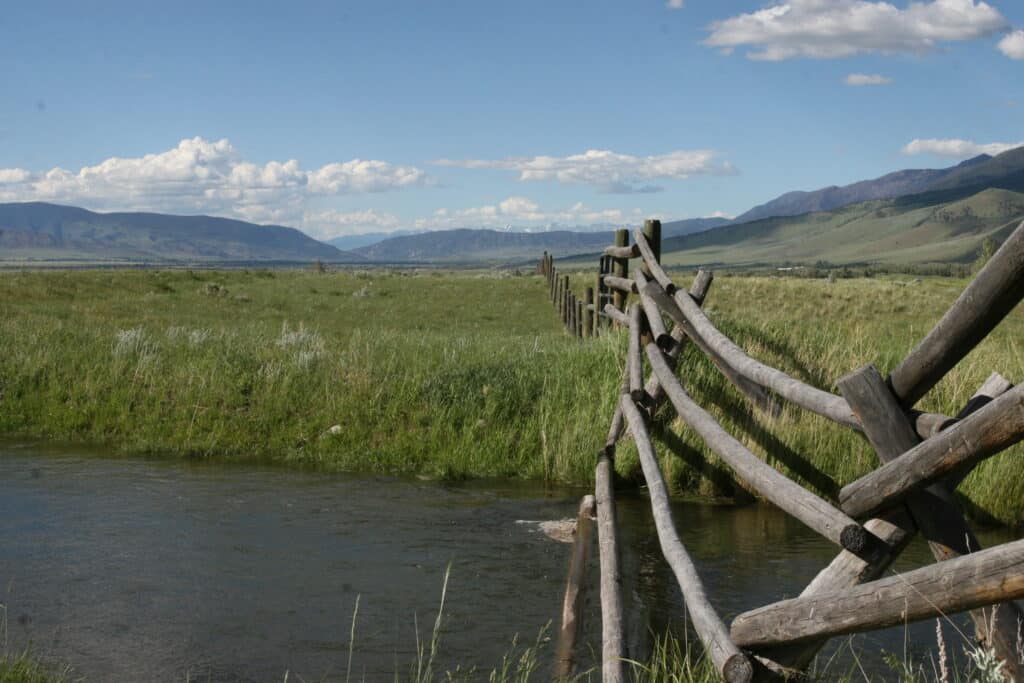
- Fence line inspection covers miles of perimeter fencing quickly and efficiently. Drones can identify breaks, damage, or areas needing maintenance without requiring ground crews to traverse challenging terrain. Regular aerial inspections help prevent costly livestock escapes.
- Water system surveillance monitors remote water sources, tanks, and distribution systems to ensure optimal water quality. Drones can check water levels, identify leaks, and assess equipment condition across vast properties, ensuring livestock always have access to adequate water.
- Road and trail assessment helps prioritize maintenance needs and plan improvements. Aerial views reveal erosion patterns, drainage issues, and areas that require attention, which may not be apparent from ground level.
Land and Pasture Management
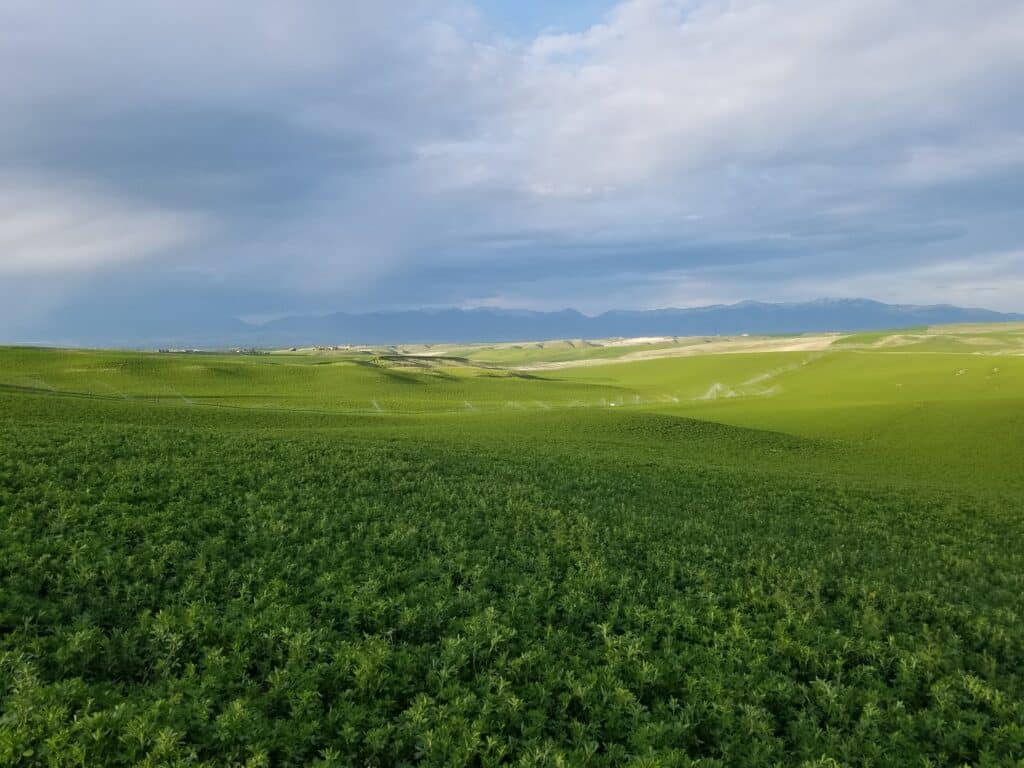
- Grazing assessment provides objective data on pasture conditions, grass growth, and carrying capacity. Regular drone surveys help ranchers make informed decisions about rotational grazing, stocking rates, and when to move cattle to fresh pasture.
- Vegetation mapping identifies invasive species, monitors the health of native plants, and tracks changes over time. This information supports targeted weed control efforts and habitat improvement projects.
- Drought monitoring through multispectral imaging reveals stress patterns in vegetation before they’re visible to the naked eye, allowing proactive management decisions during dry periods.
Crop and Feed Production
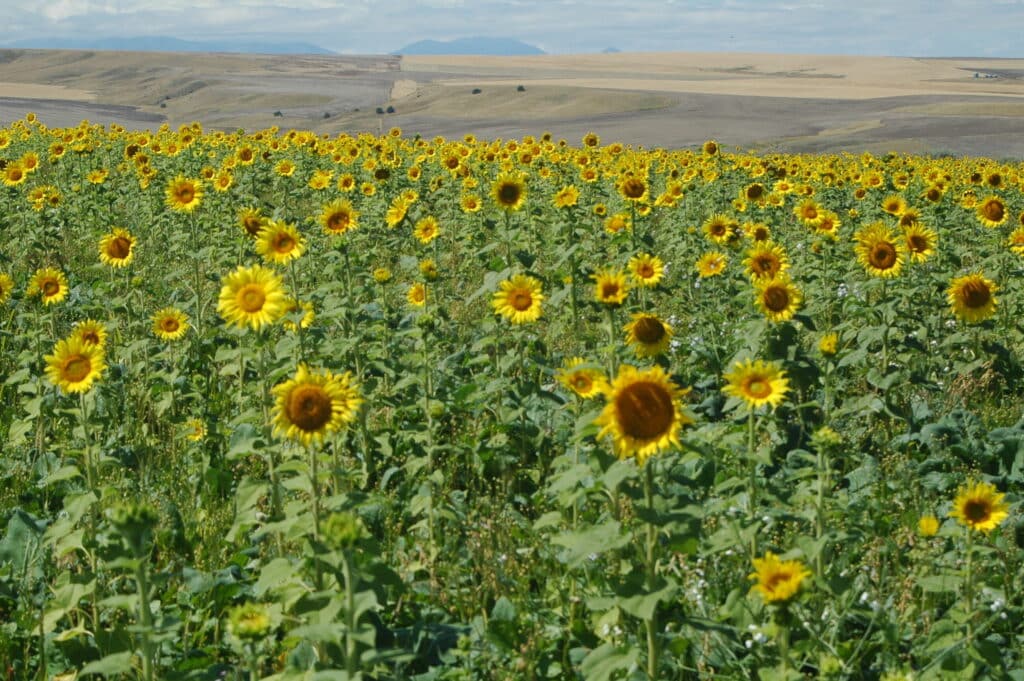
- Crop monitoring on ranch agricultural operations tracks plant health, growth patterns, and potential problems. Drones equipped with specialized cameras can identify nutrient deficiencies, pest damage, or irrigation issues early.
- Hay field assessment helps streamline time-consuming operations and estimate yields. Aerial imagery reveals crop maturity, aiding in the planning of efficient harvesting logistics.
- Precision agriculture applications include variable-rate seeding and fertilizer application based on drone-collected data, optimizing inputs and maximizing yields on feed production areas.
Wildlife and Habitat Management
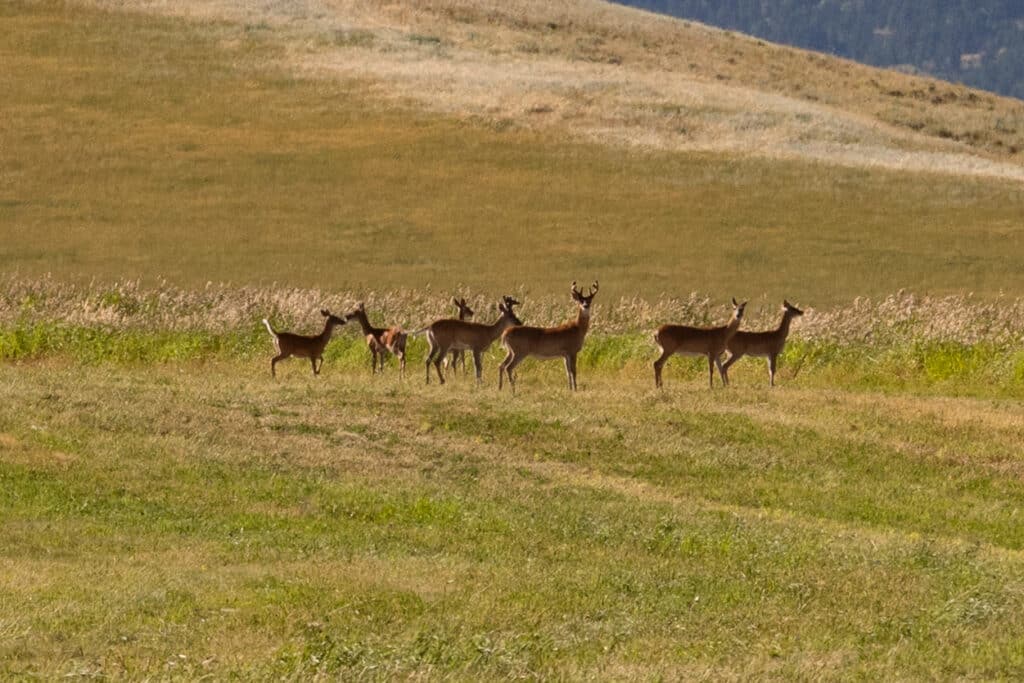
- Wildlife population surveys provide data for hunting lease management or conservation programs. Drones can monitor deer populations, nesting birds, or other wildlife without human disturbance.
- Habitat assessment tracks the success of conservation efforts, wetland management, or food plot establishment. Regular monitoring helps optimize wildlife management strategies.
Emergency and Security Applications
- Search and rescue operations for missing livestock or people benefit from drones’ ability to cover large areas quickly. Thermal imaging proves especially valuable during nighttime searches.
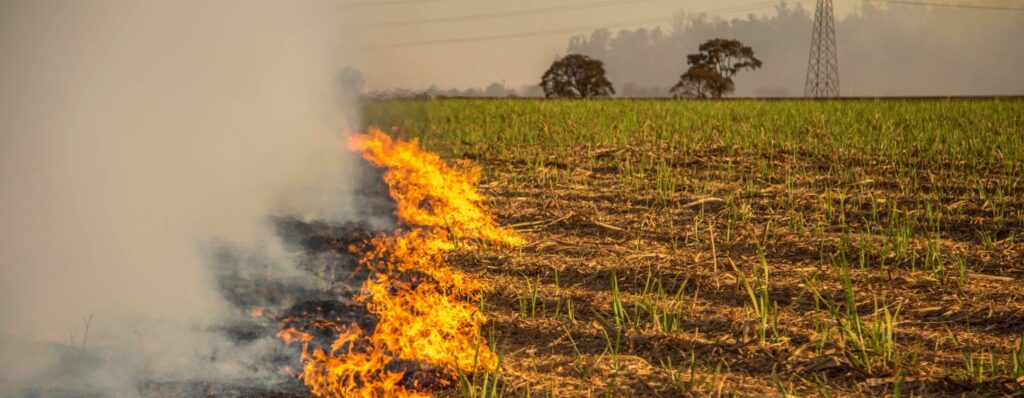
- Fire prevention and response includes monitoring for fire hazards, assessing fire damage, and providing real-time information during wildfire emergencies.
- Security Monitoring helps protect against theft, trespassing, or predator activity. Drones can patrol remote areas and provide evidence for insurance or law enforcement purposes.
Cost Benefits and ROI

- Labor savings represent the most immediate return on investment. Tasks that previously required multiple people and vehicles can often be accomplished by a single operator using a drone.
- Fuel and vehicle costs decrease significantly when aerial surveillance replaces ground-based inspection trips across large properties.
- Early problem detection prevents minor issues from becoming expensive problems. Identifying sick animals, fence breaks, or equipment failures early saves substantial costs.
- Data-driven decisions based on regular drone surveys enhance overall ranch efficiency and profitability by facilitating better resource allocation and optimized operational timing.
Technology Integration
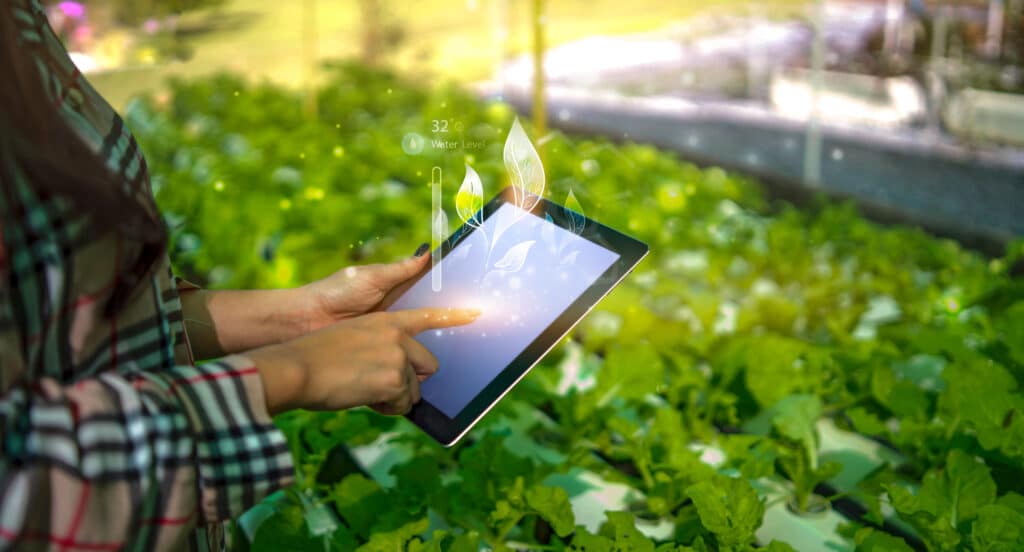
- Modern ranch drones often integrate with other precision agriculture technologies, GPS systems, and ranch management software to create comprehensive property management solutions. This integration amplifies the value of drone technology by making data more actionable and easier to analyze over time.
- The versatility and decreasing costs of drone technology make them increasingly essential tools for modern ranch operations, providing capabilities that enhance both efficiency and profitability across virtually every aspect of ranch management.
Conclusion
Drone technology has transformed from a luxury to an essential tool for competitive ranch operations. With compelling economics—dramatic labor savings, early problem detection, and improved decision-making—drones now democratize aerial monitoring capabilities once available only to the largest operations.
As costs continue decreasing and capabilities expand, the question for modern ranchers is no longer whether to adopt drone technology, but how quickly they can integrate these powerful tools to capture significant advantages in efficiency, cost savings, and management precision.