

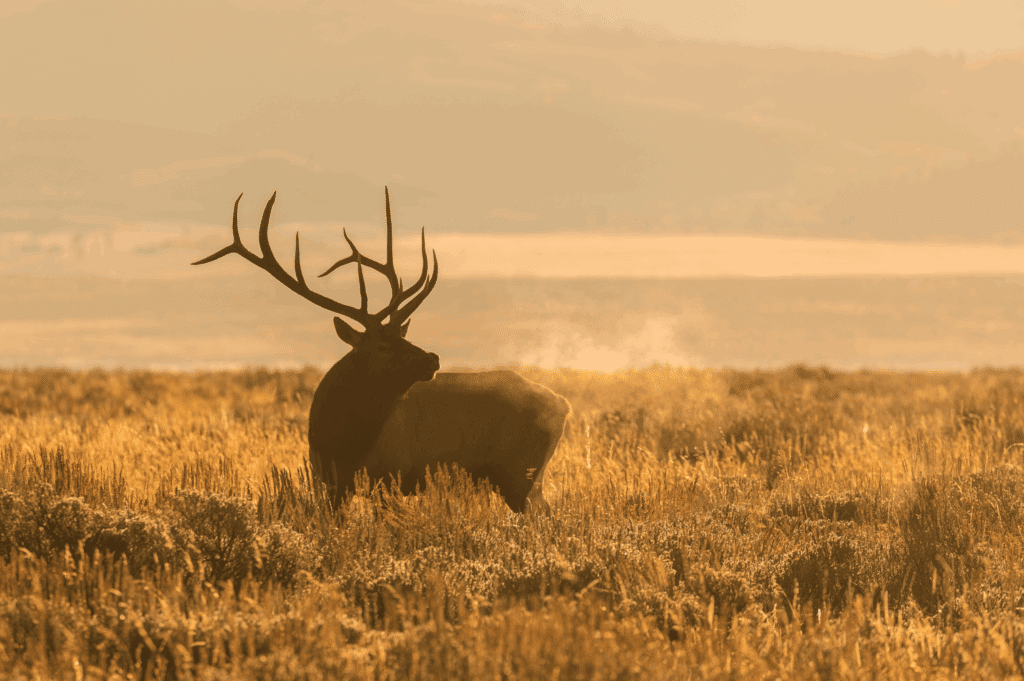
Across the American West, many ranches sit along ancient migration routes used by elk, mule deer, pronghorn, and other native wildlife. These corridors are essential to the region’s ecological health, but traditional barbed wire fencing often disrupts movement, causes injury, and adds to a rancher’s maintenance burden. For landowners focused on stewardship, operational efficiency, and long-term value, wildlife-smart fencing offers a proven solution. By adapting fence design to support both livestock and wildlife, ranchers can reduce labor, improve range health, and position their property for the future. This isn’t about replacing fences. It’s about using better ones.
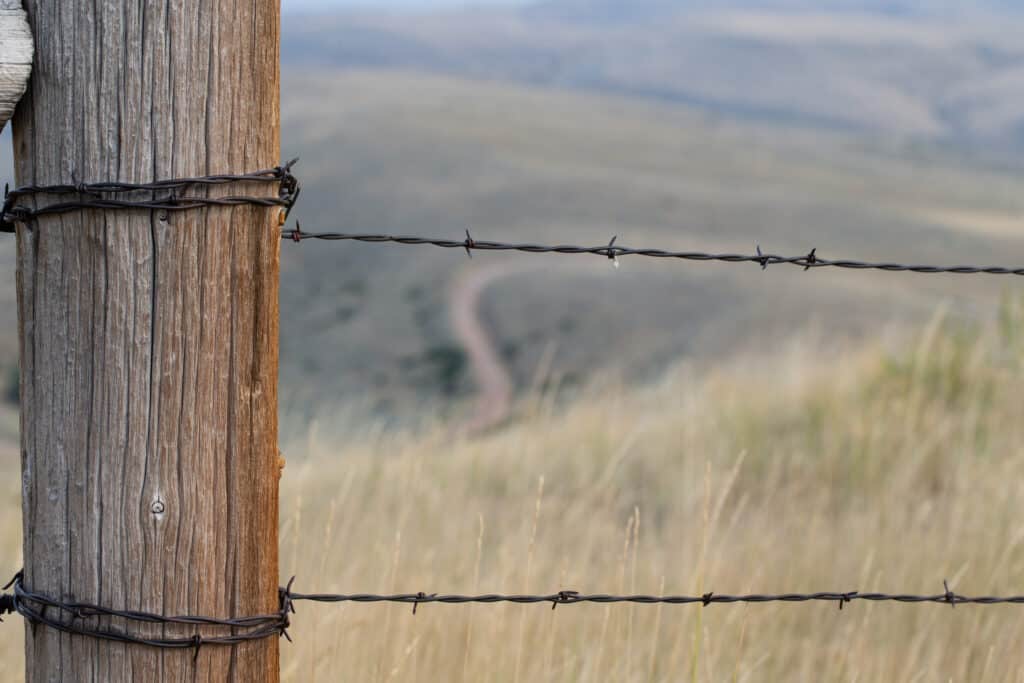
Barbed wire has long been standard for livestock control, but its drawbacks are clear. Top strands can entangle jumping elk and deer. Bottom wires can block pronghorn or trap them mid-crawl. Wildlife collisions, snow damage, and livestock pressure frequently lead to costly repairs and ongoing frustration. High, dense fences also fragment habitat, limiting wildlife access to forage and water. These corridors are essential to wildlife survival and rangeland health, but traditional fencing often blocks movement, causes injury, and leads to constant repair work.
Wildlife-smart fencing is a straightforward solution. It’s not about removing or swapping out barbwire fences; it’s about making practical adjustments that benefit both land and wildlife. These systems help reduce maintenance, support safe passage for animals, and protect your bottom line.
 |
 |
What Is Wildlife-Smart Fencing?
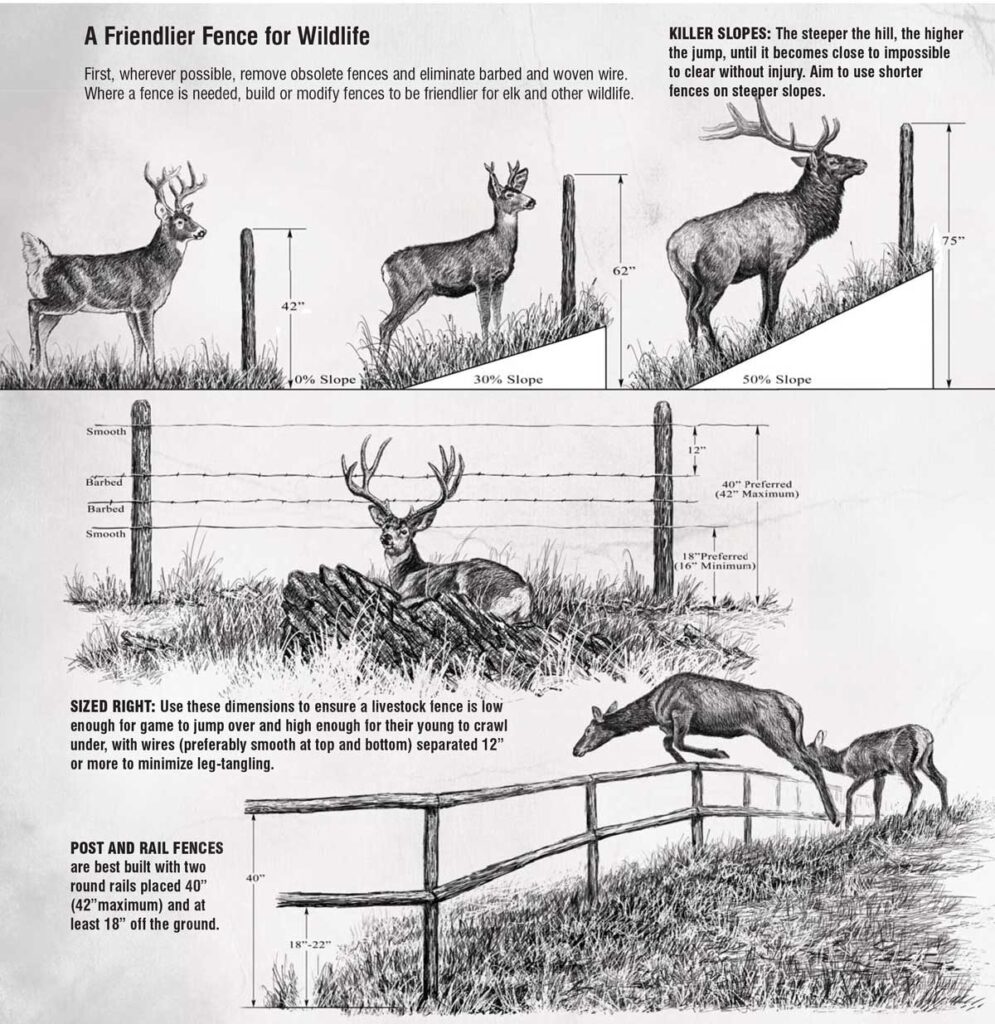
These fencing systems allow wildlife to cross safely while keeping livestock contained. The goal is simple, to make it easier for animals to pass where they need to without giving up control of your herd.
Wildlife-friendly fencing typically includes:
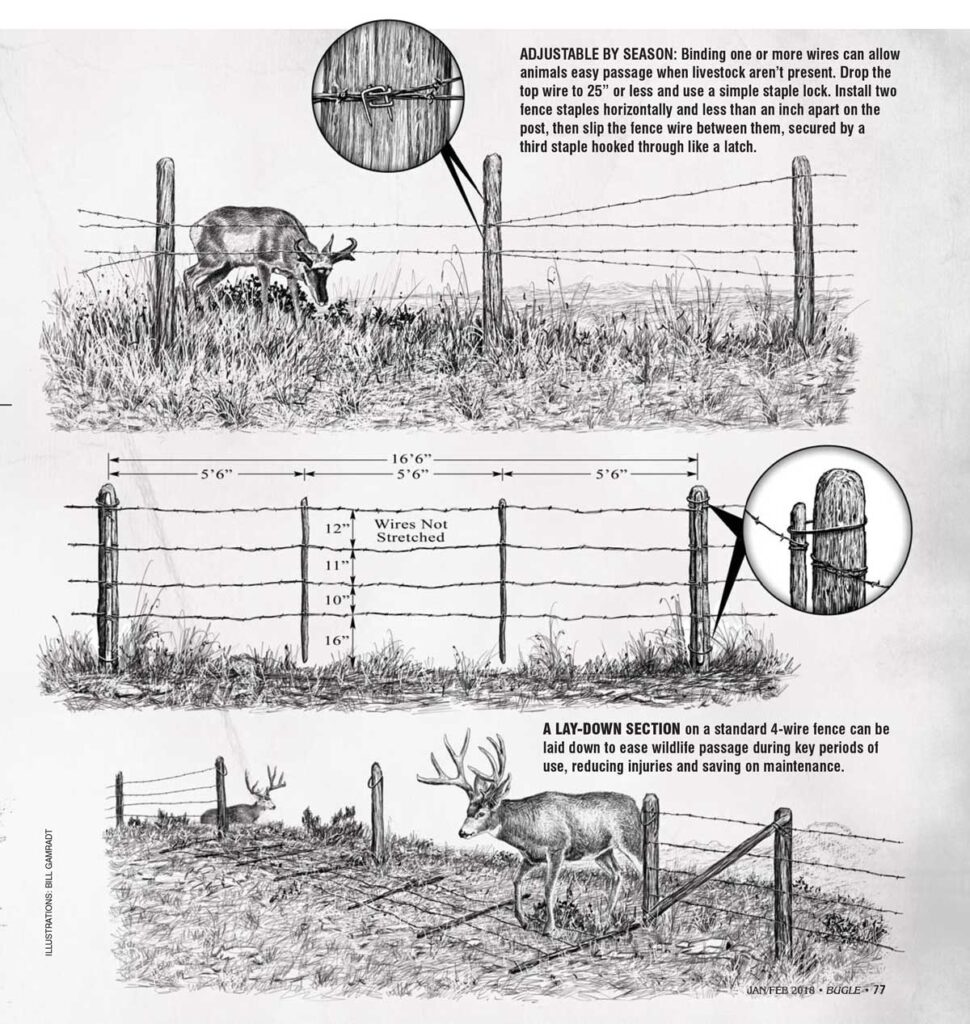
- Smooth Bottom Wire: Placed at 18 inches to let pronghorn pass underneath.
- Low Top Wire: No higher than 38 inches so elk and deer can jump cleanly.
- 12-Inch Wire Spacing: Reduces risk of entanglement and makes fence easier to see.
- Flexible Tension: Absorbs pressure from animals or snow load.
- Wildlife Gates: Openings in migration paths, used seasonally or opened when the pasture isn’t in use.
Sample Layout:
Wire Position |
Height from Ground |
Notes |
|---|---|---|
| Top Wire | 38″ or lower | Smooth or flagged, jump-friendly |
| Middle Wire | ~28″ | Optional; low-tension if used |
| Bottom Wire | 18″ (smooth) | Allows pronghorn to crawl under |
This format, widely supported by Wyoming Game & Fish and Montana FWP, has been tested on working ranches throughout the Intermountain West.
Balancing Calf Containment and Wildlife Access
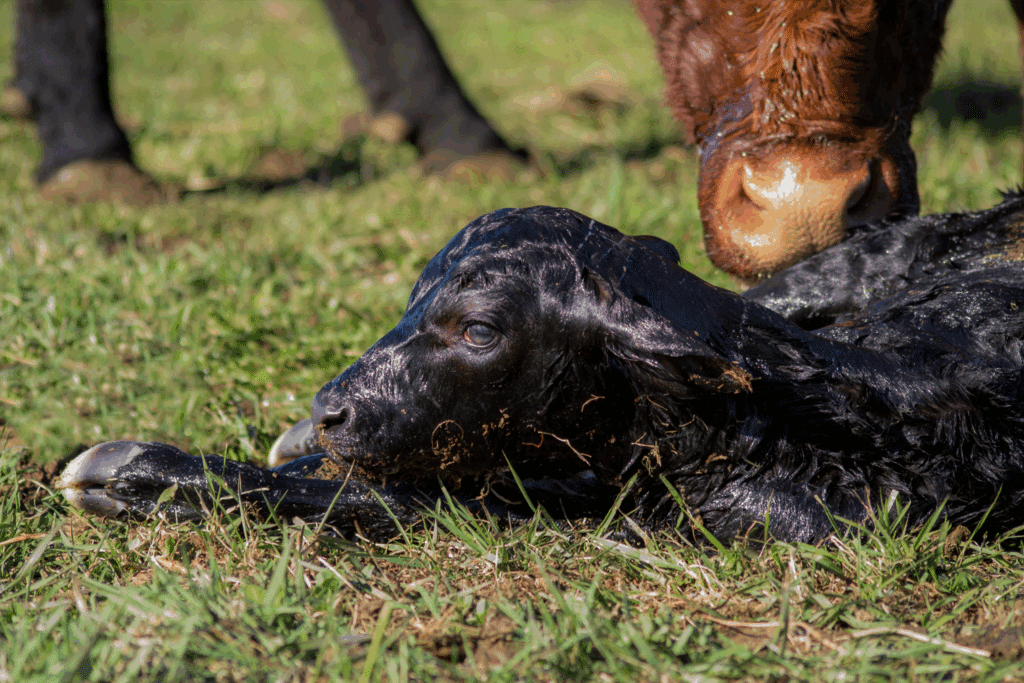
One practical challenge of wildlife-smart fencing is ensuring calf containment, particularly in cow-calf operations. Smooth bottom wires at 18 inches, ideal for pronghorn passage, can allow young calves to slip through, especially during early spring when they are smallest. To address this, many savvy landowners employ targeted strategies:
- Strategic Pasture Planning: Configure calving pastures in areas with lower wildlife traffic, where standard fencing can be used without compromising migration routes.
-
Zoned Fencing Adjustments: Use smooth bottom wires at 18 inches in designated wildlife corridors, maintaining tighter spacing, such as 12 to 14 inches, in calving paddocks and pastures.
By tailoring fencing strategies to seasonal needs and pasture types, ranchers can achieve a seamless balance between herd management and habitat connectivity.
Key Benefits and Resources
Wildlife-smart fencing offers a range of practical benefits for landowners. It preserves habitat connectivity for elk, deer, and pronghorn while improving the day-to-day function of the ranch. Flexible designs are more resilient to wildlife movement and weather, which means fewer repairs and reduced labor over time. These systems can also enhance property appeal to conservation-minded buyers and may qualify for financial support through programs like NRCS’s E382A or state cost-share grants. Whether your goal is operational efficiency or long-term stewardship, wildlife-smart fencing adds tangible value on both fronts.
Helpful Resources:
-
Wyoming Game & Fish Department: Released the third edition of the “Landowner’s Guide to Fences and Wildlife” in April 2025, offering updated specifications and diagrams. Available online or at regional offices.
-
Western Landowners Alliance: Published an illustrated handbook in 2025, detailing fence types, layouts, and wildlife-verified solutions for migration corridors.
-
Fish, Wildlife & Parks: Produced the foundational “Landowner’s Guide to Wildlife Friendly Fences” (2008/2012), widely referenced across Western conservation programs.
-
USDA NRCS: Offers technical support and cost-sharing through programs like the Migratory Big Game Initiative and Enhancement E382A for wildlife-friendly fencing.
 |
 |
Implementation Strategies for Success
Transitioning to wildlife-smart fencing requires careful planning and collaboration. Here are actionable steps to ensure a smooth adoption:
-
Collaborate with Experts: Partner with wildlife agencies, conservation organizations like the Greater Yellowstone Coalition, or extension services for tailored design recommendations based on local migration patterns.
-
Leverage Financial Support: Access cost-share programs from the NRCS, Wyoming Game and Fish, or local conservation districts to offset installation costs.
-
Utilize Migration Mapping: Use tools like the USGS Corridor Mapping Tool or Wyoming Game and Fish migration data to identify critical corridors and optimize fence placement.
-
Align with Ranch Operations: Customize fencing designs to match your livestock type, grazing system, and management goals, ensuring compatibility with daily workflows.
-
Document Improvements: Maintain detailed records of fencing upgrades for appraisals, resale negotiations, or conservation easement applications to maximize property value.
-
Monitor and Map: Track seasonal game trails, water access points, and fence-row hair build-up to identify and prioritize drop-down or smooth wire sites.
Closing Thoughts from Swan Land Company
Smart fencing is a practical improvement with lasting value. It reflects good land management and reduces day-to-day stress. For sellers, these updates can help your property stand out in a competitive market. Whether you’re refining your ranch, preparing to sell, or looking for a property that reflects your values, Swan Land Company is here to help you take the next step with confidence.
Get in touch with Swan Land Company to talk about your goals. We’re here to help.