
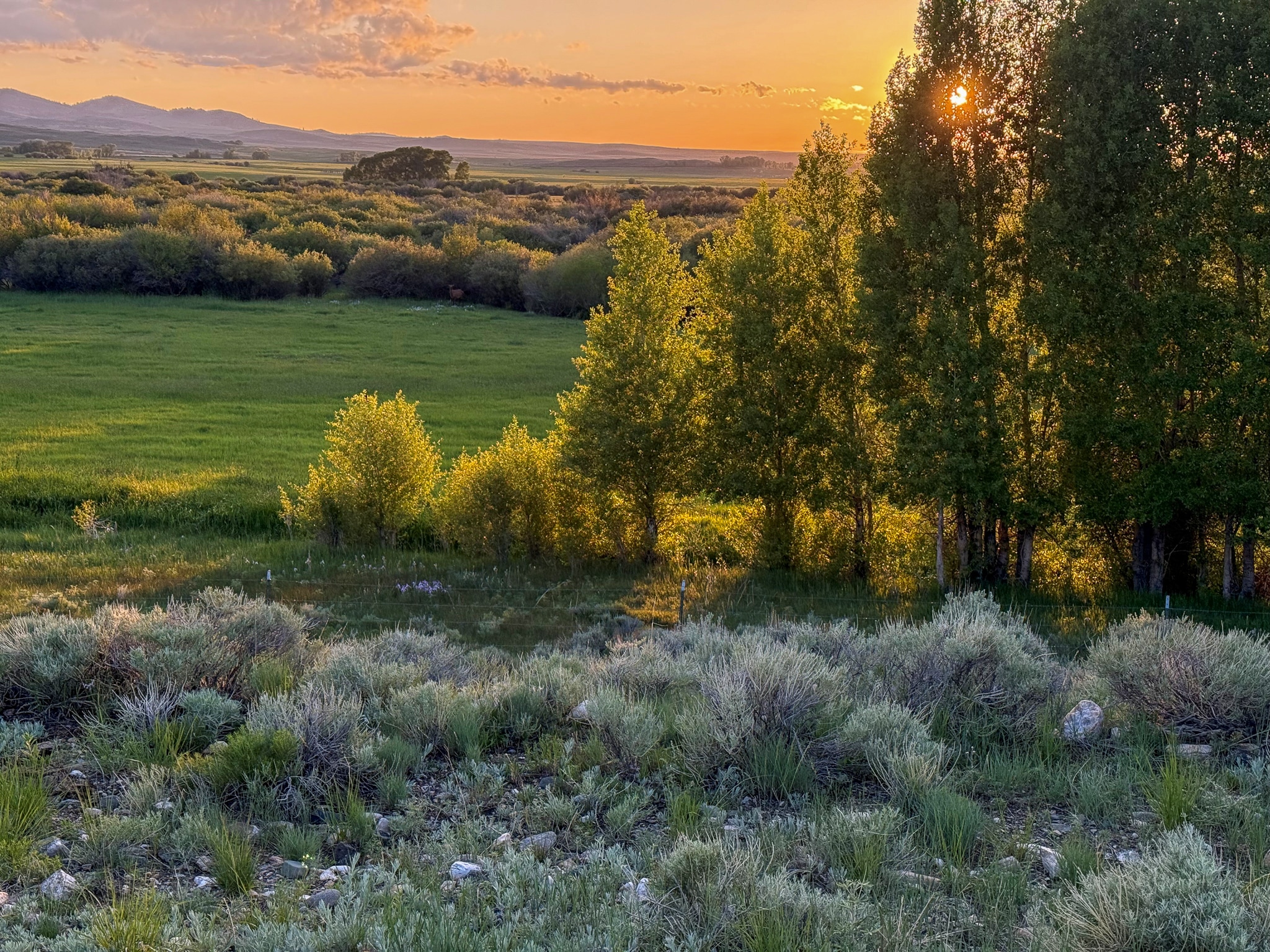
For ranchers across the American West, federal grazing permits are often the difference between a viable operation and bankruptcy. With over 438 million acres of public land managed by the U.S. Forest Service (USFS) and Bureau of Land Management (BLM), understanding the distinct differences between these agencies is crucial for the livestock operations that depend on public land grazing. While both agencies issue grazing permits under federal oversight, they operate with fundamentally different missions, management philosophies, and regulatory approaches that translate into real-world impacts on permit costs, operational flexibility, compliance requirements, and long-term business planning—differences that can determine whether a ranching operation thrives or struggles in today’s complex regulatory environment.
Historical Context and Land Origins
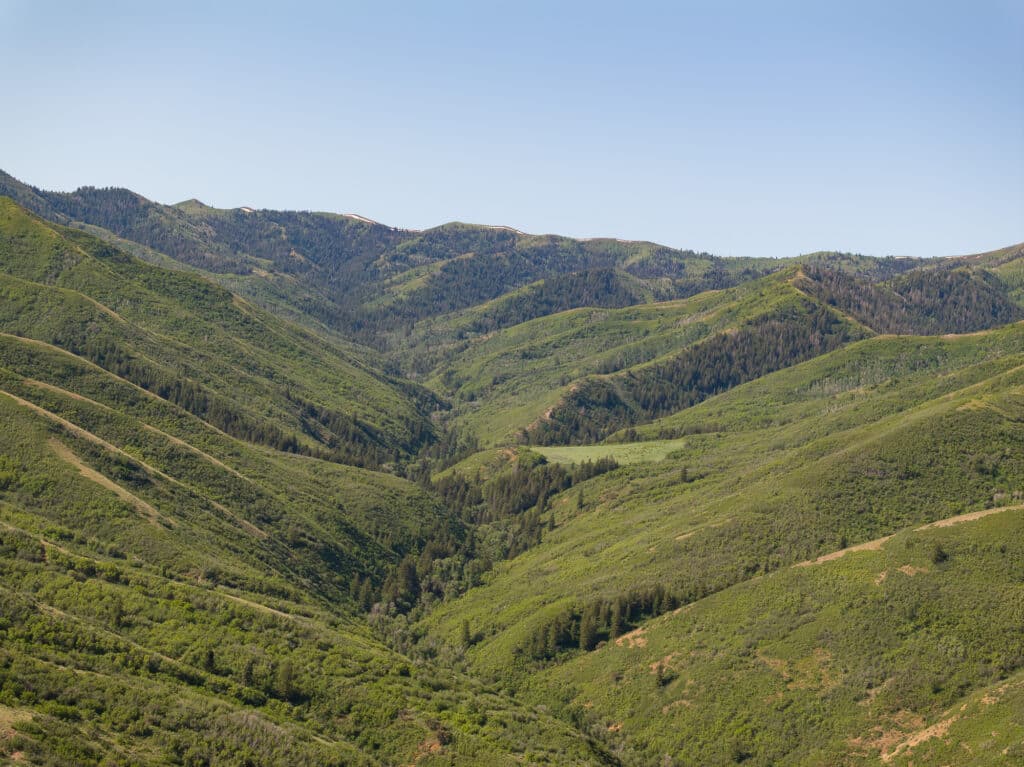
USFS Lands: The Forest Service, established in 1905, manages millions of acres primarily designated as National Forests. These lands were often carved out of the public domain specifically for timber and watershed protection, with grazing permitted as a secondary use. The agency operates under the philosophy that forests provide critical ecosystem services that must be carefully balanced with economic activities.
BLM Lands: The BLM, created in 1946, also manages millions of acres of what remained of the original public domain after homesteading, railroad grants, and other disposals. Typically, these arid, remote areas weren’t suitable for farming or didn’t contain valuable timber. This history creates a different management culture that’s historically been more accommodating to extractive uses.
Detailed Grazing Management Differences
Permit Types and Duration:
• USFS: Issues term grazing permits typically for 5-10 years, though they can be renewed. Permits specify the exact numbers of livestock (measured in Animal Unit Months, or AUMs) and often include detailed seasonal restrictions.
• BLM: Also issues 10-year permits but with a different renewal culture. Historically, BLM permits were viewed more as property rights that transferred with ranch sales, though this has changed legally.
Stocking Rates and Flexibility:
• USFS: Generally, more conservative stocking rates due to forest understory concerns, erosion prevention, and wildlife habitat protection. Less flexibility to adjust numbers based on weather or forage conditions.
• BLM: Often allows higher stocking rates on rangeland that can support more intensive grazing. More willing to adjust based on drought conditions or forage availability.
Monitoring and Compliance:
• USFS: Intensive monitoring of forest health, stream conditions, and wildlife impacts. Regular range condition assessments that can trigger permit modifications.
• BLM: Focus on rangeland health standards, but generally less intensive monitoring. Assessments typically focus on soil stability, erosion, and native plant communities.
Economic and Operational Impacts

Costs:
• USFS: Grazing fees are the same as BLM ($1.35 per AUM in recent years), but compliance costs are typically higher due to more stringent requirements for fence maintenance, water system upkeep, and environmental monitoring.
• BLM: Lower compliance costs but may require more investment in infrastructure over larger, more remote areas.
Ranch Operations:
• USFS: Permits often involve smaller, more intensively managed allotments that require frequent livestock moves and closer supervision. This can increase labor costs but may result in better forage utilization.
• BLM: Large allotments may require significant infrastructure (miles of fencing, remote water systems) but allow for more traditional extensive grazing practices.
Market Value:
Ranches with federal grazing permits typically sell for higher prices, but USFS permits are often valued differently than BLM permits due to their perceived security and integration with forest management plans.
Environmental and Regulatory Challenges
 |
 |
 |
Species Protection:
• USFS: More likely to have critical habitat for threatened and endangered species, leading to grazing restrictions or closures. Greater emphasis on protecting riparian areas and old-growth forest ecosystems.
• BLM: Also faces species protection requirements, particularly for sage grouse, desert tortoise, and other rangeland species, but often with more flexible management solutions.
Fire Management:
• USFS: Grazing may be restricted or encouraged depending on fire prevention strategies. Post-fire recovery often involves temporary grazing closures that can last several years.
• BLM: Fire rehabilitation typically involves shorter-term adjustments, and grazing may be used as a tool for fuel load reduction.
Water Rights and Access:
• USFS: Complex water rights issues in forested watersheds, with increasing emphasis on maintaining stream flows and water quality.
• BLM: Water rights are often more straightforward on arid lands, but availability can be a limiting factor in stocking decisions.
Political and Administrative Differences
Agency Culture:
• USFS: Professional foresters and biologists who often view grazing as potentially conflicting with forest health objectives. More cautious approach to permit renewals and modifications.
• BLM: Traditionally, a more rancher-friendly culture with range management specialists who understand livestock operations. However, this has undergone significant evolution in recent decades.
Public Pressure:
• USFS: Faces intense scrutiny from environmental groups regarding forest ecosystem health, recreation conflicts, and climate change impacts.
• BLM: Experiences pressure over sage grouse habitat, wild horse management, and energy development conflicts with grazing.
Recreation Conflicts

Both USFS and BLM lands face increasing recreational pressure, creating conflicts with grazing operations and additional management constraints.
The fundamental difference remains that USFS approaches grazing as one use among many in a complex forest ecosystem, while BLM traditionally views grazing as a primary use on lands specifically suited for that purpose. However, both agencies operate under increasingly similar environmental regulations and face similar political pressures, leading to somewhat convergent management approaches over time.
For western ranchers, understanding these differences is crucial for long-term operational planning, as the choice between USFS and BLM permits can significantly impact the viability and management requirements of their operations.