

For natural ranchers, the question isn’t whether you treat your animals humanely—it’s whether you need a certification to prove it. As retailers increasingly demand third-party verification and consumers grow skeptical of unverified claims, Certified Humane offers credible validation and access to premium markets. However, certification requires a significant investment in fees, inspections, and record-keeping, as well as potentially operational changes.
For some ranches, certification opens valuable market channels and commands meaningful price premiums. For others, especially smaller direct-to-consumer operations, the costs outweigh the benefits. Understanding what Certified Humane requires—and what it delivers—is essential to deciding whether it aligns with your operation.
What It Is
Certified Humane is a comprehensive third-party animal welfare certification program administered by Humane Farm Animal Care (HFAC). This non-profit organization was established in 2003 specifically to improve the lives of farm animals. The program provides independent verification that ranches and farms are raising their animals according to precise, science-based welfare standards that go beyond basic legal requirements. When you see the Certified Humane label on meat, dairy, or eggs, it means that an independent inspector has verified the animals were raised in accordance with stringent welfare criteria throughout their lives.
The certification was developed by a coalition of animal scientists, veterinarians, and animal welfare experts who established standards based on decades of research into animal behavior, health, and well-being. Unlike marketing claims or self-certifications that ranchers might make on their own, Certified Humane involves regular inspections by trained auditors who verify compliance with detailed standards.
Core Requirements
The Certified Humane program establishes comprehensive requirements across multiple dimensions of animal care. Understanding these requirements helps ranchers determine whether this certification aligns with their current practices or would require significant operational changes.
Space and Environment

One of the foundational principles of Certified Humane is that animals must have sufficient space to move naturally and exhibit their instinctive behaviors. For cattle on western ranches, this means guaranteed outdoor access with sufficient pasture or range land where animals can graze, walk, and socialize naturally. The standards specify minimum space requirements based on animal size and type, ensuring that cattle aren’t overcrowded in ways that would cause stress or prevent standard movement patterns.
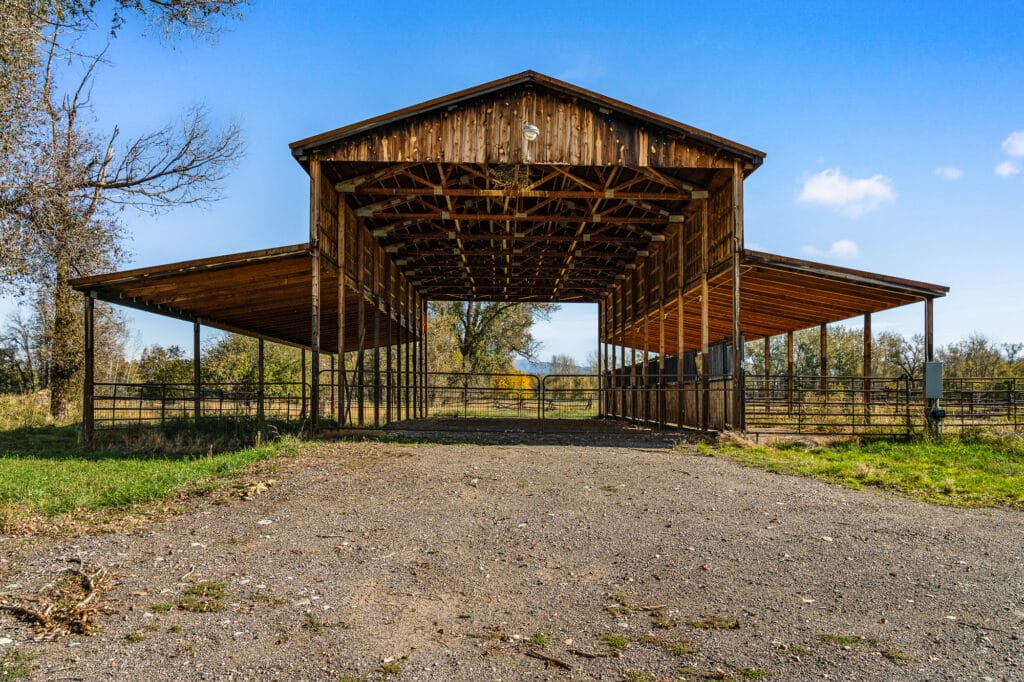
Housing and shelter requirements are equally important. While cattle require outdoor access, they also need protection from extreme weather conditions, such as scorching summer heat, winter blizzards, or heavy rain. Shelters must be designed and maintained to provide genuine protection without unnecessarily confining animals. When bedding is provided, it must be clean and dry, thereby contributing to the animal’s comfort and health, rather than becoming a source of disease or discomfort.
Diet and Health

Certified Humane has specific standards around what animals eat and how their health is maintained. Animals must receive a nutritious diet appropriate to their species and life stage, with constant access to fresh, clean water. This may seem basic, but the certification ensures that these fundamentals are actually being met through inspections, rather than just assumed.
One of the most commercially significant aspects of Certified Humane is its stance on the use of antibiotics and hormones. The program prohibits the use of antibiotics for growth promotion, a common practice in conventional feedlots where low doses of antibiotics are added to feed to accelerate weight gain in animals. However, the program does allow the therapeutic use of antibiotics when animals are genuinely sick, which distinguishes it from organic certification, which prohibits antibiotics entirely. This practical approach means that if a calf develops pneumonia, the rancher can treat the animal without losing certification, prioritizing animal welfare over absolute prohibitions. The program also prohibits the use of added hormones or growth promotants of any kind.
Handling and Treatment
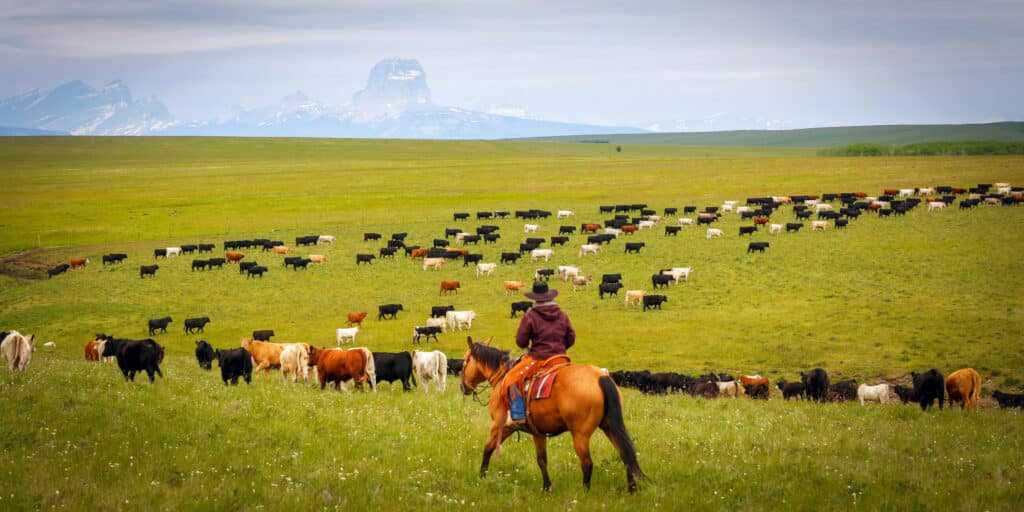
The daily handling, movement, sorting, and management of animals are critical components of the Certified Humane standards. The program requires low-stress handling methods that work with animal behavior rather than against it. Ranchers and their employees must be trained in proper handling techniques that minimize fear and stress during routine operations, such as moving cattle between pastures, loading for transport, or bringing animals through working facilities.
Certain standard industry practices are either prohibited or strictly regulated under the Certified Humane program. For cattle, practices such as tail docking are not permitted. If dehorning is necessary for safety reasons, pain relief must be provided. Electric prods, which are commonly used in conventional livestock operations to move reluctant animals, can only be used in genuine emergencies under this certification, not as a routine handling tool. This requirement fundamentally changes how cattle are moved and handled, requiring more patience, better facility design, and more skilled stockmanship.
The certification also requires that all handlers receive training in humane animal handling. This means ranch employees, family members, and anyone else who works with the animals must understand animal behavior and low-stress handling techniques. This investment in human education is often one of the most valuable aspects of pursuing certification, as it can enhance animal welfare, reduce injury rates, and improve daily operations.
Slaughter Standards

Unlike some animal welfare programs that focus only on life on the farm or ranch, Certified Humane extends its standards all the way through processing. Animals must be processed at USDA-inspected facilities that also meet Certified Humane slaughter standards. These standards require that animals are rendered insensible to pain before slaughter using approved methods and that handling at the processing facility continues to minimize stress and fear. For ranchers, this means not only managing their own practices but also carefully selecting processing partners who meet these additional requirements, which can sometimes limit options, especially in rural areas where processing facilities are scarce.
The Inspection Process
Maintaining Certified Humane status requires ongoing compliance verified through annual inspections. These aren’t scheduled visits where you can prepare everything perfectly for the inspector’s arrival. Instead, inspectors conduct unannounced farm and ranch inspections, arriving without warning to observe how operations function on a typical day. These inspectors are trained and certified by HFAC and use detailed checklists and protocols to evaluate compliance with every aspect of the standards.
During an inspection, the certifier will observe animal behavior, examine facilities and equipment, review feeding and health records, watch handling practices, and interview ranch personnel. They’re looking for both compliance with specific requirements and evidence of a genuine culture of animal welfare throughout the operation. If deficiencies are found, the ranch must correct them within a specified timeframe or risk losing certification. This rigorous, ongoing verification is what gives the Certified Humane label credibility with consumers and retailers.
The Investment Required
Pursuing Certified Humane certification requires both financial investment and operational commitment. Initial application fees typically range from $250 to $500, covering the administrative costs associated with entering into the program and the initial review of your application. Annual certification fees are more substantial, generally running from five hundred to three thousand dollars, depending on the size of your ranching operation, with larger ranches paying higher fees based on animal numbers.
Beyond these direct fees, ranches must also cover the costs associated with inspector travel and the audit itself. Depending on your location and the remoteness of your ranch, these costs can add up. Additionally, there’s the investment of time required to prepare for inspections, maintain the detailed records required by the program, and implement any facility improvements or practice changes needed to meet the standards.
For some ranches, the most significant cost isn’t the fees but the operational changes required to meet standards. If your current handling facilities rely heavily on electric prods, you might need to redesign chutes or invest in training to change practices. If your cattle don’t currently have adequate shelter from extreme weather, you might need to build or improve structures. These infrastructure investments can range from minimal to quite substantial, depending on your starting point.
Why Ranchers Choose Certified Humane

Many natural and sustainable ranchers pursue Certified Humane certification because it provides credible, third-party verification of their animal welfare practices in a marketplace where consumers are increasingly skeptical of unverified claims. When a ranch displays the Certified Humane logo, it instantly communicates that an independent organization has verified its practices meet rigorous standards. This is far more credible than simply claiming “we treat our animals humanely” on a website or product label.
The financial benefits can be substantial. Certified Humane products typically command a premium in the marketplace, often 10-30% higher than conventional products. For ranches operating on tight margins, this premium can make the difference between profitability and struggle. Retailers and restaurants are increasingly seeking products with credible welfare certifications, as the label can open doors to market channels that might otherwise be closed to smaller producers.
Consumer recognition of the Certified Humane label has grown significantly over the past two decades. Shoppers who see the label in grocery stores increasingly understand what it represents and actively seek it out. This brand recognition provides marketing leverage that individual ranches would struggle to achieve on their own. Rather than having to educate every customer about your welfare practices from scratch, the certification provides a shorthand that immediately communicates your values and practices.
For ranches selling through wholesale channels, retail stores, or food service, Certified Humane often becomes not just advantageous but necessary. Many retailers now require some form of third-party animal welfare verification for any products making welfare claims, and Certified Humane is one of the most widely accepted certifications for this purpose. Without it, you may find yourself unable to access specific market channels regardless of how well you actually treat your animals.
Why Some Ranchers Skip It
Despite these advantages, Certified Humane may not be the right choice for every natural ranch operation. The costs, although potentially justified by premium pricing, can be prohibitive for minimal operations or ranches that are starting to transition toward more natural practices. When you’re running a small cow-calf operation and selling a few beef animals per year direct to consumers, spending several thousand dollars annually on certification fees may not make economic sense.
The paperwork and record-keeping requirements, while not unreasonable, do add administrative burden to ranch operations. You’ll need to maintain detailed records of animal health treatments, feeding practices, handling incidents, and other relevant information. For ranchers who entered this work because they love working with animals and the land, rather than sitting at a desk, this documentation requirement can feel burdensome.
Some ranchers who are deeply committed to regenerative practices and holistic management find that their approaches actually exceed Certified Humane standards in some ways while potentially conflicting with them in others. For example, a rancher practicing intensive rotational grazing might move cattle very frequently and manage them in ways that don’t fit neatly into standardized certification requirements. These ranchers may feel that certification would force them into a more conventional framework that doesn’t reflect their innovative approaches.
For ranches selling directly to consumers, the value proposition of certification changes significantly. When customers visit your ranch, meet you personally, see how you raise animals, and develop direct relationships, you can communicate your animal welfare practices through transparency and storytelling, rather than relying on third-party labels. Many direct-to-consumer ranches find that farm tours, detailed website content, social media documentation of daily ranch life, and personal relationships with customers provide more effective communication about animal welfare than any certification could. These ranches often conclude that investing in customer education and relationship-building offers better returns than investing in certification fees.
The Bottom Line
Certified Humane works exceptionally well for ranchers entering retail markets, selling through wholesale channels, or seeking to access food service accounts where independent verification adds tangible value and opens market access. The certification provides credibility, commands premium pricing, and communicates welfare practices efficiently to consumers who don’t have direct contact with the ranch.
For direct-to-consumer operations built on transparency, authentic relationships, and personal connection, many ranchers find they can communicate their humane practices just as effectively, if not more so, through direct engagement. The choice ultimately depends on your market strategy, scale of operation, current practices, and whether the investment in certification will generate returns through increased sales or market access that justify the costs and administrative requirements.