

Real Estate Agent (Also Called Sales Agent or Salesperson)
Agents are the entry point into the real estate profession. After completing pre-licensing coursework, typically ranging from 60 to 180 hours depending on the state, and passing a state exam, they receive their license but cannot practice independently. They must hang their license with a supervising broker who is legally responsible for their actions.
Agents can show properties, prepare contracts, and negotiate on behalf of clients. They work as buyer’s agents, representing purchasers, or as listing agents, representing sellers. Their income comes from commission splits with their broker, typically keeping 50 to 80 percent of the commission. They cannot hold client funds directly; all earnest money and deposits must be deposited into their broker’s trust account. They’re limited to working within their broker’s business structure and policies.
Most people working in residential real estate are agents rather than brokers, as many prefer that the broker handle administrative, legal, and compliance matters while they focus on client work.
Real Estate Broker

Brokers represent the next tier of licensing and responsibility. Requirements vary by state but generally include one to three years working as a licensed agent, though some states require more. They must complete additional coursework, often 90 or more hours beyond the agent requirements, and pass a more rigorous broker’s examination covering advanced topics in real estate law, finance, ethics, and business management.
There are several types of brokers, each with a different role. An associate broker or broker associate has a broker’s license but chooses to work under another broker rather than opening their own firm. They may receive better commission splits or have more autonomy than agents. A managing broker runs the day-to-day operations of a brokerage, supervises agents, ensures compliance with laws and regulations, and handles disputes. A principal or designated broker is the person legally responsible for all real estate transactions conducted by the brokerage, and every real estate office must have one.
Brokers can open and operate their own real estate brokerage, hire and supervise agents, handle trust accounts containing client funds, and work independently without supervision. They have ultimate legal liability for transactions in their brokerage and can take on more complex commercial deals and investment properties. The additional knowledge brokers must have includes a deeper understanding of real estate law, agency relationships, fair housing regulations, contract law, property management, and business management.
Land Broker/Land Specialist
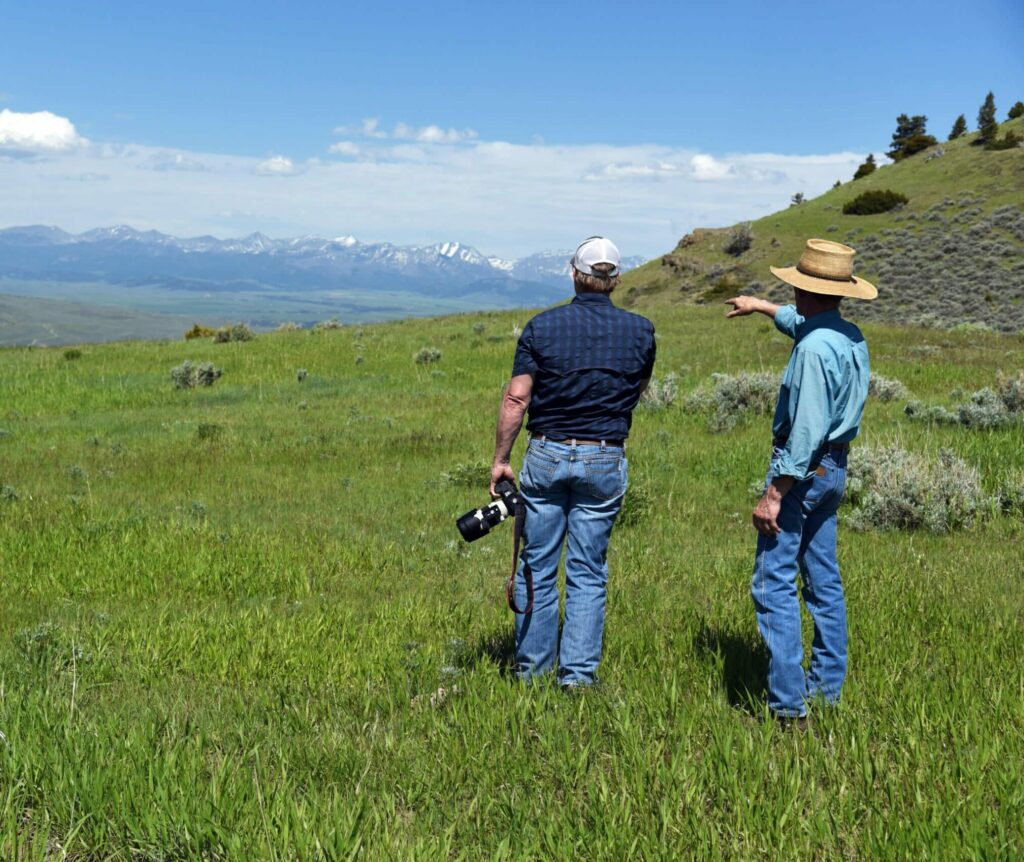
This specialization focuses on transactions involving undeveloped or agricultural land rather than residential or commercial buildings. While not typically a separate license, many agents and brokers pursue additional certifications to establish expertise in this niche. Relevant designations include Accredited Land Consultant (ALC) offered by the REALTORS® Land Institute and Accredited Farm and Land Member (AFLM).
Land brokers need specialized knowledge in numerous areas. On the legal and regulatory side, they must understand zoning regulations and land-use restrictions; environmental regulations and wetland protections; subdivision possibilities and platting requirements; easements and rights-of-way; access issues; mineral rights, oil and gas rights, and water rights; agricultural exemptions; and special-use permits.
For valuation purposes, land brokers consider soil quality and agricultural productivity, timber value and management, wildlife and hunting potential, development potential and highest-and-best-use analysis, water availability and irrigation rights, and topography, drainage, and flood zones. They must also understand the unique aspects that buyers consider, such as financing options specific to land purchases, which are often more difficult to obtain than home loans, survey requirements, and potential boundary disputes, tax implications, including agricultural exemptions, and future development costs like utilities, roads, and septic systems.
Land brokers often work with different clientele than residential agents. Their clients include farmers, ranchers, developers, investors, conservationists, and recreational buyers, each with unique needs. The transactions tend to be more complex and take longer to close than typical residential sales. Some land brokers focus on specific niches, such as timberland, ranch and farm properties, recreational hunting land, or development tracts. Commission structures can also differ from those for residential sales, sometimes involving consulting fees or percentage-based fees on larger-acreage transactions rather than the standard commission structure.
Why These Distinctions Matter

The licensing hierarchy exists to protect consumers. Brokers have more education and experience, making them better equipped to handle the legal complexities and fiduciary responsibilities involved in real estate transactions. The broker acts as a safeguard, ensuring that agents follow proper procedures and that clients are protected throughout the transaction process.
The specialization in land sales reflects the reality that selling 500 acres of farmland requires vastly different expertise than selling a suburban home. A general residential agent might not understand mineral rights, water law, agricultural zoning, or the complexities of land financing. Similarly, a land specialist might not be the best choice for selling a condominium in an urban area.
When choosing who to work with, consider whether you need someone with broker-level expertise for a complex transaction, or whether a good agent with proper supervision will suffice. For land transactions, seek out someone with proven experience in that specific market, as general residential agents often lack the necessary knowledge to properly advise clients on land purchases or sales.
Find Your Perfect Real Estate Match
Now that you understand the differences between agents, brokers, and land specialists, you’re equipped to make an informed choice. Take time to verify credentials, ask about relevant experience, and select a professional whose expertise aligns with your specific transaction needs. Your investment deserves nothing less than the right representation!