When evaluating agricultural land for sale in the American West, it’s easy to focus on the deeded acres, water rights, or infrastructure. However, for many working ranches, a significant portion of their livestock grazing capacity—and therefore their economic viability—comes from grazing permits on public lands.
For serious agricultural buyers, understanding how grazing permits work is more than a box to check during due diligence. It’s essential to assessing a property’s true value, long-term potential, and operational fit. In this article, we break down the types of permits, how they transfer, and the key considerations for buyers navigating this critical aspect of ranch ownership.
Table of Contents
Click a Topic to Jump to It
How Do Grazing Permits Impact Ranch Value?
Grazing Permits and Land Management
- Bureau of Land Management Permit
- United States Forest Service Permit
- State Grazing Leases
- Grazing Permit Comparison Chart
Buyer Considerations and Recommendations
Our Experience with Grazing Leases & Ranch Properties
 |
 |
 |
What Are Grazing Permits?
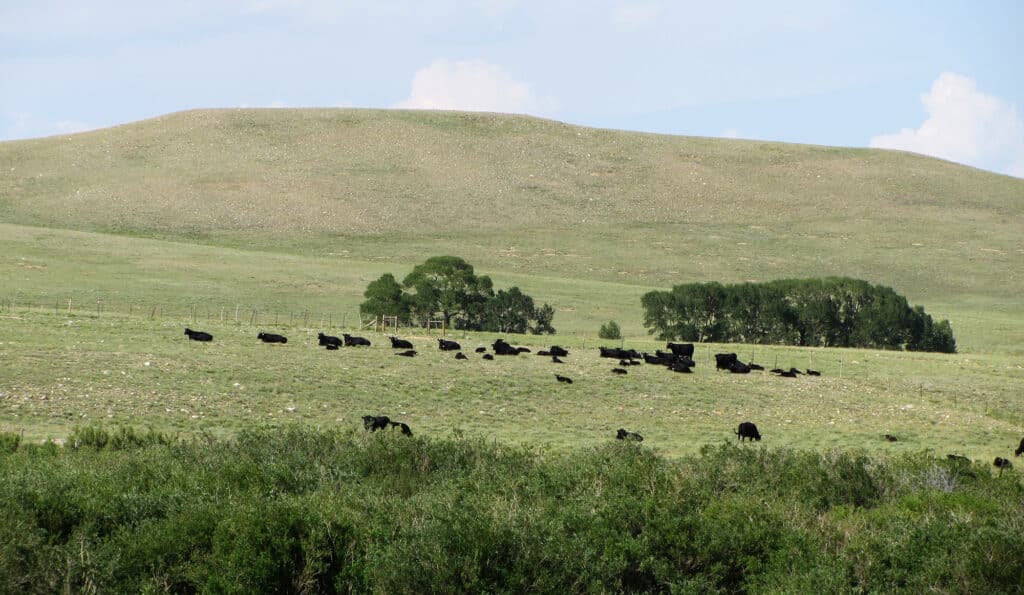
Grazing permits are authorizations issued by federal or state agencies that allow private landowners or operators to graze livestock on public lands. These lands are typically managed by:
- Bureau of Land Management (BLM)
- U.S. Forest Service (USFS)
- State Land Boards, which lease grazing rights on state trust lands
Unlike deeded land, grazing permits are not property rights. They are revocable privileges with management requirements, usage limitations, and oversight from the issuing agency.
 |
 |
 |
How Do Grazing Permits Impact Ranch Value?
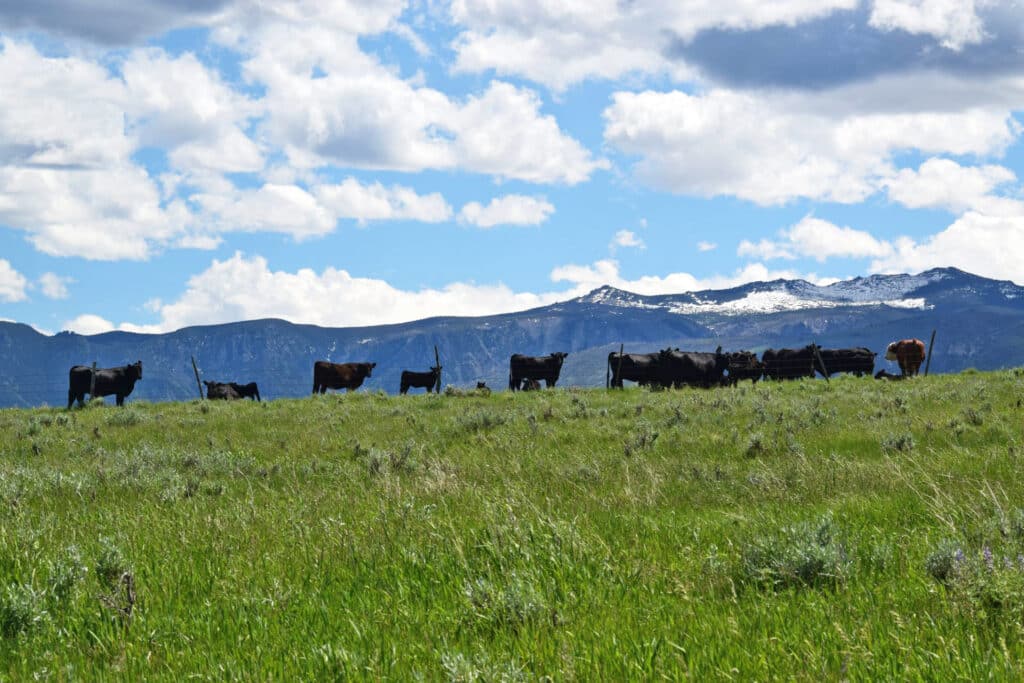
Grazing permits can significantly enhance the value of a ranch by expanding the usable grazing acreage and increasing livestock carrying capacity. However, their contributions extend beyond production. These permits often add value through the sheer expanse of accessible land and the ranching lifestyle they support—appealing to buyers looking for both operational utility and recreational freedom.
A study in Idaho modeled the market value of a 20-section Great Basin ranch where roughly 40% of the forage base was supplied by federal lands. The analysis revealed notable regional variations:
-
Eastern Idaho ranches averaged around $685,000, or $5,142 per Animal Unit Yearlong (AUY).
-
Central Idaho’s scenic Lost Rivers area saw values closer to $1.02 million, or $7,658 per AUY.
-
Southern Idaho and neighboring desert regions averaged approximately $395,000, or $2,963 per AUY.
Source: Farm Progress
These comparisons illustrate how federal grazing access—alongside landscape appeal and regional market dynamics—can substantially influence overall ranch value. The marginal value of a federal grazing permit alone, which typically includes 17 acres of federal land and one Animal Unit Month (AUM), is estimated between $2,000 and $3,000.
In Wyoming, similar research has shown that reductions in BLM AUMs can result in meaningful losses to a ranch’s value and operating potential. In one study, a 25% reduction in BLM AUMs led to a 10% decrease in herd size, a 12% drop in annual net income, and a decline in overall ranch value of nearly 10%—with each lost AUM reducing value by an estimated $145.
Furthermore, the same study projected that if BLM grazing were eliminated, the operation could face a 40% herd reduction, a 70% loss in annual income, and a 58% decrease in total ranch value. These figures underscore how central grazing permits are to the long-term viability and investment performance of the ranches that utilize them across the Western ranching landscape.
Source: Wyoming Livestock Roundup
 |
 |
Grazing Permits and Land Management
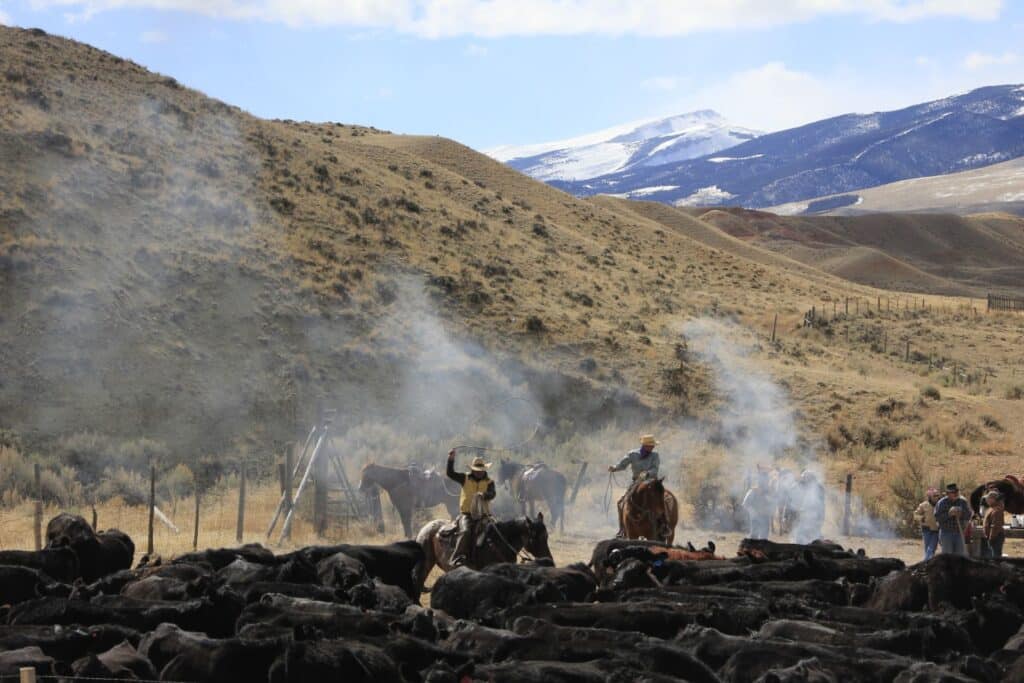
Managing a ranch with grazing permits requires strict adherence to the terms set by federal or state agencies. These terms are not just bureaucratic, they’re designed to protect land health and ensure the sustainability of public rangelands. In states like Montana, Wyoming, Colorado, Idaho, Utah, and Nebraska, where arid climates and fragile ecosystems prevail, responsible land management is essential to maintaining both permit eligibility and long-term operational viability.
Common agency expectations include:
- Rotational Grazing: Moving livestock between pastures or allotments allows vegetation to recover and prevents overgrazing. Many BLM and Forest Service permits incorporate rest-rotation or deferred-rotation systems as part of the approved grazing plan.
- Fencing and Water Management: Proper fencing supports livestock distribution and protects riparian zones, while reliable water infrastructure (stock tanks, pipelines, developed springs) helps minimize pressure on sensitive areas.
- Environmental Stewardship: Ranchers must actively manage erosion control, invasive species, wildlife habitat protection, and cultural or historical site preservation. These requirements are essential as public land agencies continue shifting toward resource-specific management frameworks.
In short, a grazing permit is not just permission to use land—it’s a stewardship agreement. Buyers should be prepared to comply with agency rules and to invest in proactive land health strategies that align with long-term ranch goals and agency expectations.
 |
 |
Types of Grazing Permits
BLM Grazing Permits
Agency: Bureau of Land Management (Department of the Interior)
Governing Law: Taylor Grazing Act of 1934
Authorization Type: Grazing Permit or Lease
Term Length: Typically 10 years
Transferable: Yes, with BLM approval
Location: Predominantly in western states including—Wyoming, Montana, Colorado, Utah, Idaho,
Key Characteristics:
Bureau of Land Management (BLM) issues grazing permits and leases to authorize livestock grazing on public lands designated for this use. These permits are closely associated with a base property, which is private land owned or controlled by the permittee and serves as the foundation for the grazing operation.
- Base Property Requirement: Eligibility for a BLM grazing permit requires ownership or control of base property. When such property is sold, the associated grazing preference does not automatically transfer; the new owner must apply for a transfer and meet all qualifications.
- Animal Unit Months (AUMs): Grazing use is measured in AUMs, representing the amount of forage required to sustain one cow-calf pair (or equivalent) for one month. Each permit specifies the number of authorized AUMs and the grazing season.
- Resource Management and Compliance: Permit holders must adhere to BLM rangeland health standards, which include maintaining ecological conditions, preventing overgrazing, and protecting riparian areas. Non-compliance or changes in land use policies can lead to adjustments, suspensions, or cancellations of permits.
- Land Use Plans and Allotment Evaluations: Grazing authorizations are guided by local BLM Resource Management Plans (RMPs) and periodic allotment evaluations that assess on-the-ground conditions, potentially influencing future grazing levels or conditions.
Engaging with a land broker experienced in BLM grazing administration and maintaining open communication with the local BLM field office can facilitate a smoother permit transition and a clearer understanding of ongoing responsibilities.
 |
 |
Buyer Considerations and Recommendations
Verify Base Property Eligibility and Control
The base property must be legally deeded or leased and capable of supporting a livestock operation (e.g., access to water and working facilities). If the base property does not meet BLM criteria, the associated grazing preference may be forfeited. Buyers should ensure that the base property and any range improvements (corrals, fences, and water systems) comply with current BLM standards.
Review the Allotment’s Grazing History and Performance
Prospective buyers should request records on AUM use, rangeland condition assessments, and any instances of non-compliance. A history of overuse or suspended use could indicate potential reductions or increased scrutiny. Understanding the allotment’s condition and management expectations helps align operational goals with BLM requirements.
Understand the Terms and Potential for Adjustments
BLM has the authority to revise the terms of a grazing permit during its tenure, especially in response to environmental factors such as drought, wildfire, land use conflicts, or habitat protections. Buyers should be aware that the number of AUMs and the season of use can change over time.
Assess Range Improvements and Shared Use
BLM allotments may include shared infrastructure utilized by multiple permittees. Buyers should identify which improvements are private (owned by the seller) versus government-installed, and whether maintenance obligations will be inherited. Cooperative agreements or cost-sharing arrangements may be in place.
Engage the Local BLM Field Office and Your Team Early
When purchasing a ranch associated with an active Bureau of Land Management (BLM) grazing permit, it’s essential to initiate contact with the local BLM field office promptly and collaborate closely with your broker and legal team throughout the process. Grazing preferences tied to base property ownership do not automatically transfer upon the sale of a ranch. To facilitate the transfer, the buyer must submit a Grazing Preference Application and Preference Transfer Application (Form 4130-1a) to the appropriate BLM office within 90 days of acquiring the base property. Approval depends on the transferee meeting all qualifications, including demonstrating ownership or control of the base property and agreeing to the existing terms and conditions of the permit. Additionally, the transferee must file an application for a grazing permit or lease corresponding to the transferred preference simultaneously with the transfer application. Conducting thorough due diligence on the permit’s status, range conditions, and allotment access before closing is crucial to ensure a smooth transfer process.
Understanding BLM Grazing Permits | BLM Grazing Permit Renewal Process
USFS Grazing Permits
Agency: U.S. Forest Service (Department of Agriculture)
Governing Law: Granger-Thye Act of 1950
Authorization Type: Term Grazing Permit
Term Length: Typically 10 years
Transferable: Yes, with Forest Service approval
Location: National Forest lands across the West
Key Characteristics:
Permits issued by the U.S. Forest Service (USFS) authorize livestock grazing on designated allotments within National Forest lands. While similar in purpose to BLM grazing permits, USFS authorizations typically involve more detailed operational expectations due to the terrain, ecological diversity, and recreational use common in forested areas.
- Permit terms often include Allotment Management Plans (AMPs), terrain-specific restrictions, and adaptive grazing protocols based on resource conditions.
- Transfers are not automatic—they require formal notice and approval by the local Forest Supervisor.
- Permittees may be responsible for range improvements, including fencing, water infrastructure, and erosion control structures.
Working with a knowledgeable broker and establishing early communication with the local Forest Service office can streamline the transfer process and reduce the risk of unexpected delays post-closing.
Buyer Considerations and Recommendations:
Contact the Local District Ranger Early
Forest Service permits are not automatically transferable with a land sale. The District Ranger must approve the transfer of the grazing permit, and the buyer must meet eligibility criteria, including ownership of the base property and the ability to manage livestock in compliance with Forest Service policies. Reaching out early allows time to understand the allotment’s history, current management plan, and whether the seller is in good standing.
Confirm the Base Property and Use History
The grazing permit is tied to a specific base property, which must be included in the sale and capable of supporting a livestock operation. Buyers should verify that the base property is valid under Forest Service rules, that it meets infrastructure standards (fencing, water), and that the permit hasn’t been suspended or reduced due to past non-compliance.
Understand Allotment Management Plans and Obligations
Forest Service permits often include Allotment Management Plans (AMPs) that outline stocking rates, season of use, range improvements, monitoring requirements, and coordination with other land users. Buyers should request a copy of the current AMP and evaluate whether their operational goals align with the plan’s terms.
Assess Range Improvements and Maintenance Responsibility
Many permits require permittees to participate in maintaining or upgrading range infrastructure—such as fencing, corrals, pipelines, and water systems. These improvements are sometimes shared between multiple permittees or reimbursed partially through agreements, but responsibilities can be significant and should be factored into long-term planning and budgeting.
Anticipate Terrain-Specific Challenges
Grazing on National Forest land often involves rugged or forested terrain, wildlife corridors, and recreational users. These factors may influence livestock distribution, access to certain areas, or seasonal restrictions. Buyers should assess how these conditions will affect their grazing strategies.
Why does the Forest Service allow Grazing | USDA Grazing Administration Requirements and Processes | What to know about your permit
State Grazing Leases
Agency: State land boards or land departments
Governing Authority: State-specific statutes and trust land policies
Authorization Type: Grazing Lease
Term Length: Typically 5–10 years (varies by state)
Transferable: Varies—often requires assignment approval or re-application
Location: State trust lands (e.g., Montana Department of Natural Resources and Conservation (DNRC), Wyoming Office of State Lands and Investments (OSLI), Colorado State Land Board)
Key Characteristics:
State trust lands are managed to generate revenue for public institutions, such as schools and universities. Grazing leases on these lands are typically awarded through competitive bidding processes or direct applications, with specific preferences and requirements varying by state.
- Lease Allocation: States may allocate grazing leases through auctions or application processes. Preferences are sometimes given to adjacent landowners or existing lessees to promote continuity and effective land management.
Lease Terms often specify:
- Animal Unit Capacity: Defines the maximum number of livestock that can graze, based on the land’s carrying capacity.
- Minimum Use Requirements: Ensures the land is utilized effectively and not left idle.
- Weed and Pest Control Obligations: Mandates lessees to manage invasive species and maintain land health.
- Assignment and Transfer: Some states permit the assignment of leases upon the sale of associated land, subject to agency approval; others may require new lease applications. For instance, in Montana, lease assignments must be approved by the DNRC, and specific forms are required for the process.
Buyer Considerations and Recommendations
Review Lease Transfer Policies
Lease transferability varies by state. Some states allow lease assignments with agency approval, while others require re-application or competitive rebidding. For example, in Wyoming, assignments or subleases require approval by the director, and unauthorized transfers can lead to lease cancellation.
Understand Financial Obligations
Lease rates and fee structures differ among states. In Montana, grazing lease rates are calculated annually based on the average price per pound of beef cattle from the previous year, multiplied by a factor set by the Land Board. Buyers should assess current lease rates and anticipate potential adjustments.
Assess Land Management Responsibilities
Lessees are typically responsible for land stewardship, including infrastructure maintenance (fences, water systems) and compliance with environmental regulations. Understanding these obligations is essential for effective land management and budgeting.
Engage with State Land Authorities Early
Initiate communication with the relevant state land department early in the acquisition process. This engagement facilitates a clear understanding of lease terms, transfer procedures, and any pending obligations, ensuring a smoother transition.
Work with an Experienced Broker for Thorough Due Diligence
Engaging an experienced ranch broker is essential when navigating complex grazing lease transactions. A knowledgeable broker provides critical insights, guides you and your advisors, and swiftly identifies potential issues, ensuring a thorough understanding of lease documents, terms, compliance requirements, and pending obligations. This proactive approach streamlines the process, often reducing unexpected costs. Additionally, seasoned brokers maintain extensive networks of professionals—including attorneys, appraisers, accountants, and water rights engineers—offering comprehensive support tailored to your specific needs.
Plan for Potential Re-bidding If Required
If prospective leases do not automatically transfer and are subject to competitive bidding upon expiration or sale, plan ahead for the potential acquisition.
Consult Legal and Land Management Experts
Engage professionals familiar with state land leasing to navigate the complexities of lease assignments, compliance requirements, and strategic planning. If you don’t already have one on your team, an experienced broker can recommend one.
target=”_blank” rel=”noopener”>National Agricultural Law Center – Grazing Leases Overview
Grazing Permit Comparison Chart:
| Type | Term | Transferable? | Governing Body | Common Risks |
| BLM Permit | 10 years | Yes (with BLM approval) | Bureau of Land Management | Transfer delay, compliance history, drought cuts |
| USFS Permit | 10 years | Yes (with approval) | U.S. Forest Service | More restrictions, range improvement requirements |
| State Lease | 5–10 year | Sometimes | State Land Office | May require re-application or competitive bidding |
| Private Land Lease | Negotiated | No (renegotiated) | Contract Law | No guarantee of continuation post-sale |
 |
 |
Buyer Takeaways
Assemble the Right Team Early
A seasoned ranch broker is indispensable when navigating transactions involving grazing permits. They can help flag potential issues early, interpret agency documentation, and keep your deal on track. For added confidence, consider bringing in a land-use attorney, and when appropriate, an ag consultant or NRCS representative. The right team will ensure your purchase aligns with your operational goals—and help you avoid costly surprises.
Assess Grazing Capacity—Not Just Acreage
Prioritize functional carrying capacity over raw acreage. Evaluate forage quality, water infrastructure, fencing, and the actual grazing terms outlined in the permit or lease. Large acreage means little if the AUMs or permitted grazing season won’t support your herd’s needs.
Account for Secondary Management Costs
While lease terms often outline direct responsibilities, indirect operational costs—like challenging terrain, remote access, or difficult cattle management facilities—can add up quickly. If a permit requires significant labor or long drives to move and manage livestock, build those costs into your long-term planning.
Understand Management Obligations
Grazing agreements, particularly those issued by federal and state agencies, come with stewardship expectations. Be prepared to comply with requirements for rotational grazing, invasive species control, water development, and riparian protection. These aren’t optional—they’re critical to retaining the permit and safeguarding land health.
Confirm Transferability and Know the Process
Grazing permits and leases don’t always transfer automatically with the sale of a ranch. Understand what agency approvals are required, what forms must be filed, and whether the base property qualifies under current rules. Delays or denials can impact your ability to operate post-closing.
Request Full Documentation Early
Request complete documentation for all grazing privileges early in the due diligence process. This includes maps, AUM allocations, usage history, and agency communications. Don’t rely on summaries or seller-provided statements—verify every detail directly with the issuing agency.
Our Experience with Grazing Leases & Ranch Properties
At Swan Land Company, we specialize in managing complex ranch real estate transactions, including those involving grazing leases. Our brokers have worked on a variety of properties—both as listing agents and buyer representatives—that incorporate grazing leases. These properties range from expansive cattle ranches that rely on leases for summer grazing to allow for hay production, to diverse operations spanning state and BLM lands. Below are a few examples from our brokers’ portfolios, showcasing the operational scope and potential of grazing leases in successful ranch transactions.
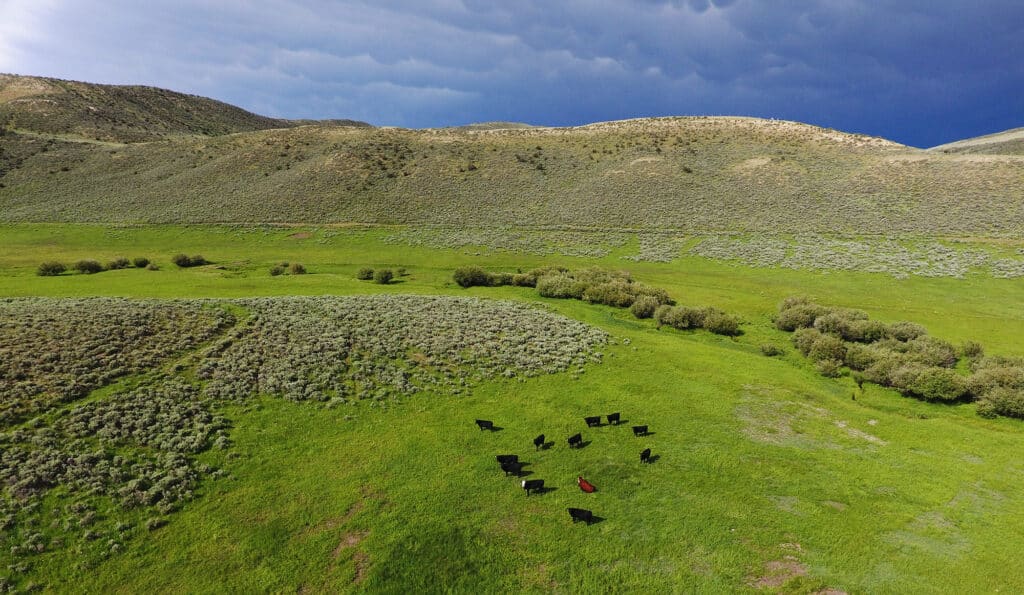 |
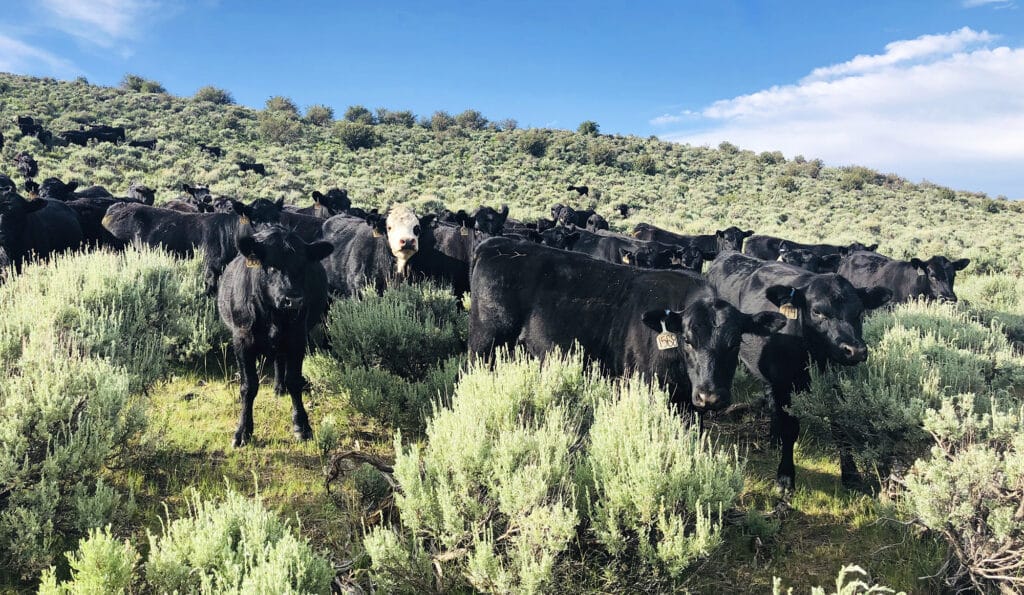 |
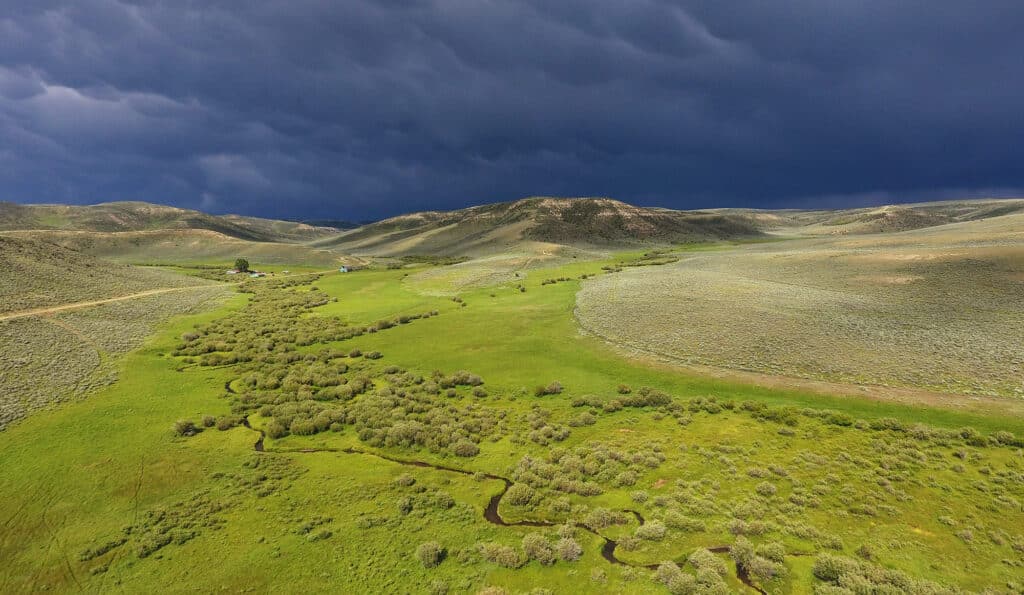 |
McCarty Canyon Ranch
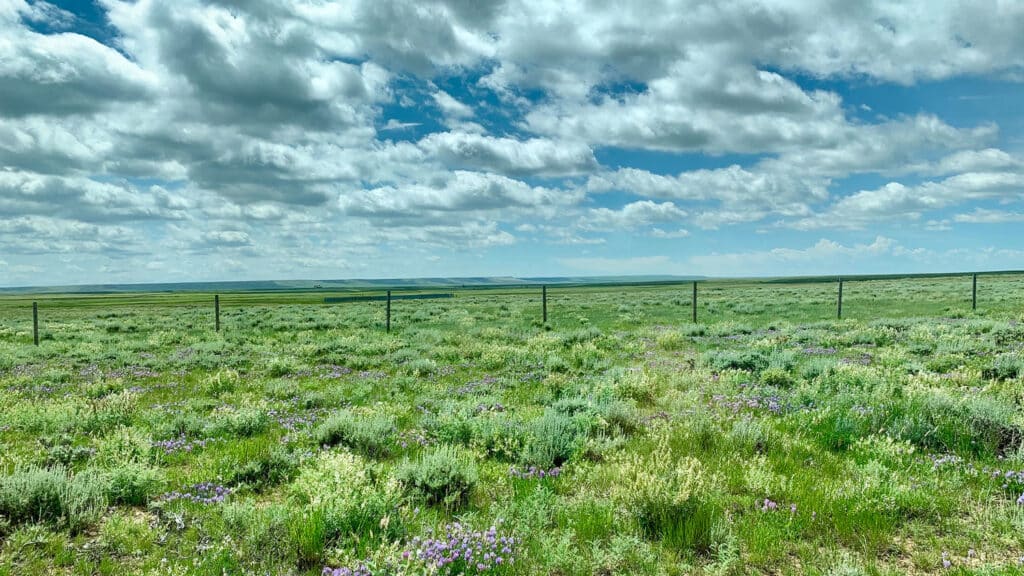
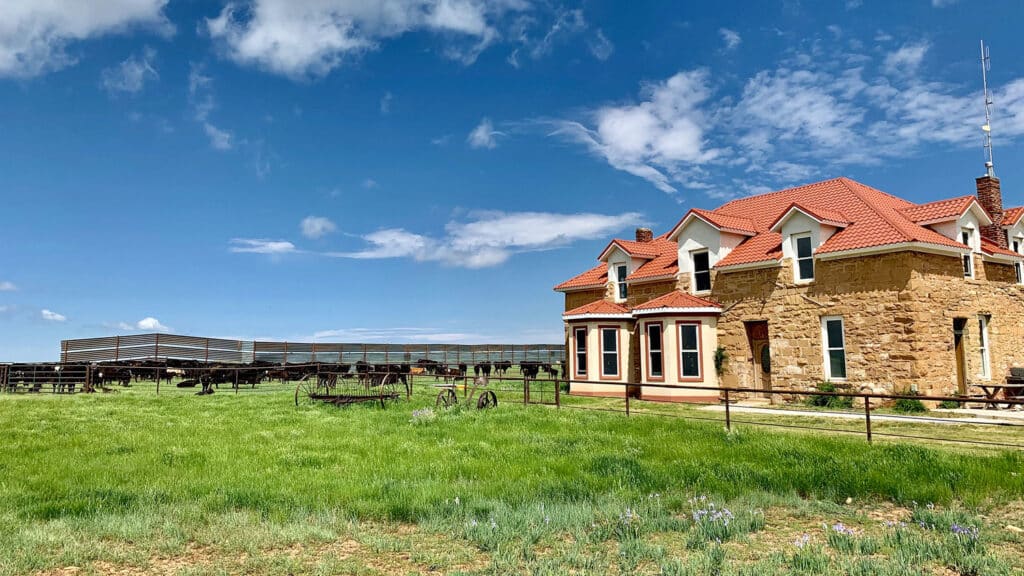
Located in the northern end of the Sierra Madre mountain range, this ranch encompasses approximately 9,436 acres, including 1,160± deeded acres, 5,172± State lease, and 3,104± BLM lease. An extensive portion of this ranches operational acreage was connected to the grazing leases. Which were utilized as a summer grazing unit, known for its hard grass that promotes excellent weight gains in cattle. View Listing
Listed By Swan Land | Kirby A. Berger and Scott Williams
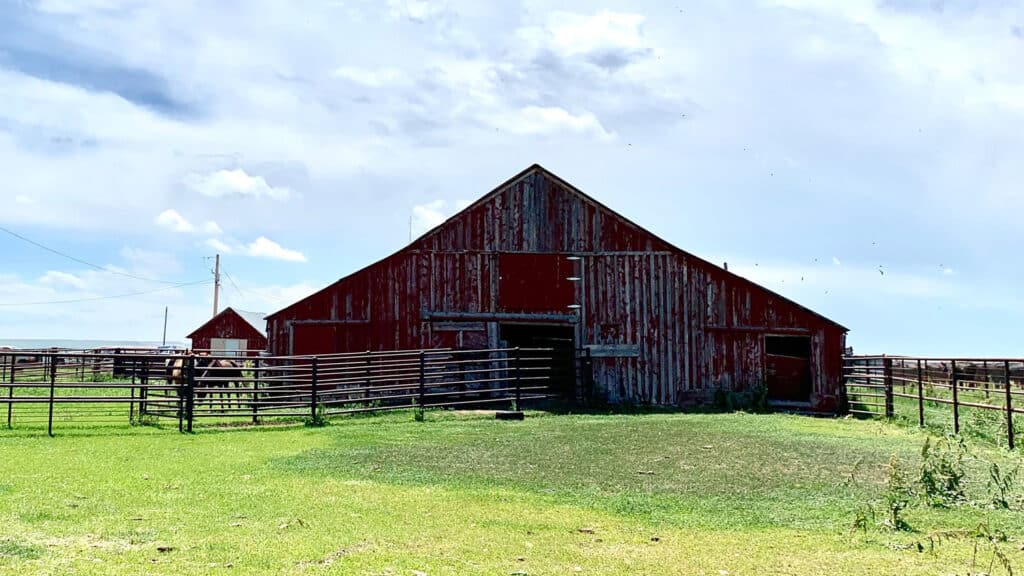 |
 |
 |
Kite Ranch | SOLD
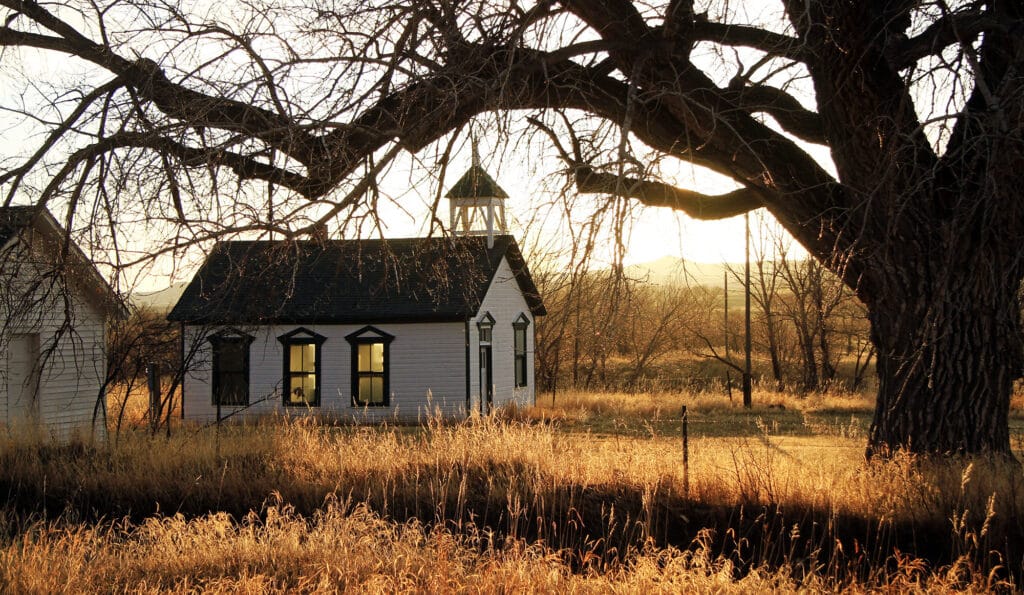
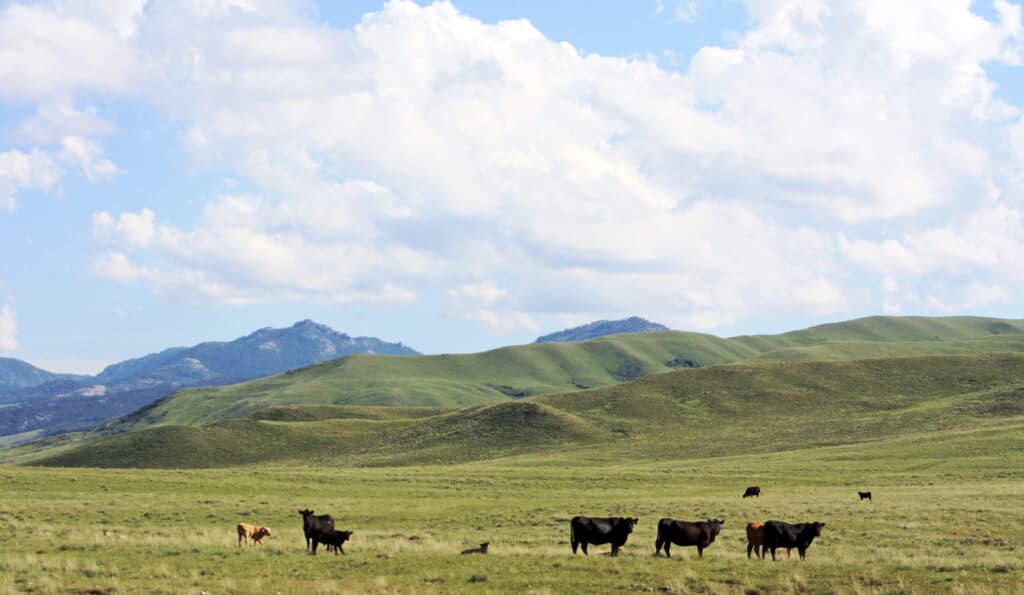
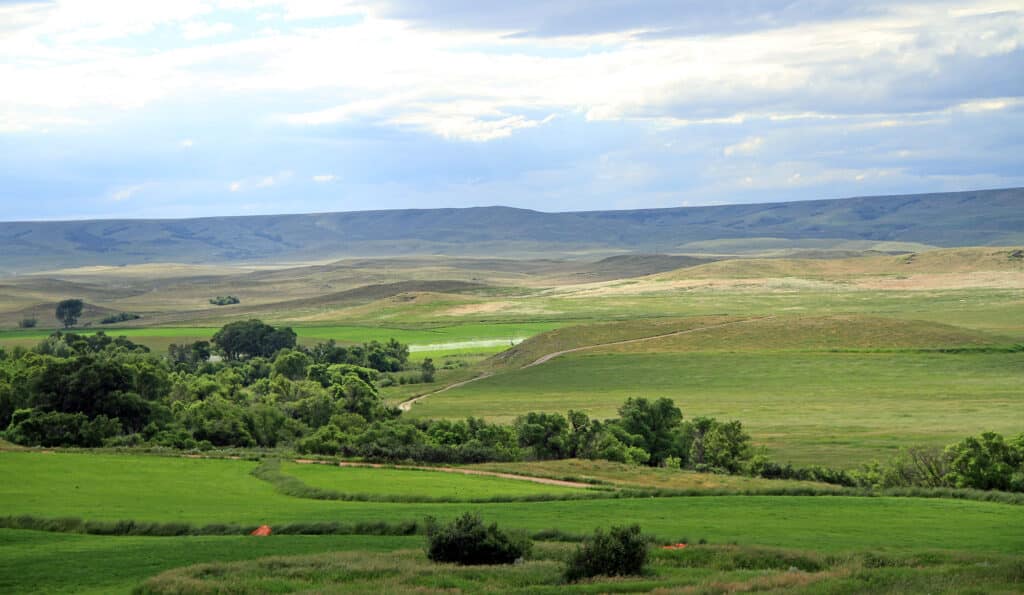
Situated in Albany County, Wyoming, Kite Ranch spans about 30,726 acres, comprising 8,561± deeded acres along with state, BLM, and private leases. Renowned for its high-quality grazing land, the ranch offers exceptional weight gains on yearling cattle and includes over six miles of the Laramie River. It’s an excellent example of the operational scope added by leases. View Listing
Buyer Represented By Swan Land | Scott Williams
 |
 |
 |
Tomahawk Ranch | SOLD
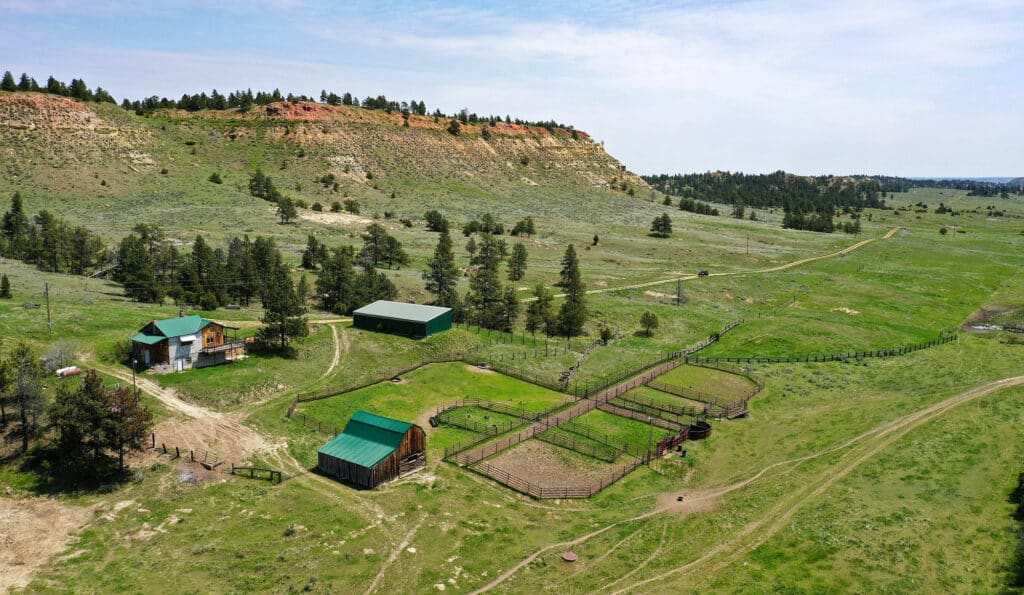
Located near Douglas, Wyoming, Tomahawk Ranch is a reputation cattle ranch covering nearly 17,460 acres, with 14,125± deeded acres. Including 3,214.3± acres of Wyoming State Lease and 120± acres of BLM leases. It operates year-round, carrying approximately 800 cows, plus replacement heifers, bulls, and saddle horses, and produces about 1,700 tons of hay annually. View Listing
Listed By Swan Land | Scott Williams
 |
 |
 |
Leidholt Ranch | SOLD
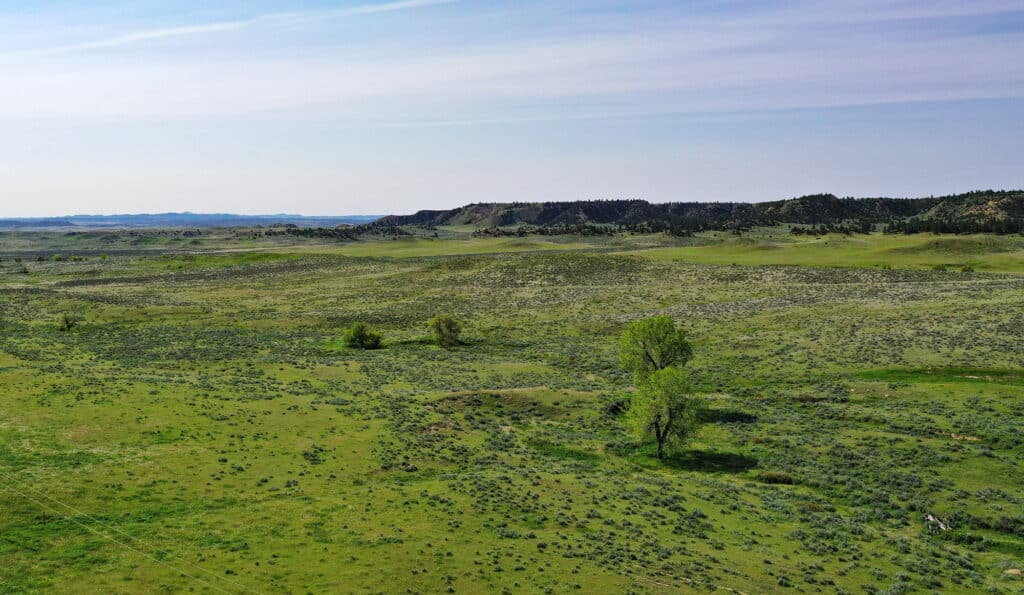
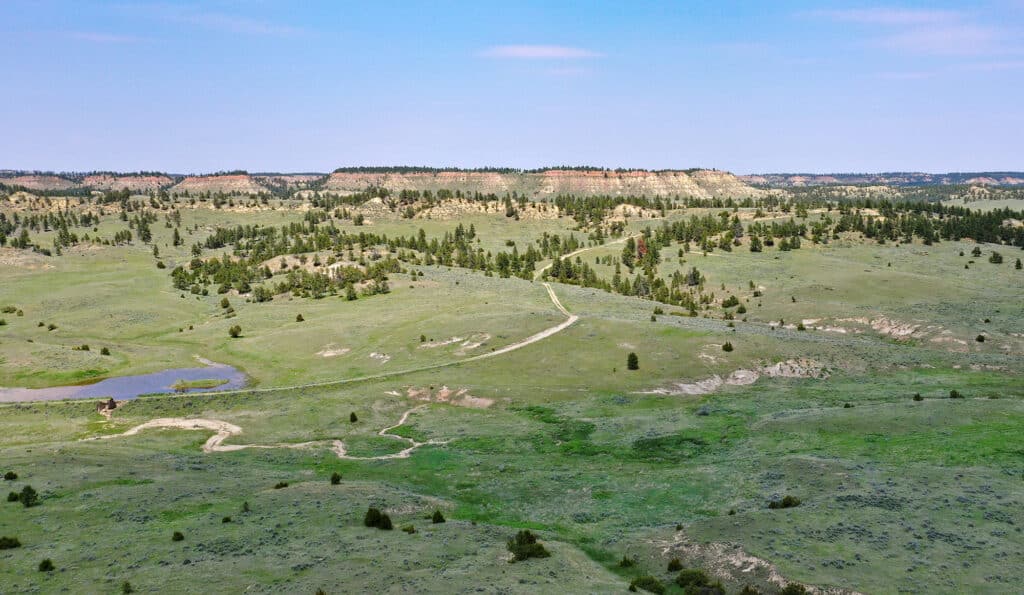
Situated in eastern Montana’s Tongue River drainage, Leidholt Ranch encompasses 7,720± deeded acres, with additional BLM and private leases totaling around 8,200 acres. It’s estimated to support about 250 animal units annually and includes a 110-acre center pivot with excellent water rights along the Tongue River. View Listing
Listed By Swan Land | Tim Anderson
Work with an agent who understands the complexities of land and grazing transactions. View Swan Land Company’s Team.