
The image of a lone cowboy on horseback has long symbolized the American ranching tradition. While this romantic vision holds cultural significance, today’s ranching operations increasingly resemble high-tech enterprises. Modern ranchers are adopting sophisticated technologies, transforming how they manage livestock, land, and resources. This technological evolution is revolutionizing an industry with deep historical roots, enabling ranchers to address contemporary challenges, including climate change, economic pressures, labor shortages, and increasing consumer demands for sustainable, ethically produced meat products.
Precision Agriculture and Land Management

Advanced Mapping and Monitoring Systems
High-Resolution GPS and GIS Integration
Modern ranching operations employ centimeter-accurate GPS systems integrated with comprehensive GIS platforms. These technologies allow ranchers to create detailed topographical maps of their properties, identifying optimal grazing areas, water sources, and natural barriers. For example, ranchers in Montana’s Paradise Valley use GIS mapping to plan rotational grazing patterns that maximize forage utilization while allowing optimal rest periods for native grasslands.
Remote Sensing Technologies
Beyond basic drone surveys, ranchers now utilize multispectral and thermal imaging cameras mounted on drones or satellites. These tools can detect early signs of plant stress, identify invasive weed species, and monitor biomass production across extensive rangelands.
LiDAR and 3D Terrain Modeling
Light Detection and Ranging (LiDAR) technology enables ranchers to create precise 3D models of their land, facilitating improved water drainage planning, fence placement, and erosion control measures. This technology has proven particularly valuable for ranchers in regions with varied topography, such as the rolling hills of the Nebraska Sandhills.
Automated Land Management Systems
Robotic Brush Clearing and Maintenance
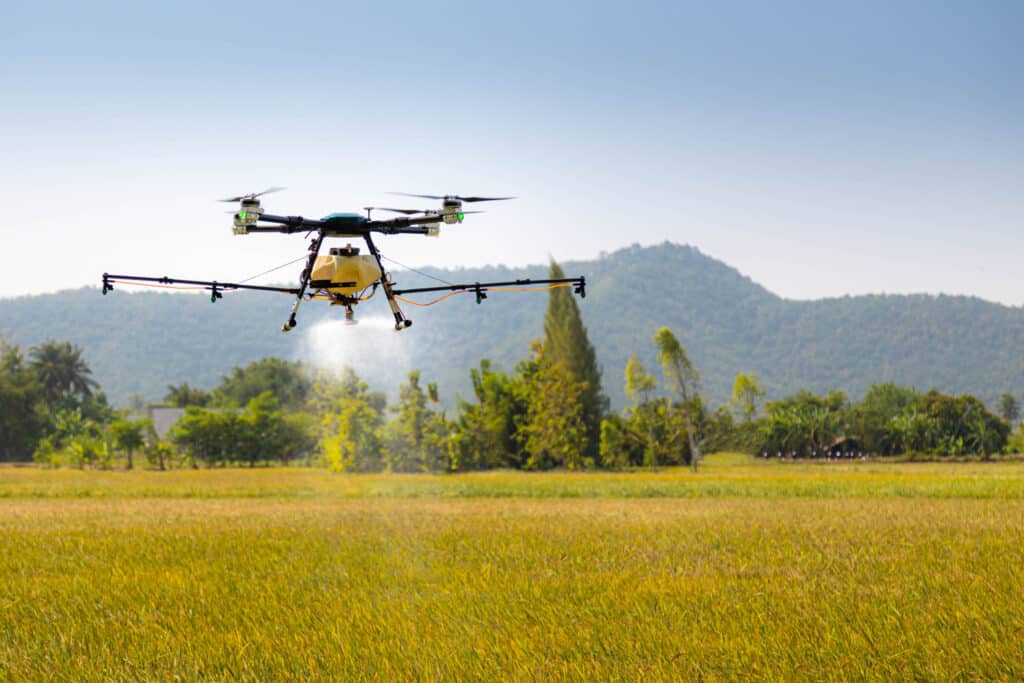
Autonomous machines now assist with routine land maintenance tasks such as brush clearing and fence line maintenance. These robots can navigate rugged terrain and work continuously, addressing the labor shortages many ranching operations face. Although it is not yet widely documented in Montana ranching operations, the technology advances rapidly in agricultural settings.
Precision Herbicide Application
GPS-guided sprayers with computer vision capabilities can identify specific weed species and apply targeted herbicide treatments, reducing chemical usage by up to 90% compared to traditional broadcast spraying methods.
Erosion Monitoring Systems
Networks of soil sensors combined with rainfall data allow ranchers to identify areas at risk of erosion and implement preventative measures before significant soil loss occurs.
Advanced Livestock Monitoring and Management
Biometric Identification and Tracking
EID (Electronic Identification) Systems
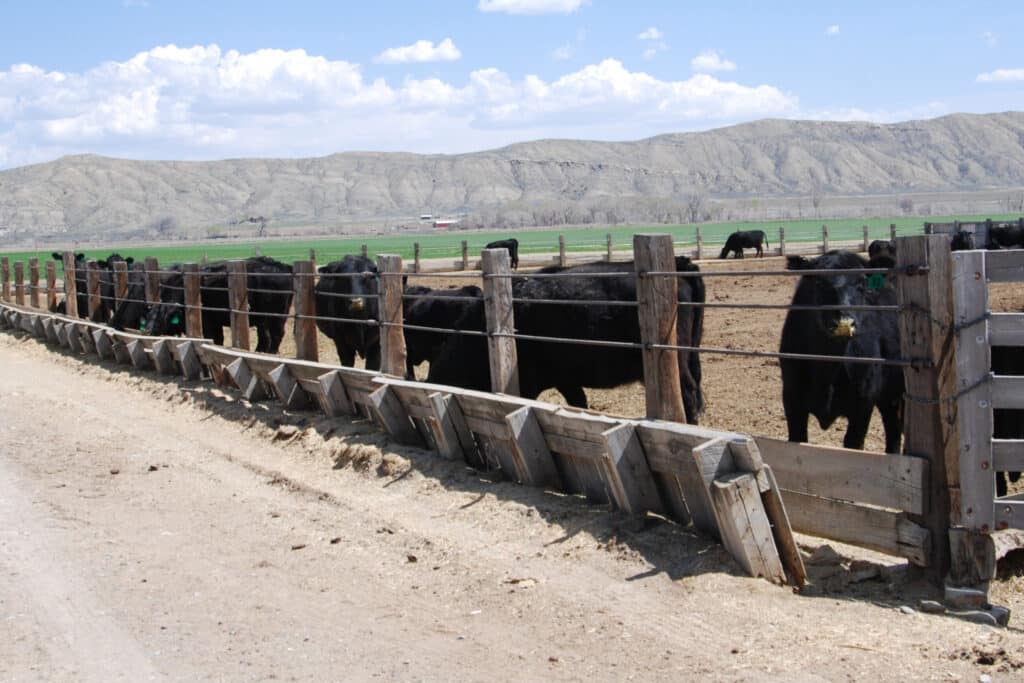
Modern electronic identification systems are used for animal management to store comprehensive animal health records, genetic information, and production data. These advanced tags connect to ranch-wide information systems, facilitating compliance with increasingly stringent traceability regulations.
Facial Recognition for Livestock
AI-powered cameras at water stations and feeding areas can identify individual animals through facial recognition, eliminating the need for physical tags and providing non-invasive tracking options.
Movement Pattern Analysis
Advanced algorithms analyze GPS tracking data to detect subtle changes in animal movement patterns that may indicate health issues, social dynamics within the herd, or predator presence. For instance, researchers at New Mexico State University demonstrated that changes in cattle movement patterns could detect respiratory disease up to three days before clinical symptoms appeared.
Health Monitoring Systems
Rumen Bolus Sensors
Ingested sensors in cattle’s first stomachs can continuously monitor core body temperature, pH levels, and rumination activity. These devices transmit data to central monitoring systems, allowing for early detection of digestive disorders and metabolic issues.
Non-Invasive Health Monitoring
Smart ear tags with accelerometers and temperature sensors track activity levels, eating patterns, and body temperature, generating alerts when parameters deviate from normal ranges.
Automated Visual Health Assessments
AI-powered camera systems at water points and feed bunks can analyze gait, body condition, and coat quality to assess overall health without human intervention.
Reproductive Technologies
Estrus Detection Systems
Accelerometer-based sensors detect increased activity associated with estrus, enabling more precise timing of artificial insemination and improving conception rates. The systems go from computerized tools to visual observation, which deliver different levels of accuracy.
Ultrasound and Pregnancy Verification
Portable ultrasound devices connected to smartphone apps allow ranchers to confirm pregnancies earlier and more accurately. Some systems can even estimate fetal age and predict calving dates.
Genetic Testing and Selection Tools
On-ranch DNA testing capabilities enable ranchers to make breeding decisions based on genetic markers for desirable traits such as feed efficiency, disease resistance, and meat quality. The American Angus Association’s Angus Genetic Evaluation incorporates these genomic inputs to help ranchers make more informed breeding decisions.
Feeding and Nutrition Management

Precision Feeding Technologies
Individual Animal Feed Monitoring
Advanced feed bunks equipped with EID readers can track individual animal consumption patterns and adjust rations accordingly. This technology has been particularly valuable in seed stock operations, where precision nutrition can maximize genetic potential.
Automatic Supplementation Systems
Remote-controlled or timer-activated protein and mineral supplementation stations ensure consistent nutrition in extensive grazing operations. These systems can be programmed to dispense specific amounts based on seasonal requirements.
Feed Analysis and Formulation Software
Near-infrared spectroscopy (NIRS) tools allow ranchers to analyze forage quality in real-time and adjust supplementation strategies accordingly. Integrated software then formulates the least-cost rations that meet nutritional requirements while minimizing expenses.
Grazing Optimization Tools
Virtual Fencing Systems
Collar-based systems deliver mild audio warnings followed by small electrical stimuli when animals approach GPS-defined boundaries. These “virtual fences” can be reconfigured remotely, enabling precise rotational grazing without the labor and expense of physical fence construction. Companies like Vence are pioneering these systems for commercial applications.
Predictive Grazing Models
AI-driven platforms combine historical grazing data, current forage conditions, weather forecasts, and stocking density to recommend optimal paddock rotations and grazing durations.
Forage Quality Mapping
Drones equipped with specialized sensors create real-time forage quality maps, allowing ranchers to direct animals to areas with optimal nutritional value at different times of year.
Water Management and Conservation

Intelligent Water Systems
Solar-Powered Remote Water Monitoring
Solar-powered sensors measure water levels, flow rates, and quality parameters in the ranch’s tanks and natural water sources. These systems transmit real-time data to central monitoring platforms, alerting ranchers to potential problems.
Leak Detection Networks
Underground sensor networks detect moisture changes that indicate pipeline leaks, preventing water waste and environmental damage. These systems have proven valuable in arid regions like the Southwestern United States.
Water Quality Management
Automated systems continuously monitor pH, dissolved oxygen, and contaminant levels, ensuring livestock have access to clean water. Some advanced systems can automatically initiate treatment processes when water-quality parameters fall outside acceptable ranges.
Precipitation Optimization
Rainfall Harvesting Systems
Computer-controlled catchment systems maximize the capture and storage of rainfall, reducing dependence on groundwater and external water sources. These systems are becoming increasingly important in regions experiencing more variable precipitation patterns due to climate change.
Soil Moisture Mapping
Networks of soil moisture sensors create comprehensive maps of available soil moisture, informing decisions about pasture rotation and stocking rates. This information helps prevent overgrazing during drought conditions.
Micro-Irrigation for Intensive Grazing Areas
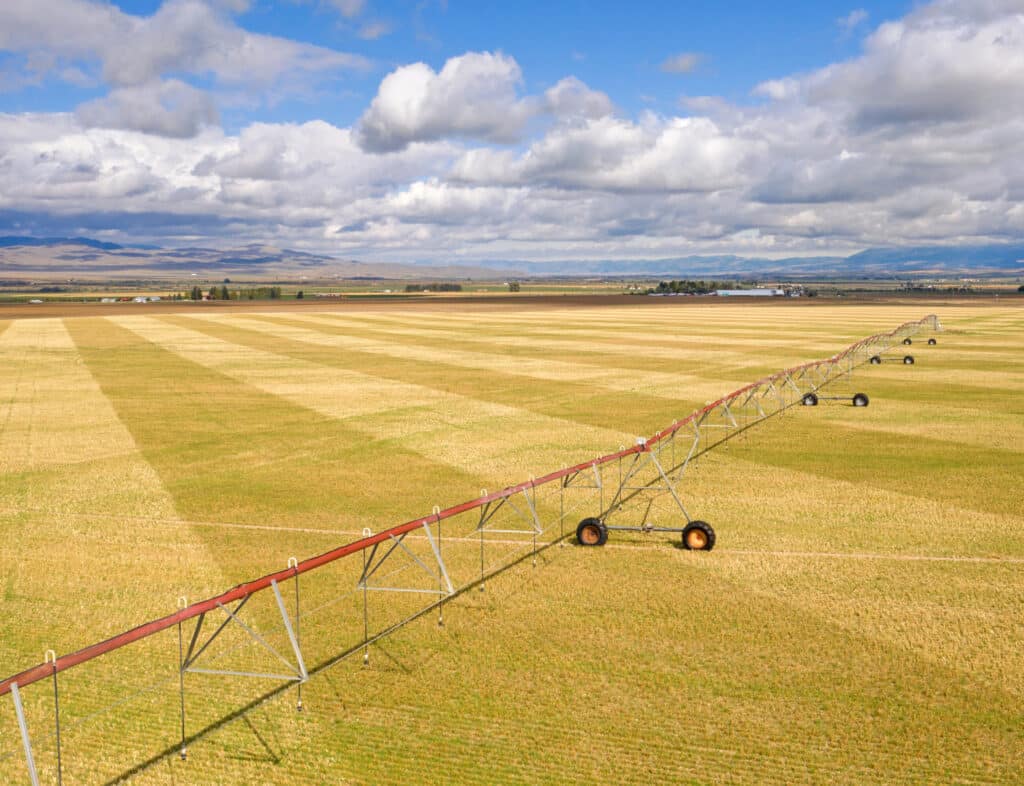
Precision irrigation systems target high-value forage production areas, maximizing water efficiency through soil moisture sensing and weather data integration.
Data Analytics and Decision Support Systems
Comprehensive Ranch Management Platforms
Integrated Operations Dashboards
Cloud-based platforms integrate data from multiple ranch systems, providing comprehensive views of livestock performance, pasture conditions, financial metrics, and market conditions. Platforms like AgriWebb and Livestock Information Network combine these elements into unified management systems.
Predictive Analytics for Ranch Operations
Machine learning algorithms analyze historical data to predict optimal times for key activities such as calving, weaning, and marketing. These predictive tools help ranchers anticipate challenges and opportunities before they arise.
Mobile-First Management Tools
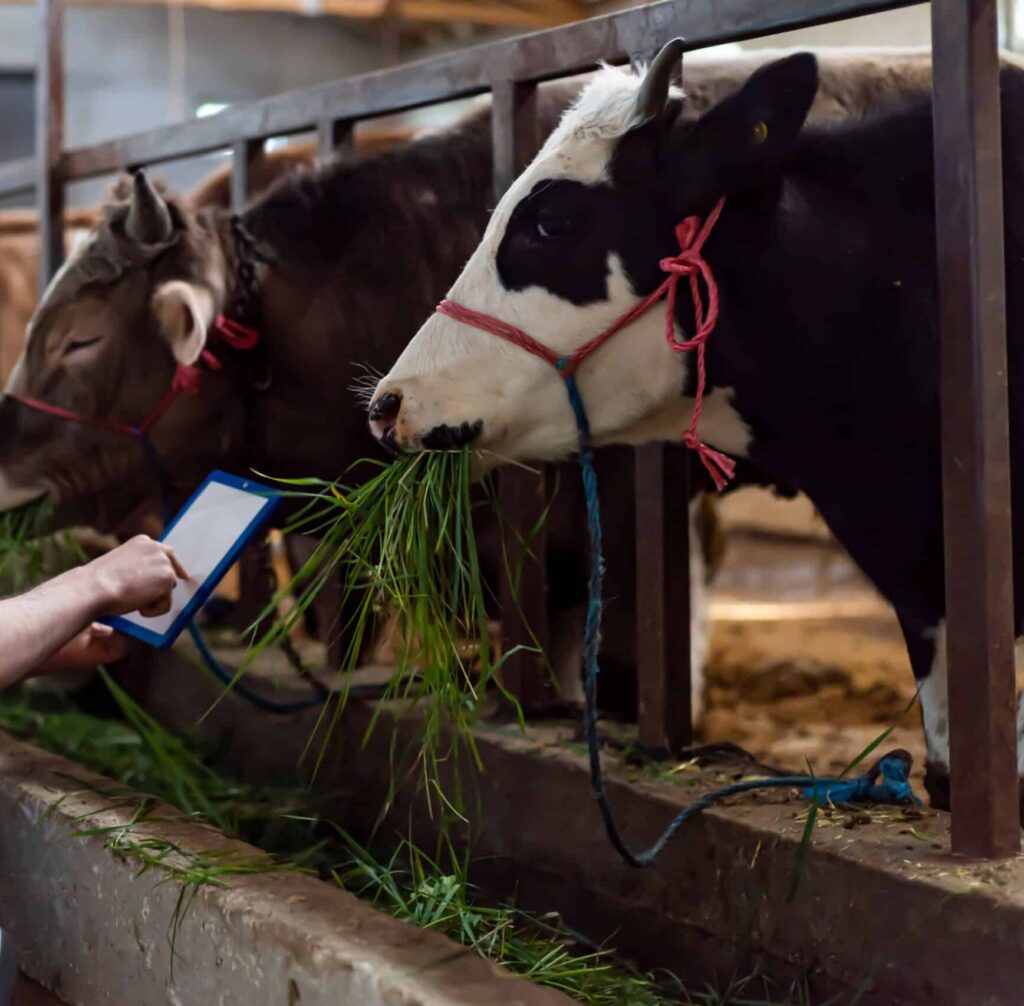
Smartphone and tablet applications allow ranchers to access critical information and control ranch systems from anywhere, whether in the saddle or at the kitchen table. This mobility has transformed day-to-day ranch management.
Financial and Business Intelligence
Market Analysis and Predictive Pricing
AI-driven market analysis tools evaluate current market conditions, historical price trends, and external factors to recommend optimal marketing times and strategies.
Production Cost Tracking
Real-time cost accounting systems track expenses associated with individual animals or herds, enabling more accurate profitability analysis and enterprise comparison.
Risk Management Platforms
Specialized software helps ranchers evaluate weather risks, market volatility, and production uncertainties, facilitating more informed decisions about insurance, hedging, and other risk management strategies.
Climate Resilience and Sustainability Technologies

Soil Carbon Measurement and Monitoring
Advanced soil sampling technologies combined with machine learning analysis allow ranchers to measure and monitor soil carbon sequestration over time. This data can be monetized through emerging carbon credit markets.
Emissions Reduction Technologies
Feed additives and rumen modifiers that reduce methane emissions are being integrated with monitoring systems that verify their effectiveness, allowing ranchers to demonstrate environmental improvements.
Carbon-Neutral Certification Systems
Blockchain-based verification platforms track and verify carbon-reduction practices, allowing ranchers to obtain premium pricing for carbon-neutral or climate-beneficial livestock products.
Adaptive Management Tools
Climate Forecasting and Scenario Planning
Specialized climate modeling tools help ranchers anticipate seasonal conditions and develop contingency plans for various weather scenarios.
Drought Early Warning Systems
AI-powered platforms integrate multiple data sources to provide early warnings of developing drought conditions, allowing proactive adjustments to stocking rates and grazing plans.
Heat Stress Management
Automated systems monitor temperature-humidity index values and activate cooling systems or send alerts when conditions may cause heat stress in livestock.
Direct Marketing and Consumer Connection Technologies
 |
 |
Enhanced Traceability and Transparency
Blockchain-Based Supply Chain Tracking
From birth to consumer purchase, blockchain technology creates immutable records of an animal’s entire life history, verifying claims about production practices and enabling unprecedented supply chain transparency.
Consumer-Facing Traceability Apps
QR codes on retail packaging connect consumers directly to information about the ranch where their beef was produced, building trust and brand loyalty. Companies like IdentiGEN use DNA traceability to verify these connections.
Virtual Ranch Tours and Storytelling Platforms
Augmented and virtual reality experiences allow consumers to “visit” the ranches where their food is produced, creating emotional connections that support premium pricing.
Direct-to-Consumer Infrastructure
Subscription Management Platforms
Specialized software manages complex meat subscription services, from recurring billing to customized cutting instructions.
Last-Mile Logistics Optimization
Route planning and delivery management tools help ranchers efficiently distribute products to local customers, making direct marketing more economically viable.
E-Commerce Analytics
Advanced analytics tools help ranchers understand customer preferences and purchasing patterns, informing production decisions and marketing strategies.
Emerging Technologies on the Horizon
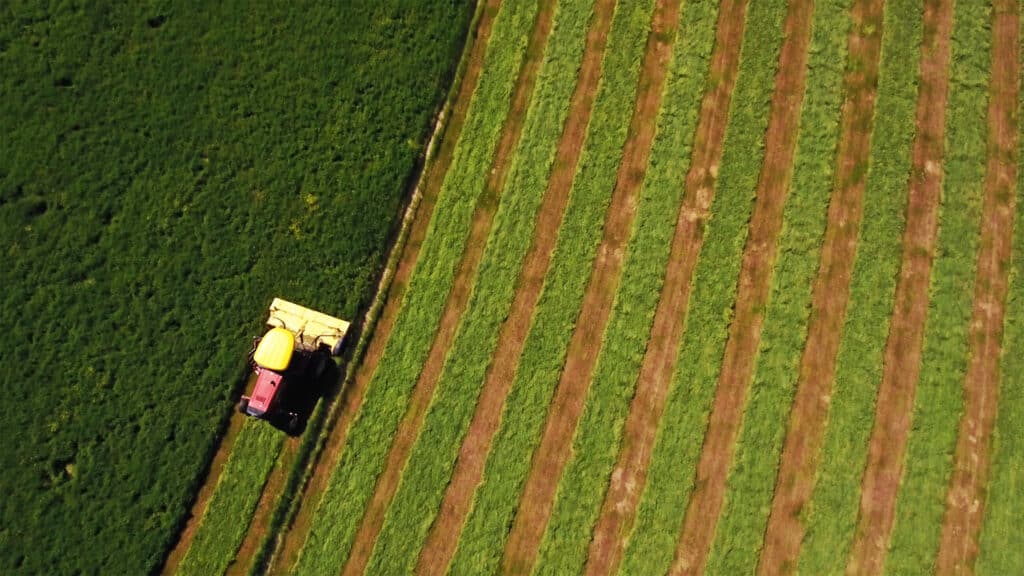
Autonomous Ranching Operations
Robotic Cowboys
Experimental autonomous vehicles designed specifically for livestock handling are being tested at research institutions. These “robotic cowboys” can monitor, gather, and even sort cattle with minimal human supervision.
Drone-Based Herding
Advanced drones with speakers and flight patterns designed to mimic traditional herding techniques are being developed to move livestock between pastures.
Autonomous Feed Delivery
Self-driving feed trucks that mix rations, deliver feed, and monitor consumption are entering commercial testing phases.
Genetic and Biological Technologies
CRISPR Applications in Livestock
Gene-editing technologies offer possibilities for developing cattle with enhanced disease resistance, heat tolerance, and feed efficiency. Research programs at institutions like UC Davis are exploring these applications.
Microbiome Management
New technologies enable ranchers to monitor and manage the rumen microbiome, potentially improving digestion efficiency and reducing methane emissions.
Alternative Breeding Technologies
Advanced reproductive technologies, including semen sexing, embryo splitting, and in vitro fertilization, are becoming more accessible to commercial ranchers, accelerating genetic improvement.
Challenges and Considerations
Economic Constraints
The initial investment required for many advanced technologies remains prohibitive for small and medium-sized ranching operations. Industry leaders and policymakers are exploring cooperative ownership models and subsidized technology adoption programs to address this challenge.
Digital Literacy and Training Needs
Many ranchers, particularly those from older generations, face challenges in adopting and effectively utilizing digital technologies. However, there are extension services and industry organizations that are developing specialized training programs to address this gap.
Rural Connectivity Limitations
The effectiveness of many ranch technologies depends on reliable internet and cellular connectivity, which remains inconsistent across rural areas. Efforts to expand rural broadband access, including satellite-based solutions like Starlink, are critical to technology adoption.
Conclusion
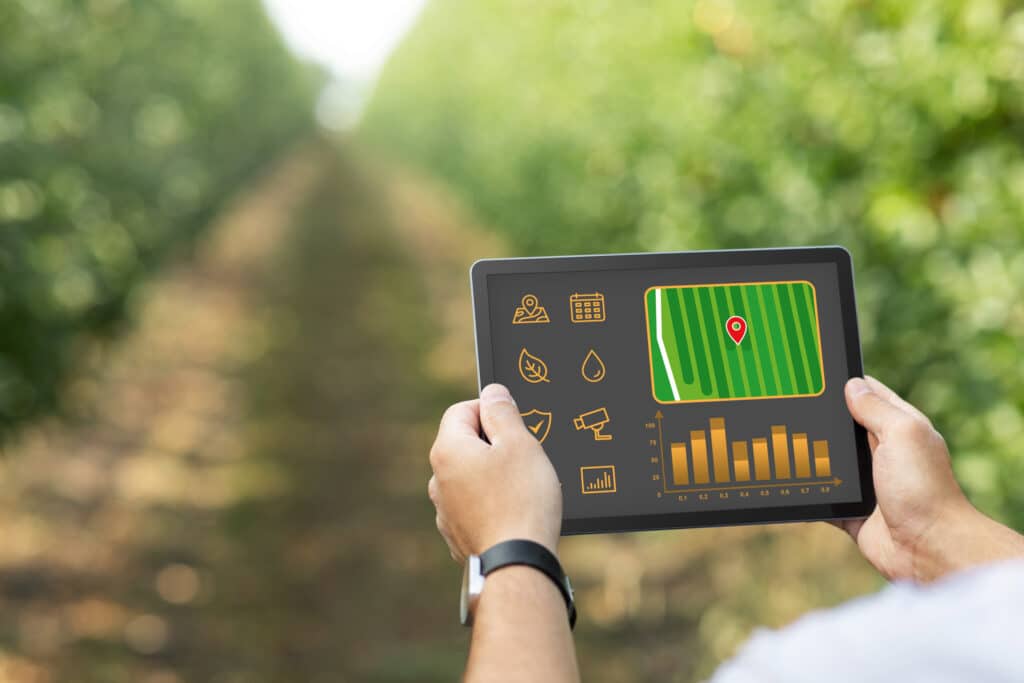
Technology integration in modern ranching represents an evolution and a revolution in one of humanity’s oldest agricultural practices. Today’s progressive ranching operations leverage technology to enhance productivity, improve animal welfare, reduce environmental impacts, and connect directly with consumers. While challenges remain in technology adoption, particularly for smaller operations, the trajectory is clear: the future of ranching will be increasingly data-driven, automated, and technologically sophisticated.
As these technologies continue to mature and become more accessible, they promise to transform ranching into an industry that not only feeds the growing global population but does so in ways that regenerate natural ecosystems, reduce climate impacts, and revitalize rural communities. Tomorrow’s cowboy may still wear cowboy boots and a cowboy hat, but they’ll also carry a tablet, monitor drones, and manage AI systems that help them continue the age-old tradition of raising livestock on the land with a decidedly high-tech twist.