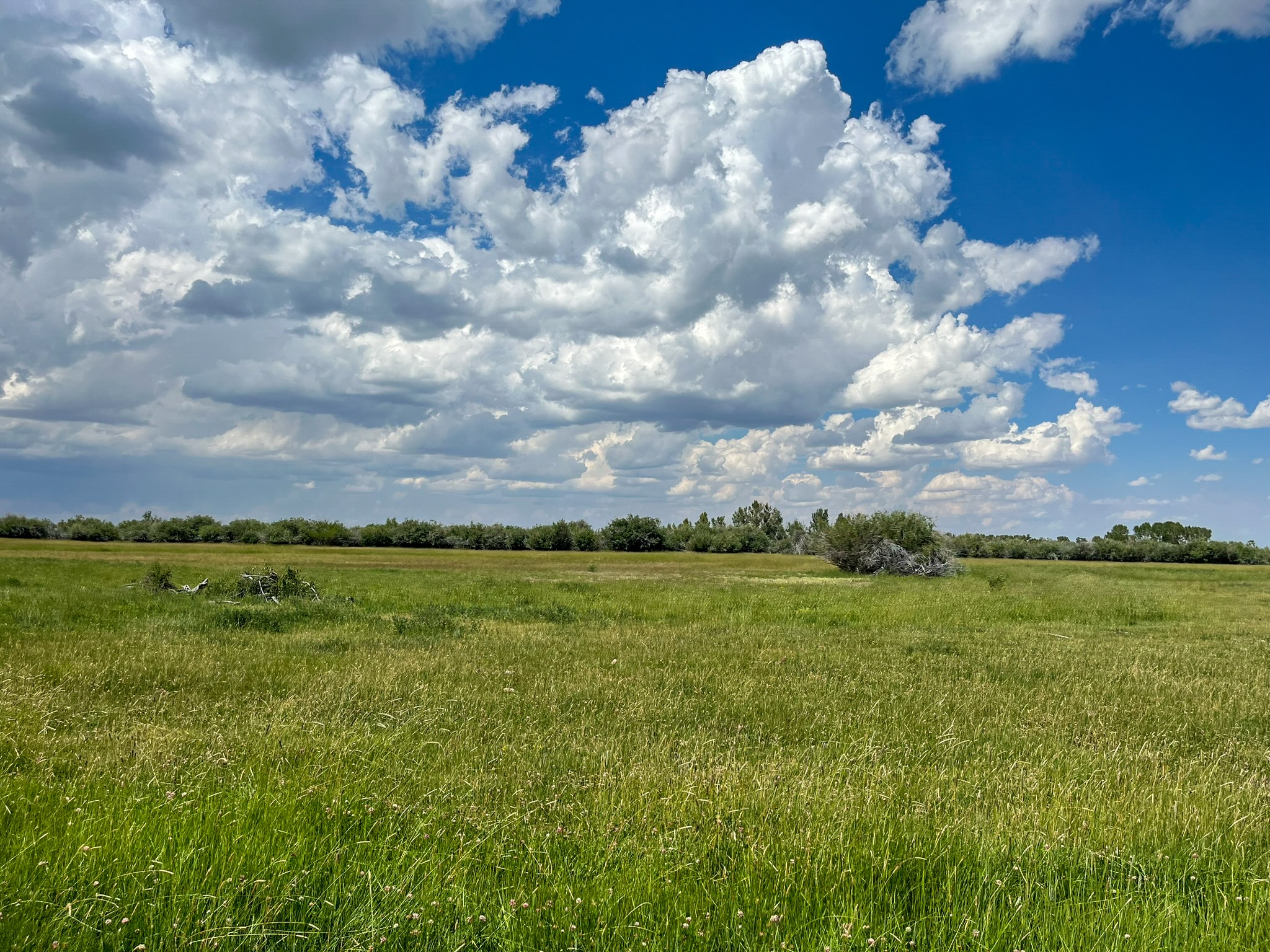
Across Wyoming’s rugged landscape, deep wagon ruts remain etched in the earth—silent testimony to the half million pioneers who once journeyed westward along the Oregon Trail. These travelers, facing the harsh realities of Wyoming’s challenging terrain, depended on vital supply stations like Fort Bridger for their survival. The Bridger Valley emerged as a critical junction where America’s great migration routes converged, fundamentally shaping western settlement and forging the nation’s character. Today, this historic region invites visitors to walk in the footsteps of those who transformed a continent.
Historical Legacy
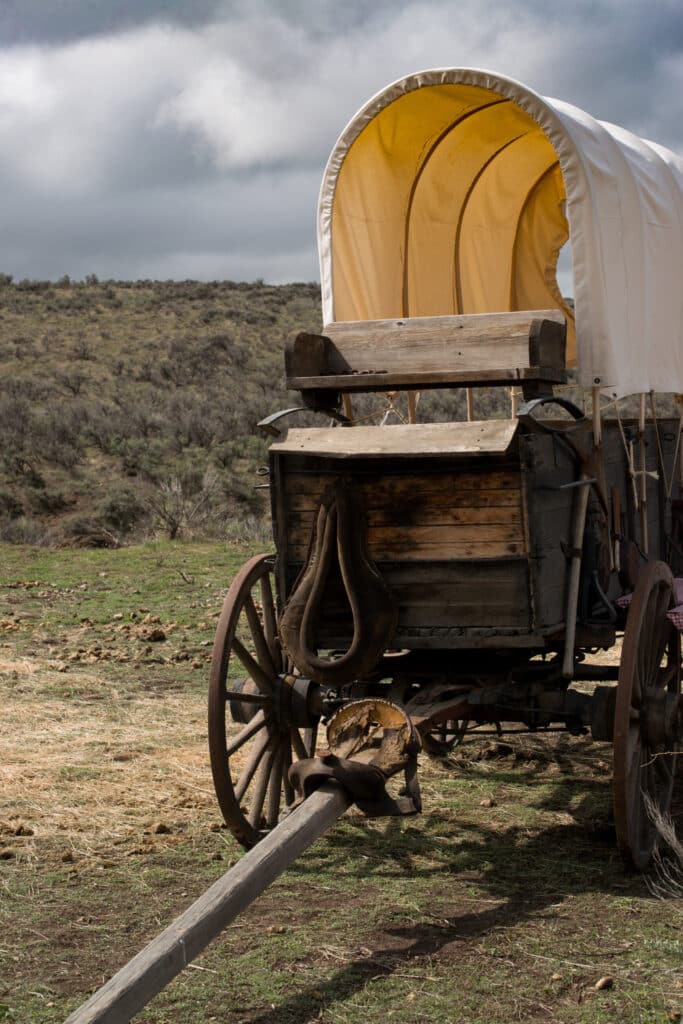
The Oregon Trail stands among America’s most transformative migration stories. It carried approximately half a million people through Wyoming toward new lives in the Oregon Territory and California. This epic movement defined westward expansion, determining where communities would take root and grow into the cities and towns of the modern West. The trail created vital trade connections between East and West, unlocking new markets and resources that powered national economic growth.
Wyoming’s entrance marked a turning point for emigrants, who encountered the rugged, arid conditions that epitomized the western frontier. This massive migration profoundly impacted Native American nations, resulting in conflicts, treaties, and the displacement of indigenous peoples from ancestral territories. Trading posts like Fort Bridger evolved from essential waypoints into permanent settlements that anchored western communities. The pioneer journey through this unforgiving landscape cultivated the distinctly American values of self-reliance, determination, and frontier resilience that continue to define the national spirit.
Fort Bridger’s Pivotal Role
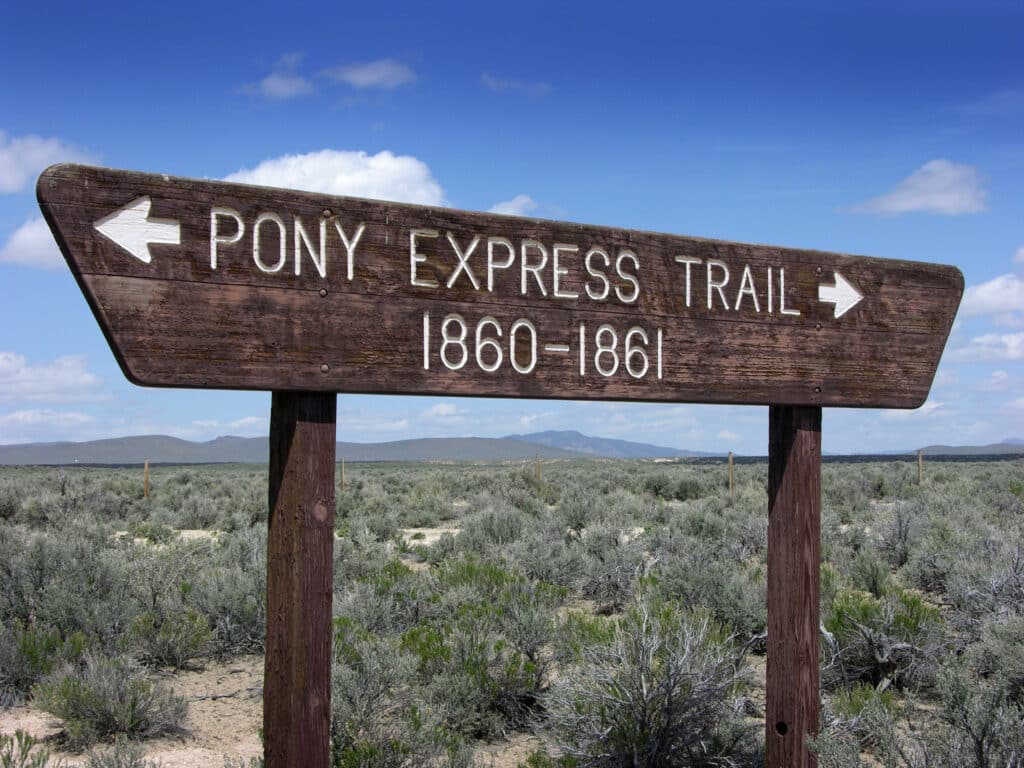
Fort Bridger commanded a central position in the region’s Oregon Trail narrative. Mountain man Jim Bridger and partner Louis Vasquez established this crucial outpost in 1843, creating an indispensable supply station for exhausted emigrants pushing westward. The fort’s strategic location made it Jim Bridger’s renowned trading post on the Oregon Trail, interpreting the diverse trails that channeled through this geographic bottleneck. The fort became the nexus where multiple historic routes intersected—the Oregon Trail, California Trail, Mormon Pioneer Trail, Pony Express Trail, and numerous others.
Mountain View’s Gateway Role
Situated near Fort Bridger within the historic Bridger Valley, Mountain View was established in 1891, well beyond the Oregon Trail’s peak migration years. This Uinta County community now serves as the primary gateway for visitors exploring Oregon Trail heritage. The Mountain View landscape preserves authentic artifacts and structures from the westward expansion era, creating rich historical exploration and education opportunities. The area encourages visitors to engage with local historical sites and educational resources to understand the Oregon Trail’s profound impact on American development.
Oregon Trail Ruts
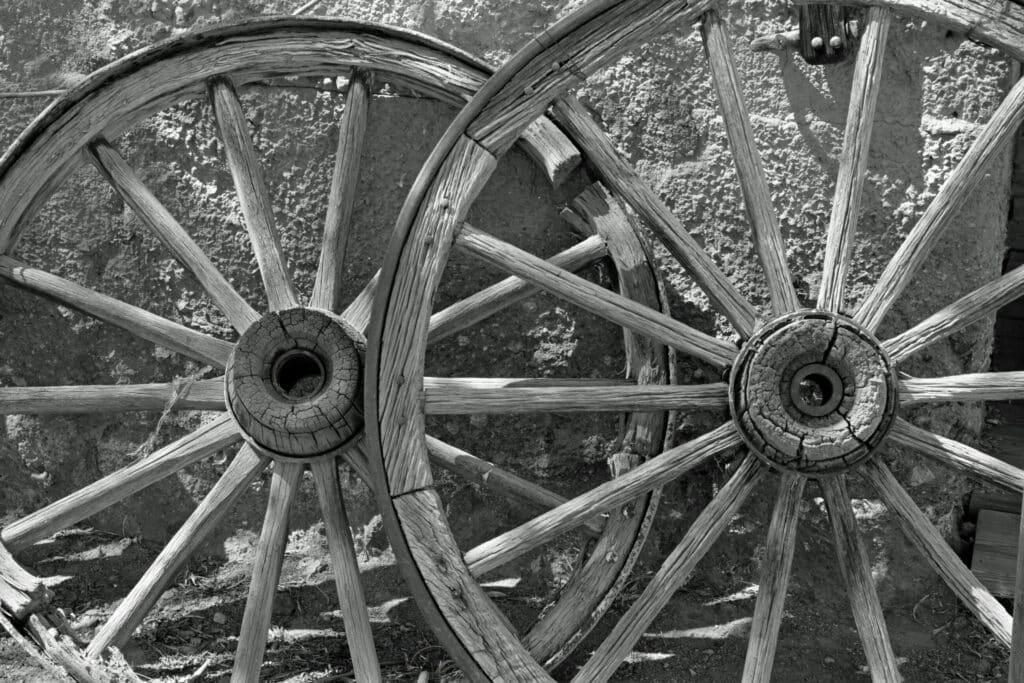
The original wagon ruts evolved into a sophisticated transportation network that later accommodated stagecoaches and the Pony Express, ultimately influencing modern transportation corridors. Approxiamtely 5 hours drive from Mountain View, visitors can examine well-preserved remnants known as the Oregon Trail Ruts—deep grooves carved into the earth by countless wagon wheels that provide an immediate, tangible connection to America’s pioneering past. The site features interpretive signage and visitor centers where travelers can absorb the trail’s history and significance, with local historical societies periodically offering guided educational tours.
Visitor Experience and Resources
Comprehensive interpretive signs and visitor centers throughout the area enable travelers to explore the Oregon Trail’s history and lasting significance. Local historical societies enhance the experience by providing guided tours that bring the past to life.
Contemporary visitors to the Mountain View region can engage with this pivotal history through meticulously preserved sites, educational museums, and the renowned annual Mountain Man Rendezvous at Fort Bridger each Labor Day weekend. The Rendezvous showcases authentic period costumes and frontier demonstrations that help visitors understand the daily realities of early settler life.
Enduring Legacy
The Oregon Trail’s influence reaches far beyond the wagon ruts still visible in Wyoming’s soil. From Fort Bridger’s historic trading post to Mountain View’s modern visitor amenities, this region continues to serve travelers, now seeking historical understanding rather than western homesteads. The formidable challenges nineteenth-century pioneers faced in this demanding landscape helped forge the American values of perseverance and self-reliance that continue to define today’s nation. By exploring these preserved sites and walking where countless wagons once rolled, visitors connect with a pivotal chapter in American history while gaining profound appreciation for the courage and determination that opened the West. The Oregon Trail endures not merely as a historical route but as an enduring testament to human ambition’s transformative power and America’s spirit of exploration.
Condos Ranch, Mountain View, Wyoming
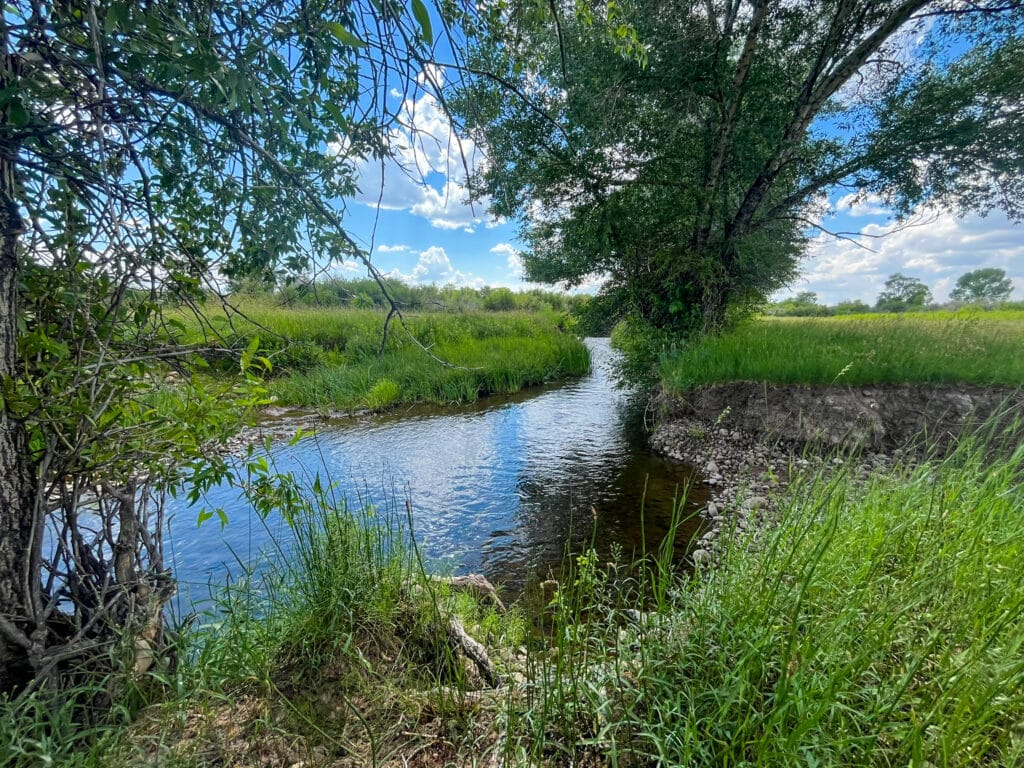
Condos Ranch, listed by Swan Land Company, is for sale and near Mountain View and Fort Bridger, WY.
Mountain View, population 1,300, is located just one mile from the ranch and serves as the region’s main hub.
The valley provides gateway access to extensive recreational opportunities within a 60-mile radius, including the Wasatch and Ashley National Forests, High Uinta Wilderness Area, and Flaming Gorge National Recreation Area. Activities range from hiking, fishing, and boating in summer to skiing and snowmobiling in winter.
Fort Bridger, seven miles from the ranch, features a historic state park with restored 1800s buildings. The community includes basic services like a convenience store, a post office, a restaurant, and several churches.