
Securing driving easements before listing a western ranch represents one of the most strategic decisions a seller can make. These legal access rights fundamentally transform a property’s marketability, value, and appeal to potential buyers. In the expansive landscapes of the American West, where properties often span thousands of acres and may be landlocked or have limited road access, driving easements can mean the difference between a successful sale and a property that languishes on the market.
The Legal Foundation of Property Access
Understanding Driving Easements
A driving easement is a legal right that allows passage across another person’s property to reach your own land. In western ranch contexts, these easements typically involve formal agreements with neighboring landowners or public entities that grant permanent access rights along specified routes. Unlike temporary permissions or informal arrangements, properly recorded easements run with the land, providing long-term security for current and future owners.
Types of Access Rights
Western ranches may require several types of easements depending on their location and intended use. Express easements are formally written agreements that clearly define the scope, location, and terms of access. Implied easements may exist when properties were historically subdivided with the understanding that access would be maintained. Prescriptive easements can develop over time through continuous, open use of access routes, though these are less reliable for sale purposes.
Market Value and Financial Impact
Direct Value Enhancement
Properties with established driving easements typically command premium prices in the western ranch market. Real estate appraisers consistently assign higher values to properties with guaranteed access, often seeing increases of 15-25% compared to landlocked parcels. This value enhancement reflects the practical reality that buyers can immediately utilize the property for intended purposes without negotiating access rights.
Financing Considerations
Lenders view driving easements as essential risk mitigation tools. Most agricultural and ranch lending institutions require clear access rights before approving loans, as properties without guaranteed access present significant collateral risks. This requirement dramatically expands the pool of potential buyers, as cash-only transactions severely limit market participation in high-value ranch sales.
Insurance and Liability Benefits
Established easements often include provisions for maintenance responsibilities and liability allocation, providing clarity for insurance purposes. This legal framework reduces potential disputes and creates predictable ongoing costs for property owners, factors that sophisticated ranch buyers carefully consider when making purchase decisions.
Strategic Marketing Advantages
Buyer Confidence and Due Diligence
Properties with documented driving easements streamline the due diligence process for potential buyers. Ranch purchasers typically conduct extensive legal reviews, and clear access rights eliminate a major area of concern. This confidence translates into more serious inquiries, faster decision-making, and often more competitive offers.
Demonstrating Property Potential
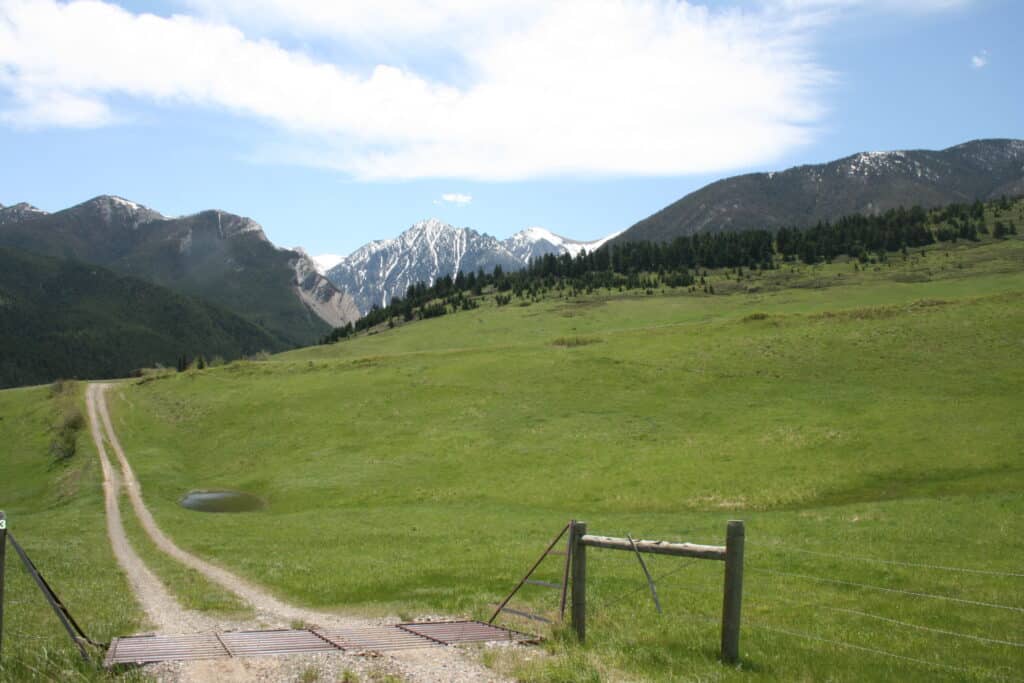
Driving easements showcase a property’s development potential and operational flexibility. For buyers interested in hunting lodges, guest ranches, or agritourism ventures, established access routes demonstrate the feasibility of bringing guests, equipment, and services to the property. This visual and legal confirmation of accessibility can be decisive in competitive bidding situations.
Reducing Transaction Complexity
Sales involving properties with established easements typically proceed more smoothly through closing. Title companies can more easily ensure clear access rights, and buyers face fewer contingencies related to access negotiations. This streamlined process reduces the risk of deals falling through due to access-related complications.
Operational and Development Considerations

Ranch Management Efficiency
Modern ranch operations require reliable access for equipment, livestock, and personnel. Driving easements ensure that seasonal activities, such as cattle drives, equipment transport, and emergency services, can proceed without interruption. For working ranches, this operational certainty has a direct impact on productivity and profitability.
Utility and Infrastructure Development
Established driving easements often serve dual purposes, providing routes for utility lines, water systems, and communications infrastructure. This shared corridor approach maximizes efficiency, minimizes environmental impact, and reduces long-term development costs. Properties with these multi-use easements are desirable to buyers planning significant improvements.
Emergency Access Requirements
Rural properties must maintain emergency vehicle access for fire suppression, medical emergencies, and law enforcement. Driving easements that meet emergency service standards offer both legal compliance and practical safety benefits, which sophisticated buyers increasingly demand.
Legal Risk Management
Avoiding Costly Disputes
Disputes between neighboring landowners can result in expensive litigation that may span several years. By securing easements before listing, sellers eliminate this risk and transfer clear, unencumbered access rights to buyers. This proactive approach prevents situations where buyers might face immediate legal challenges after purchase.
Documentation and Recording Standards
Properly drafted easements include specific language regarding maintenance responsibilities, permitted uses, and procedures for dispute resolution. These agreements should be recorded with county authorities to ensure they bind future property owners. Professional legal counsel specializing in western land law should review all easement agreements to ensure enforceability.
Compliance with Local Regulations
Many Western countries have specific requirements for access roads serving large properties. Easements should address these regulatory requirements, including road width standards, turning radii for emergency vehicles, and environmental protection measures. Compliance with these regulations prevents future conflicts with local authorities.
Negotiation Strategies with Neighboring Landowners
Building Positive Relationships
Easement negotiations provide opportunities to establish positive relationships with neighboring landowners. These relationships can enhance property appeal, as buyers often value communities with cooperative landowner networks. Successful negotiations may also create reciprocal benefits, such as shared road maintenance or emergency access arrangements.
Compensation and Consideration
Easement agreements typically involve compensation to the landowner granting access rights. This compensation might include one-time payments, ongoing annual fees, or reciprocal access arrangements. Fair compensation structures help ensure willing cooperation and long-term relationship stability.
Professional Mediation Services
Complex easement negotiations may benefit from professional mediation services that specialize in Western land issues. These mediators understand regional customs, legal requirements, and fair compensation standards, often facilitating agreements that satisfy all parties while minimizing legal costs.
Environmental and Regulatory Compliance
Environmental Impact Assessment
Driving easements may require environmental impact assessments, particularly in areas with sensitive wildlife habitat or water resources. Addressing these requirements during the easement process demonstrates environmental stewardship and regulatory compliance, factors increasingly important to ranch buyers.
Permitting and Approval Processes
Some easements require permits from federal, state, or local authorities, especially when crossing public lands or environmentally sensitive areas. Completing these permitting processes before listing eliminates uncertainty and demonstrates the property’s readiness for development.
Water Rights and Access Integration
In many western states, water rights and access rights are closely intertwined. Driving easements may provide access to water sources, wells, or irrigation systems. Coordinating these rights during easement negotiations can create valuable synergies that enhance overall property value.
Long-Term Strategic Considerations
Future Development Flexibility
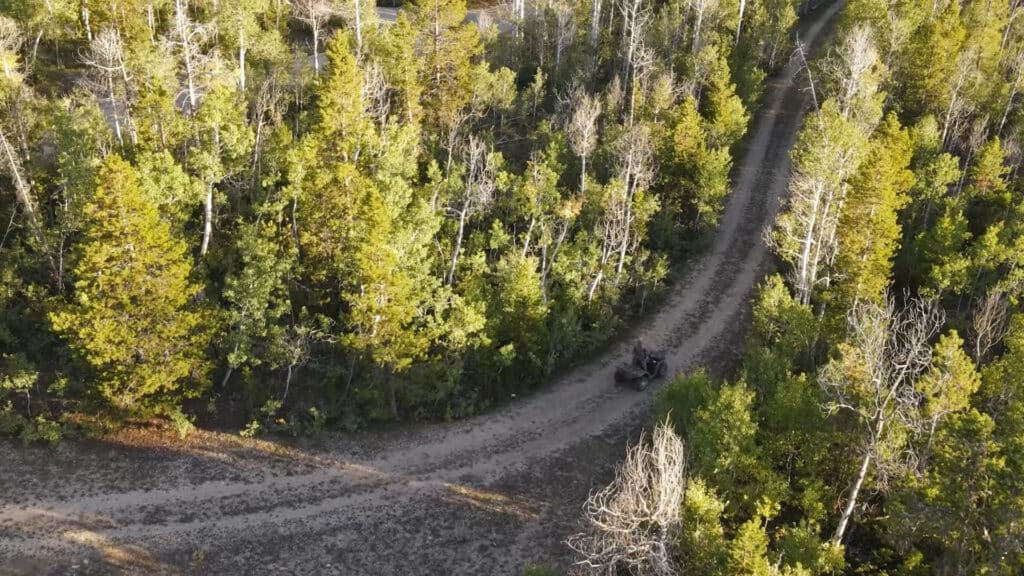
Well-planned driving easements provide flexibility for future property development or subdivision. Buyers interested in creating family compounds, conservation projects, or commercial ventures value access systems that can accommodate evolving needs. This flexibility often justifies premium pricing for properties with comprehensive easement networks.
Technology and Communication Integration
Modern easements often include provisions for fiber optic cables, cellular towers, or other types of communication infrastructure. These forward-thinking provisions enhance property appeal to buyers who require reliable communication for business operations or remote work capabilities.
Conservation and Stewardship Programs
Properties with established access systems are better positioned for participation in conservation programs, hunting leases, or environmentally sensitive areas ventures. These income-generating opportunities can significantly impact property valuation and appeal to investment-focused buyers.
Conclusion
Securing driving easements before listing a western ranch represents a fundamental best practice that impacts every aspect of the sale process. From enhancing market value and expanding buyer pools to reducing legal risks and demonstrating operational readiness, these access rights provide comprehensive benefits that far exceed their acquisition costs.
Successful ranch sellers recognize that properties with clear, documented access rights sell faster, command higher prices, and provide greater satisfaction to buyers. The investment in professional legal counsel, surveying services, and neighbor negotiations pays dividends through smoother transactions and optimized sale outcomes.
In the competitive Western ranch market, properties with established driving easements stand out as professionally managed assets ready for immediate use and future development. This competitive advantage, combined with reduced legal risks and enhanced operational flexibility, makes easement acquisition an essential component of any successful ranch sale strategy.