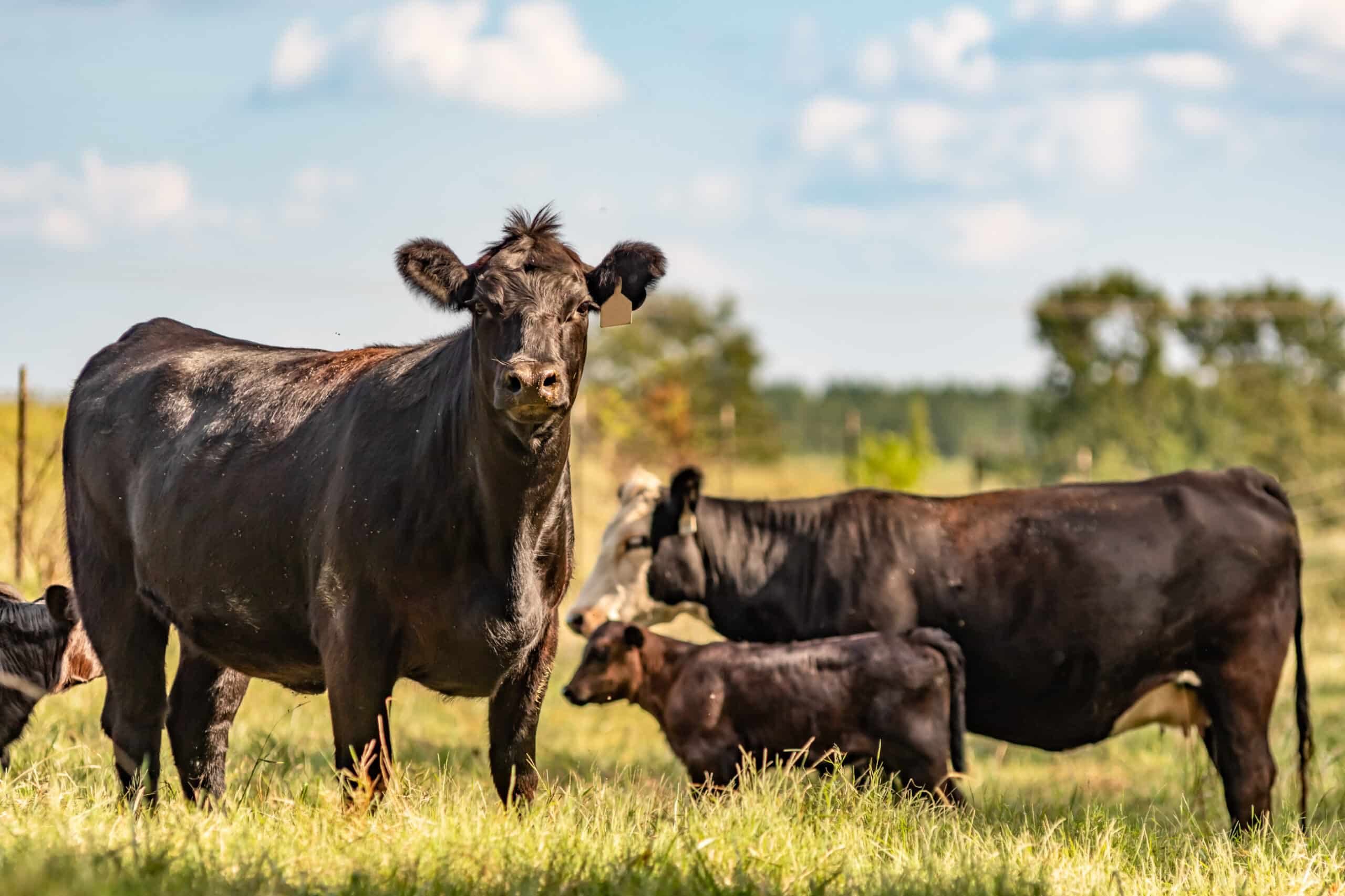
In 2019, a comprehensive study was conducted in eastern Montana and published by the Rangelands Roundtable. It focused on a massive region known as Major Land Resource Area (MLRA) 58A, nearly 27 million acres of semi-arid rangeland dominated by native grasses and shallow soils. The goal of the report was to analyze how different grazing strategies influence both land productivity and long-term ranch profitability.
Why does this matter? Many ranchers unknowingly leave money on the table by underutilizing or overusing their land. This report presents hard data demonstrating how modest changes in grazing management can result in significant improvements in forage production and financial performance. Below, we break it down into key lessons and takeaways that apply to ranchers across Montana and beyond.
Lessons From the Study
The Rangelands Roundtable study provided a clear comparison between two grazing approaches: continuous grazing, where livestock are allowed to graze a single pasture for an entire season, and prescribed grazing, where herds are rotated across multiple pastures with planned rest periods in between. This wasn’t just theory. The data showed a direct link between improved grazing management and better economic outcomes. But the numbers only tell part of the story. To understand how those results came to life, we looked closer at what these ranchers actually did differently on the ground.
Operations that implemented prescribed grazing produced significantly more forage, maintained better plant diversity, and improved soil health. Most importantly, they saw a 25 to 50 percent increase in long-term cash flow without increasing herd size or acreage. The report compared traditional continuous grazing, where cattle have open access to pasture all season, with prescribed grazing, a system that rotates cattle between pastures and includes planned rest periods for each one. Ranches that adopted prescribed grazing saw significantly improved outcomes:
- Forage yields increased up to 1,600 pounds per acre, especially on higher-quality sites
- More consistent forage availability, even during dry spells
- Better ground cover and plant diversity, which protect against erosion and invasive weeds
- A 25 to 50 percent increase in net cash flow over time, without increasing herd size or land base
What These Ranchers Did Differently
The Montana ranchers in the study did not stumble into better results, they earned them by putting grazing systems to work. What followed was not just more grass and healthier soil, but a measurable bump in long-term profitability. This section breaks down what methods worked. Smarter grazing aligns grazing activity with how grasslands naturally function. It’s about giving plants time to recover, preventing overuse, and adapting grazing pressure to match what the land can handle.
 |
 |
Subdividing large pastures
Breaking up large pastures into smaller paddocks gave ranchers more control. Cattle were rotated through tighter areas more intentionally, which led to more even grazing, protected sensitive zones, and encouraged regrowth in underused parts of the range.
Changing how long cattle stayed in one place
Rather than letting cows roam in large pastures all season, these ranchers began moving their herds more frequently. Some rotated every few days, others every few weeks. The key was adapting movement based on how fast plants recovered, which helped prevent overgrazing.
Giving grass time to rest and regrow
By rotating pastures, ranchers allowed previously grazed areas time to recover. This gave deep-rooted native grasses a chance to rebound fully, improving total forage production without reseeding or fertilizers.
Building in rest and recovery periods
Pastures were never grazed back-to-back without a rest period. Even short breaks allowed root systems to recover and improved the overall health of perennial grasses, leading to more drought tolerance and higher yields.
Planning the grazing season in advance
These producers did not guess where cattle should graze next. They mapped out their season based on pasture conditions, weather forecasts, and the natural growth cycle of forage. This forward planning gave them more flexibility and confidence.
Varying the timing of grazing
Rather than grazing the same pasture at the same time each year, ranchers shifted timing to allow plants to recover during different stages of their life cycle. This supported plant diversity and disrupted the dominance of invasive species.
Using simple infrastructure to enable rotation
Rather than overhauling entire operations, most made modest upgrades. Portable electric fencing, better water access, and some permanent cross-fencing enabled quicker and easier moves between pastures. These changes often paid for themselves within a few seasons.
Matching herd size to land condition
Stocking decisions were based on actual forage availability, not rigid targets. This kept animals productive without over pressuring the land.
Tracking and adjusting as you go
No plan was left on autopilot. Ranchers used grazing charts, notes, photos, and field observations to evaluate how pastures responded over time. They adapted plans based on weather, forage growth, and plant recovery. Smarter grazing is not a set-it-and-forget-it system.
What set these ranchers apart was their willingness to observe, adapt, and refine based on what the land was telling them. Year after year, those small adjustments added up to stronger land health and real improvements to their bottom line. Ultimately, all of these practices worked because they aligned with how grasslands naturally function through rest, regrowth, diversity, and balance. By managing with those rhythms in mind, these ranchers-built systems that were not only more resilient, but significantly more profitable over the long haul.

What This Study Proves
The 2019 Rangelands Roundtable study on MLRA 58A makes one point clear, that strategic grazing pays. Montana ranchers who implemented prescribed grazing saw forage yields increase, stocking flexibility improve, and net cash flow rise by 25 to 50 percent over the long term. Their success was not the result of expensive technology or more land; it came from understanding how rangelands function and managing with those patterns in mind. Even modest changes, like subdividing pastures and varying the timing of use, created compounding gains over time. These insights apply well beyond eastern Montana. For ranchers across the West, this is a case study in how ecological awareness translates directly to economic return. Although this study focused on a specific region of eastern Montana, its lessons are relevant to ranches throughout the Intermountain West.
Resources Worth Exploring
- Ranch-level Economics of Prescribed Grazing in MLRA 58A (PDF)
- NRCS Ecological Site Descriptions for MLRA 58A
- USDA CEAP Grazing Land Assessments
- Richland County Long Range Plan (Montana NRCS)
Our Perspective at Swan Land Company
We work with ranch buyers and sellers every day, and we have seen firsthand how land and range condition shapes both performance and property value. Smarter grazing does not just improve your bottom line, it protects your investment. Whether you are optimizing your current operation or considering a new purchase, these insights can guide better decisions.