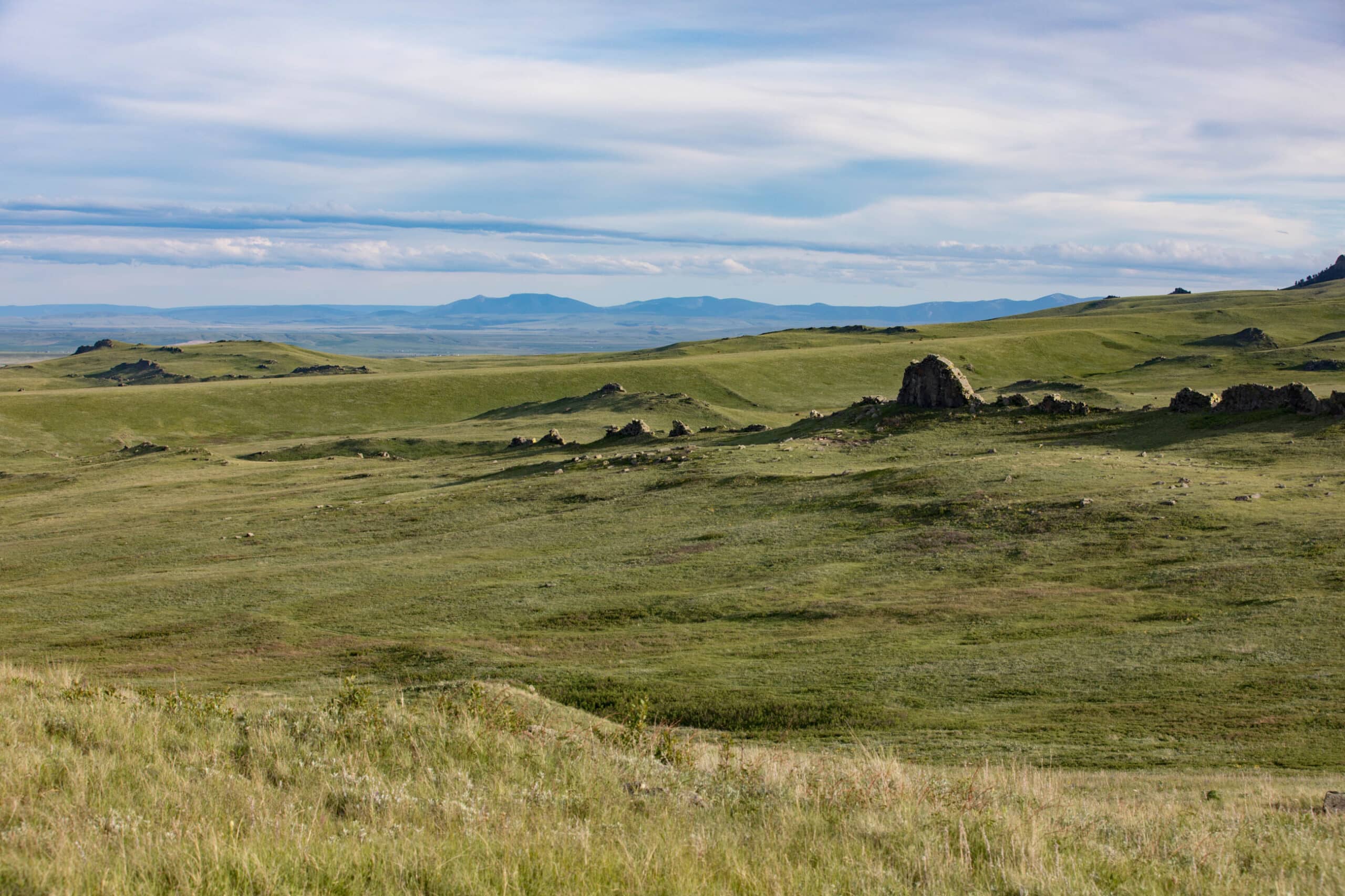
The decision between large ranches and small acreage properties represents fundamentally different approaches to land ownership, each with distinct advantages and challenges that align with other goals and circumstances.
Large ranches
Positives
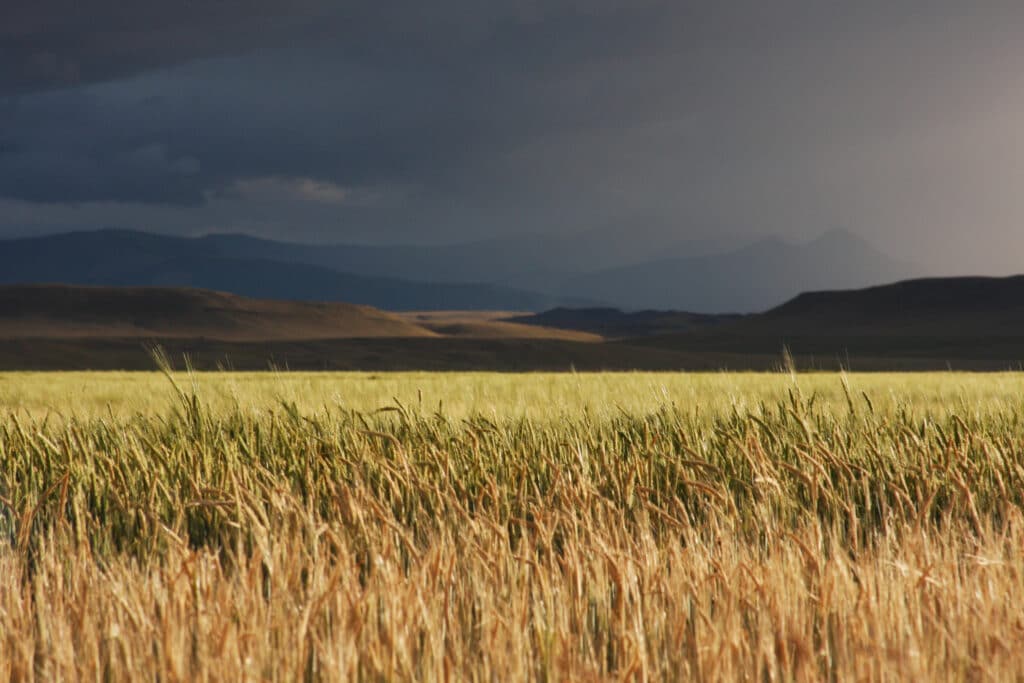
Large ranches, typically encompassing thousands of acres, offer significant operational advantages through economies of scale. When you’re running cattle across vast pastures or cultivating extensive crop fields, the per-unit costs of equipment, labor, and infrastructure become much more manageable. A single piece of heavy machinery can serve a much larger operation, and bulk purchasing of feed, seed, or other inputs can substantially reduce costs. This scale also offers remarkable flexibility in land use, enabling owners to allocate different areas to grazing, crop production, wildlife habitat, recreational activities, or conservation easements without compromising the overall operation.
The privacy and self-sufficiency that come with significant ranch ownership are unparalleled. You’re essentially creating your world, with ample space for hunting, fishing, hiking, and other recreational activities, all without ever leaving your property. Many large ranch owners find that they can support diverse ecosystems and wildlife populations that are simply not possible on smaller properties. From an investment perspective, large ranches often appreciate well over time due to the fundamental scarcity of such properties, especially as development pressure increases in many regions.
Negatives
However, large ranch ownership comes with substantial challenges. The financial barrier to entry is significant, often requiring millions of dollars and complex financing arrangements. Management becomes increasingly complex as the acreage expands, typically necessitating the hiring of help, specialized equipment, and sophisticated operational planning. Property taxes alone can represent a substantial annual expense, and maintenance costs for fencing, roads, water systems, and buildings across thousands of acres quickly add up. Success often requires deep knowledge of agriculture, livestock management, or other specialized fields.
Small acreage properties
Positives
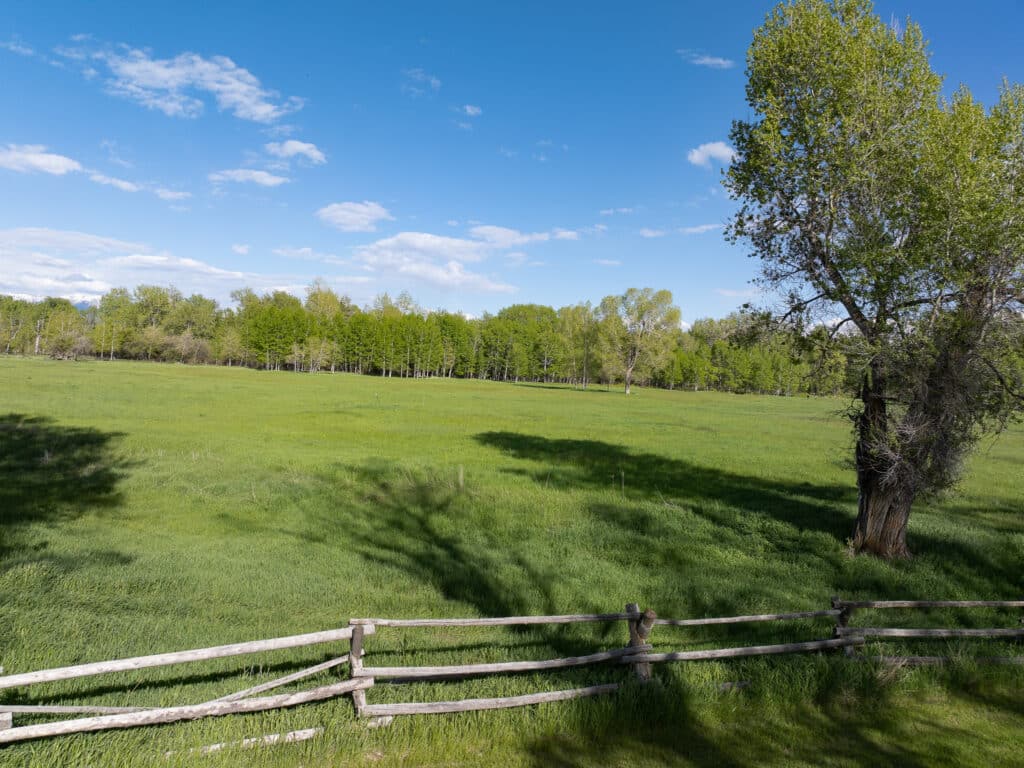
Small acreage properties, ranging from perhaps five to one hundred acres, offer a much more accessible entry point into rural land ownership. The financial requirements, although still substantial, are within the reach of many more people, and the management complexity remains at a level that most owners can handle personally. These properties can still support meaningful agricultural activities, such as small-scale farming, horse keeping, or specialty crops, while providing the rural lifestyle that many people seek. The flexibility to potentially sell portions of the land or adapt its use over time provides options that large ranch owners often don’t have.
Small acreage owners typically enjoy lower ongoing costs and can often maintain their properties as weekend retreats or part-time operations while keeping primary careers elsewhere. The learning curve is gentler, allowing owners to develop agricultural or land management skills gradually without the pressure of needing immediate profitability to service large debts.
Negatives
The limitations of small acreage become apparent when trying to achieve specific goals. Commercial agricultural operations rarely make economic sense at this scale due to high per-unit costs and limited production capacity. Privacy is more constrained, and the buffer from neighbors and development is minimal. Small properties are often more vulnerable to external pressures, such as nearby development, noise, or other land-use changes beyond the owner’s control. The conservation impact and wildlife habitat potential, while meaningful, are naturally limited by scale.
Your decision should ultimately align with your primary objectives. If you’re seeking a profitable agricultural business or significant conservation impact, larger acreage typically makes more sense despite the higher barriers. If you’re looking for a manageable rural lifestyle property or are exploring your interest in rural living, a small acreage provides a more accessible starting point. Consider also your timeline, as large ranches are generally better long-term holds, while small acreage might offer more flexibility for changing life circumstances.
Conclusion
The choice between large ranch and small acreage ownership ultimately comes down to matching your investment to your vision and capabilities. Large ranches reward those ready to make land ownership a primary focus, offering unmatched potential for business, conservation, or legacy building, but demanding significant resources and expertise. Small acreage properties offer a more accessible path into rural living, without the overwhelming complexity or financial exposure.
The most successful landowners, regardless of scale, choose properties that align with both their current situation and long-term goals. Whether you’re drawn to the expansive possibilities of a large ranch or the manageable appeal of smaller acreage, success comes from honest self-assessment rather than following someone else’s dream. The “right” amount of land is simply the amount that serves your purposes, fits your budget, and gets you started on your own piece of ground.