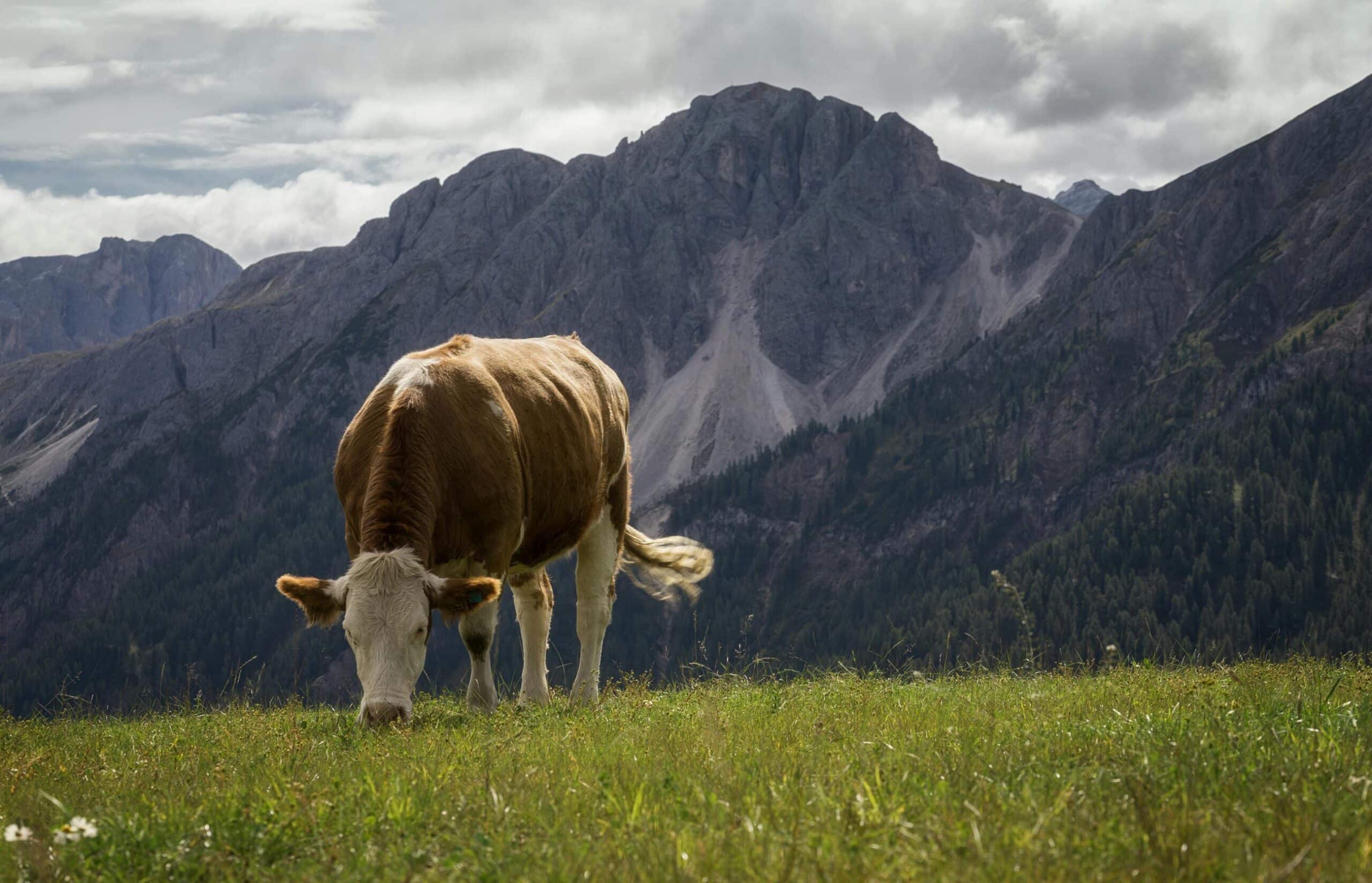
Across western states, the Bureau of Land Management (BLM) forms the backbone of large-scale ranching operations that define the agricultural landscape of the Intermountain West. These three states contain some of the most extensive BLM holdings in the country, with Montana holding about 8.1 million acres, Wyoming approximately 18 million acres, and Utah around 22.8 million acres of BLM-managed public land. The sheer scale of these holdings means that BLM grazing permits are not just supplemental to ranch operations but are often essential to their economic viability.
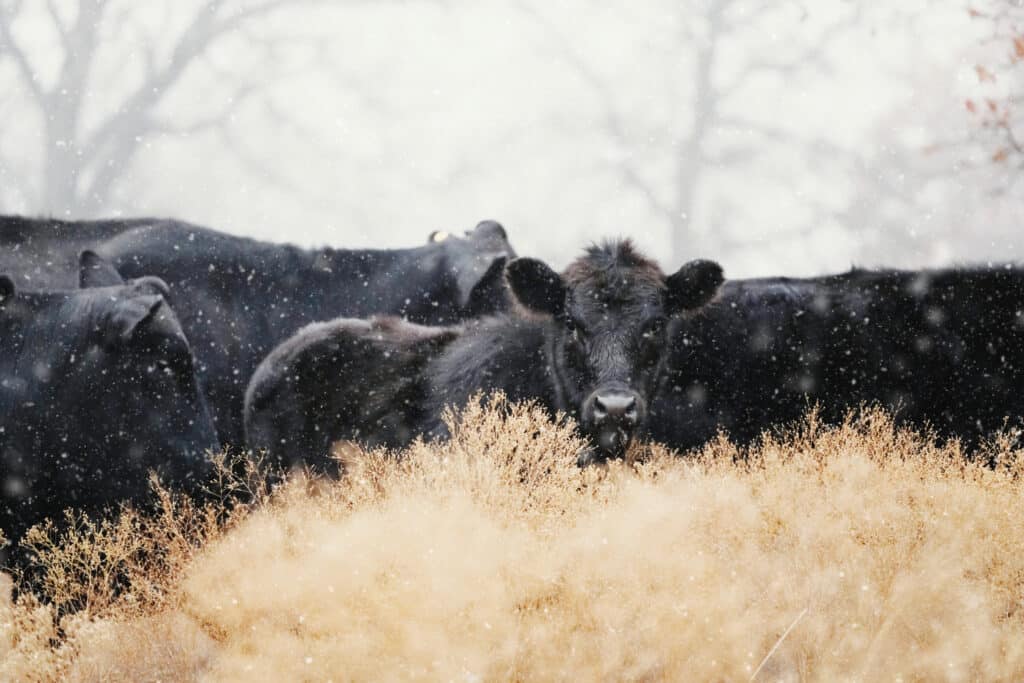
The ranching systems in these states have evolved around the integration of private ranch lands with adjacent or nearby BLM grazing allotments. Typically, ranchers own base properties which include winter headquarters, hay fields, and core grazing areas, while utilizing BLM permits for seasonal grazing, particularly during the summer months when cattle are moved to higher-elevation public lands. This arrangement enables ranchers to support significantly larger herds than their private acreage alone could sustain, laying the foundation for the region’s cattle industry.
In Wyoming, the relationship between ranches and BLM land is particularly pronounced due to the state’s vast open ranges and relatively sparse population. Many Wyoming ranches operate on a model where cattle spend several months each year on BLM allotments, often in areas that encompass hundreds of thousands of acres. The Red Desert region and other expansive BLM areas provide crucial summer and fall grazing that supports some of the most extensive ranch operations in the country. Wyoming’s ranching culture is deeply tied to these public land grazing traditions, with some families holding permits that have been in continuous use for multiple generations.
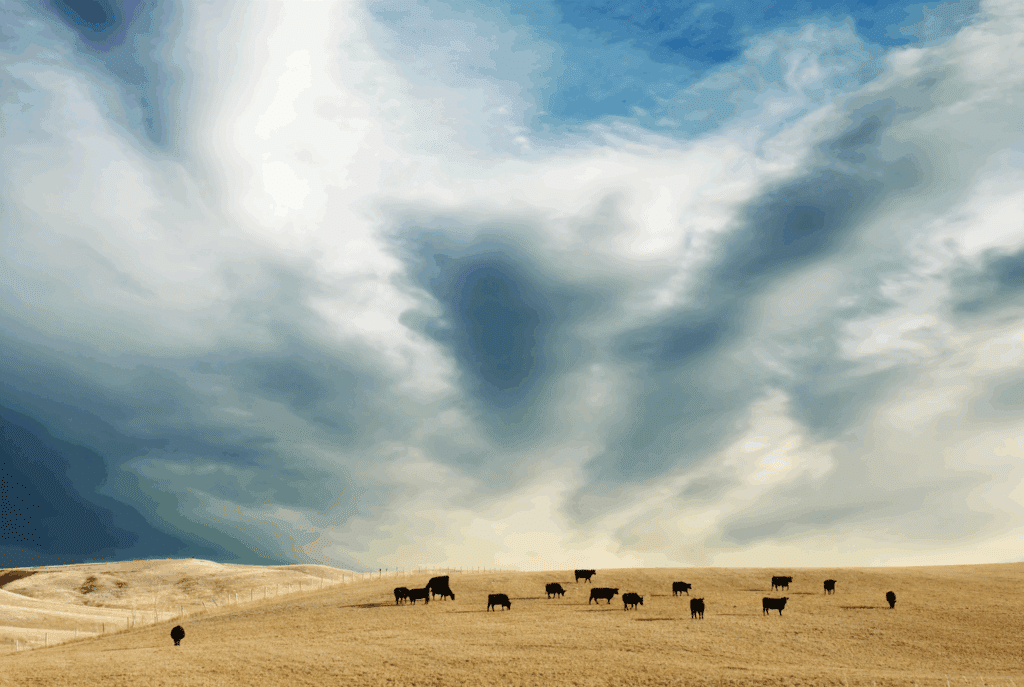
Utah presents a unique situation where BLM lands often exist in more arid environments, requiring careful management of grazing to prevent overuse of fragile desert ecosystems. Utah ranchers have adapted their operations to work within these constraints, often utilizing BLM lands for specific seasonal windows when forage is available and conditions are appropriate. The state’s diverse topography means that BLM grazing allotments can range from high mountain meadows to desert shrublands, requiring ranchers to develop sophisticated management strategies for moving livestock between different environments throughout the year.
Economic Importance
The economic importance of BLM grazing permits in these particular states cannot be overstated. These permits are typically priced well below private land lease rates, making them crucial for maintaining the profitability of ranch operations in an industry with traditionally thin margins. The permits are tied to base properties and are considered appurtenant rights, meaning they transfer with ranch ownership and significantly affect property values. Banks and lenders routinely consider BLM grazing capacity when evaluating ranch loans, and the loss of grazing permits can severely impact a ranch’s financial viability.
Environmental Considerations
Environmental considerations have become increasingly important in BLM management across these states, sometimes creating tension with traditional ranching practices. Issues such as sage grouse conservation, riparian area protection, and wildlife corridor preservation have led to modifications in grazing permits, including seasonal restrictions, reduced animal unit months, or requirements for specific grazing practices. These changes reflect the BLM’s mandate to balance multiple uses, including wildlife habitat, recreation, and resource extraction alongside livestock grazing.
Cultural Significance
The cultural significance of BLM lands to ranching families in Montana, Wyoming, and Utah extends far beyond economic considerations. Many ranch families have deep historical connections to specific allotments, with knowledge of water sources, seasonal grazing patterns, and land management practices that have been passed down through generations. This local expertise has proven valuable in developing sustainable grazing practices that maintain both livestock productivity and ecosystem health.
Water Rights and Infrastructure
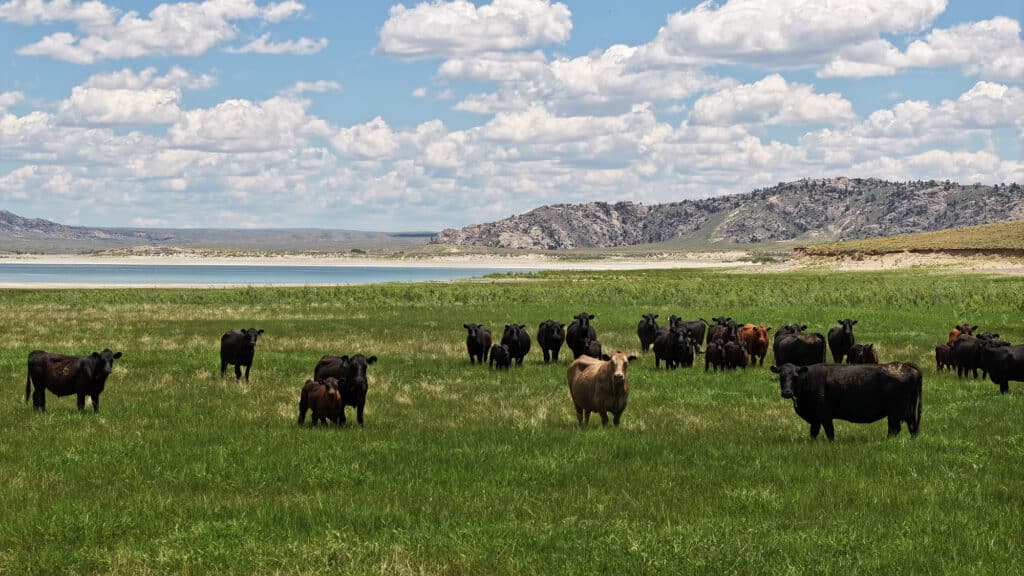
Water rights and infrastructure on BLM lands represent another critical aspect of the ranching relationship. Many BLM allotments include stock water developments, fencing, and other improvements that have been installed and maintained by permittees over the course of decades. The responsibility for maintaining this infrastructure typically falls to the ranchers, creating a system where private investment supports public land management goals while enabling continued livestock use.
The Future
The future of ranching on BLM lands in these three states faces various challenges, including changing environmental regulations, evolving public attitudes toward public land use, and climate variability that affects forage production. However, the fundamental relationship between private ranches and public grazing lands remains central to the region’s agricultural economy and cultural identity, representing a uniquely American approach to land use that has shaped the development of the Intermountain West for over a century.