

Safe Harbor Agreements allow western ranchers to voluntarily implement conservation measures for endangered species in exchange for regulatory certainty and protection from future land-use restrictions. This innovative tool transforms potential conflicts between agriculture and wildlife protection into collaborative partnerships, recognizing that private landowners control habitat for 75% of listed species. For ranchers, these agreements provide a proactive means of supporting conservation while maintaining operational flexibility and often securing financial incentives.

What It Is:
A Safe Harbor Agreement (SHA) is a voluntary conservation tool under the Endangered Species Act that provides regulatory assurances to private landowners who undertake conservation efforts for listed species.
How It Works:
Under a SHA, a landowner agrees to implement specific conservation measures that benefit an endangered or threatened species on their property. In exchange, the U.S. Fish and Wildlife Service provides a permit that guarantees the landowner won’t face additional regulatory restrictions if their conservation efforts attract more of the listed species to their land or if the species’ population increases due to their management.

Key Benefits for Ranchers:
The “safe harbor” means ranchers can’t be penalized for successful conservation. Without this protection, landowners historically worried that helping endangered species might backfire – if their efforts attracted more protected animals, they could face additional land-use restrictions under the ESA’s “take” prohibitions.
The agreement provides regulatory certainty. Ranchers know exactly what’s expected of them and what they’re protected from, making long-term planning and investment decisions easier.
Typical Conservation Activities:
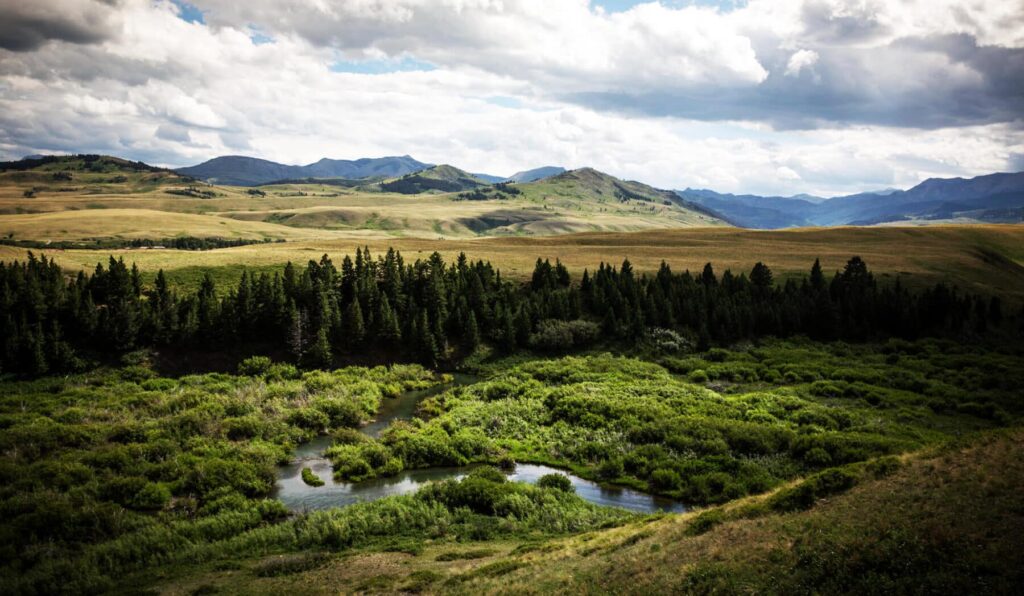
For western ranchers, SHA activities might include creating or restoring wetlands for waterfowl, managing grazing to benefit sage grouse habitat, establishing riparian buffers for fish species, or maintaining grasslands for prairie species. The specific requirements are tailored to both the species’ needs and the landowner’s operational goals.
Example Applications:
Ranchers have used SHAs for species such as the lesser prairie-chicken in Texas and Kansas, where they modify grazing practices to maintain native grasslands. Others have created wetland habitats for endangered waterfowl while continuing ranching operations around these areas. The agreements typically last 10-30 years and can be renewed. They represent a shift toward incentive-based conservation rather than purely regulatory approaches, recognizing that private landowners control habitat for about 75% of listed species.
Why would a Western rancher opt for a Safe Harbor Agreement?
Western ranchers might choose a Safe Harbor Agreement for several practical and strategic reasons:
Regulatory Protection:
The primary motivation is avoiding future ESA restrictions. Without a SHA, if endangered species naturally appear on or increase on ranch property, ranchers could face new land-use limitations. The SHA creates a legal shield – they can only be held to the original agreement terms, not additional restrictions that might otherwise apply.
Proactive vs. Reactive Approach:
Many ranchers prefer controlling their own conservation destiny rather than having regulations imposed on them later. A SHA allows them to negotiate terms that work with their operation while meeting the needs of the species, rather than potentially facing inflexible requirements down the road.
Economic Incentives:
SHAs often come with financial benefits like cost-share programs for habitat improvements, tax advantages, or payments for ecosystem services. Some ranchers receive direct compensation for conservation activities or reduced property taxes for enrolled lands.
Operational Flexibility:
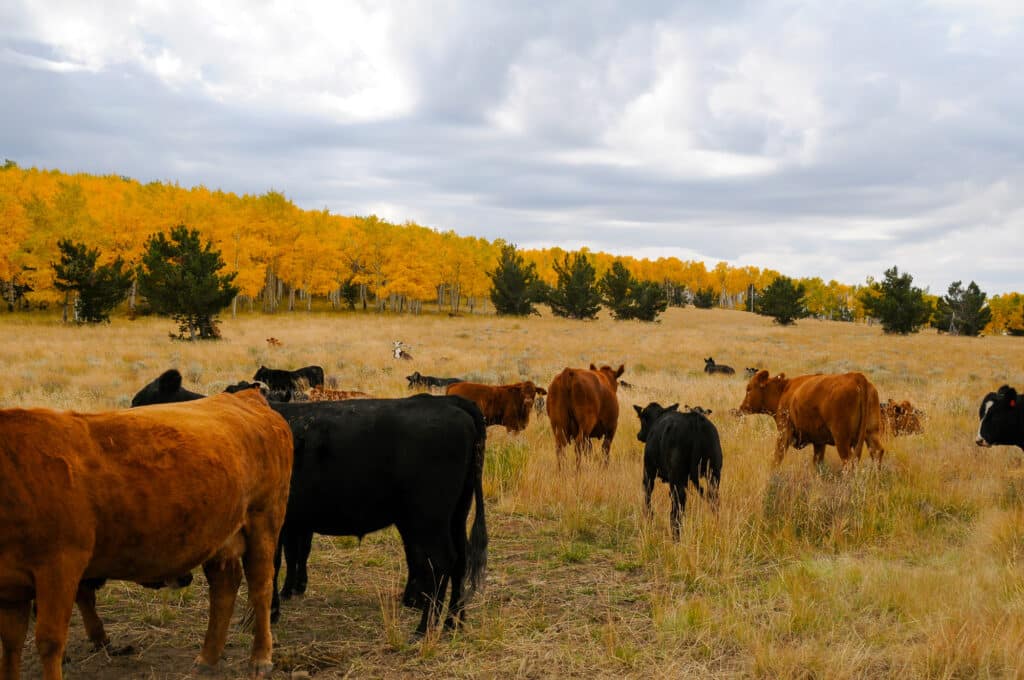
Ranchers can often design conservation measures that complement rather than conflict with their operations. For example, rotational grazing that benefits both cattle and wildlife, or creating wildlife habitat in areas less suitable for livestock anyway.
Market Advantages:
Some ranchers gain marketing benefits from demonstrating environmental stewardship, which appeals to an increasingly interested consumer base in sustainable agriculture. This can translate to premium prices for beef or other products.
Legacy and Stewardship:
Many ranch families view themselves as land stewards and genuinely want to preserve and maintain wildlife habitats. SHAs provide a structured approach to achieving conservation goals while maintaining the ranch’s economic viability for future generations.
Insurance Against Uncertainty:
Given the unpredictable nature of species listings and recovery, SHAs provide certainty in an uncertain regulatory environment, allowing ranchers to plan and invest with confidence.
Conclusion:
Safe Harbor Agreements demonstrate that effective conservation doesn’t require choosing between protecting species and maintaining viable ranching operations. By offering regulatory certainty, financial incentives, and operational flexibility, these voluntary tools transform potential conflicts into collaborative partnerships. For western ranchers, SHAs provide a proactive way to control their conservation destiny while contributing to species recovery—proving that when conservation works with agriculture rather than against it, both wildlife and rural communities can thrive together.