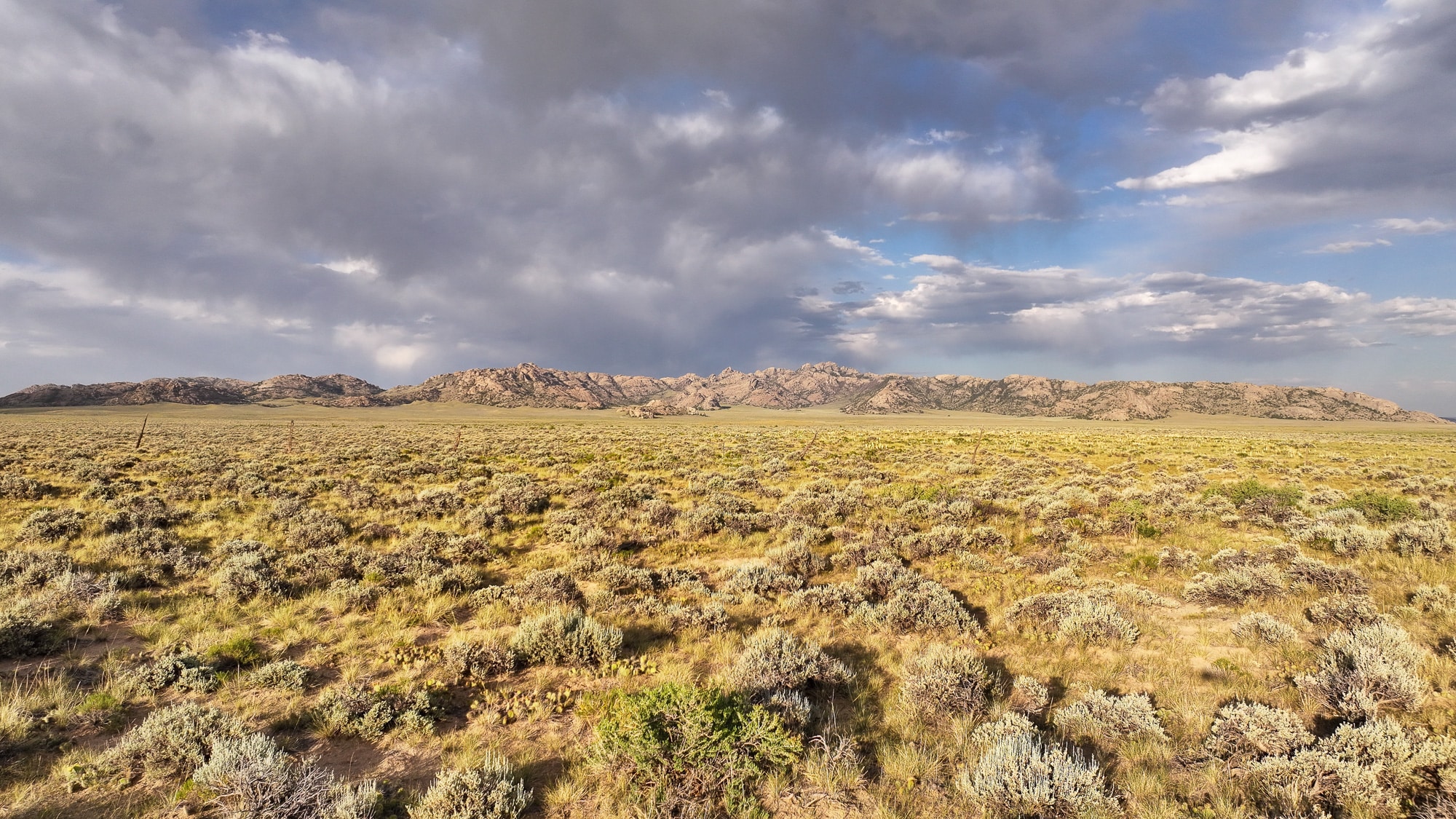
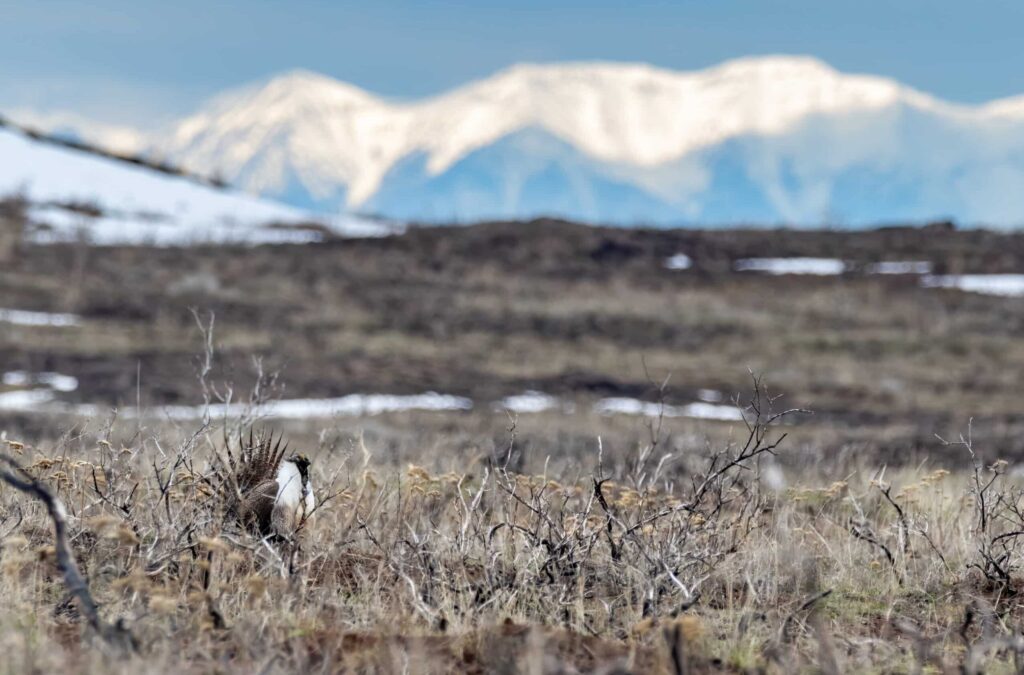
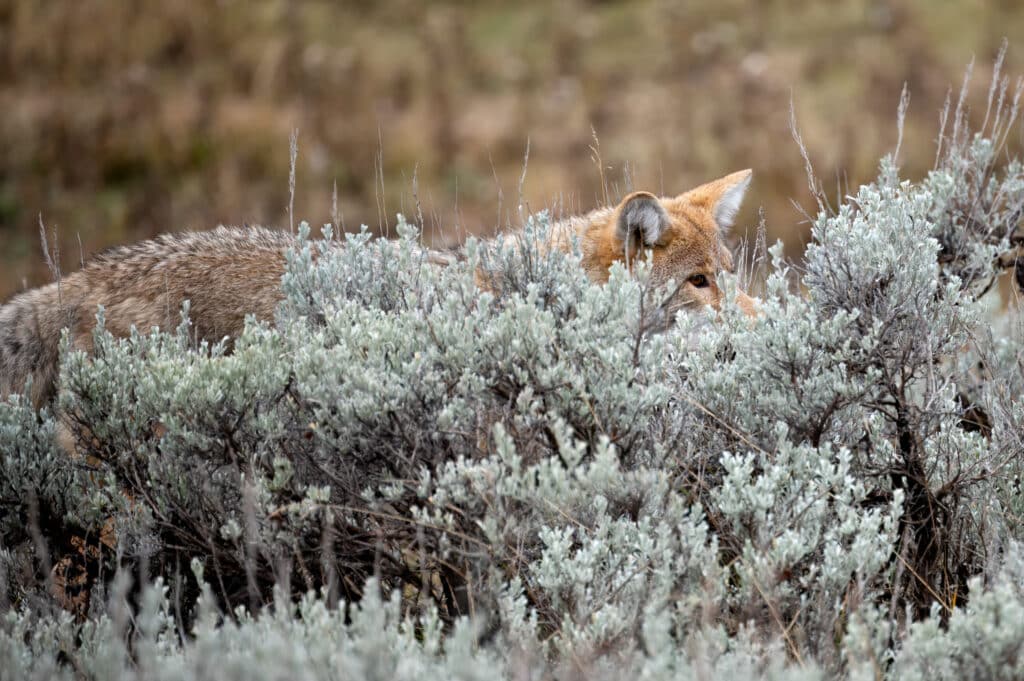
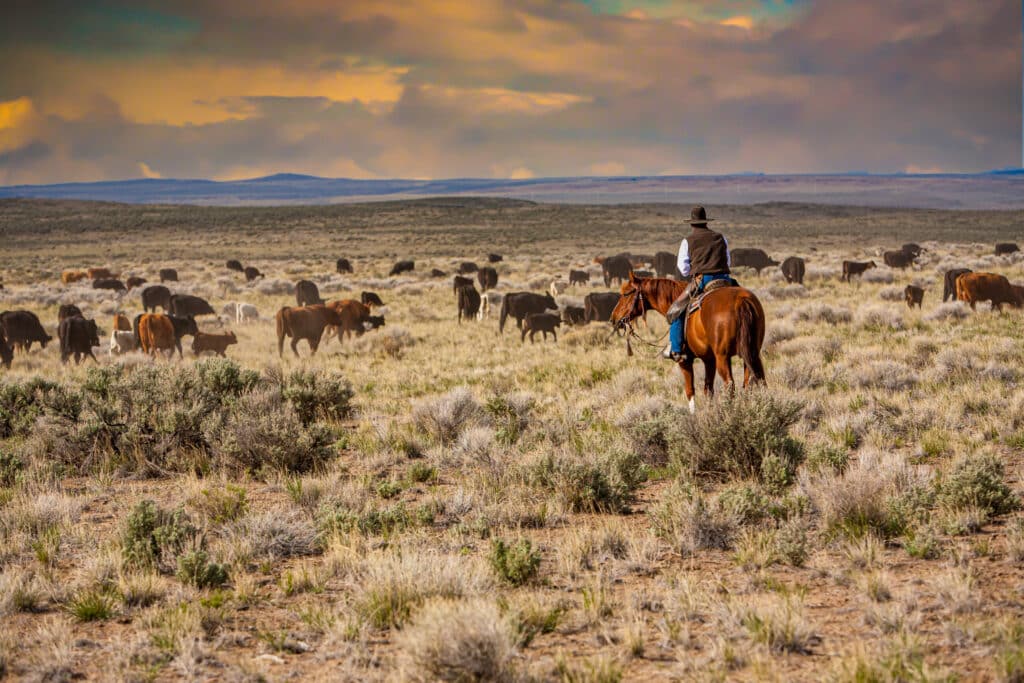
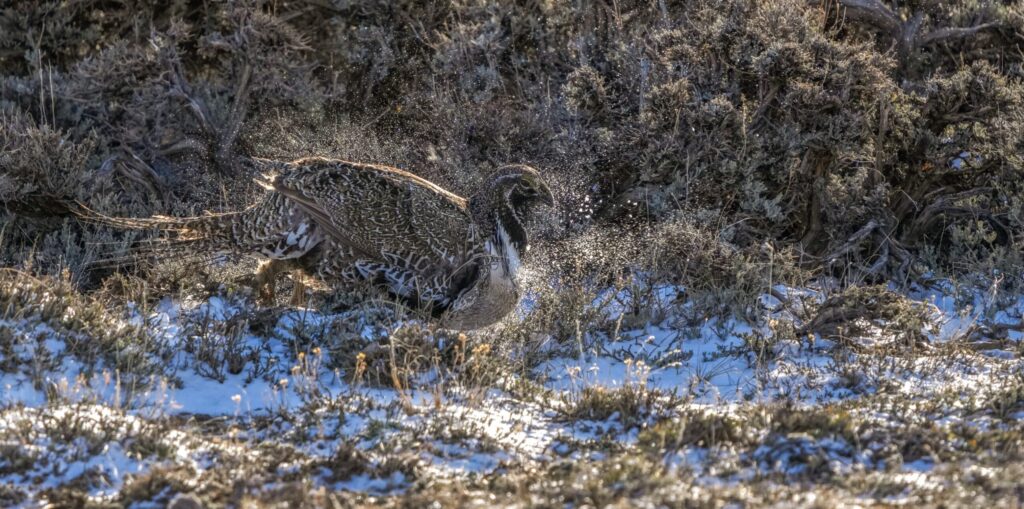
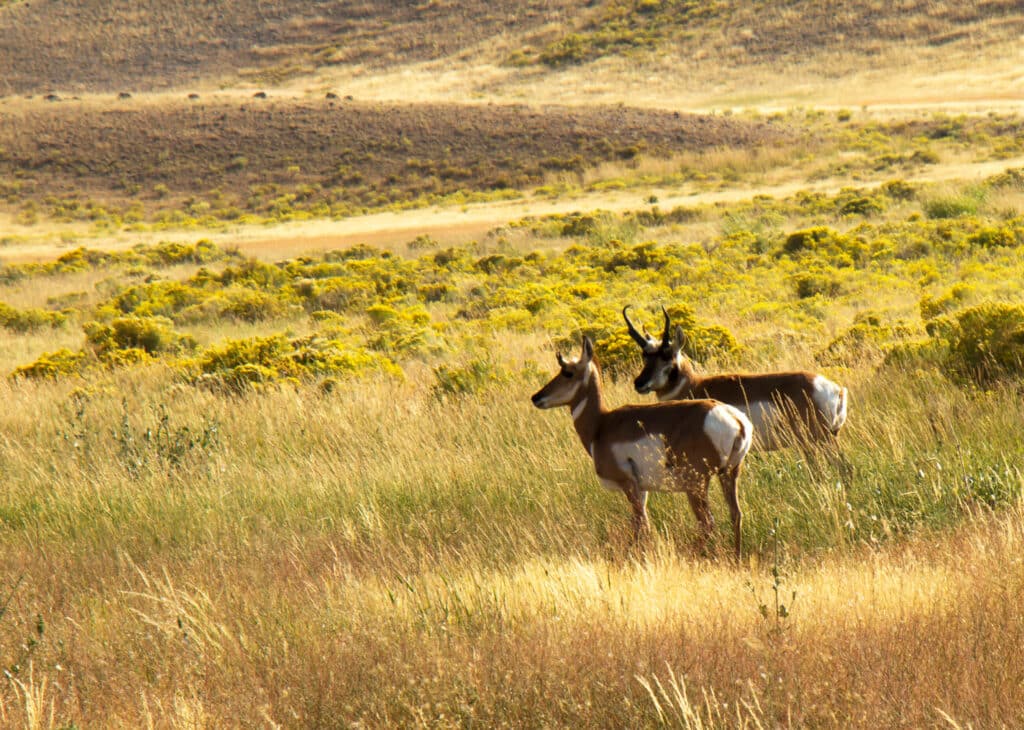
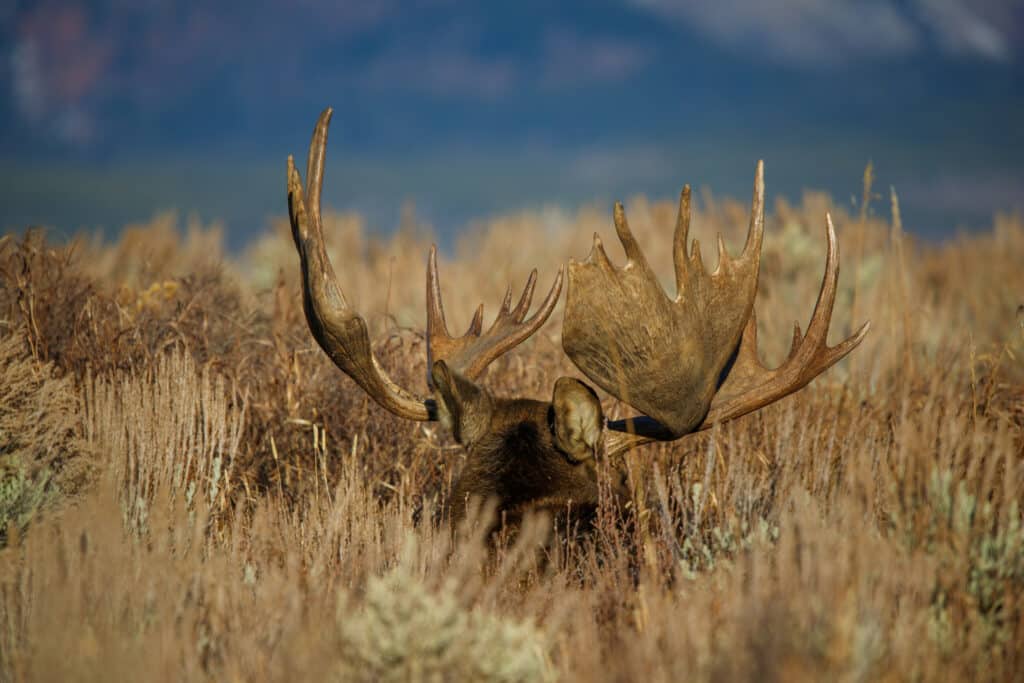
Sagebrush is the backbone of the American West, spanning nearly 150 million acres across Montana, Wyoming, Idaho, and Utah. It is one of the largest continuous ecosystems in North America, shaping the identity of entire landscapes and communities. Within these broad basins and rolling hills, more than 350 species of wildlife depend on sagebrush for survival. From the booming of sage grouse on spring leks to the winter ranges of pronghorn and mule deer, sage country is a stronghold of biodiversity. Countless songbirds, raptors, and small mammals also rely on its cover and food sources, making sagebrush a living foundation of the region’s ecology.
For generations, it was seen as empty or underutilized ground, but today it is slowly being recognized as one of the largest and most threatened ecosystems in North America. The health of sagebrush rangelands not only shapes the future of wildlife but also influences the strength of cattle operations and rural communities that depend on them.
 |
 |
The Push to Remove Sagebrush
For much of the twentieth century, sagebrush was seen as a problem to be solved rather than a partner on the range. Many ranchers and agencies believed it crowded out grasses and reduced the rangeland’s carrying capacity. In response, vast acreages were chained, sprayed, or burned in an effort to increase forage. These treatments often created a temporary flush of grass, but the benefits faded quickly. Without the stabilizing influence of sagebrush, soils eroded, moisture evaporated, and invasive species filled the gaps, leaving the land more vulnerable than it had been before.
Agricultural conversion only deepened the pressure. Millions of acres of sagebrush country were written off as unproductive wasteland, “improved” by plowing and seeding crops or non-native grasses. Crested wheatgrass was especially popular because it established quickly and offered predictable early spring forage. Over time, though, these conversions simplified ecosystems, reduced plant diversity, and weakened the land’s ability to support both cattle and wildlife. What initially appeared productive often left behind landscapes that were less resilient and harder to restore.
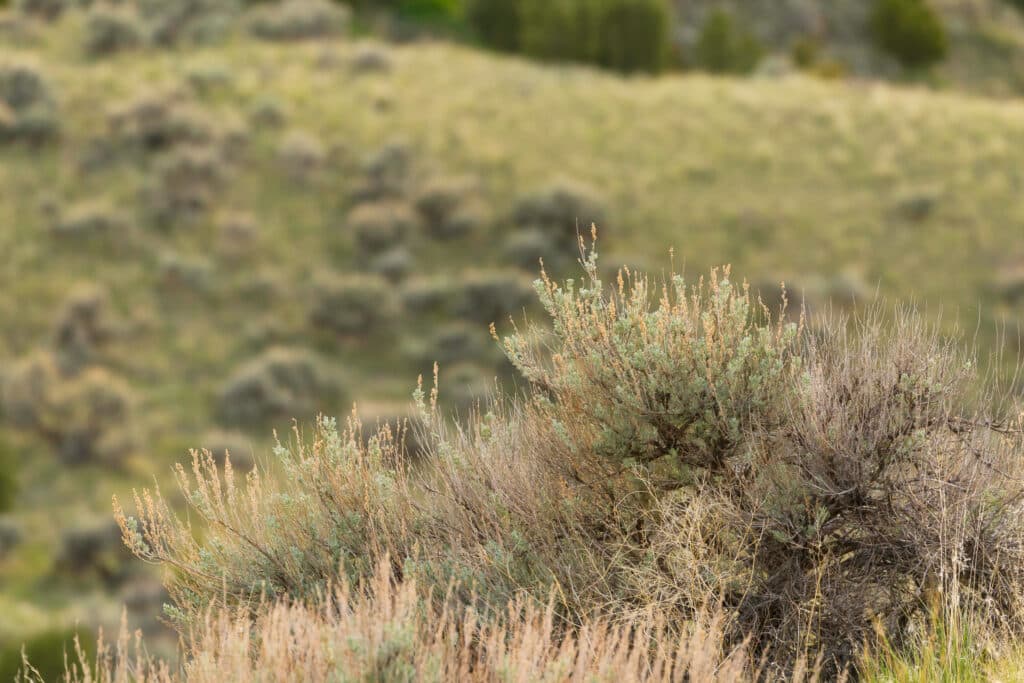
Experience has proven the opposite of those early assumptions. Intact sagebrush and bunchgrass systems provide steady forage for livestock, essential cover for wildlife, and resilience in the face of drought and wind. They trap snow, shade soil, and help retain soil moisture. Their deep roots hold soil in place, protecting it from erosion. Far from being a weed to remove, sagebrush is now recognized as one of the most essential partners in maintaining healthy and productive rangelands.
 |
 |
Sagebrush and Water
In the dry West, water is the currency of survival, and sagebrush plays a quiet but vital role in stretching it further. The shrub’s structure catches drifting snow and slows spring runoff, releasing moisture into the soil gradually. Its canopy shades the ground, lowering surface temperatures and reducing evaporation through the hottest months. Below ground, sagebrush roots reach deep, anchoring soils and drawing on moisture reserves that sustain both the shrub itself and the grasses and forbs that grow with it.
When paired with native bunchgrasses and forbs, sagebrush landscapes create living ground cover that improves infiltration and keeps soils productive. This partnership ensures that limited rainfall does more than run off bare ground. Instead, it nourishes the root systems of plants that provide forage and habitat throughout the seasons. In drought-prone regions, the ability of sagebrush country to capture, hold, and conserve water is one of the clearest arguments for its protection.
Sagebrush as a Natural Defense Against Weeds
Another overlooked benefit of sagebrush is its role in controlling invasive weeds. In healthy rangelands, sagebrush canopies shade the soil while bunchgrasses and forbs compete aggressively for water and nutrients. Together, they leave little room for weeds to take hold.
When sagebrush is removed, those defenses are stripped away. Bare ground opens up between plants, offering fast-growing invasives like cheatgrass and knapweed the foothold they need. Once established, these weeds spread quickly, crowd out native forage, and in the case of cheatgrass, fuel hotter and more frequent wildfires. The cycle is difficult to reverse and often leaves rangeland far less productive for cattle and wildlife.
Maintaining intact sagebrush and bunchgrass systems is one of the most effective ways to resist invasion. Healthy sagebrush country does more than provide forage and habitat; it also supports a diverse array of wildlife. It also acts as a shield, protecting rangelands from the ecological and economic costs of invasive weeds.
 |
 |
Native Grasses Versus Non-Natives
The health of sagebrush country depends as much on what grows beneath the shrubs as on the shrubs themselves. Native bunchgrasses such as bluebunch wheatgrass and Idaho fescue anchor the soil, provide high-quality forage, and recover well under carefully managed grazing. Forbs add further diversity, supporting pollinators, feeding sage grouse chicks, and rounding out cattle diets. Together, these native plants form the living fabric that makes sagebrush country resilient.
Non-native grasses, by contrast, rarely deliver the same benefits. Crested wheatgrass, widely seeded in the mid-twentieth century, can provide early spring forage but often reduces plant diversity and weakens the habitat value for wildlife. Cheatgrass, an invasive annual, is far more destructive. It spreads aggressively, dries early, and fuels wildfires that sagebrush ecosystems cannot withstand. Once cheatgrass dominates, it pushes out native grasses and forbs, leaving behind rangeland that is less productive, less diverse, and far more difficult to restore.
Protecting sagebrush means protecting these native understories. Together, sagebrush, bunchgrasses, and forbs form a system that supports ranching families and wildlife alike, while preserving the character of the West.

Restoring Sagebrush Country
The most significant challenges to sagebrush ecosystems today are wildfires, invasive grasses, and fragmentation; however, experience has shown that restoration is possible when land is managed with care. Recovery begins with protecting what remains intact, since healthy sagebrush stands are the most resistant to weeds and erosion. For degraded ground, restoration requires patience and the right tools.
One of the most critical steps is controlling cheatgrass and other invasive weeds that fuel fire cycles. Targeted grazing, herbicide treatments, and reseeding can all play a role in reducing invasive species and providing native plants a foothold. Reseeding with native bunchgrasses and forbs helps stabilize soils and outcompete weeds, while planting sagebrush seedlings or spreading seed can re-establish the shrub canopy. Because sagebrush is slow to grow, these efforts often take years, but the long-term results are landscapes that are more resilient for both cattle and wildlife.
Infrastructure and development also need thoughtful planning. Avoiding fragmentation by limiting unnecessary roads, marking fences to prevent bird collisions, and protecting riparian corridors can make a measurable difference. Federal and state programs, such as the NRCS Sage Grouse Initiative, offer cost-share and technical support for landowners who want to restore sagebrush on their property.
For ranchers, these efforts are not abstract ideals. Restoring sagebrush country means rebuilding forage capacity, reducing fire risk, and strengthening the land for future generations. Every acre of sagebrush brought back is an investment in the stability of both ranching and wildlife across the West. Sagebrush defines the West as surely as cattle on open range or the sight of pronghorn on the horizon. To conserve it is to secure both a way of life and an economy. For ranching families, stewardship of sagebrush country means more than caring for wildlife habitat. It means protecting the very foundation of their livelihood and ensuring that the land remains productive for the next generation.
Explore Other Practical Stewardship Actions
Wildlife-Smart Barbwire Fencing
Learn how modifying fences can preserve wildlife migration, cut labor, and enhance your ranch’s operational capacity.
Work With Us
At Swan Land Company, we believe great ranches are built on more than acreage. They are living legacies where stewardship, heritage, and profitability intersect. Whether you are buying, selling, or managing ranchland, our team understands the importance of conservation-minded practices that strengthen both the land and the communities it supports.
If you are interested in learning more about properties that balance ranching with conservation — or want guidance on opportunities to enhance the value of your land — we invite you to connect with us.