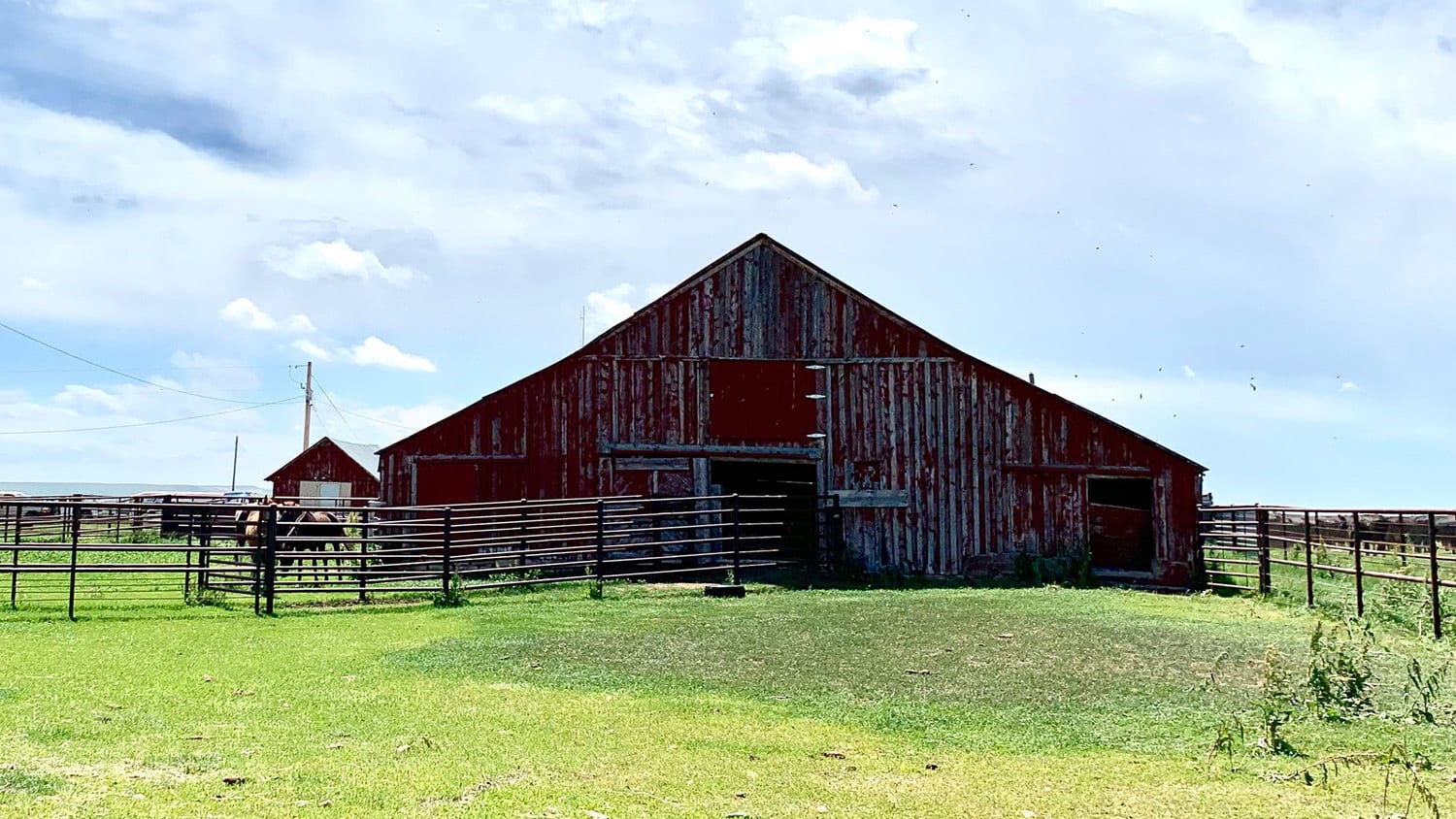
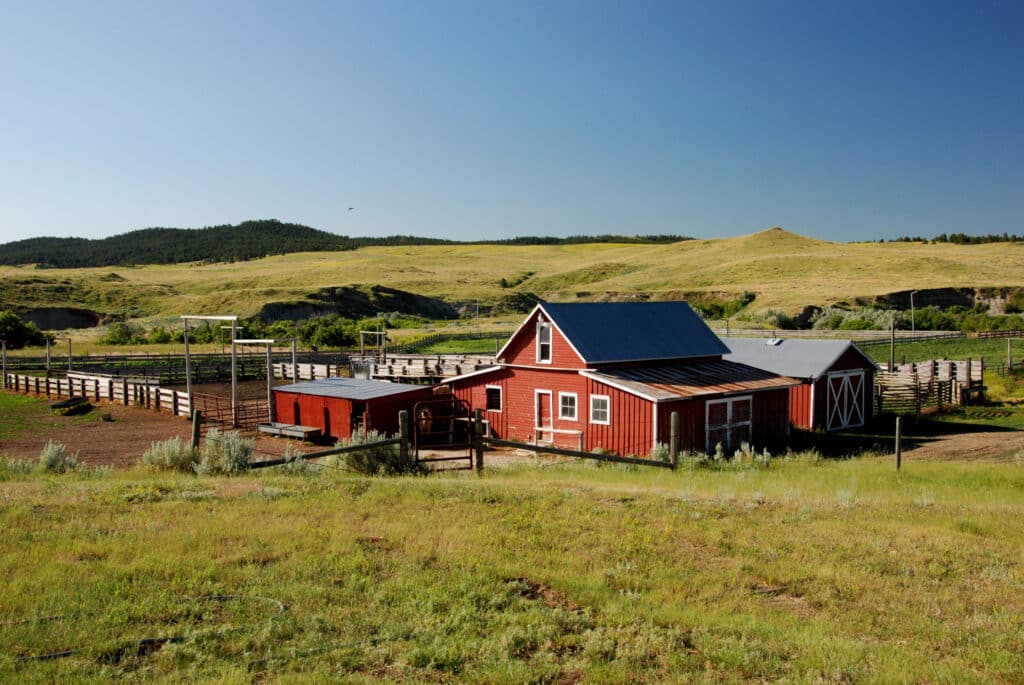
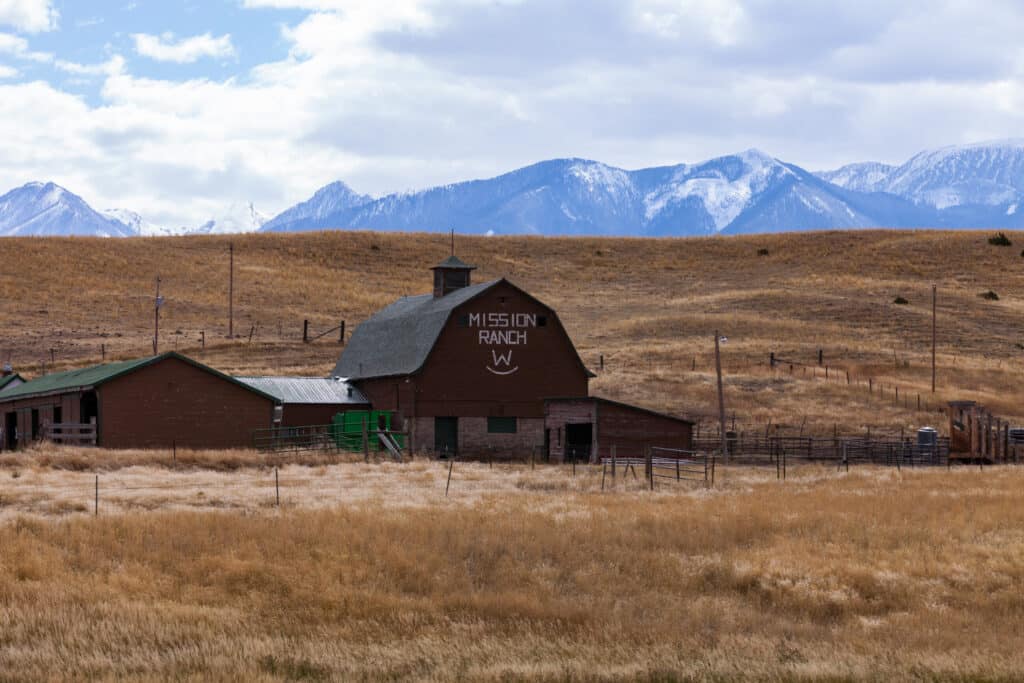
Drive through rural America today, and you’ll notice something remarkable: the weathered barns dotting the landscape are overwhelmingly red. Not yellow, not green, not the natural gray of aged wood—but red. This isn’t a mere coincidence or aesthetic preference. The crimson structures that have become synonymous with American agriculture tell a fascinating story that spans centuries and continents, weaving together medieval Swedish mining operations, frontier ingenuity, and the simple reality that sometimes the most practical choice becomes the most beautiful tradition.
The red barns we consider quintessentially American aren’t red by accident. They’re red because red worked better than any other color available to farmers who needed to protect their most valuable structures with whatever materials they could find or afford. What we see as picturesque nostalgia was once cutting-edge agricultural technology, a testament to the resourcefulness of farmers who discovered that the right combination of readily available ingredients could transform humble farm buildings into structures that would endure for generations.
Historical Timing and Practicality
The Paint Revolution Era
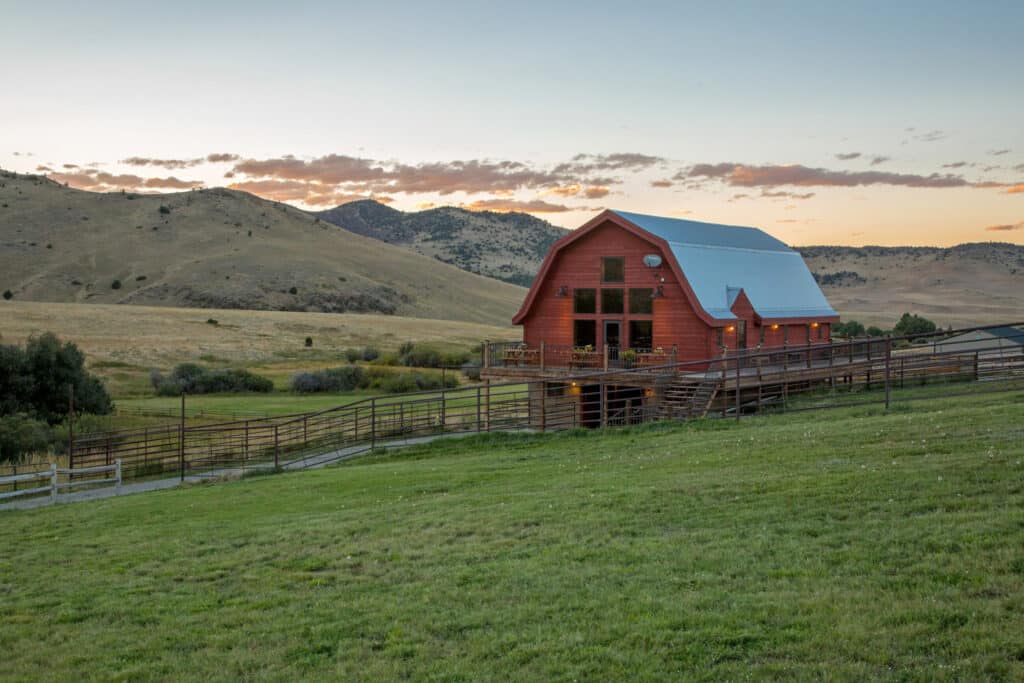
Most of the “old barns” we see today were built during the peak barn-building period, spanning from the mid-1800s to the early 1900s. By the late 1700s, farmers began seeking ways to protect their barns’ wood from the elements and experimented with creating their own protective paint. This coincided with when red paint became the most practical and affordable option.
Survival Through Function
Old barns are often red primarily because red paint was the most effective option available at the time. Farmers added ferrous oxide, otherwise known as rust, to the oil mixture. Rust was plentiful on farms and is a poison to many fungi, including mold and moss, which were known to grow on barns. The barns that were painted red were more likely to survive to become “old barns” because the paint preserved the wood.
Economic Factors for Older Structures
Cost-Driven Decisions
In 1922, the Sears, Roebuck catalog offered red barn paint for $1.43 per gallon, while other colors of house paints sold for at least $2.25 per gallon – nearly twice as much. Farmers building barns generations ago chose red because it was what they could afford.
Homemade Paint Era
Early farmers didn’t paint their barns at all. Why waste money on paint? However, by the late 1700s, farmers began to seek a way to protect their wooden barns from the elements. Farmers made their own paint, typically using a mixture of skimmed milk, lime, and red iron oxide earth pigments. The ingredients for red paint were readily available on farms.
Durability and Longevity
Superior Preservation
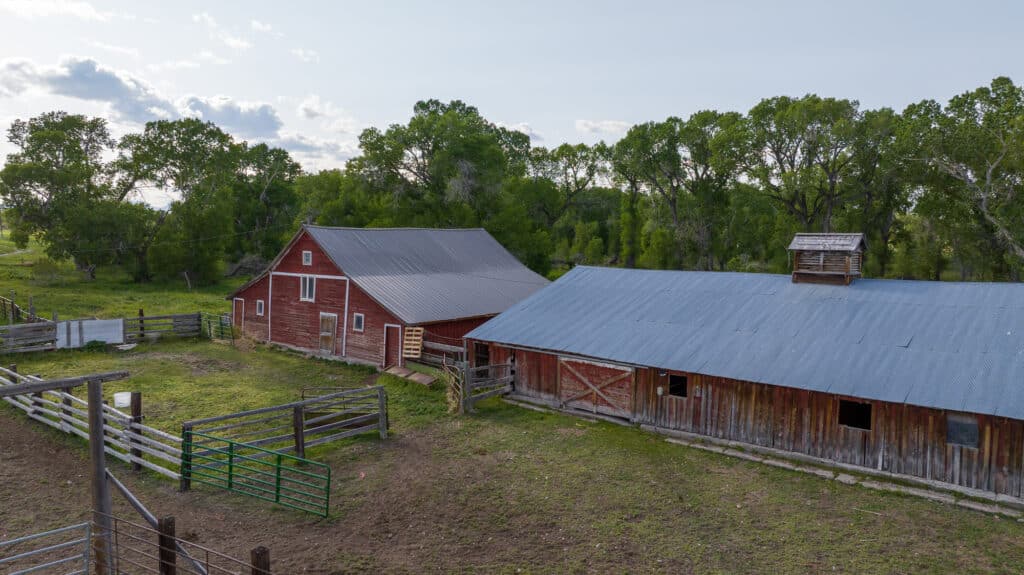
This red pigment penetrated well into wooden barn boards and resisted fading when exposed to sunlight, allowing it to age gracefully for generations. Old barns are red partly because red-painted barns lasted long enough to become old.
Self-Reinforcing Cycle
Over time, better paints became available. Even when they no longer had to make their own homemade paints out of cheap and readily available materials, however, many farmers chose to continue the tradition. When old barns needed repainting, owners often chose red to maintain the traditional appearance of the barn.
Visual Recognition and Cultural Memory
Iconic Status
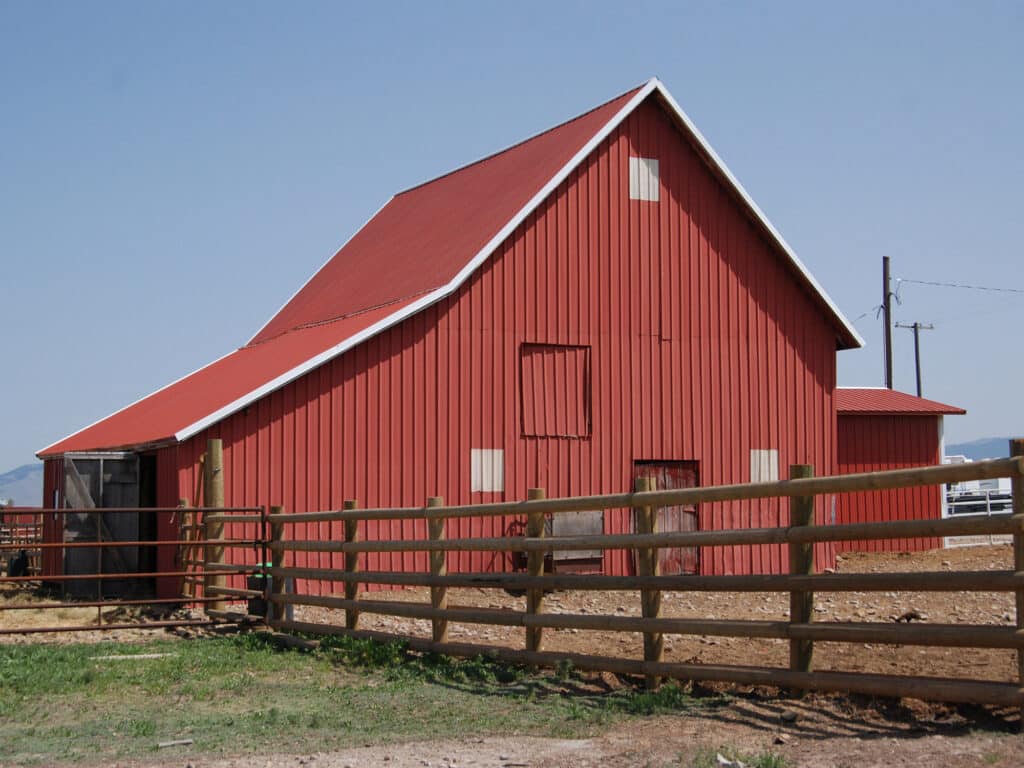
Old red barns became so closely associated with American agriculture that the color became an integral part of our cultural identity. What’s more iconic than a red barn against a green field? The American “barn red” was born through function and utility, rather than decor or superstition.
Photographic and Artistic Legacy
The red barns that survived became the subjects of countless paintings, photographs, and postcards, thereby reinforcing the association between “old barns” and the color red in popular consciousness.
Regional Concentration
Many of the old barns we see today are concentrated in areas with strong Scandinavian and German immigrant populations, who brought the red barn tradition from Europe. The Swedish tradition of painting houses and barns with “Falu Rödfärg” was brought to the United States by Swedish immigrants settling in Minnesota and other surrounding states during the 1850s and onwards. In Scandinavia, red paint (often referred to as “Falun red” after the Swedish town where it originated) was commonly used on wooden buildings because local copper mines produced red ochre as a byproduct.
Maintenance Patterns
Easier Restoration
When the paint would wear out and flake, the loose flakes could easily be brushed off and repainted to look like new again. This made it practical to maintain the red color over decades, contributing to why old barns remain red today.
In essence, old barns are red because red paint was the most practical, affordable, and effective option when those barns were built, and the barns painted red were the ones that survived long enough to become the “old barns” we admire today. The functionality of red paint ensured the longevity of these structures, creating the visual legacy we associate with historic American agriculture.
Conclusion
The Enduring Legacy of Practical Beauty
 |
 |
Today, as we drive past these weathered red sentinels, we’re witnessing more than picturesque scenery—we’re seeing the physical embodiment of American pragmatism. Every red barn tells the story of farmers who discovered that beauty and function weren’t opposing forces, but natural partners. They chose red not because it was pretty, but because it worked.
The red barn has become so embedded in our collective consciousness that it’s difficult to imagine the countryside any other way. Yet this iconic image emerged organically from the practical decisions of countless farmers who simply wanted their buildings to last. In choosing the most economical and effective paint available, they inadvertently created one of America’s most enduring architectural traditions.
In an era of planned obsolescence, the old red barn stands as a testament to the fact that the best solutions often combine necessity with ingenuity. These structures survived not because they were built to be monuments, but because they were built to work. Their longevity is their beauty—a fitting symbol of the practical wisdom that built rural America, one red barn at a time.