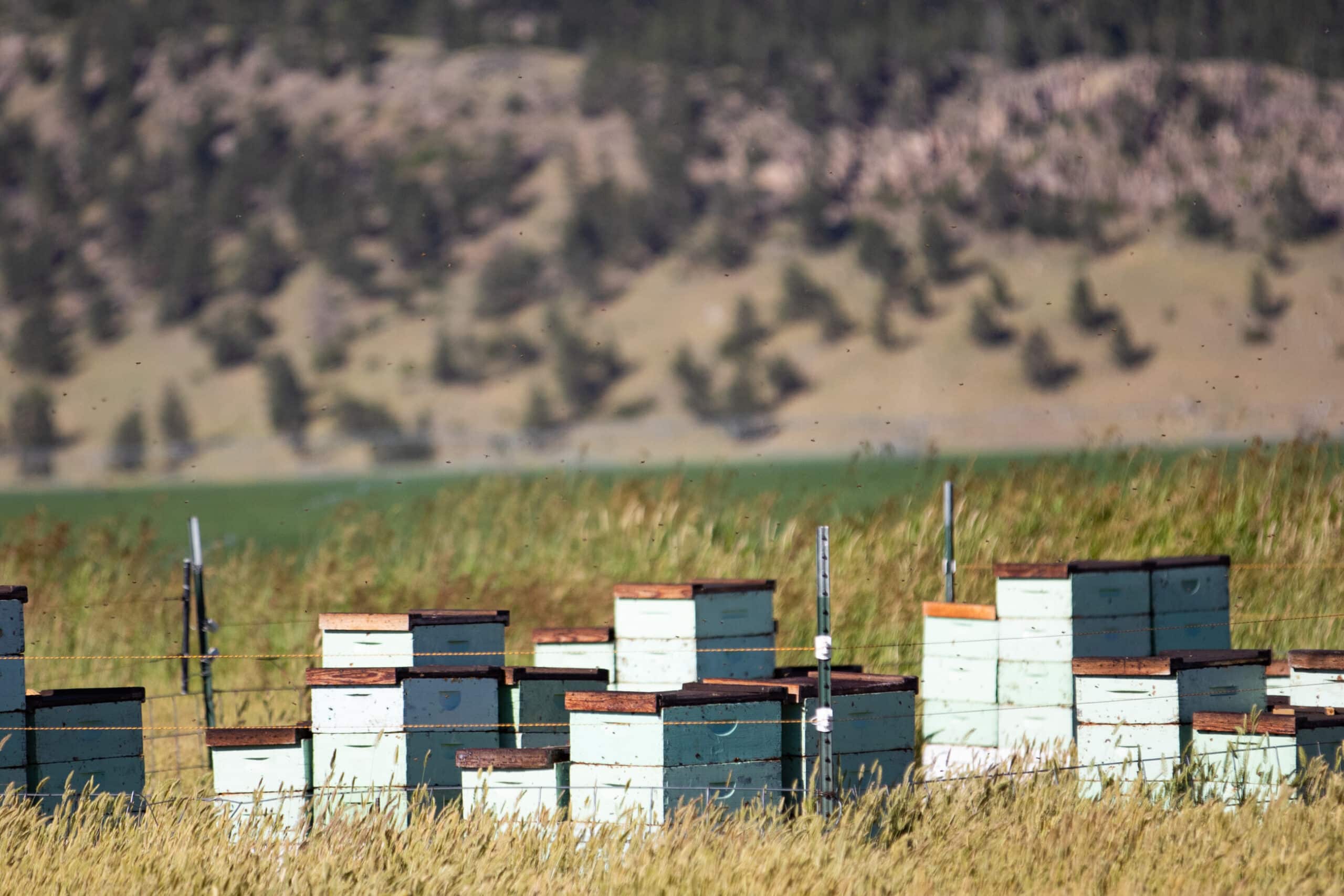
Western ranchers are discovering that bee boxes provide far more than honey—they offer solutions to economic volatility, enhanced pollination, and sustainability challenges. From boosting alfalfa yields to generating bee box rental income, bee integration represents a strategic shift toward diversified ranch management that benefits both livestock operations and critical pollinator populations.
Enhanced Pollination Services
Crop Production Benefits:
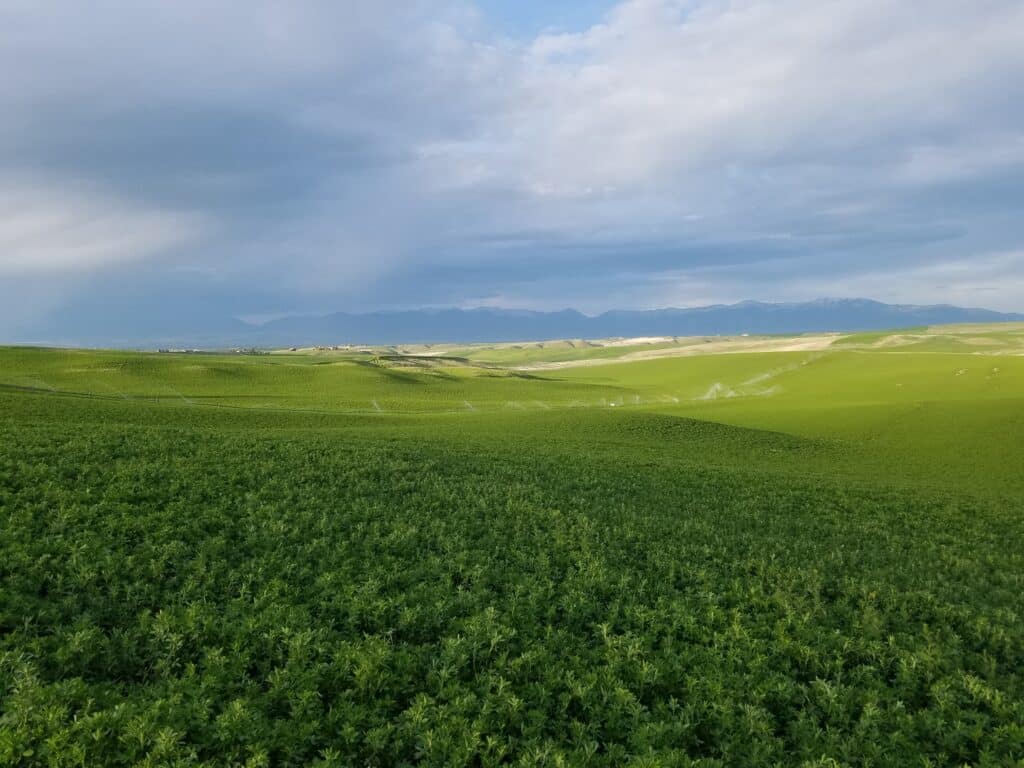
Beekeepers and ranchers are exploring how managed beekeeping can help combat problems pollinators face while increasing biodiversity on rangeland. For western ranchers growing alfalfa, clover, buckwheat, and other forage crops, bee pollination can dramatically increase yields. According to the USDA, pollinators contribute more than $18 billion in annual revenue to crop production. Additionally, the total annual value of U.S. honey bee products is an additional $700 million.
Pasture Improvement:
Enhanced Floral Diversity
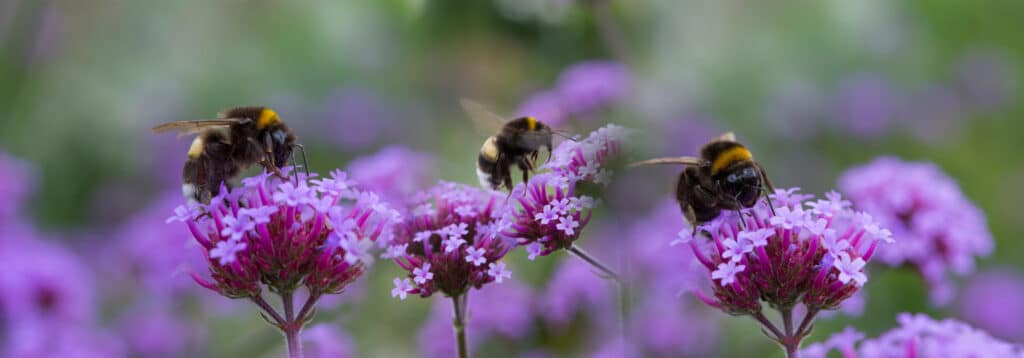
Ranchers are incorporating more flowering plants into their seed mixes, creating diverse pastures that support both cattle nutrition and pollinator health.
Improved Forage Quality
If crops like buckwheat are added to seed mixes across U.S. rangeland, bees and other pollinators would have better access to food, livestock would benefit from the nutrients, and plant biodiversity would flourish. Bees also pollinate and cross pollinate crops that cattle feed on. Better pollination leads to higher seed production in forage legumes like clover and alfalfa, increased protein content in pasture plants, better seed set resulting in more robust plant populations, and enhanced nutritional value of livestock feed.
Stronger Plant Establishment
Bee pollination significantly improves the reproductive success of many pasture plants, leading to more vigorous plant stands, better drought resistance through stronger root systems, improved persistence of desirable forage species, and natural reseeding that maintains pasture productivity over time.
Direct Revenue Streams

Honey Production
Montana showed strong performance with 9.69 million pounds produced in 2023, up 29% from 2022, despite having 7% fewer colonies. Yield per colony jumped 39% to an impressive 85 pounds.
Wyoming experienced dramatic improvement, with 2.11 million pounds in 2023, up 56% from 2022, and yield per colony increasing 73% to 78 pounds.
Bee Products
Products from bees are many beyond honey:
Beeswax is used in cosmetics, candles, and wood polishes.
Propolis (bee glue) has antimicrobial properties and appears in health supplements and wound care products.
Royal Jelly, fed exclusively to queen bees, is marketed as a premium supplement and anti-aging ingredient.
Bee Pollen is sold as a superfood supplement.
Bee Venom is collected for potential medical research and cosmetic applications claiming anti-aging effects.
Hive Rentals
Ranchers can connect with beekeeping organizations, on line platforms that support pollination services, or local bee keepers to inquire about this revenue stream.
Regenerative Agriculture Integration
Sustainable Land Management:
Incorporating managed beekeeping into regenerative agricultural systems will combat problems pollinators face related to climate change and food availability while increasing biodiversity and restoring habitat on rangeland. This approach aligns with conservation programs that provide ranchers with additional revenue.
Plant Diversity Enhancement:
If crops like buckwheat are added to seed mixes across U.S. rangeland, bees and other pollinators would have better access to food, livestock would benefit from the nutrients, and plant biodiversity would flourish . This results in healthier pastures with improved soil quality and enhanced livestock nutrition.
Strategic Economic Advantages
Better pollinated pastures translate to tangible economic benefits including higher carrying capacity with more cattle per acre, reduced feed costs through improved forage quality, extended grazing seasons with more productive plants, and lower reseeding costs due to natural plant regeneration.
The key insight is that beekeeping creates a positive feedback loop: bees improve pasture health and productivity, which in turn provides better habitat and forage for the bees, creating sustainable improvements that benefit both livestock and pollinator populations.
Cost-Benefit Analysis:
Farmers may use beekeeping income to purchase productive inputs such as fertilizers, and beekeeping may benefit farming communities through pollination services . The research shows that beekeepers invest significantly more in fertilizers than non-beekeepers, suggesting improved overall farm productivity.
Market Positioning:
As climate change, disease, predators, and other factors decimate hives around the country, beekeepers are looking to pastureland managed with regenerative agricultural practices for a more sustainable future. Ranchers with bee-friendly practices are becoming preferred partners for commercial beekeepers seeking reliable locations.
Ecosystem Service Value
Broader Economic Impact:
The estimated economic value of ecosystem services from beef cattle ranches and farms was $17.5 billion for wildlife recreation, $3.8 billion for forage production, and $3.2 billion for other ecosystem service. Bee integration enhances these values through improved biodiversity and pollination services.
Conservation Program Benefits: Many western states offer financial incentives for ranchers who implement pollinator-friendly practices, providing additional revenue streams while supporting environmental stewardship goals.
Operational Flexibility
Seasonal Complementarity:
Beekeeping activities often complement traditional ranching schedules. Peak honey production typically occurs during spring and summer flowering periods, when other ranch activities may be less intensive, allowing ranchers to maximize land use efficiency.
Scalability:
Beekeeping as a source of income varies from hobbyists that keep fewer than 25 colonies to professionals that manage between 300 and 60,000 colonies. Ranchers can start small and expand based on success and available resources.
Infrastructure Synergies:
Existing ranch infrastructure, like roads, water sources, and equipment storage, can often accommodate beekeeping operations with minimal additional investment.
The integration of bee boxes into western ranching operations represents a strategic approach to agricultural diversification that enhances both economic resilience and environmental sustainability, positioning ranchers to benefit from the growing demand for pollination services while improving their land’s productive capacity.
How Ranchers Can Support Bees

Plant Pollinator-Friendly Flowers:
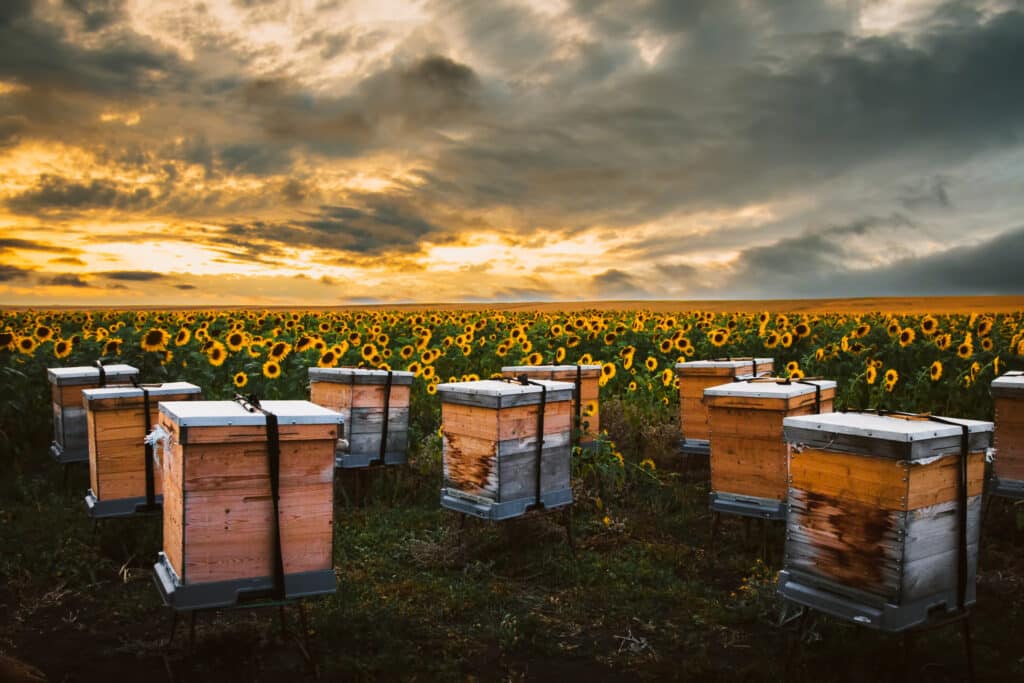
Planting an array of flower producing plants such as sunflowers and clover along boarders or dispirsed into fields to insure a continous food source for the bees.
Manage Pesticides and Insecticides:
These chemicals are harmful to bees because they interfere with bee reproduction, a bees memory and navagation capabilities, and parts of plants that are important for the bee to use. When bees are exposed to pesticides, habitats for them can be lost resulting in pathogens and disease to creep in to established bee colonies.
Create Habitat:
Leave areas around fields undisturbed so the bee have shelter and nesting sites. Bees also need a water source to survive.
Manage Colony Health:
Check the hive to ensure they are functioning as they should.
Conclusion
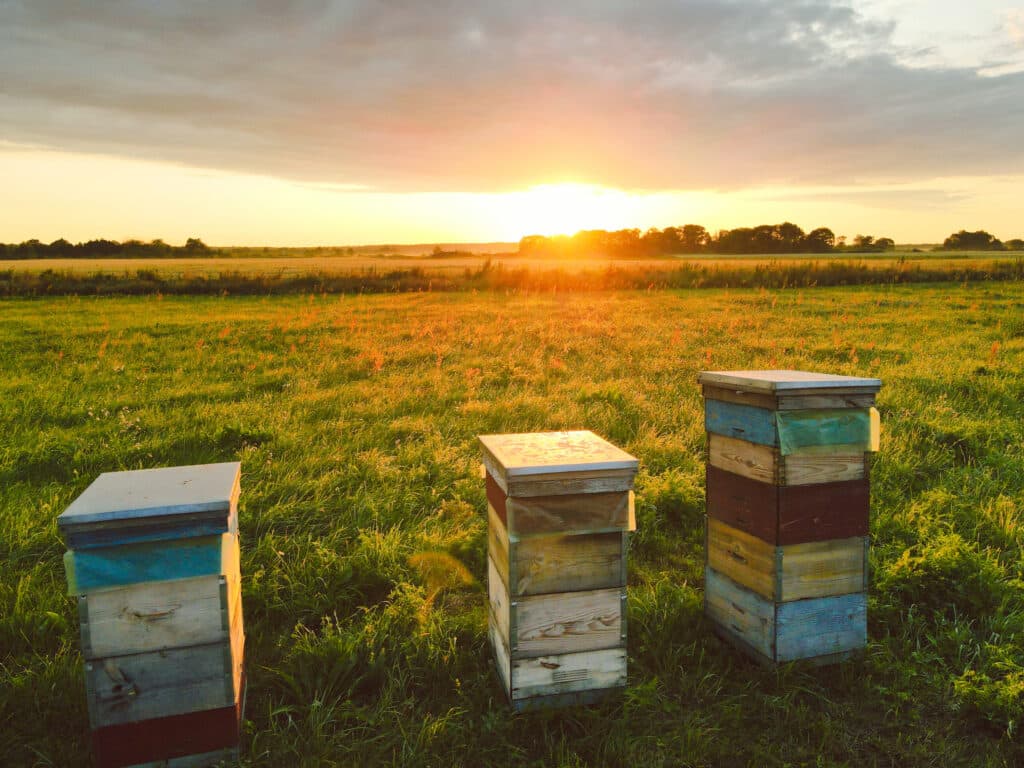
Bee boxes provide western ranchers with a comprehensive solution to modern agricultural challenges, offering enhanced pollination, income diversification, and regenerative land management. With pollination services valued at $16 billion nationally and multiple revenue streams from honey production to hive rentals, bee integration creates resilient operations that benefit both ranchers and critical pollinator populations.
As climate pressures and market volatility intensify, bee boxes represent a strategic path toward sustainable, profitable ranching that positions operators for long-term success.