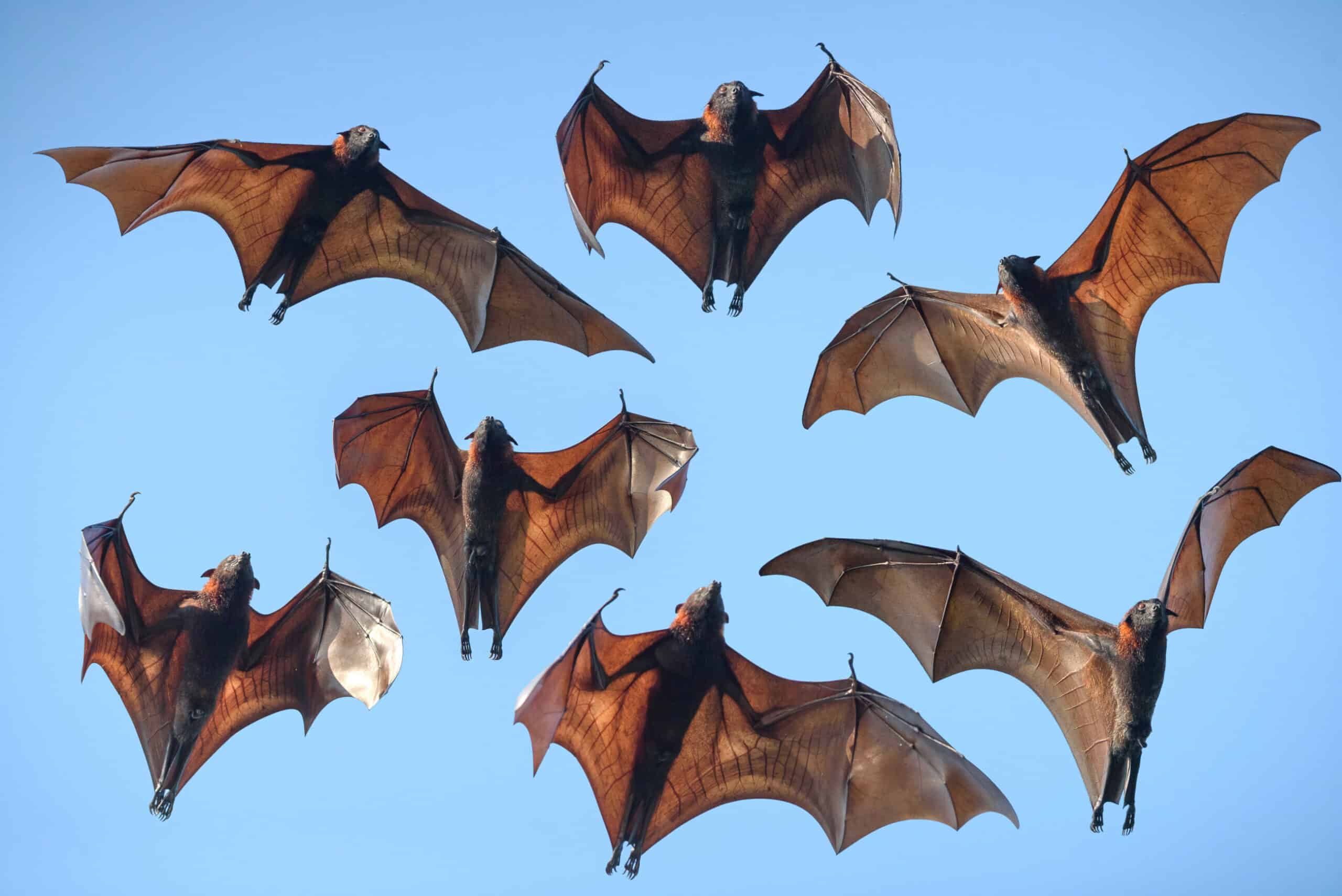
A single bat colony can consume millions of agricultural pests each season, translating into thousands of dollars in savings per ranch. Even better, bats work every night for free, without contaminating water or harming beneficial insects. As ranchers face pressure to reduce chemical use and cut costs, these flying pest controllers are proving to be essential—and profitable—members of the ranch team.
The Scale of Bats For Pest Control
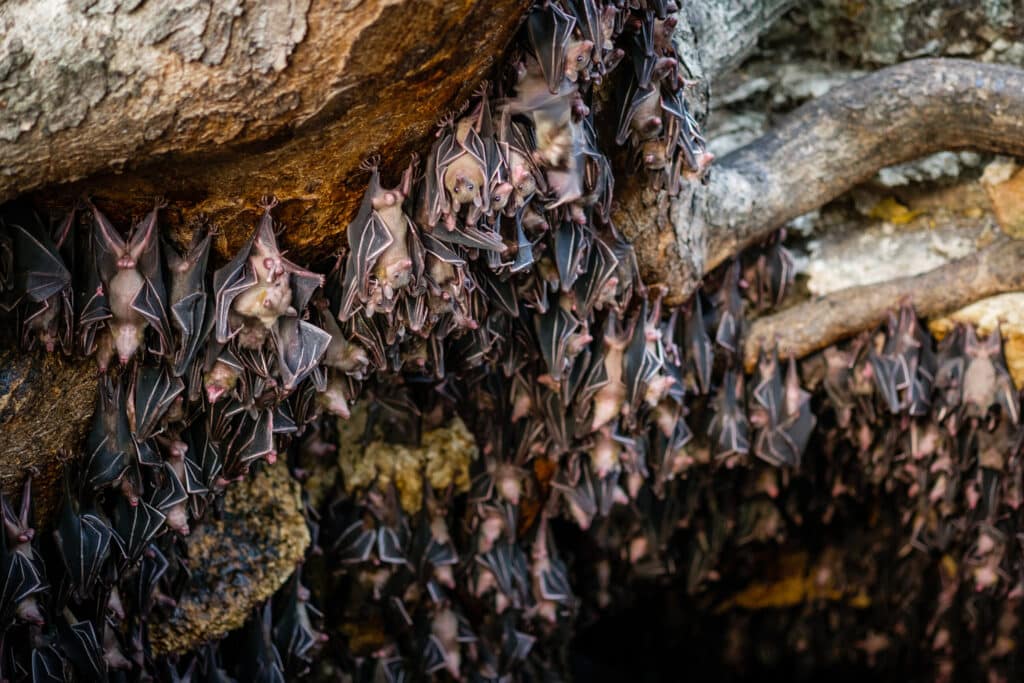
The insect-eating capacity of bats is genuinely remarkable. A typical colony of just 150 big brown bats can consume enough adult cucumber beetles each summer to prevent the laying of 33 million rootworm larvae, which are major agricultural pests. In Texas alone, Mexican free-tailed bats provide an estimated $741,000 worth of pest control services to cotton farmers annually. When you scale this across the millions of acres of western ranchland, the economic impact becomes enormous.
Western ranch environments often support multiple bat species, each with different hunting strategies and prey preferences. Some species, like the pallid bat, hunt ground-dwelling insects like crickets and scorpions, while others, like the Brazilian free-tailed bat, hunt high-flying moths and beetles. This diversity enables ranchers to receive comprehensive pest control across a range of ecological niches.
Specific Pests Bats Target on Ranches
Livestock Pests:
Horn flies, stable flies, and horse flies are constant irritants to cattle and horses. These biting flies can cause significant weight loss in cattle – studies show that severe fly infestations can reduce weight gain by 0.5 pounds per day per animal. Over the course of a grazing season, this translates to substantial economic losses. Bats help keep these populations in check, though they’re most effective against the adult flying stages.
Crop and Forage Pests:
Many western ranches grow hay, alfalfa, or maintain pastures. Bats consume enormous quantities of moths, whose larvae (such as armyworms and cutworms) devastate these crops. Grasshoppers, which can strip pastures bare during outbreak years, are also on the menu for larger bat species. Beetles that damage grain storage and feed supplies are caught in flight by bats during their mating flights.
Disease Vectors:
Mosquitoes aren’t just annoying – they can transmit diseases like West Nile virus to both humans and horses. Bats significantly reduce mosquito populations around ranch buildings, water tanks, and irrigation systems where these insects breed prolifically.
Economic Impact in Detail
The dollar value of bat pest control services is substantial. Research from various agricultural regions suggests bats provide between $3.7 billion and $53 billion worth of pest control services annually across North American agriculture. For an individual ranch operation, this might translate to:
• Reduced pesticide purchases (savings of hundreds to thousands of dollars annually)
• Decreased veterinary bills from fly-related conditions like pink eye in cattle
• Better weight gain and milk production in livestock not stressed by constant insect harassment
• Higher quality hay and forage crops with less insect damage
• Reduced feed contamination from grain beetles and moths
Some progressive ranchers have documented their own data showing 30-50% reductions in flying insect populations after establishing bat colonies on their property.
Western Ranch Environments and Bat Habitat
The western landscape is particularly well-suited to bat-rancher partnerships. Many western ranch buildings are old structures with gaps and crevices where bats naturally roost. Rock outcroppings, cliff faces, and abandoned mines provide additional roosting sites. The wide-open spaces of western ranches mean less light pollution and fewer buildings, creating ideal hunting grounds where bats can use echolocation effectively.
Water is a critical element. Ranch ponds, stock tanks, irrigation ditches, and riparian areas along streams become insect factories in the warm months, and bats congregate around these water sources at dusk. Smart ranchers position bat houses near these areas to maximize their effectiveness.
The elevation diversity of western ranches also matters. Different bat species occupy different elevational zones, so a ranch spanning from the valley floor to the foothills might support five or more bat species, each contributing to pest control.
Ranching Practices That Support Bats
Forward-thinking ranchers are adopting bat-friendly practices:
Bat House Installation:
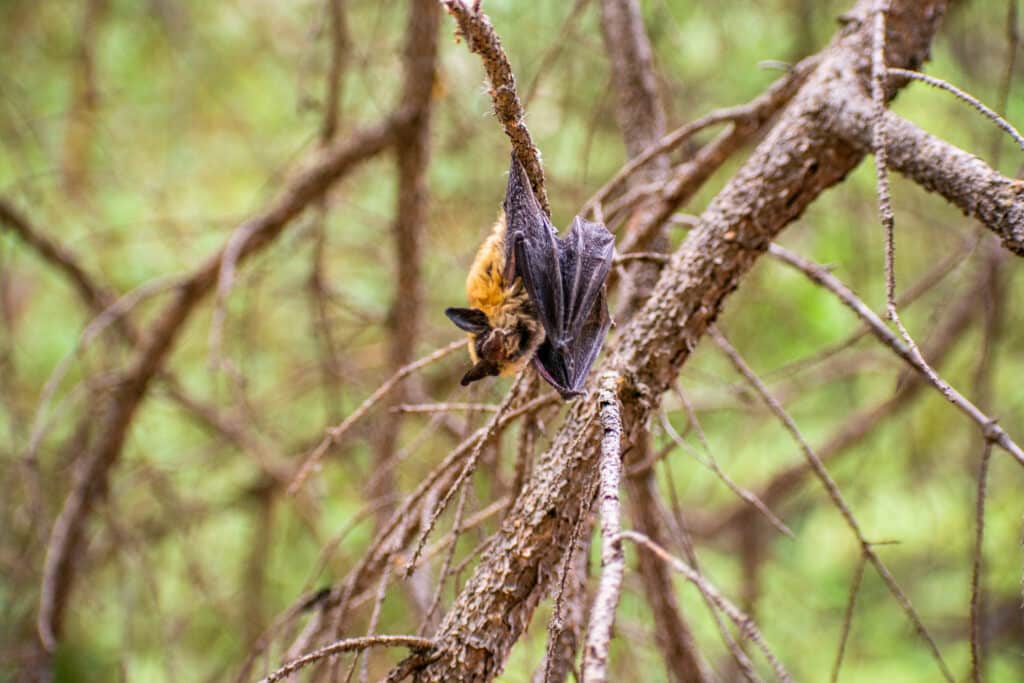
Purpose-built bat houses mounted on poles 15-20 feet high provide excellent roosting sites. These should face south or southeast to capture morning sun (bats need warmth), be located near water, and have rough interior surfaces for bats to grip. A well-designed bat house can host 50-300 bats.
Protecting Natural Roosts:
Preserving old barns, leaving dead trees standing (when safe), and protecting cave entrances ensures bats have diverse roosting options. Many ranchers now incorporate bat access into new building designs.
Water Management:

Maintaining clean water sources and creating additional ponds or wetlands not only benefits livestock but also attracts the insects that bats feed on.
Reduced Pesticide Use:
Ironically, heavy pesticide use can harm bat populations by reducing their food supply and through bioaccumulation of toxins. Ranchers working with bats often adopt integrated pest management approaches.
Timing Activities:
Avoiding disturbance of maternity colonies during summer months (when female bats raise young) helps ensure healthy bat populations year after year.
Challenges and Considerations
Bats do face significant threats that ranchers should be aware of. White-nose syndrome, a fungal disease, has devastated eastern bat populations and is spreading westward. Many western bat species are now considered threatened or of conservation concern. Climate change affects insect emergence timing and water availability, potentially disrupting the dynamic between bats and insects.
Ranchers also need to be educated about the risks of rabies. While less than 1% of bats carry rabies, and bats are generally not aggressive, taking basic precautions, such as never handling bats and ensuring domestic animals are vaccinated, is essential.
The Broader Ecological Picture
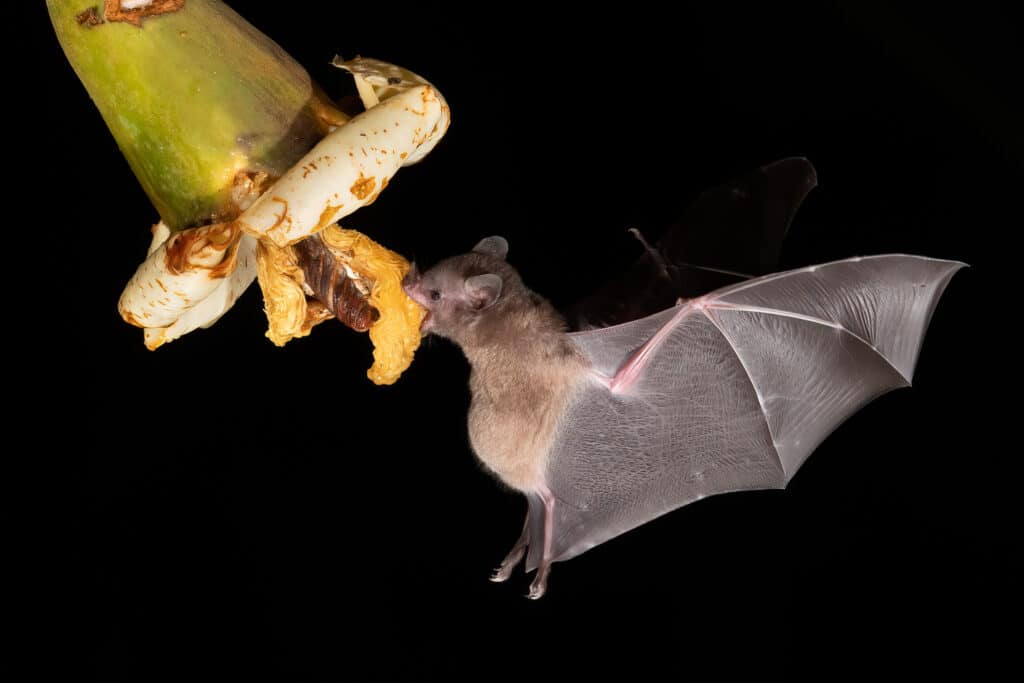
Bats fit into a larger system of natural pest control on ranches. They complement birds like swallows, swifts, and nighthawks that hunt insects during daylight hours. Together, these species provide around-the-clock pest management. Bats also contribute to seed dispersal and pollination (though insectivorous bats less so), supporting the overall health of ranch ecosystems.
Real-World Success Stories
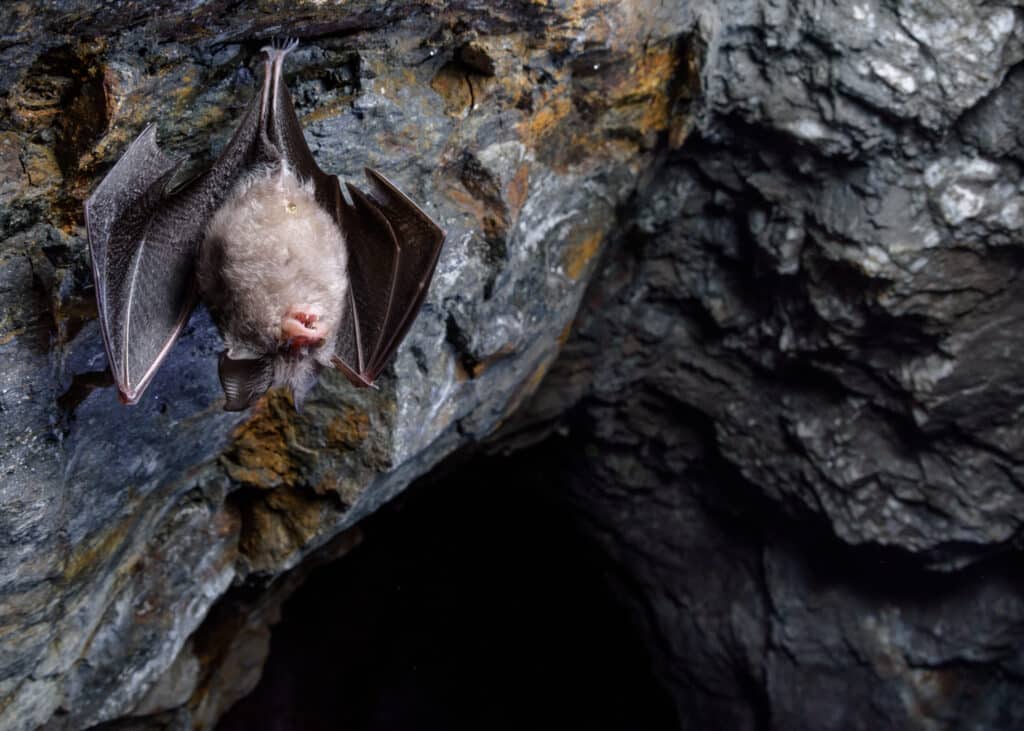
Many western ranches have documented their success with bat conservation. Some large operations in Texas, New Mexico, and Montana have established multiple bat houses and protected cave roosts, resulting in resident colonies of thousands of bats. These ranchers report noticeable differences in insect pressure, particularly around corrals, barns, and outdoor work areas that previously required regular pesticide fogging.
Agricultural extension services in several western states now actively promote bat houses as part of sustainable ranching practices, recognizing that working with nature rather than against it produces better long-term results for both the land and the bottom line.
The relationship between bats and western ranchers exemplifies how conservation and agriculture can be aligned. By understanding and supporting these nocturnal allies, ranchers gain effective, economical, and environmentally sound pest control while contributing to the conservation of species that face increasing threats.
Contact Swan Land Company