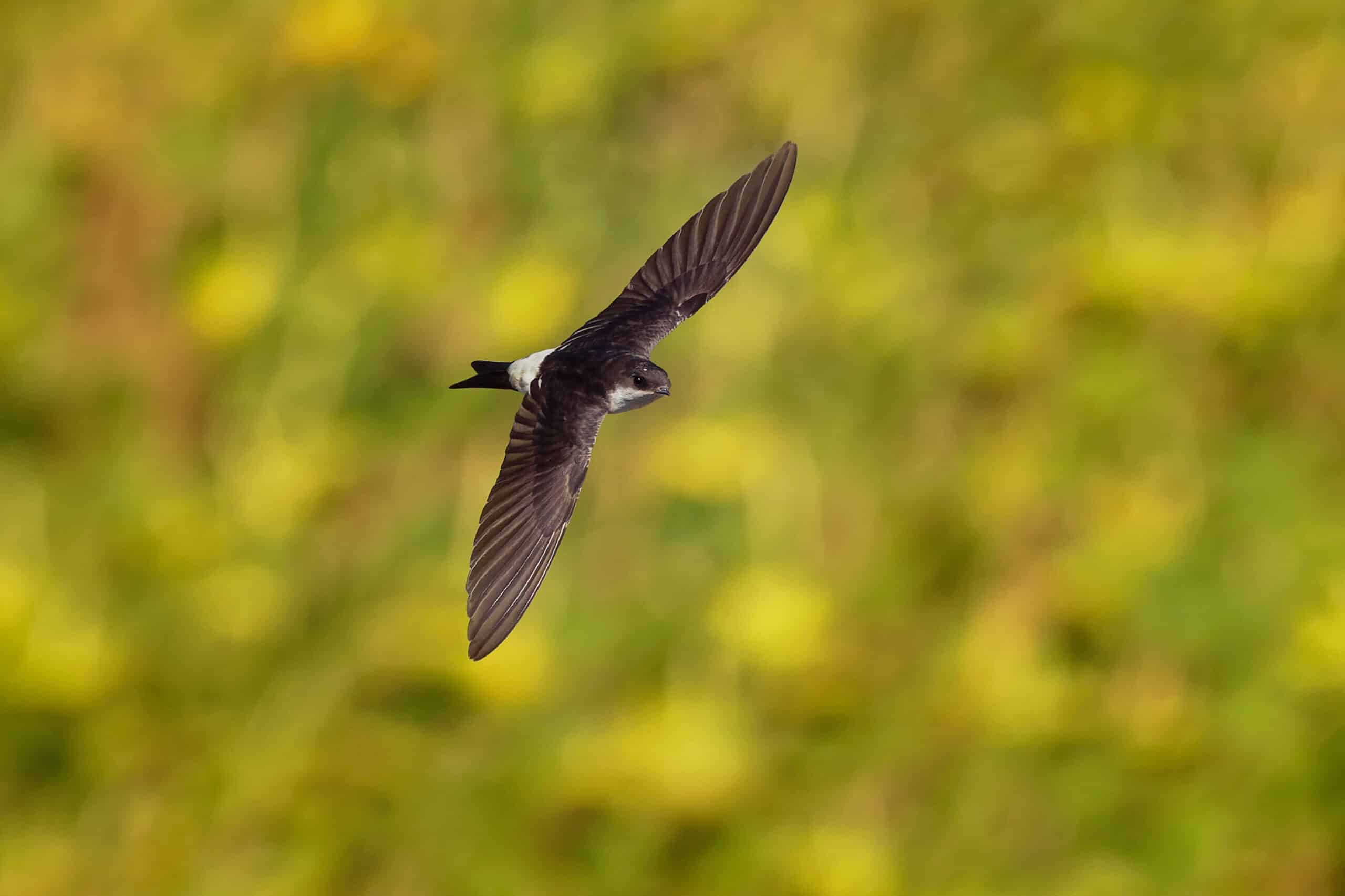
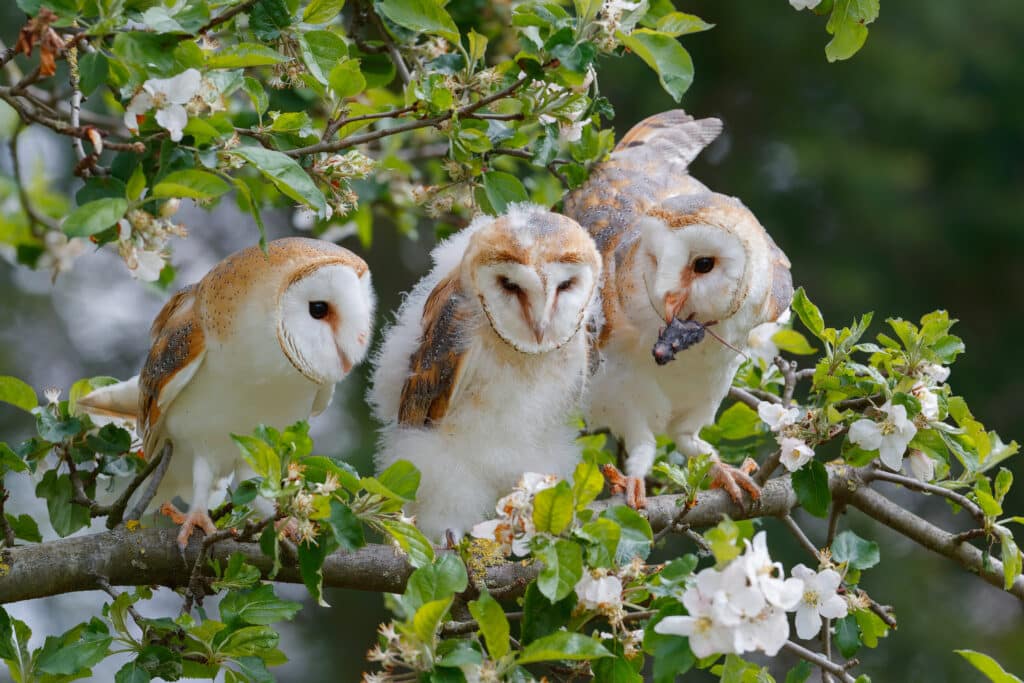
Beneficial birds—from insect-hunting swallows to rodent-controlling raptors—provide natural pest management that can significantly reduce reliance on chemicals while supporting healthier ranch ecosystems. A single barn owl family can consume thousands of rodents annually, while colonies of barn swallows dramatically reduce fly populations around livestock areas.
Creating habitat for these avian allies doesn’t require taking land out of production. Instead, it involves thoughtful adjustments to existing ranch infrastructure and management practices that integrate seamlessly with livestock operations, delivering measurable returns season after season.
Provide Nesting Sites
Creating a suitable nesting habitat is crucial for attracting beneficial birds to a ranch property. Nest boxes offer immediate solutions for many species. Barn owl boxes should be installed in barns, outbuildings, or mounted on poles at heights of 12-18 feet, providing these rodent hunters with safe places to raise their young. Bluebird boxes work best when mounted 4-6 feet high on fence posts along pastures where they can hunt insects in short grass. Kestrels prefer boxes positioned 10-30 feet high on poles or dead trees, giving them elevated hunting perches. All nest boxes should be placed away from high-traffic areas while remaining visible enough for monitoring. They require annual cleaning after the nesting season ends to prevent the buildup of parasites.
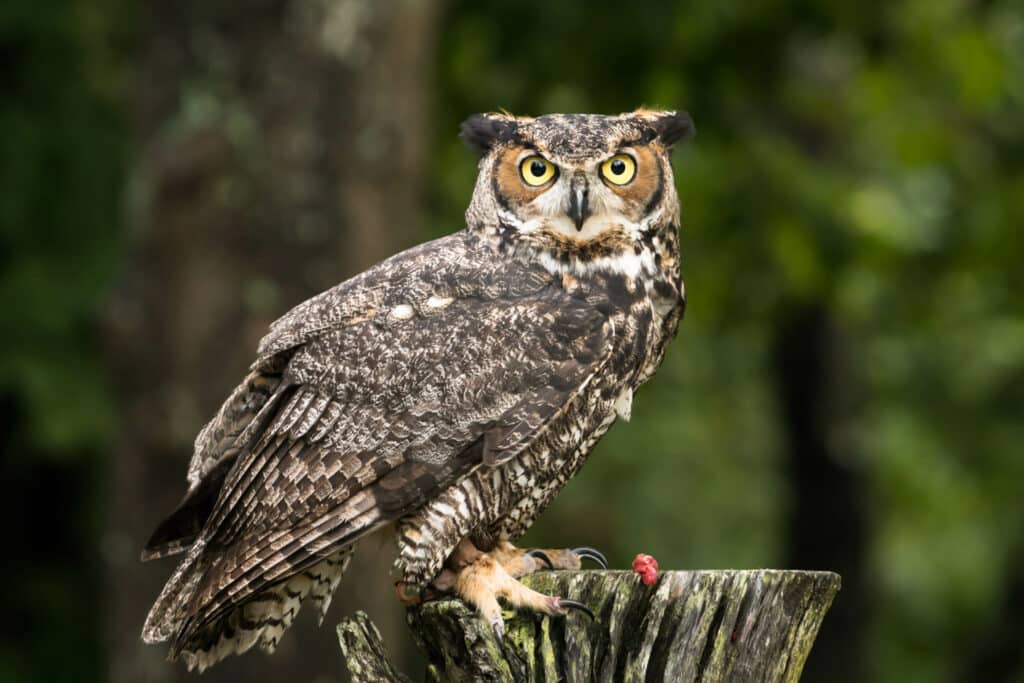
Preserving natural nesting habitat proves equally important. Dead trees, known as snags, provide essential nest cavities for owls, woodpeckers, and numerous other cavity-nesting species. When safety permits, leaving these standing creates premium real estate for beneficial birds. Cliff faces and rock outcroppings serve as natural nesting sites for cliff swallows and ravens, while old barns and outbuildings with accessible entry points attract barn swallows and barn owls. Large, mature trees throughout the property provide nesting platforms for hawks and great horned owls, which often return to the same sites year after year.
Create Water Sources
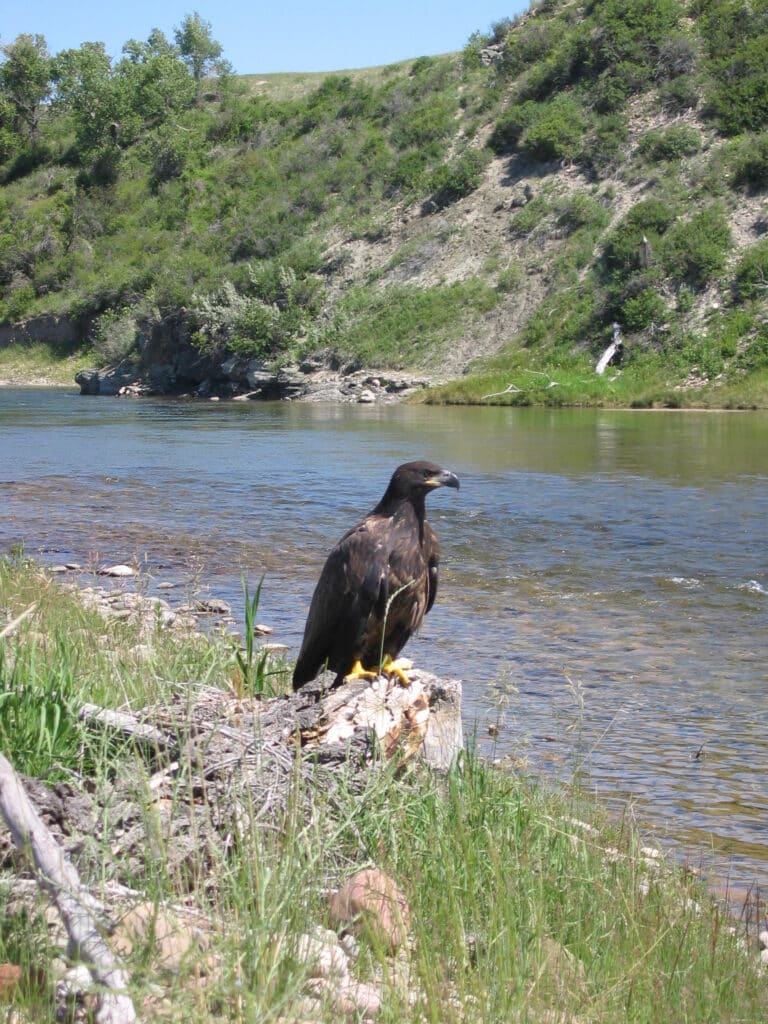
Reliable water sources attract and sustain bird populations throughout the year. Stock tanks already present on most ranches can be made more bird-friendly by ensuring accessible edges or adding stones and branches that provide perching spots for birds to drink and bathe. Creating shallow water features or birdbaths with depths of one to three inches accommodates birds of various sizes. Installing drip systems or small fountains makes water sources even more attractive, as the movement and sound of flowing water draws birds from considerable distances. Multiple water sources distributed across the property reduce territorial conflicts and ensure all areas support healthy bird populations. During winter months, maintaining at least some ice-free water becomes crucial for resident and overwintering species.
Establish A Diverse Habitat
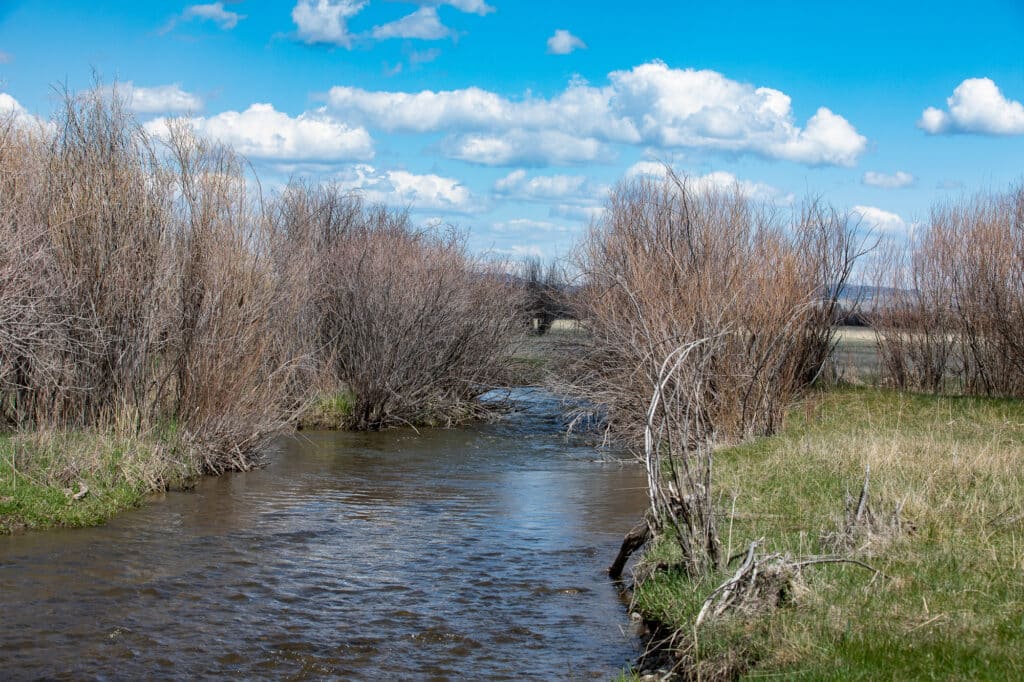
Habitat diversity directly correlates with bird diversity. Hedgerows and windbreaks planted along fence lines create shelter, nesting sites, and travel corridors for numerous species. These plantings work best when they incorporate native shrubs and trees at varying heights, with some berry-producing plants included to provide food sources. Connecting habitat patches across the property creates wildlife corridors that allow birds to move safely between areas.
Maintaining a variety of vegetation types across the ranch supports a range of bird species and their corresponding prey. Native grasslands provide essential habitat for ground-nesting birds while supporting robust insect populations that feed many species. Brush piles left in strategic locations offer cover and concentrate insects that birds hunt. Riparian areas along streams and drainages should maintain their natural vegetation, as these zones support exceptionally high bird diversity. Field edges and ditch banks that are allowed to grow become productive habitats for insectivorous birds, thanks to the presence of wildflowers and native grasses.
Manage for Insects and Prey
Beneficial birds require abundant food sources, which means maintaining healthy populations of their natural prey. Reducing pesticide use stands as one of the most important steps ranchers can take. Adopting integrated pest management approaches maintains sufficient insect populations for birds while still controlling serious agricultural pests. When chemical applications become necessary, using targeted treatments rather than broad-spectrum spraying preserves beneficial insects and bird food sources. Timing applications carefully can minimize impacts on pollinators and the insects that birds depend upon.
Creating a specific insect habitat enhances bird foraging opportunities. Leaving some areas unmowed throughout the growing season allows insects to complete their life cycles and maintains diverse insect communities. Planting native wildflowers supports pollinators and the many insects that birds rely on for food. Diverse plant communities across the ranch produce more insects than monocultures. Even preserving dung beetles by carefully selecting livestock medications helps maintain food sources for many bird species.
While rodents can cause problems, maintaining moderate populations in appropriate areas provides essential prey for raptors. Some grassland habitats support natural prey populations that sustain hawk and owl families. Avoiding excessive rodenticide use prevents secondary poisoning of raptors that eat contaminated rodents. Strategic hay stacking at field edges can provide some rodent habitat without creating problems in main production areas.
Provide Perching and Hunting Structures
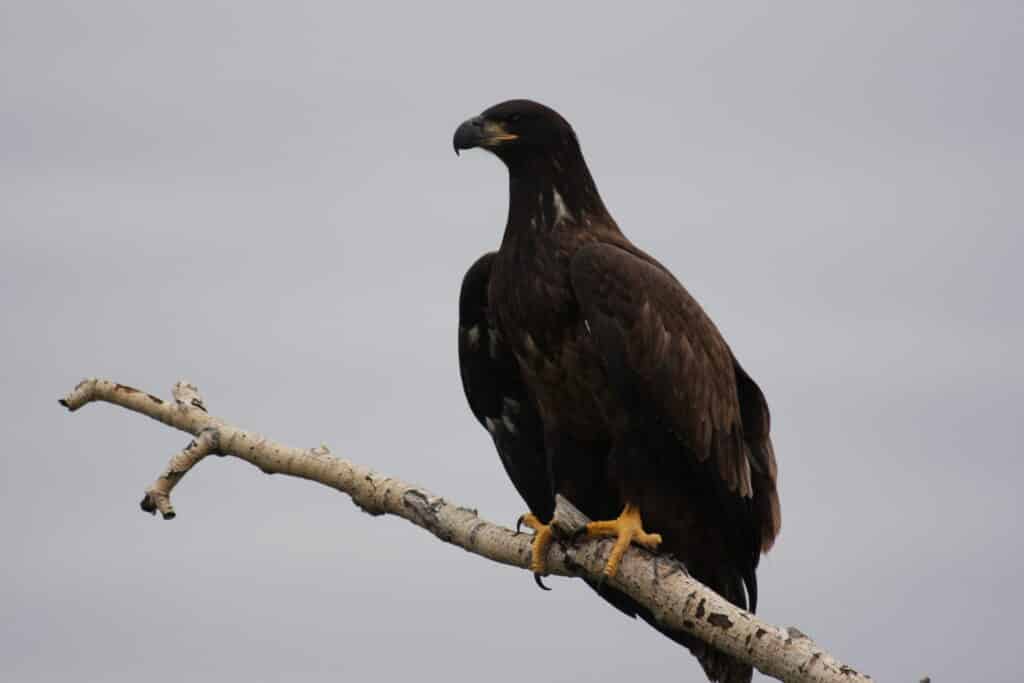
Raptors and many other beneficial birds hunt more effectively when suitable perches exist throughout the ranch. Installing tall posts or leaving strategic dead trees standing creates ideal hunting perches where hawks and kestrels can scan for prey. Wire fencing provides natural perching spots, and leaving the ground beneath fence posts unmowed supports small rodent populations that raptors hunt. Maintaining open sight lines around perches enables birds to spot prey effectively and execute successful hunts.
Timing and Seasonal Considerations
Protecting birds during nesting season is crucial for ensuring successful reproduction and growing populations. Avoiding disturbance of nest sites from spring through mid-summer allows parent birds to raise their young without abandonment risks. Major ranch activities, such as fence work and building maintenance, can often be scheduled for fall and winter when nesting pressures have subsided. When active nests are discovered, delaying nearby work until young birds fledge prevents unnecessary losses.
Year-round habitat support maintains resident bird populations and attracts overwintering species. Food and water sources maintained through winter sustain birds during harsh conditions. Leaving seed heads on native plants provides natural winter food, and keeping some areas snow-free through livestock activity or strategic clearing helps ground-feeding birds access food during deep snow periods.
Specific Attractants by Bird Type
Different species require specific accommodations for successful attraction. Swallows thrive when barn doors remain open or entry holes provide access to buildings, and they require mud sources, such as shallow puddles, for nest construction. Keeping eaves and rafters accessible in outbuildings allows these aerial insect hunters to establish colonies that can dramatically reduce fly populations around livestock areas.
Bluebirds prefer boxes positioned in open areas with short grass nearby, where they can easily spot and catch insects. Spacing boxes at least 100 yards apart reduces territorial conflicts, and facing entrances away from prevailing winds protects nestlings from weather. These beautiful birds become loyal residents when conditions suit their needs, providing season-long insect control.
Owls require specific accommodations based on their size. Barn owls require large boxes with a minimum dimension of 10x18x15 inches, positioned to allow clear flight paths and easy access. Minimizing nighttime lighting around owl habitat prevents disruption of their hunting patterns and improves their effectiveness as rodent controllers.
Raptors, like hawks, benefit from preserved tall trees or purpose-built nesting platforms that provide commanding views of their hunting territories. These birds often return to successful nest sites year after year, so avoiding disturbance once nests are established creates long-term relationships with resident raptors that provide continuous rodent control.
Minimize Threats
 |
 |
 |
Even a perfect habitat fails if threats prevent birds from thriving. Window strikes kill millions of birds annually, but applying decals or screens to large windows on buildings dramatically reduces collisions. Positioning any bird feeders either very close to windows (less than three feet) or quite far away (more than 30 feet) prevents birds from building up a fatal speed before impact.
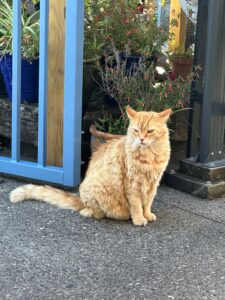
Predators can devastate nest box populations without proper protection. Installing baffles on nest box poles prevents climbing predators, such as raccoons and snakes, from reaching eggs and nestlings. Domestic cats kill enormous numbers of birds and should be kept indoors or in enclosed outdoor spaces. Positioning nest boxes away from dense cover where predators can hide or ambush gives parent birds clear approaches to their nests.
Various ranch hazards pose risks to birds. Barbed wire in high bird-traffic areas can be covered or replaced with smoother wire alternatives. Properly disposing of baling twine and netting prevents birds from becoming entangled. Stock tanks should include escape ramps so birds that fall in while drinking can climb out rather than drowning.
Monitor and Maintain
Thriving bird habitat requires ongoing attention. Checking nest boxes monthly during breeding season identifies problems early and allows intervention when needed. Removing old nesting material after birds fledge prevents the buildup of parasites that can harm future residents. Tracking which species use the property over time helps ranchers understand what works and what needs adjustment. Noting particularly successful nesting sites allows ranchers to replicate those conditions elsewhere on the property. Removing invasive species like European starlings and house sparrows from nest boxes intended for native species ensures the targeted beneficial birds can use these resources.
Community Approach
Bird conservation is most effective when neighboring ranches collaborate on efforts. Creating larger habitat corridors across property boundaries benefits birds that need extensive territories or travel between seasonal ranges. Participating in agricultural extension programs focused on beneficial birds provides access to current research and proven techniques. Engaging with citizen science projects, such as breeding bird surveys, contributes valuable data while helping ranchers understand their local bird populations. Sharing successful strategies with neighboring ranchers multiplies conservation benefits across the landscape.
Over All
By implementing these interconnected practices, ranchers create environments that benefit beneficial birds, allowing them to establish permanent populations. This natural pest control reduces chemical inputs while supporting biodiversity. The most successful approaches combine multiple strategies tailored to specific target species and adapted to each ranch’s unique landscape characteristics. Over time, these investments in bird habitat pay dividends through reduced pest problems, lower input costs, and the satisfaction of working alongside nature’s own pest control specialists.