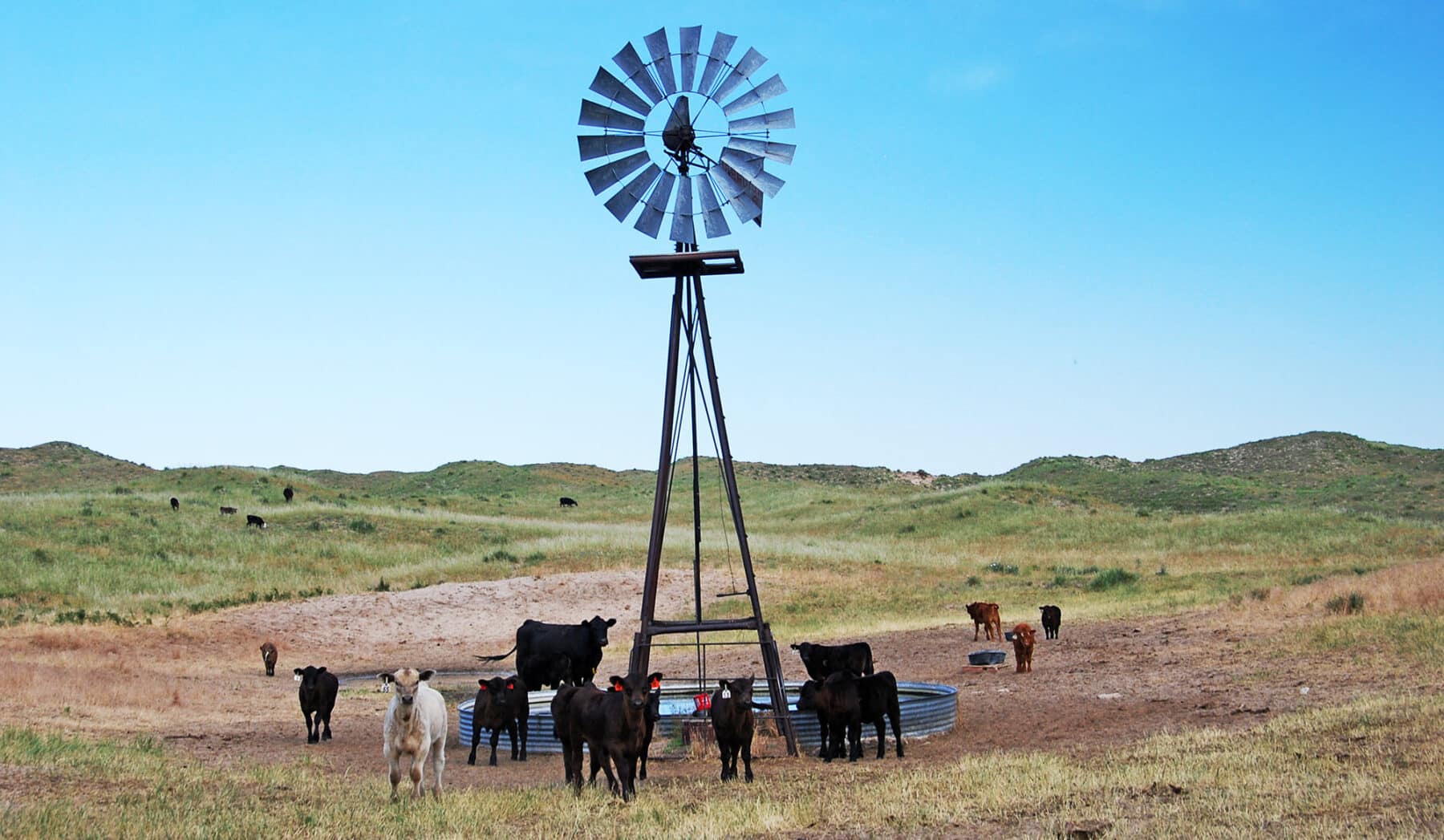
In the high country of the American West, where wind-whipped ridges meet vast expanses of sagebrush and bunchgrass, a quiet revolution is taking root. It is measured not in acres of hay or head of cattle, but in tons of carbon locked deep beneath the soil. As the 2025 Farm Bill extension rolls out its incentives for climate-smart practices through September 2026, ranches across our Rocky Mountain heartland are stepping forward to claim a share of this emerging market. From Idaho’s Teton foothills to Nebraska’s Sandhills, the ground itself is becoming a source of enduring value—even as the recent One Big Beautiful Bill Act (OBBB), signed in July 2025, redirects unobligated Inflation Reduction Act (IRA) conservation funds to permanent Farm Bill baselines, resulting in a net $1.8 billion adjustment that bolsters voluntary programs like EQIP and CSP while rescinding unallocated pots and imposing restrictions on certain carbon oxide credits. With a full Farm Bill rewrite slated for early 2026 potentially refining sequestration incentives amid bipartisan pushes for rural stability, the timing to audit and enroll could not be more urgent.
At Swan Land Company, we have long championed properties that weave productivity with stewardship, recreation with resilience. Carbon sequestration adds a vital new thread to that tapestry. Regenerative practices like adaptive grazing and cover cropping not only pull CO₂ from the atmosphere but also boost soil health, water retention, and forage quality. In many cases, they lift land values by 10 to 20 percent. With federal programs channeling up to $18 billion in IRA funds over the decade into tools like the Environmental Quality Incentives Program (EQIP) and Conservation Stewardship Program (CSP), now is the time for landowners to audit their holdings and explore this untapped revenue stream.
 |
 |
The Mechanics of Carbon Markets: From Soil to Sale
At its core, carbon sequestration rewards ranchers for practices that capture atmospheric CO₂ and store it in soils, vegetation, or biomass. A single credit represents one metric ton sequestered and verified by third-party registries under the USDA or emerging voluntary platforms. Credits then trade on markets, where buyers, from tech giants to commodity traders, seek offsets to meet net-zero pledges.
The 2025 Farm Bill supercharges this effort with IRA funds funneled through familiar USDA channels. For fiscal year 2025, allocations include about $1 billion for EQIP to cover upfront costs like fencing or seeding, around $500 million for CSP to reward ongoing stewardship, and roughly $150 million for the Agricultural Conservation Easement Program (ACEP) to protect high-sequestration lands via easements. These are not abstract pots of money. They are cost-shares covering 50 to 90 percent of implementation, plus streamlined verification to cut red tape.
Prices in 2025’s voluntary market range from $15 to $30 per ton for agricultural credits, with an 18 percent uptick in the agriculture category driven by demand for verified, co-benefit-rich projects. Think wildlife habitat or water quality gains. Premium credits, those blending sequestration with biodiversity boosts, can fetch 20 to 50 percent more. For a mid-sized ranch sequestering 0.5 to 1 ton per acre annually, a realistic target on well-managed rangeland, that translates to $37,500 to $150,000 in yearly revenue on 5,000 acres. This comes atop traditional income from grazing leases or timber.
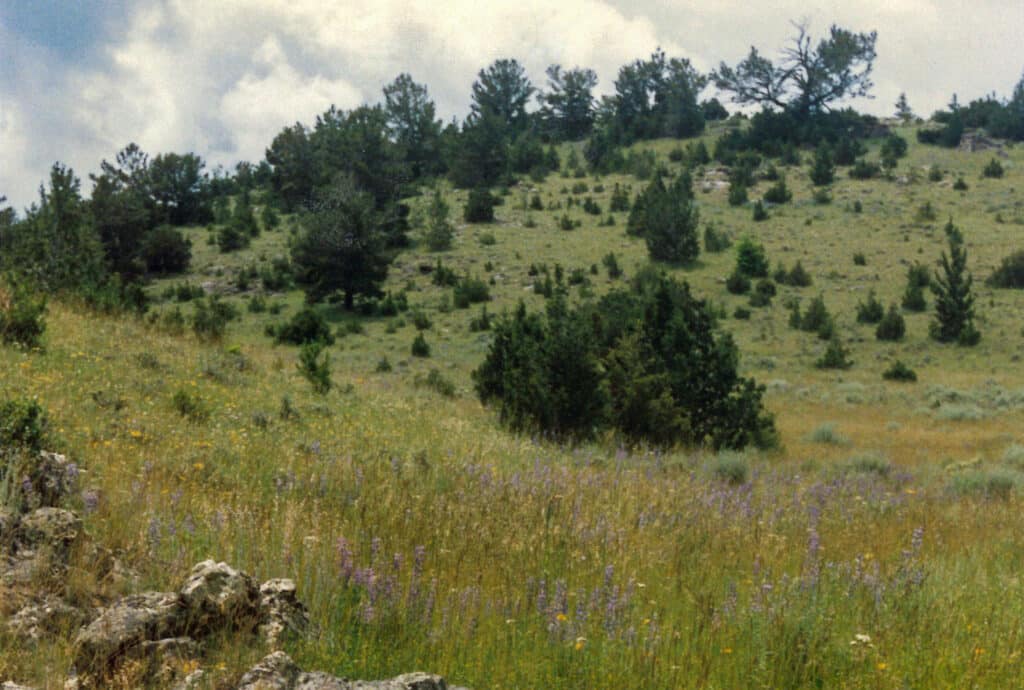
Success hinges on the right practices. Regenerative agriculture shines here. Rotational grazing mimics natural herd movements to build soil organic matter. No-till seeding preserves microbial life. Cover crops like rye or clover feed roots year-round. These are not one-offs. They compound. Studies show 1 percent gains in soil organic matter hold an extra 16,500 gallons of water per acre, drought-proofing operations in our arid West. The Big Sky Carbon Sequestration Partnership underscores the region’s potential, mapping millions of tons of capacity across Montana, Wyoming, and Idaho through saline aquifers and terrestrial sinks.
 |
 |
Auditing Your Ranch: An Owner or Buyer’s Essential Checklist
Carbon candidacy varies by soils, water, and use history. Start with:
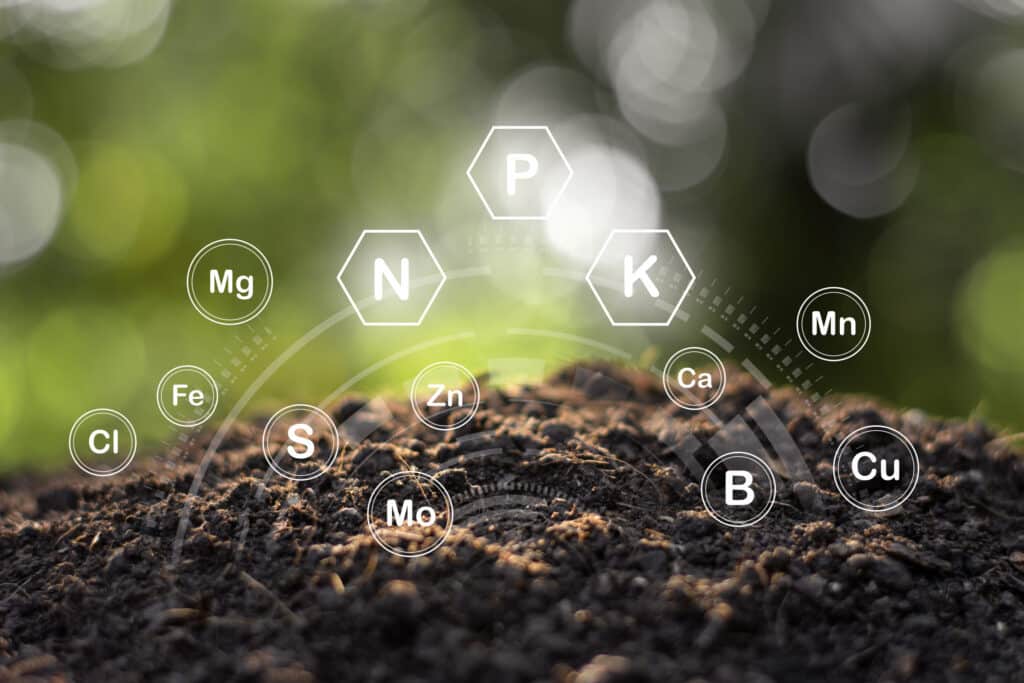
- Soil Health Baseline Commission NRCS soil tests for organic matter (greater than 2 percent ideal) and bulk density (less than 1.4 g/cm³). Degraded parcels often yield the biggest gains. Up to 1 percent annual increases.
- Water and Infrastructure Audit Map senior rights and irrigation for cover-crop viability. Assess fencing and lanes for rotations. EQIP covers 75 percent of upgrades.
- Sequestration Mapping Use free USDA tools like COMET-Farm to model potentials (0.5 to 1.5 tons per acre common in our states). Factor co-benefits. Riparian buffers add 20 percent to credit values.
- Verification and Markets Budget $3,000 to $7,000 for initial sampling. Enroll via registries like Regen or Indigo Ag. Lock in 5- to 10-year contracts for stability.
- Risk and Legacy Check Stress-test for drought/fire via Community Land Model projections. Low-vulnerability sites like Idaho benches shine. Pair with easements for tax perks.
| State | Avg. Sequestration Potential (tons/acre/year) | Key Incentives | Example Value Add |
|---|---|---|---|
| Idaho | 0.7 to 1.1 | CSP cost-shares for basalts | +18% on sales |
| Wyoming | 0.6 to 0.9 | EQIP for aquifers | $100K+ annual |
| Montana | 0.5 to 0.8 | RCPP riparian grants | Biodiversity premiums |
| Colorado | 0.8 to 1.2 | Wildfire-mitigation add-ons | 12% valuation lift |
| Utah | 0.4 to 0.7 | Watershed restorations | Sage-grouse boosts |
| Nebraska | 0.7 to 1.0 | Pivot conversions | Stabilized yields |
Real-World Examples
 |
 |
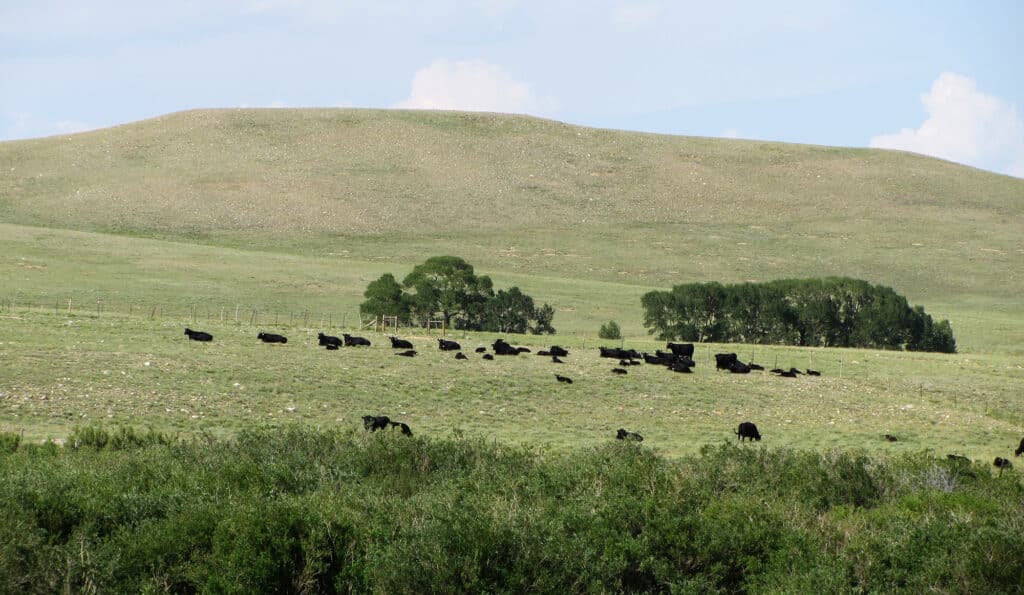
Northern Great Plains Improved Grazing Carbon Project, Montana. Verified Credits from Regenerative Practices
Launched in 2018 by Native in partnership with the Western Sustainability Exchange, this ongoing project spans multiple ranches across Montana’s Northern Great Plains, including bison and cattle operations like North Bridger Bison in the Shields Valley. Ranchers implement improved grazing. This includes frequent herd rotations, longer recovery periods, and reduced chemical inputs across thousands of acres to enhance soil carbon storage while boosting forage production and resilience.
In October 2023, the project achieved its first third-party verification under rigorous auditing standards, issuing carbon credits for sequestration gains verified through soil sampling and modeling. Participating ranchers received payments from voluntary markets, with early adopters reporting annual revenues supporting infrastructure like water systems and fencing. Biodiversity co-benefits, such as improved sage grouse habitat, qualified credits for premiums. This initiative, now covering over 100,000 acres, demonstrates how Montana’s 26 million acres of semi-arid rangeland can generate verifiable income. Rates reach up to $20 to $30 per ton while aligning with NRCS CSP protocols for holistic management. Stocking rates have risen by as much as 87 percent on enrolled lands, with erosion reduced by 30 percent, drawing eco-tourism alongside traditional grazing.
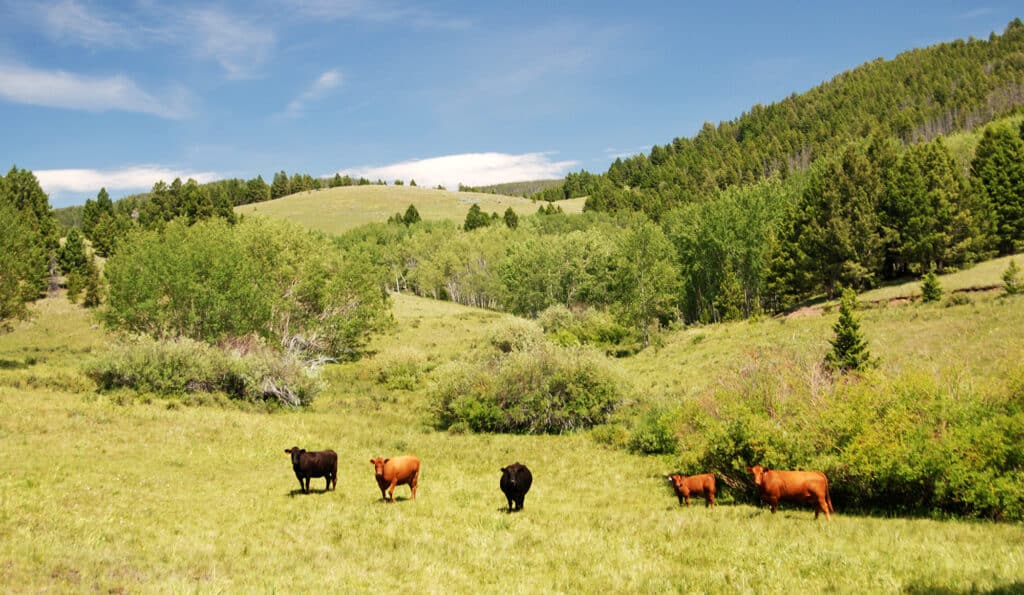
Life from Soil Project, Montana and Nebraska. Grassland Restoration Across Borders
Funded by a $2.9 million NRCS Regional Conservation Partnership Program (RCPP) award in 2022, the World Wildlife Fund’s Life from Soil initiative targets over 500,000 acres of grasslands in Montana, Nebraska, and South Dakota. Ranchers enroll in WWF‘s Ranch Systems and Viability Planning Network, adopting regenerative practices like rotational grazing and cover cropping on working cattle operations to sequester carbon and improve soil health.
By 2024, early participants in Montana’s Paradise Valley and Nebraska’s Sandhills verified sequestration rates of 0.5 to 0.8 tons per acre annually through NRCS-guided soil tests and satellite monitoring. This has unlocked EQIP cost-shares for riparian buffers and fencing, generating carbon credits sold via platforms like Grassroots Carbon. Revenues have funded financial planning for ranch viability, with one Nebraska cooperator noting stabilized yields and a 15 percent valuation lift from documented environmental assets. The project emphasizes co-benefits like enhanced water filtration and wildlife corridors, positioning these ranches for premium pricing in markets valuing biodiversity.
Bear River Watershed Agriculture and Habitat Connectivity Project, Utah, Idaho, and Wyoming. Multi-State Riparian Focus
This $7.85 million RCPP-funded effort, led by the Bear River Land Conservancy since 2022, spans ranches in Utah’s Cache Valley, Idaho’s Bear River foothills, and Wyoming’s Star Valley, covering 15,000 acres of irrigated hay and grazing lands. Participants implement adaptive multi-paddock grazing and streamside plantings to boost carbon storage while reconnecting habitats fragmented by agriculture.
Verified through NRCS protocols, enrolled properties have achieved 0.6 to 1.0 tons per acre in sequestration, with credits trading at $18 to $24 per ton. A Wyoming rancher in the project reported $40,000 in annual payments by 2024, reinvested in solar pumps and weed control, alongside 12 percent gains in calf weights from richer forage. The initiative’s emphasis on water rights and aquifer recharge has amplified co-benefits, including trout habitat recovery and premium credits for sage grouse recovery, lifting property values by 14 to 18 percent in appraisals.
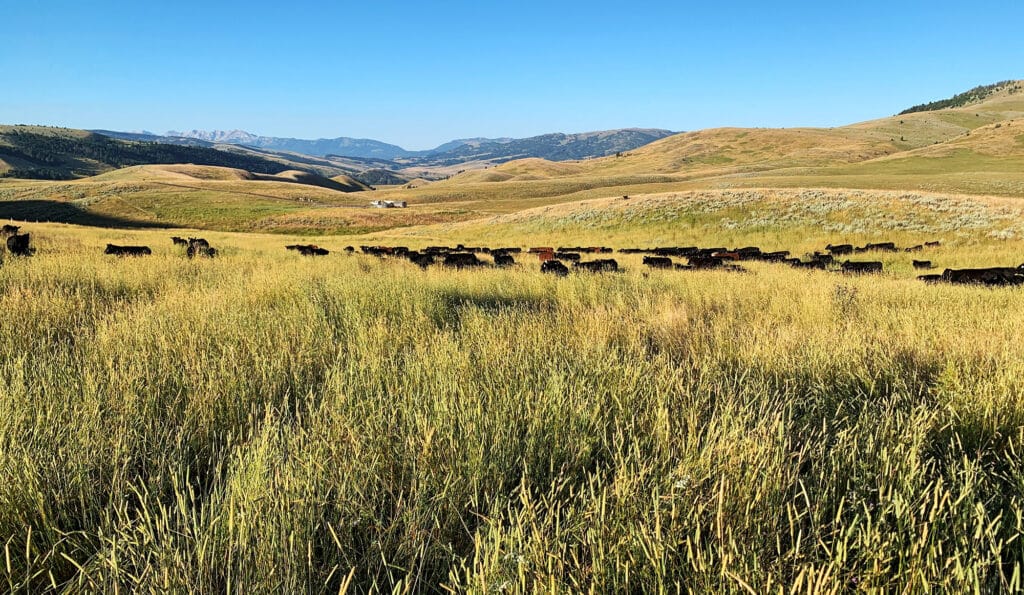
Grassroots Carbon Program Ranches, Nebraska and Wyoming. Grassland Drawdown Payments
Through Grassroots Carbon‘s partnerships, ranches like the McGinley Ranch in Nebraska, previously sold by Swan Land Company, have tapped into soil carbon credits since 2023. This 10,000-acre operation shifted to regenerative rotational grazing on pivot-irrigated pastures, verifying 0.7 to 1.0 tons per acre via independent audits.
In 2024, the program paid out $3 million across U.S. participants, with Nebraska and Wyoming ranches netting $50,000 to $100,000 annually at $20 to $25 per ton. These funds offset taxes and funded calving facilities, while co-benefits like improved infiltration supported greater sage grouse leks. Wyoming’s Powder River Basin geology enhances long-term storage, with regional capacity estimated at 10 to 20 million tons, buffering against drought as seen in adjacent CO₂ pipeline projects.
Kateri Carbon Program, Colorado and Utah. Tech-Driven Verification
Audubon’s Kateri program, active since 2023 in Colorado’s Front Range and Utah’s Wasatch Front, uses GPS tracking and soil sampling on 5,000-acre cattle ranches to measure sequestration from prescribed grazing. Rates hit 0.8 to 1.2 tons per acre, yielding $45,000 to $60,000 yearly per ranch at market rates.
Participants report 15 percent biodiversity surges and wildfire mitigation gains, qualifying for premiums. A Colorado Wet Mountain Valley cooperator saw 12 percent valuation increases from easement synergies, underscoring the region’s potential amid 2024 registry expansions.
 |
 |
Challenges and the Road Ahead
Upfront costs, verification hurdles, and market volatility loom. Credits dipped post-2022 before rebounding in 2025. Many of the practices demand discipline for landowners to see the full benefits. A decade-long horizon is needed to see full soil gains. Yet for every hurdle, incentives abound. There is $19.5 billion in IRA funds alone, plus state pilots like Montana’s Conservation Enhancement Program. And the intangibles? Resilient ranches that can weather extremes, diversified revenue streams. Habitats hum with life. Legacies are etched in richer earth.