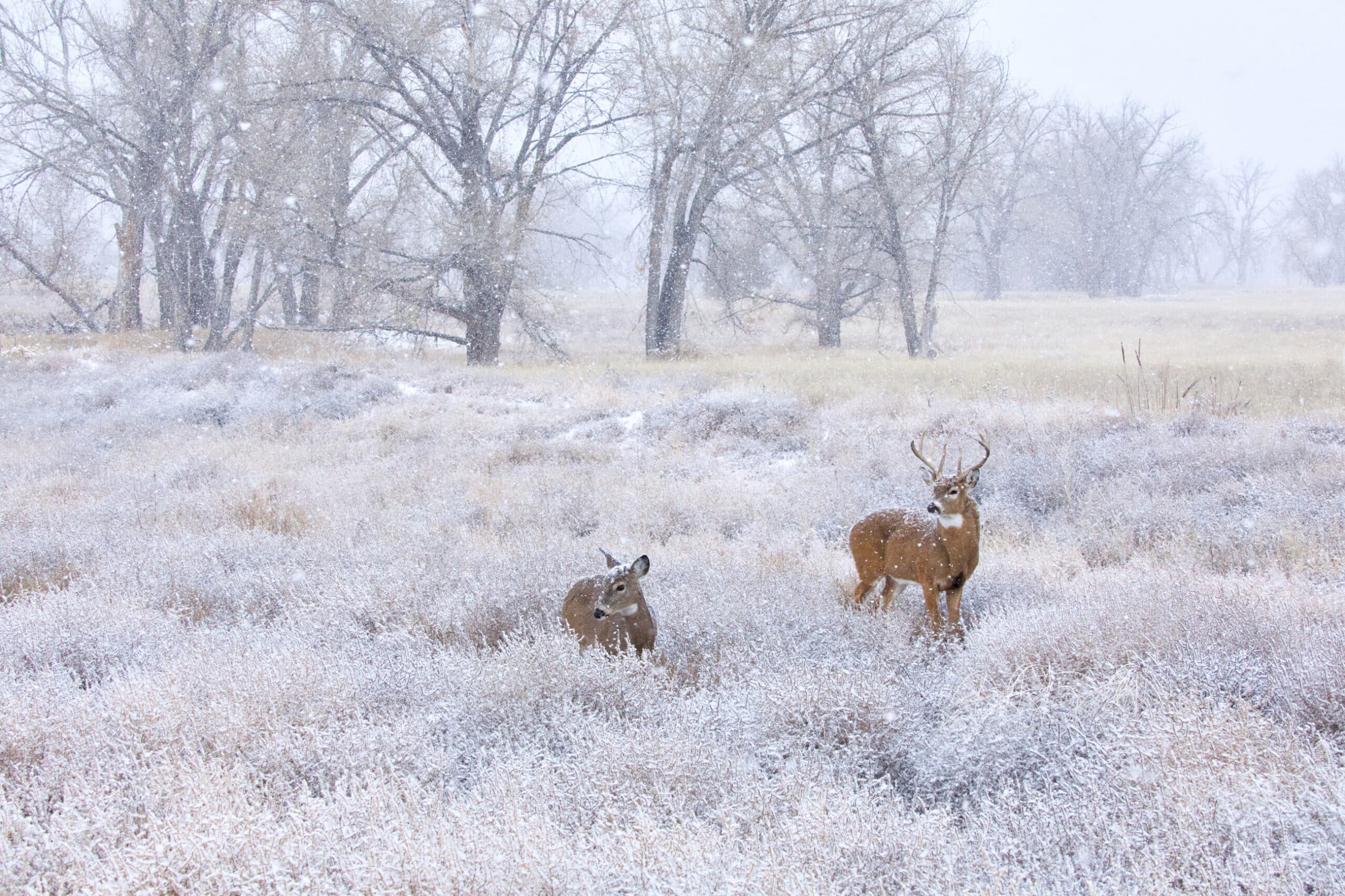
Most buyers browse ranch listings by the fireplace, dreaming of summer pastures and fall colors. But experienced ranchers know better: winter is when you discover what a property really is. The cold season strips away the beauty shots and reveals the truth. That scenic mountain access? Winter shows whether it’s truly passable. Those charming outbuildings? Snow reveals if they’re structurally sound. The well, the septic, the heating costs—winter tests everything that matters for year-round ranch life.
While others wait for spring, savvy buyers pull on their boots and head out in February. Here’s why:
See the Property at Its Worst
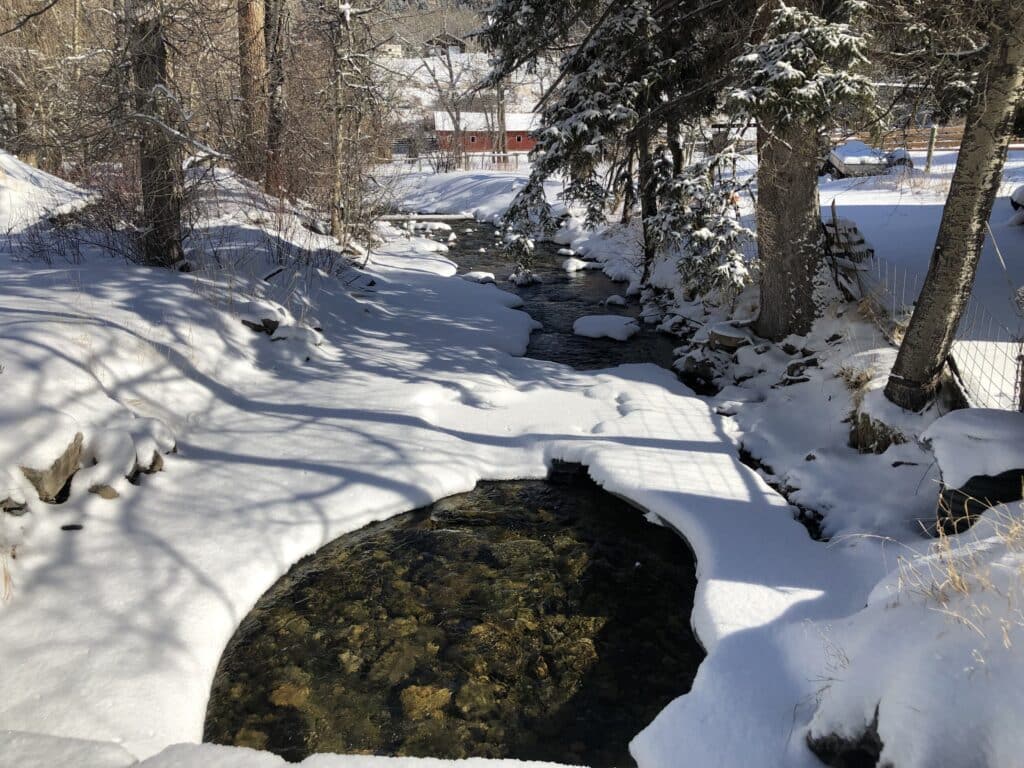
Winter reveals what sellers might prefer to hide. You’ll discover whether roads truly are “all-weather accessible” or become impassable mud pits. You’ll see if that creek runs year-round or freezes solid. Winter exposes drainage problems, roof issues, and whether those outbuildings can actually handle snow loads. If a property works in February, it’ll definitely work in July.
Test Critical Infrastructure
Winter is the ultimate stress test. Does the well keep producing? Do pipes freeze? Can the septic system handle frozen ground? Is the heating system adequate? How much does it actually cost to heat that 4,000-square-foot lodge? Winter visits answer the questions that matter most for year-round ranching.
Understand True Access
That scenic mountain road looks great in summer photos, but winter tells the real story. You’ll learn the snow removal schedule, whether you need a plow truck or just 4WD, and how often you might be snowed in. If you can reach the property in January, access won’t be a surprise come next winter.
Less Competition
Most buyers browse listings by the fireplace in winter but wait until spring to make offers. Fewer competing bids often mean better negotiating leverage. Sellers with properties on the market through winter are typically more motivated and realistic about pricing.
Serious Sellers Only
Properties listed in winter usually have sellers who need to sell, not those just “testing the market.” They’re maintaining access, keeping utilities on through cold months, and dealing with winter showings. That commitment often translates to more reasonable negotiations.
More Time with Sellers and Brokers
Winter is the slow season. Agents have more time for property tours, answering questions, and finding the right match. Sellers are often more available to share insights about winter operations, maintenance needs, and local knowledge you won’t find in a listing description.
Evaluate Winter Wildlife Patterns
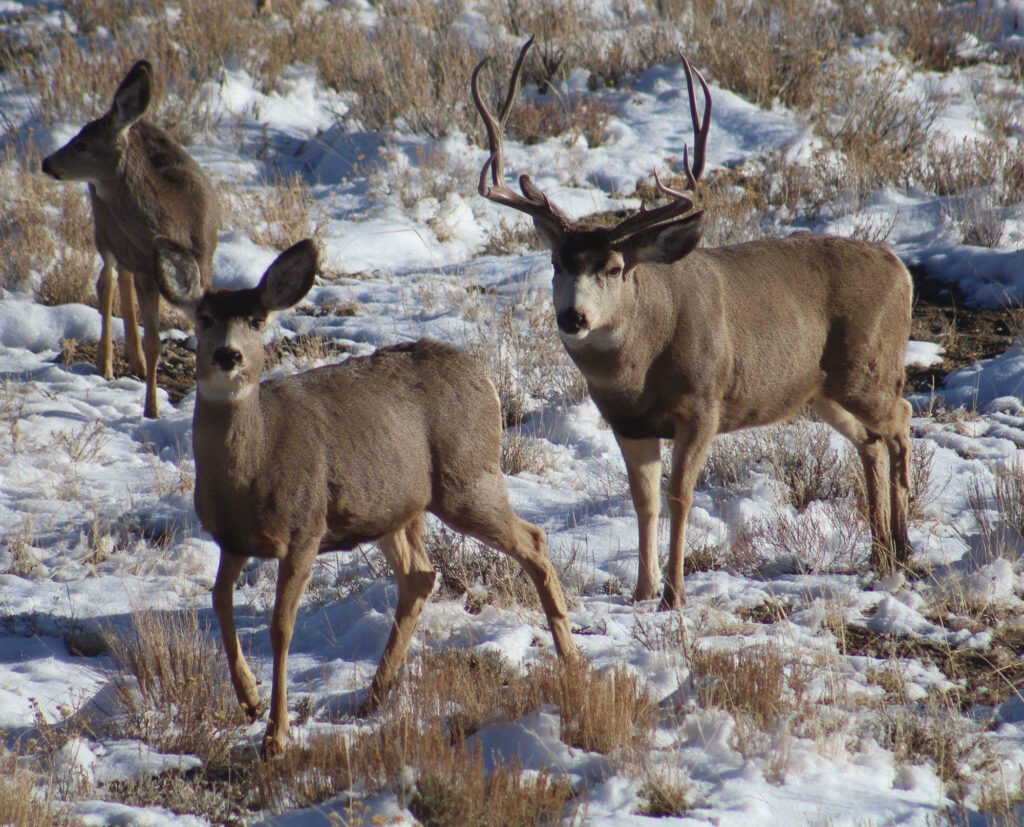
Winter reveals where animal herds actually winter, how wildlife use the property, and whether those “excellent hunting” claims hold up. You’ll see migration patterns, feeding areas, and habitat that matter if wildlife is part of your ranch vision.
Plan for Spring Projects
Buying in winter gives you months to plan improvements before the growing season. You can line up contractors, order materials, and hit the ground running when the weather breaks. Close in February, start fencing in April.
Understand Your Neighbors
Winter shows you who lives nearby year-round versus seasonal residents. You’ll learn about the community, winter road maintenance cooperation, and whether this is truly a working ranch neighborhood or primarily vacation properties.
Lower Utility and Maintenance Costs to Evaluate
Winter utility bills are the highest of the year. Reviewing them during due diligence gives you worst-case scenario costs for budgeting. You’ll also see what winter maintenance actually requires and costs.
Experience the Full Reality
Buying ranch property is a lifestyle decision. If you love the property in winter—when it’s coldest, darkest, and most demanding—you’ll absolutely love it the rest of the year. Winter buying prevents buyer’s remorse when the first hard freeze hits.
The ranchers’ wisdom holds true: “If you haven’t seen it in winter, you haven’t really seen it.” Winter buying isn’t just smart—it’s the most honest way to evaluate whether a property truly fits your ranching dreams.