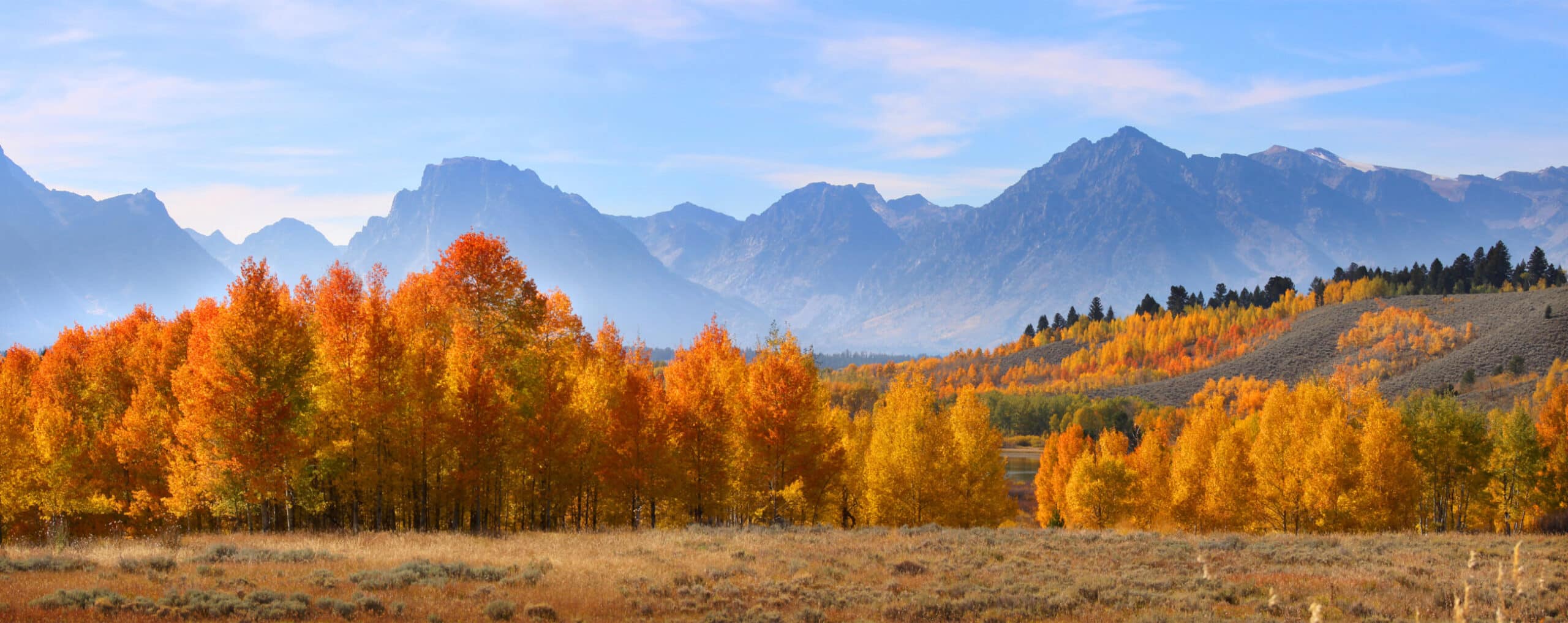
The Western ranch market remains active this fall. While the frenzied pace of 2020–21 has cooled, demand remains strong for well-positioned properties. Low inventory and solid underlying fundamentals continue to support values, but elevated interest rates, a surging stock market, and broader economic uncertainty have made buyers more selective and patient. At Swan Land Company, we’re seeing that today’s buyers take their time. The properties moving quickly tend to check all the boxes, strong economic fundamentals, reliable income potential, and improvements that appeal to both lifestyle and investment goals.
Investor and Agricultural Buyers: Driving the Fastest-Moving Properties
Investor and agricultural buyers are among the most active in the Western ranch market this fall, particularly for properties with strong economic fundamentals. Agricultural land continues to serve as a reliable hedge against inflation, attracting institutional funds, family offices, and well-capitalized local ranchers. Many buyers are benefiting from prior commodity cycles, helping maintain stable or slightly increasing land values despite some regional declines. Elevated cattle prices are supporting both demand and financing qualifications, allowing more ranchers to enter the market.
These buyers prioritize long-term returns and often seek properties with multiple income streams—livestock or crop production, conservation, or hunting leases—to diversify their portfolios. Cash transactions and 1031 exchanges are common strategies, and liquidity from broader financial markets has fueled midyear 2025 activity. The fastest-moving properties are those offering solid fundamentals and immediate income potential.
Lifestyle and Out-of-State Buyers
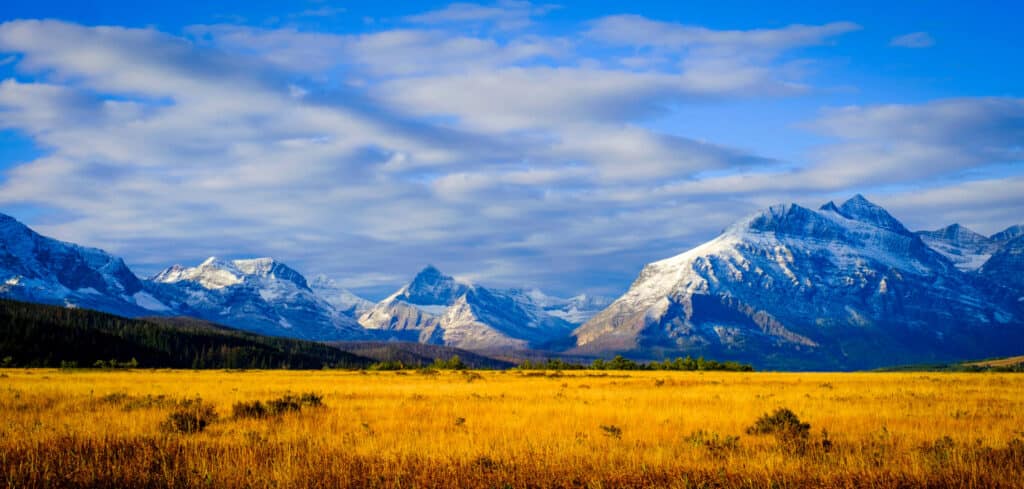
Another major buyer segment is lifestyle-oriented and often from out of state. This group includes tech professionals, Wall Street and Silicon Valley investors, and even celebrities, all drawn by the iconic landscapes, privacy, and recreational opportunities of the American West. Montana remains a central focus, though interest extends into Wyoming, Idaho, and Utah. These buyers are seeking both a retreat and an investment, combining scenic beauty with potential income from agriculture, hunting leases, or other revenue-generating uses.
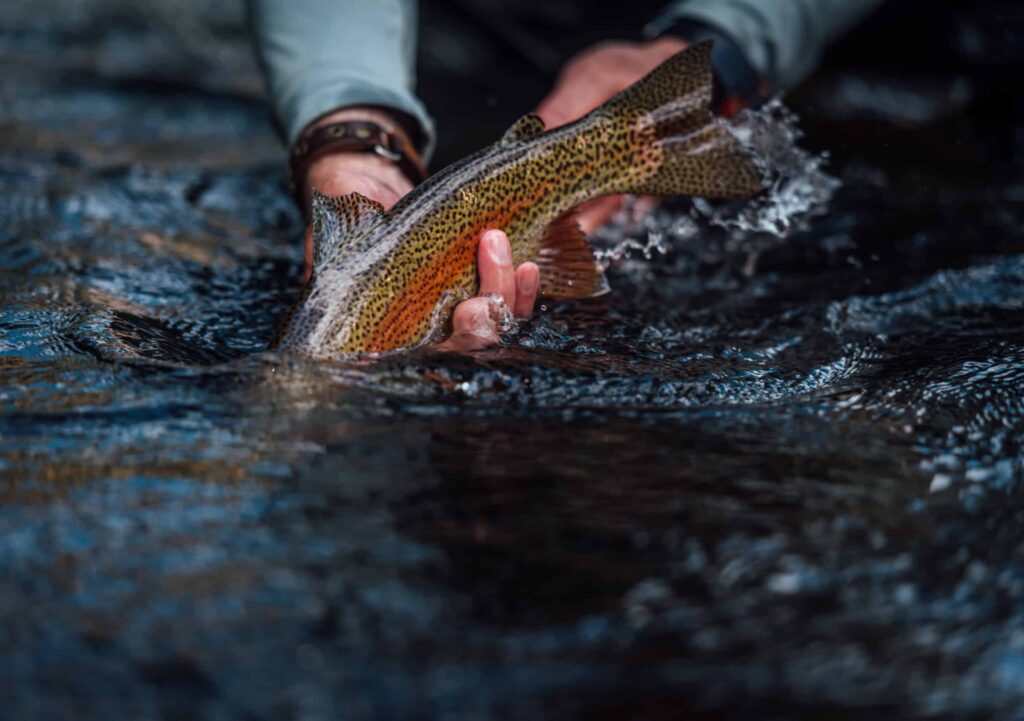
Out-of-state buyers typically pay cash or make large down payments. They prize scenic features such as mountain or valley views, abundant live water from creeks, ponds, or irrigation, and access to public lands for hunting, fishing, and hiking. Properties in Bozeman with expansive space, stunning mountain views, and year-round recreational opportunities are especially sought after.
 |
 |
 |
Key Amenities Sought
Lifestyle and out-of-state buyers are increasingly discerning, seeking properties that offer not only aesthetic appeal but also functional value. The most sought-after amenities include:
-
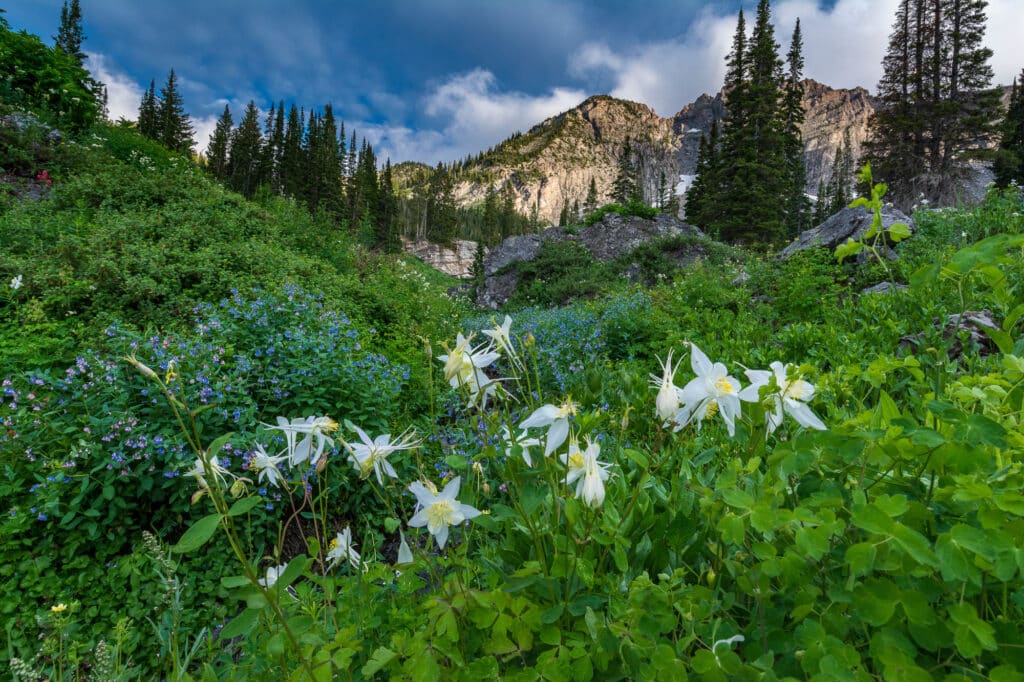
Reliable Water Sources: Properties featuring creeks, ponds, irrigation systems, or river frontage are highly desirable. These water sources not only enhance the property’s beauty but also support agricultural activities and wildlife habitats.
-
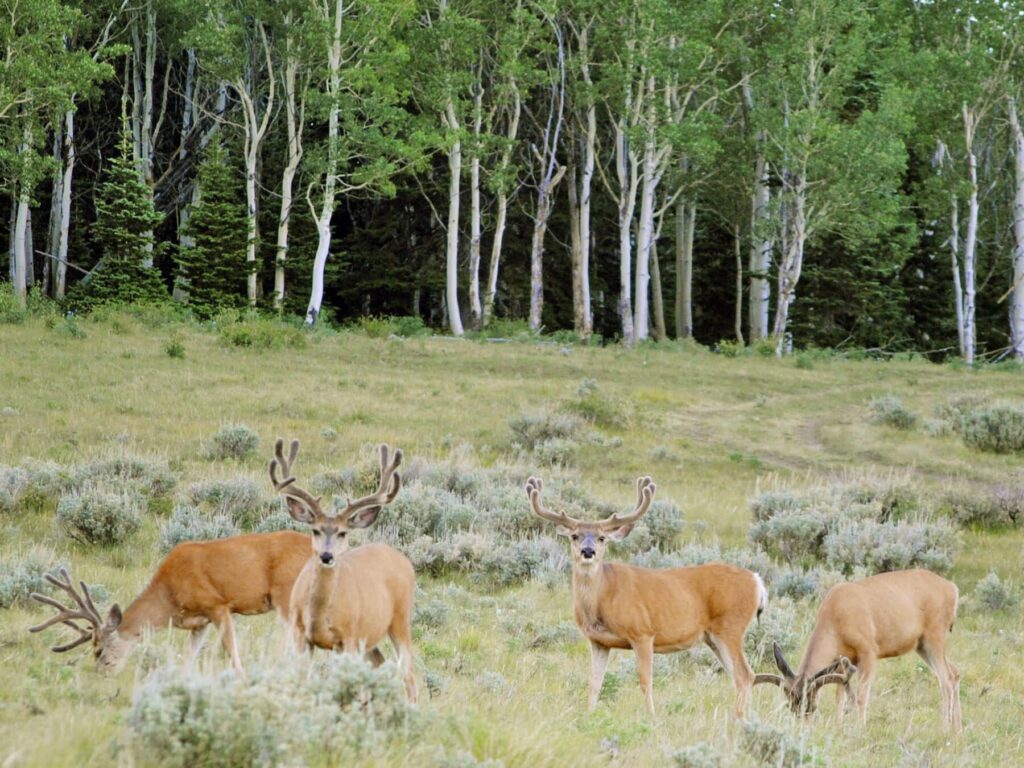
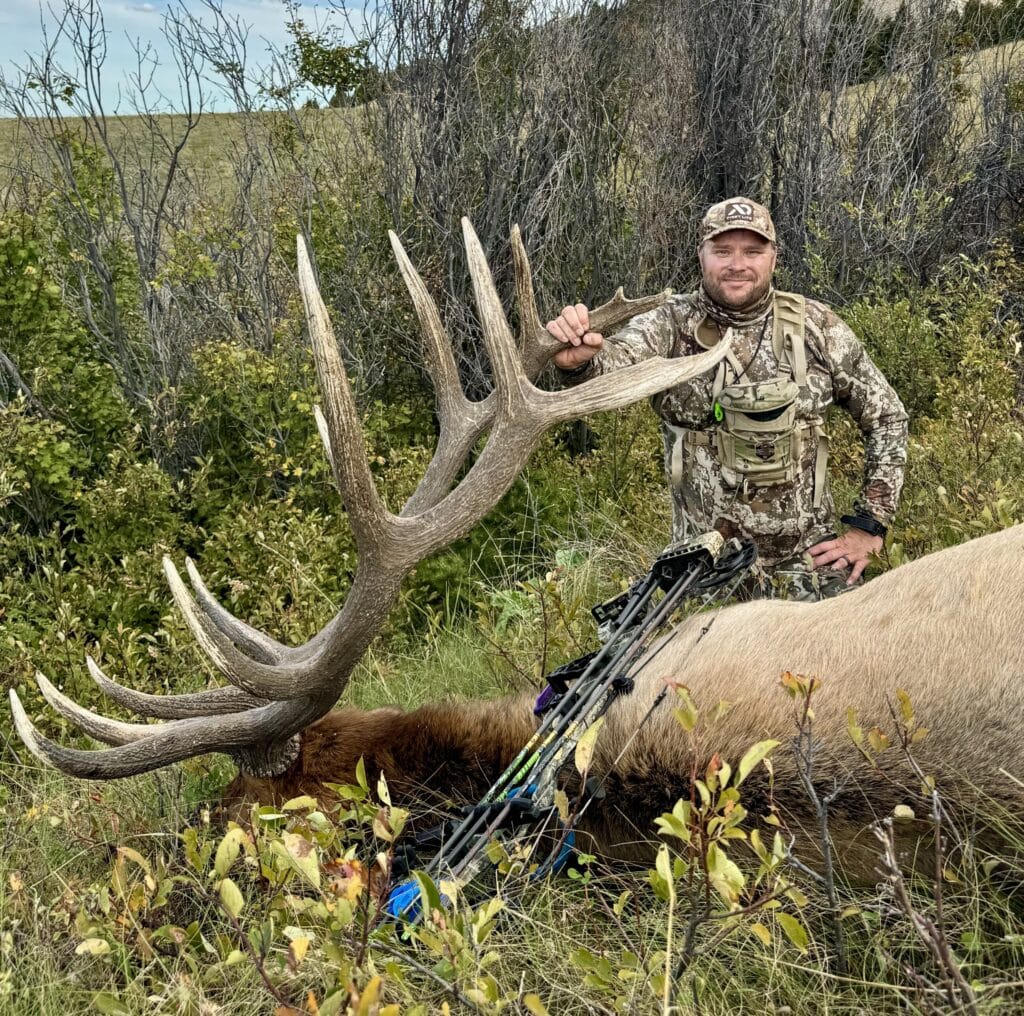
Wildlife Habitat: Land that supports diverse wildlife, such as deer, elk, and upland birds, is in high demand. Buyers value these properties for both recreational hunting and the ecological balance they provide.
-
Recreational Access: Proximity to public lands or trails for activities like hiking, fishing, horseback riding, and snow sports is a significant draw. Properties that offer direct access to such recreational opportunities are particularly attractive.
-
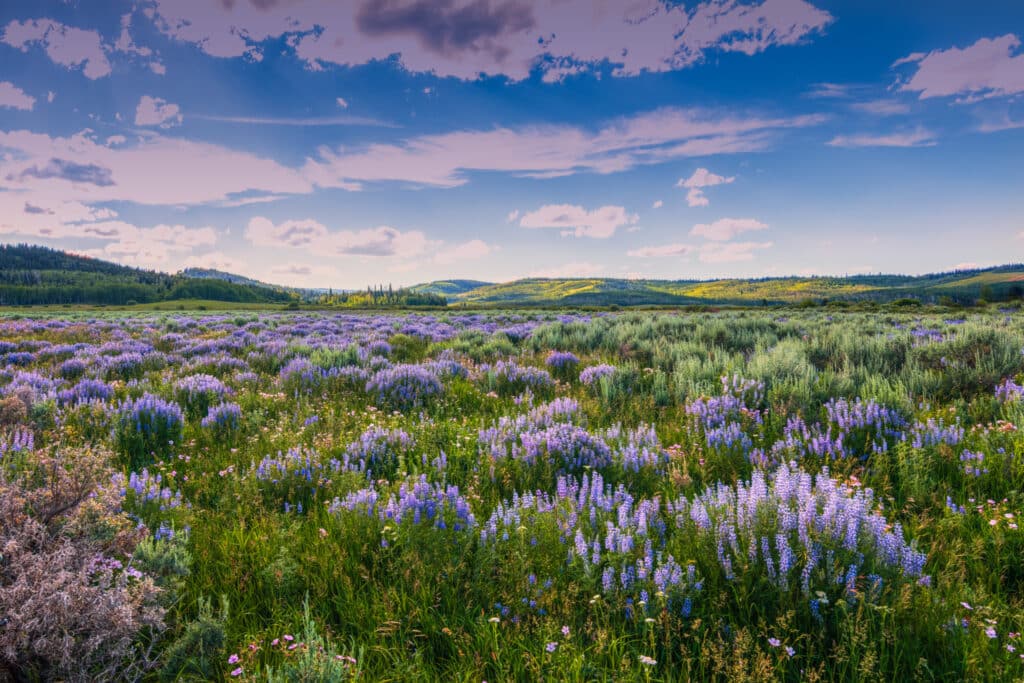
Diverse Terrain: A mix of meadows, forests, and hills adds to the property’s aesthetic value and provides varied landscapes for different activities, from grazing to hiking.
-
Privacy and Seclusion: Many buyers prioritize properties that offer a sense of retreat and solitude, away from urban centers, allowing for a peaceful and private lifestyle.
Regional Highlights
Wyoming
Wyoming’s ranch market remains steady, with transaction volumes holding firm amid balanced supply and demand. Overall farm and ranch real estate appreciated modestly in 2024. Listings for legacy ranches however have surged, with prices for premium properties rising year-over-year, driven by demand for well-positioned expansive ranches. High cattle prices support financing and a wider buyer base for properties with AUM’s with a positive economic relationship with the price. Premium parcels command top prices, with riverfront properties in high demand. Buyers prioritize operational ranches with productive grazing, reliable water resources, and recreational or hunting potential. High-end listings without economic fundamentals are moving more slowly but still command competitive prices.
Montana
Montana continues to set the tone for the Western ranch market. Land values are up from this time in 2024, reflecting strong demand and relatively limited inventory, although slightly up from the historic lows we’ve seen. Buyers prioritize productive cattle operations, premium properties with live water and exceptional scenery in key areas are still sell quickly. Local ranchers remain more price-sensitive due to borrowing costs but are bolstered by historic cattle prices, so mid-market farm parcels often spend longer on the market. Montana’s mix of scenic landscapes, income potential, and lifestyle appeal keeps it at the center of the Western ranch market, supporting competitive activity across both the investor and lifestyle segments. Both out-of-state and local buyers remain active, but patience and selectivity define today’s market.
Nebraska
Nebraska’s agricultural market is stable but more subdued relative to the Rockies. After three years of record-breaking run-ups, average farm values softened in 2024 as corn and soybean prices drop. Irrigated land prices dropped from the first to second quarter of 2025, while dryland cropland remains near historical averages. Despite fluctuations, the state’s average farm real estate value rose over the past year to its record per acre, marking the fifth consecutive year of increases. Buyers are primarily regional farmers and ranchers who prioritize land productivity, reliable water and feed resources, and operational efficiency.
Grazing land in the Sandhills remains particularly resilient, supported by strong cattle prices. High-quality irrigated farms near markets or ethanol plants continue to draw interest, while lifestyle buyers target smaller parcels with scenic or recreational appeal. Investment-oriented ranches remain the fastest-moving segment of the market.
Idaho
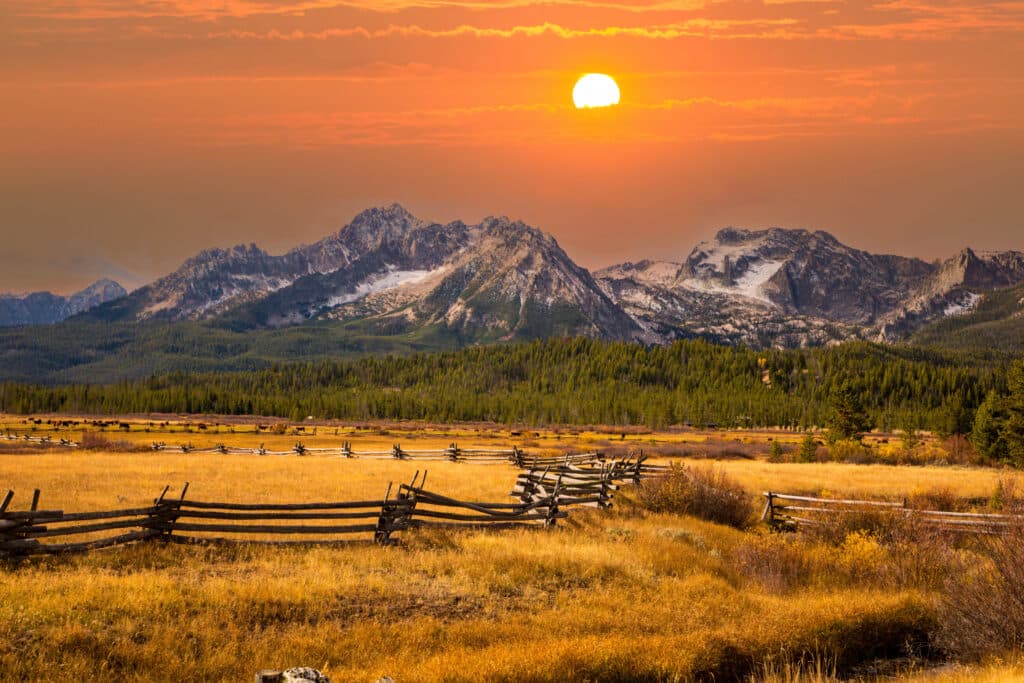
Idaho’s ranch market is gradually finding equilibrium following the post-boom period, with inventory slowly increasing in sought-after areas such as the Snake River Plain, Teton Valley, and Sun Valley. Prime irrigated farmland in eastern Idaho remains highly valued, while recreational ranches trade in a more balanced and competitive market. Buyers are increasingly discerning, taking time to evaluate water rights, leases, and conservation potential. Demand remains strong for operational cattle ranches and smaller lifestyle parcels offering scenic views, live water, and recreational access. Investors favor properties with multiple income streams, including livestock operations, hay production, and hunting leases. Areas with high amenity value — such as riverfront land, lakes, or mountain vistas — continue to command premiums, while out-of-state buyers seeking lower-priced land have become more selective.
Utah
Utah’s ranch market, particularly near the Wasatch Front and southern regions like St. George, continues to experience price appreciation. Farm values rose from 2023 to 2024, driven by investor demand, population growth, and limited supply. Buyers are attracted to parcels with recreational or development potential, including scenic vistas, hiking access, and connectivity to public lands. Operating costs, including feed and water infrastructure, have risen due to drought, making working ranches more challenging and requiring careful evaluation. Lifestyle buyers gravitate toward turnkey homes, recreational facilities, and scenic parcels, while investors focus on agricultural potential or future development upside. Cash transactions and heavy equity deals remain common, underscoring the selectivity and confidence among buyers.
 |
 |
Market Outlook
The Western ranch market in fall 2025 reflects a dynamic yet discerning landscape, balancing robust demand with cautious buyer behavior. While Montana’s market echoes the cooled frenzy of 2020–21, regions like Wyoming, Nebraska, Idaho, and Utah show steady to appreciating values, driven by low inventory, strong cattle prices, and diverse income potential. Investor and agricultural buyers prioritize operational efficiency and long-term returns, while lifestyle and out-of-state buyers seek scenic retreats with recreational and economic upside. Properties blending reliable water, wildlife habitat, and premium amenities move fastest, but selectivity prevails as buyers navigate elevated interest rates and economic uncertainties. At Swan Land Company, we observe that the most competitive properties seamlessly integrate strong fundamentals with the iconic appeal of the American West, ensuring sustained interest across both investor and lifestyle segments.