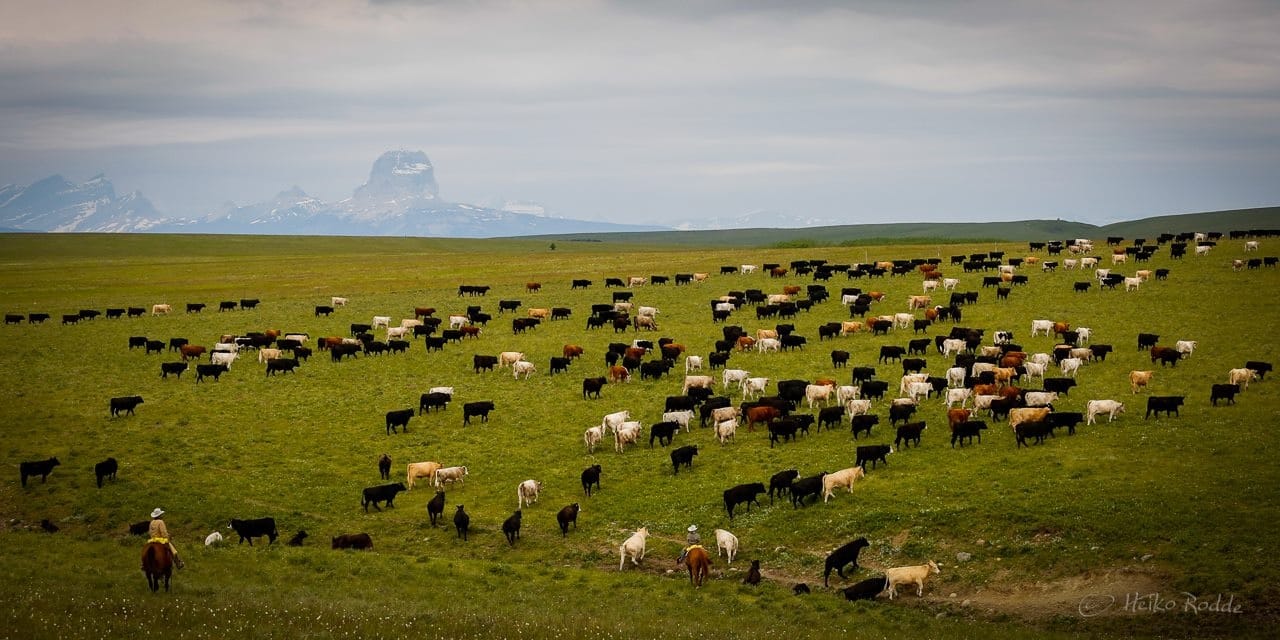
Frozen and saturated soils represent one of the most critical periods of vulnerability for western rangelands. When soil moisture content is high and temperatures fluctuate around freezing, the ground loses its structural integrity, becoming extremely susceptible to compaction and physical damage from livestock traffic. This isn’t merely a surface issue that resolves with spring growth. Trampling under these conditions can cause soil compaction that persists for multiple years, fundamentally altering your soil’s physical properties. The destruction extends to plant crowns and root systems, which may not recover even after a full growing season. Compacted soils exhibit dramatically reduced water infiltration rates, sometimes dropping sharply, leading to increased runoff and erosion. The cumulative effect is diminished forage production in the following seasons, creating a cascading problem that affects your operation’s carrying capacity and profitability for years to come.
The economic impact of trampling damage is often underestimated. A single season of poorly managed grazing on wet soils can reduce forage production by 20-40% in subsequent years. When you calculate the cost of supplemental feed, reduced weaning weights, or the need to reduce herd size, the financial consequences become stark. Moreover, soil compaction increases the energy required for root penetration, meaning plants must allocate more resources to root growth at the expense of above-ground biomass production. This creates a less resilient plant community that’s more susceptible to drought stress and less competitive against invasive species.
The Science of Soil Vulnerability
 |
 |
Why
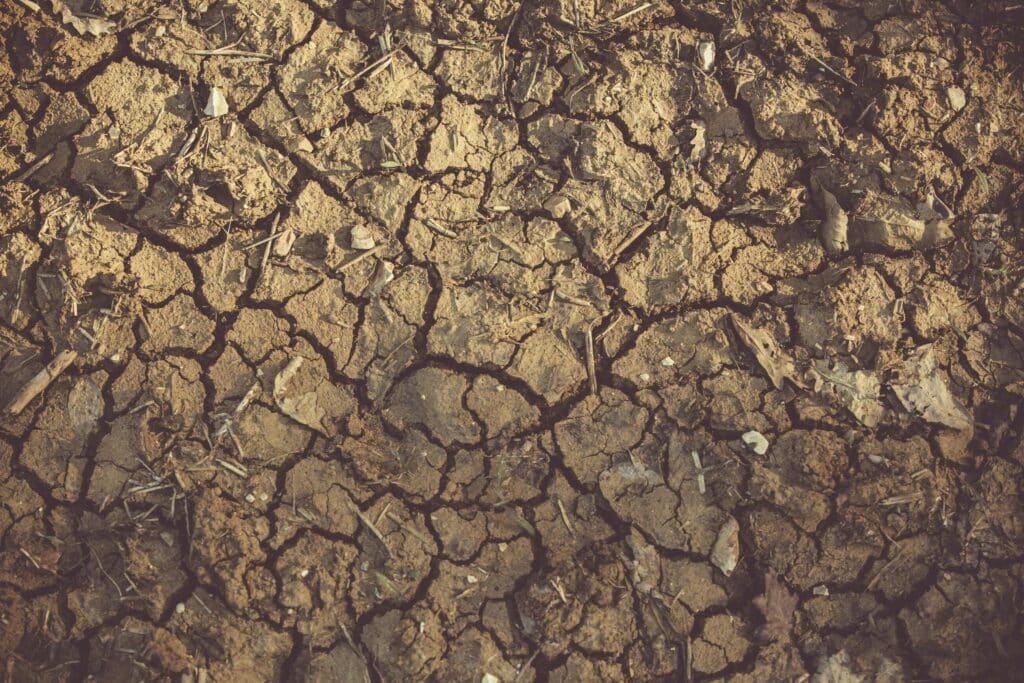
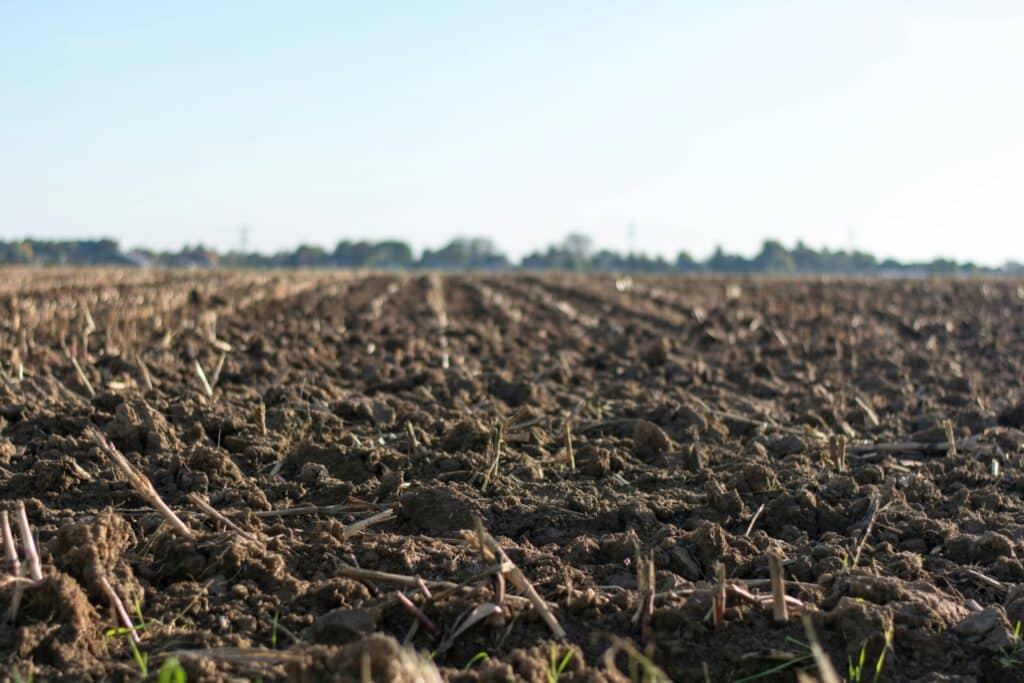
Understanding why frozen and wet soils are so vulnerable requires examining soil structure at a fundamental level. Soil is composed of mineral particles, organic matter, water, air, and living organisms arranged in aggregates. These aggregates create pore spaces that allow for water infiltration, air exchange, and root penetration. When soil is saturated, water fills these pore spaces, and the soil particles essentially float in suspension. Any pressure applied to the surface, such as a 1,200-pound cow’s hoof concentrated on just a few square inches, compresses soil particles, squeezing out air and reducing pore space.
The freeze-thaw cycle compounds this vulnerability in particularly damaging ways. When water in the soil freezes, it expands, creating ice lenses that push soil particles apart. As temperatures rise and the ice melts, the soil structure is temporarily destabilized, becoming a slurry-like state that’s even more susceptible to compaction than wet soil. This is why the spring thaw period and late fall freeze-thaw cycles represent the highest-risk times for trampling damage. A single day of grazing during these conditions can cause more harm than weeks of grazing on properly dried soil.
Different soil types exhibit varying levels of vulnerability. Clay soils, common in many western valleys and bottomlands, are particularly susceptible because their fine particle size and tendency to hold water create ideal conditions for compaction. Sandy soils are generally more resistant due to larger particle size and better drainage, though they’re not immune to damage. Soils high in organic matter show greater resilience because organic material acts like a sponge, absorbing impact and maintaining structure even under pressure.
Timing and Seasonal Rotation Strategies
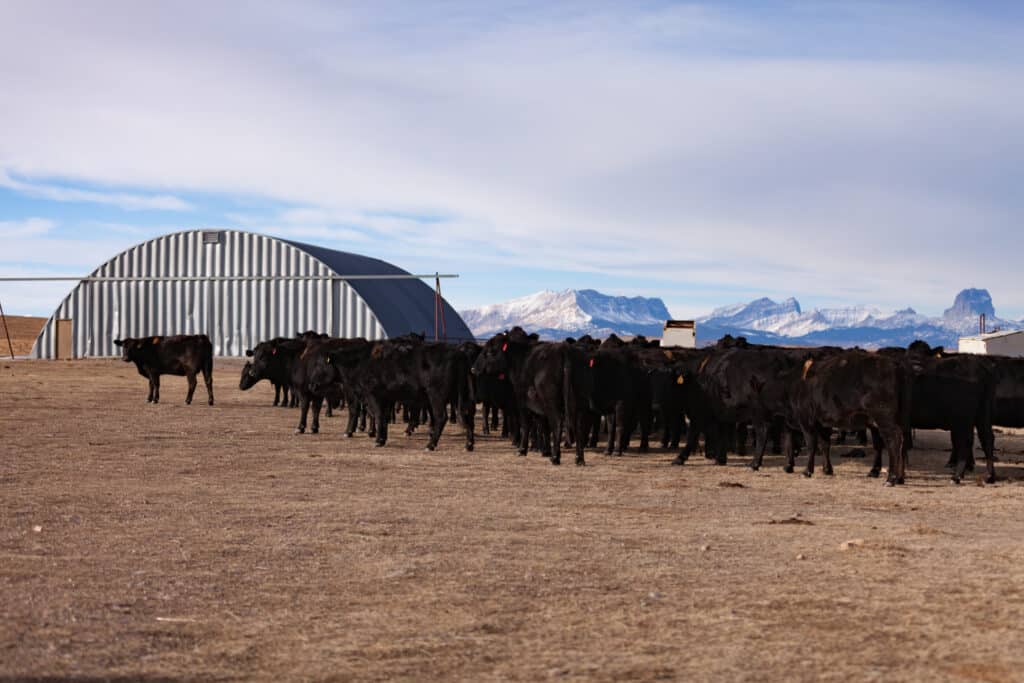
Successful management of frozen and wet ground conditions begins with proactive timing decisions made well before problems become visible. The key is moving livestock off vulnerable pastures before the ground becomes saturated, not after damage has already begun. This requires careful observation of weather patterns, soil conditions, and seasonal trends specific to your operation.
Fall
Fall management is particularly critical in western ranches where autumn rains or early snowfall can quickly saturate soils. Begin monitoring soil moisture levels in early autumn, and establish trigger points for moving livestock. A practical field test is the boot print test: if your boot leaves an impression deeper than half an inch, the soil is too wet for livestock traffic. Another indicator is water pooling in hoof prints, which signals that the soil’s infiltration capacity has been exceeded.
Winter
Winter grazing on frozen ground might seem safe, but it presents its own challenges. Hard-frozen ground can support livestock weight without compaction, but the freeze-thaw cycle creates windows of extreme vulnerability. In many western regions, winter temperatures fluctuate above and below freezing, sometimes daily. During these transitions, the top few inches of soil may thaw while deeper layers remain frozen, creating a slick, unstable surface layer. Monitoring weather forecasts and understanding your local freeze-thaw patterns allows you to anticipate vulnerable periods and adjust grazing accordingly.
Spring
Spring presents perhaps the most challenging management period. Snowmelt, spring rains, and warming temperatures combine to create extended periods of soil saturation. The temptation to turn livestock out to fresh grass can be strong, but patience during this period pays substantial dividends. Delaying turnout by even two weeks can mean the difference between maintaining productive pastures and creating compaction problems that persist all season. Establish clear criteria for spring turnout based on soil conditions rather than calendar dates. The soil should be dry enough that livestock don’t leave deep tracks, and the sod should have sufficient strength that hooves don’t tear the turf.
Timing your feeding and watering schedules to minimize traffic during the wettest parts of the day offers another layer of protection. Soils generally dry somewhat during the afternoon hours, especially on sunny days, and reabsorb moisture overnight through dew formation and capillary upward movement. By concentrating livestock activity during afternoon hours when possible, you reduce the cumulative impact on vulnerable soils.
Developing Effective Sacrifice Areas
 |
 |
 |
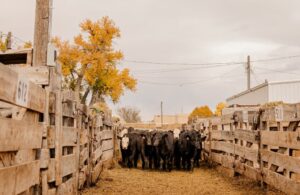
The concept of sacrifice areas represents a fundamental shift in how many ranchers think about winter management, but it’s one of the most effective strategies for protecting overall ranch productivity. Rather than attempting to spread livestock across multiple pastures during vulnerable periods, thereby distributing damage broadly, sacrifice areas concentrate that damage in designated locations that can be managed and renovated.
Selecting the site
Selecting appropriate sacrifice area locations requires careful consideration of multiple factors. Look for areas with naturally good drainage, ideally with a gentle slope that allows water to run off rather than pooling. Avoid low-lying areas, swales, or other areas that naturally accumulate water. The soil type matters significantly; sandy or gravelly soils are preferable to heavy clay. Consider proximity to existing infrastructure, such as water sources, windbreaks, and feed storage, to minimize labor required for daily management.
Size
The size of your sacrifice area depends on your herd size, the duration you expect to use it, and local climate conditions. A general guideline is 500-1,000 square feet per animal unit, though wetter climates or more extended confinement periods require more space. It’s better to oversize sacrifice areas than create overcrowded conditions that lead to mud problems and animal health issues.
Treatment
Surface treatment of sacrifice areas makes an enormous difference in their functionality and longevity. Gravel is the gold standard for heavy-use areas. A proper installation involves removing topsoil, establishing an appropriate drainage grade, laying geotextile fabric to prevent gravel from sinking into the subsoil, and then adding 6-8 inches of coarse gravel topped with 2-3 inches of smaller gravel or crushed rock. This low cost investment can last decades with proper maintenance. For ranchers on tighter budgets, wood chips offer a more economical alternative, though they need to be replenished every few years as they decompose. Large diameter wood chips (3-6 inches) work better than fine chips, as they pack less and maintain air spaces that improve drainage.
Placement
Strategic placement of feeding and watering infrastructure within sacrifice areas maximizes their effectiveness. Create multiple feeding stations rather than a single point to distribute livestock and reduce competition. Position water sources on the highest, best-drained portion of the sacrifice area. Consider portable panels that allow you to rest and renovate different sections of the sacrifice area while livestock use other portions.
Managing
Managing sacrifice areas during use requires active oversight. Monitor for drainage problems, erosion, or areas where surface material is wearing thin. Move feeding locations regularly, even within the sacrifice area, to prevent excessive buildup of manure and urine in any one spot. This nutrient concentration can create problems when you eventually renovate the area. Scrape or remove accumulated manure periodically if possible, spreading it on crop ground or stockpiling it for later use.
Renovating
Renovating the sacrifice areas after the vulnerable season allows them to recover productivity. Once soils have dried sufficiently in spring, the renovation process can begin. For areas that will be returned to pasture, start by spreading any surface material (wood chips, excess manure) more evenly or removing it. Relieve compaction through deep tillage or subsoiling, working when soil moisture is appropriate for tillage. Incorporate organic matter through compost or manure application to rebuild soil structure. Reseed with appropriate forage species, selecting varieties that establish quickly and tolerate traffic. Some ranchers maintain permanent sacrifice areas, accepting that these zones will not be productive forage areas but serve the critical function of protecting the rest of the ranch.
Infrastructure Placement and Management
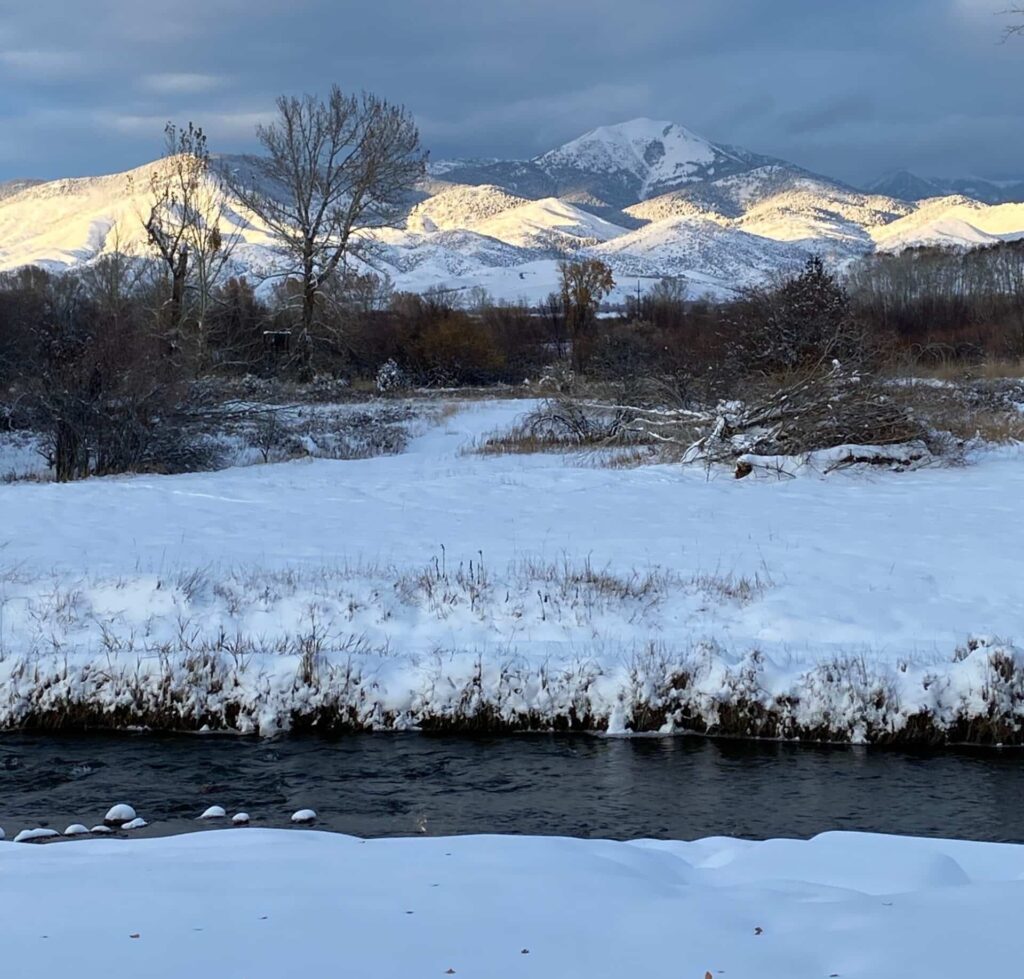
The location and management of feeding and watering infrastructure has an outsized impact on trampling damage patterns. Livestock congregate at these points multiple times daily, creating concentrated traffic that quickly degrades vulnerable soils. By managing infrastructure strategically, you can minimize this impact while maintaining animal performance.
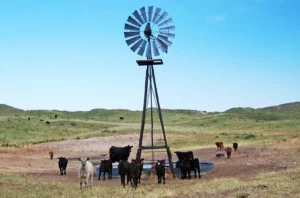
- Portable water tanks offer tremendous flexibility for protecting pastures during vulnerable seasons. Rather than using permanent water sources that create fixed traffic patterns and compaction zones, portable tanks can be moved every few days or weeks. This distributes the impact across a larger area, preventing any single location from becoming severely degraded. When moving tanks, select sites with good natural drainage and position them on higher ground whenever possible. Consider using small gravel pads even for temporary tank locations if you expect to use them for more than a few days.
- The surrounding area of water sources deserves special attention. Livestock approach water sources from multiple directions, and the immediate perimeter often becomes a mud pit during wet conditions. Hardening these areas with gravel or concrete pads extending at least 10-15 feet from the water source prevents the development of problematic mud holes. Some ranchers create sacrificial “mud moats” around permanent water sources by deliberately concentrating impact in a small area that can be renovated, while protecting the larger surrounding pasture.
- Feed placement might be the single most influential infrastructure decision for protecting wet soils. Livestock spend considerable time at feeding areas, and the combination of traffic, pawing, and waste deposition creates severe impacts. During vulnerable seasons, move hay feeding locations every single feeding, if possible. Use portable feeders or feed directly on the ground in different spots. This prevents the development of bare, compacted sacrifice zones that persist for years. When using hay rings or feeders, place them on well-drained sites and move them at least 50-100 feet between uses.
- Consider establishing permanent feed yards in strategic locations for use during extended wet periods. These can be graveled areas designed specifically for supplemental feeding during winter months or periods when pastures are too wet for grazing. While this requires upfront investment, it prevents the creation of dozens of degraded feeding sites scattered across your ranch. Permanent feed yards also allow for more efficient manure management, as nutrients can be collected and redistributed rather than lost to leaching or runoff.
- Gate areas and travel lanes represent another critical infrastructure consideration. These are natural choke points where livestock congregate and traffic concentrates. During wet periods, these areas quickly become impassable mud bogs. Hardening gate areas with gravel or rock creates all-weather access and prevents livestock from creating parallel trails around mud holes, which expands the damaged area. For longer travel lanes between pastures, consider establishing permanent lanes with surface treatment rather than allowing livestock to create their own paths across wet ground.
- Fence line management also plays a role. Livestock often trail along fences, especially when moving between pasture areas. During wet periods, these fence lines can become linear mud strips. Where practical, position fences along ridges or naturally well-drained areas. Consider installing water gaps or hard crossings at creek or drainage crossings rather than allowing livestock to cross through soft mud repeatedly.
Stocking Rate Adjustments and Herd Management
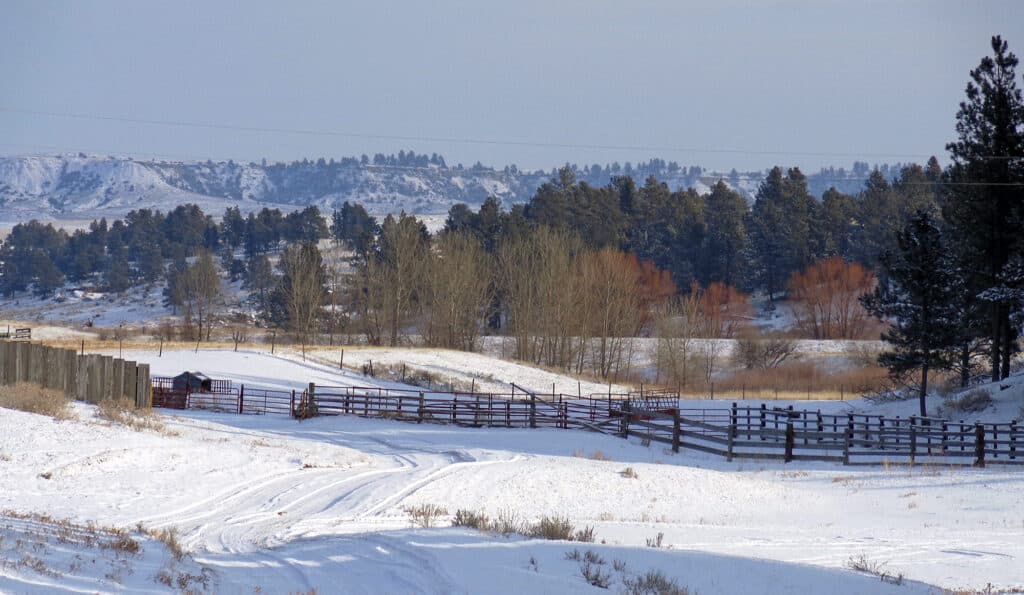
Flexible stocking strategies are among the most powerful tools for protecting ranch resources during vulnerable periods. Yet, they’re often the most difficult to implement because they challenge traditional management approaches and may require creative problem-solving.
Reducing stocking density during wet periods allows the land to support the remaining animals without severe degradation. The relationship between stocking rate and trampling damage isn’t linear; it’s exponential. Reducing stocking by 30% might reduce trampling impact by 50% or more because the remaining animals have more space to distribute themselves, spend less time concentrating on resources, and create less competition that drives increased movement. Consider this relationship when deciding how many animals to carry through vulnerable periods.
Temporary off-site grazing arrangements offer an effective solution for ranchers who need to reduce numbers but don’t want to sell animals. Explore options for leasing irrigated aftermath, cover crop fields, or other properties with better drainage than your home ranch. Some regions have established networks for matching ranchers who need temporary grazing with farmers or ranchers who have excess capacity. While this involves additional logistics and cost, it’s often less expensive than the long-term productivity loss from severely damaged pastures.
Dry lot confinement represents another option, particularly for operations with appropriate facilities. Moving livestock to dry lots with properly designed surfaces, adequate feed and water, and appropriate space allowances protects pastures during the most vulnerable periods. This approach works well for defined periods such as late fall through early spring when pasture growth is minimal anyway. The key is having adequate drylot space (200-400 square feet per animal unit minimum) and proper waste management to prevent animal health issues.
Selective grazing with different livestock classes allows you to match animal impact to land capability. Lighter animals, such as yearlings or dry cows, cause less individual hoof impact than mature cows with calves. Consider grazing more vulnerable pastures with lighter stock during wet periods while holding heavier animals on sacrifice areas or more resilient pastures. Similarly, some pastures may have portions with different drainage characteristics. Manage access to allow livestock to use well-drained areas while protecting wet spots.
Herd distribution management within pastures can minimize concentrated impacts. Livestock naturally congregate in certain areas, creating uneven grazing and trampling patterns. Strategic placement of supplements, minerals, or other attractants can draw livestock to underutilized areas and away from vulnerable zones. Some ranchers use temporary electric fencing to exclude livestock from wet areas while allowing access to drier portions of the same pasture, though this requires more intensive management.
Animal behavior considerations also matter. Stressed or agitated livestock move more and cause more trampling damage than calm animals. Reducing handling stress, providing adequate feed and water, and minimizing factors that cause animals to bunch or run all contribute to reduced trampling impact. In multi-species operations, recognize that different animals have different impact patterns; sheep and goats generally cause less compaction per animal than cattle, though higher numbers may be needed for equivalent grazing impact.
Monitoring and Adaptive Management

Effective protection of vulnerable soils requires vigilant monitoring and a willingness to adjust management based on observed conditions. Developing systematic monitoring protocols allows you to make data-informed decisions rather than relying solely on intuition.
Soil moisture monitoring can be as simple as the boot print test or as sophisticated as electronic soil moisture sensors. The boot print test remains one of the most practical field methods: walk across the area in question and observe the depth of your boot print and whether water appears in the depression. If your boot sinks more than half an inch or water appears in the print, the soil is too wet for livestock traffic. For more precise monitoring, handheld soil moisture probes provide numerical readings that can be tracked over time. Some ranchers have found success with permanent monitoring stations in key pastures that provide continuous data about soil conditions.
Visual assessment of trampling damage helps you catch problems early. Pugging, which appears as deep hoof prints (greater than two inches) that persist after livestock are removed, indicates that damage is occurring. Surface roughness, where the ground surface becomes uneven due to differential compaction, is another warning sign. Torn sod, where hooves have ripped the turf rather than simply compressing it, represents severe damage that will require renovation. Standing water in hoof prints several hours after rain indicates poor infiltration from compaction.
Plant indicators provide valuable information about soil condition and grazing impact. Decreased plant vigor in areas of heavy traffic signals that compaction is affecting root function. Changes in plant species composition, particularly invasion by compaction-tolerant species like annual bluegrass or prostrate knotweed, indicate long-term compaction problems. Reduced forage production in areas with previous wet-season grazing confirms that damage is affecting productivity.
Photographic monitoring creates a valuable record of conditions over time. Establish permanent photo points in key locations and photograph them regularly, ideally at the same time each year and under similar conditions. Over several years, this creates a visual record of how management decisions affect land condition. Many ranchers find that photographic evidence is more convincing than memory when evaluating whether management changes are necessary.
Water quality monitoring in streams or ponds on your ranch can reveal whether sediment from trampled areas is affecting water resources. Increased turbidity after rain events, compared to historical baselines, suggests that erosion from compacted or damaged areas is contributing sediment. While sophisticated water quality testing may not be practical for all operations, simple visual observation of water clarity provides useful information.
Adaptive management means being willing to change course when monitoring reveals problems. If you observe signs of trampling damage despite your management efforts, don’t wait to see if it gets worse. Move livestock immediately, even if it disrupts your planned rotation. The short-term inconvenience of adjusting your management is far less costly than the long-term productivity loss from continued damage. Similarly, if conditions improve faster than expected, you may be able to resume grazing earlier than planned, capturing forage that would otherwise be wasted.
Record keeping supports adaptive management by allowing you to learn from experience. Document when you observe soil conditions becoming vulnerable, when you move livestock, weather patterns, and how quickly soils recover. Over several years, these records reveal patterns specific to your ranch that allow you to anticipate problems and manage proactively rather than reactively.
Long-Term Benefits and Economic Considerations
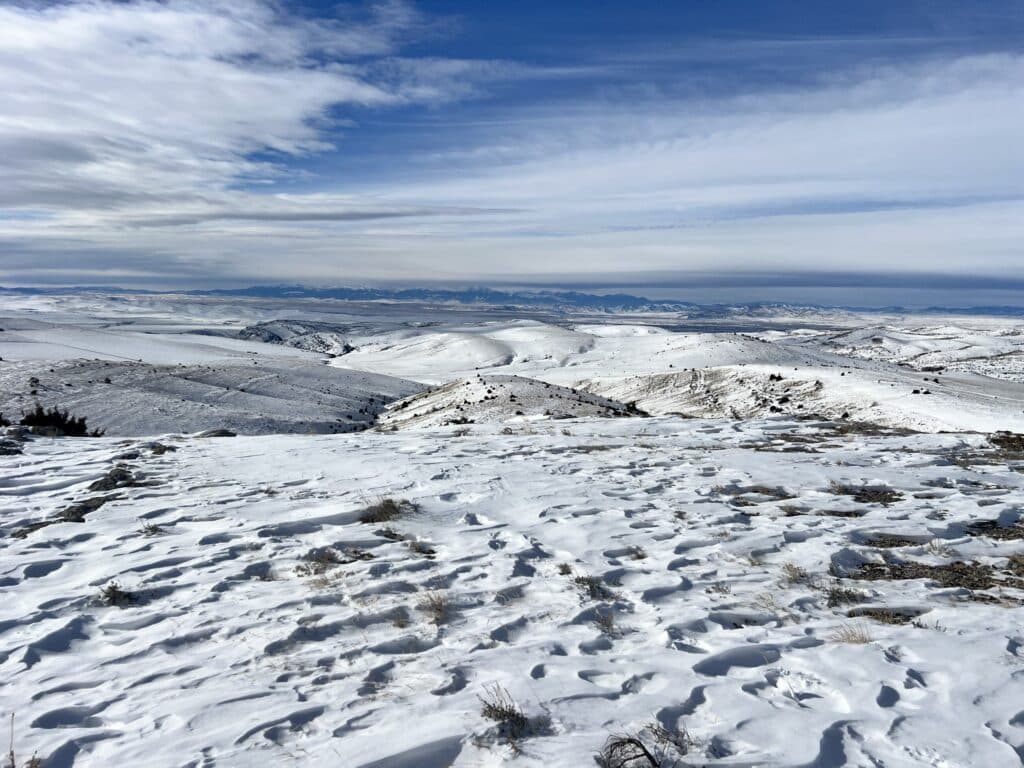
The investment in winter pasture management and trampling damage prevention delivers returns that extend far beyond the immediate growing season. Understanding these long-term benefits helps justify the effort and potential short-term costs of intensive management during vulnerable periods.
Improved forage production represents the most direct benefit. Pastures protected from trampling damage during vulnerable periods consistently produce 20-40% more forage in subsequent years compared to damaged pastures. This increased production compounds over time, as healthier plant communities become more resilient and productive. The economic value of this additional forage, calculated against the cost of supplemental feed, often provides returns on management investments within just a few years.
Better water infiltration reduces both drought vulnerability and erosion problems. Soils with good structure and pore space can absorb more rainfall during precipitation events, reducing runoff and increasing soil moisture storage. This stored moisture sustains plants during dry periods, extending the grazing season and reducing the need for irrigation or supplemental feeding. Reduced runoff also means less erosion, protecting topsoil and preventing sediment from reaching water sources.
Enhanced plant community resilience creates multiple benefits. Pastures with healthy soils and minimal compaction support more diverse plant communities with deeper root systems. These communities are more resistant to drought stress, invasion by undesirable species, and other disturbances. They also provide better wildlife habitat and ecosystem services, which may have value beyond direct livestock production.
Water quality improvements benefit both the ranch operation and broader environmental health. Reduced sediment loading in streams and ponds improves water quality for livestock and wildlife. Cleaner water sources require less maintenance and reduce health issues in livestock. In regions with water quality regulations, demonstrating good land management practices can help ranchers avoid regulatory conflicts and maintain access to water resources.
Reduced input costs accumulate over time. Pastures that maintain productivity require less renovation, reseeding, and fertilizer application. Lower supplemental feed needs during the grazing season reduce operating expenses. Equipment and infrastructure last longer when not operating in muddy conditions. While these savings may seem modest in any single year, they compound significantly over a ranch’s lifetime.
Increased property value reflects the long-term productivity improvements from good soil management. Ranches with well-managed pastures, good soil condition, and sustainable grazing practices command premium prices in the real estate market. Whether you plan to sell or pass the operation to the next generation, investing in soil health protects and enhances the ranch’s value as an asset.
Climate resilience becomes increasingly important as weather patterns become more variable. Ranches with healthy soils and good infiltration are better positioned to handle both droughts and heavy precipitation events. This resilience reduces risk and provides greater operational stability across varying conditions.
Conclusion
Managing your ranch to prevent trampling damage during vulnerable seasons represents one of the most important decisions you can make for long-term productivity and sustainability. While it requires patience, flexibility, and sometimes short-term sacrifice, the investment pays substantial dividends through improved forage production, better water quality, enhanced soil health, and longer-lasting pastures. By understanding soil vulnerability, implementing strategic timing and rotation, developing effective sacrifice areas, managing infrastructure thoughtfully, adjusting stocking rates as conditions demand, and monitoring outcomes to guide adaptive management, you create a resilient ranch operation positioned for success across varying conditions and seasons. The land is your most fundamental resource; protecting it during its most vulnerable times ensures it will continue providing for your operation, your family, and future generations.
Content based on general principles rather than pulling from particular documents or studies.
Swan Land Company Agents Know Ranch Properties!