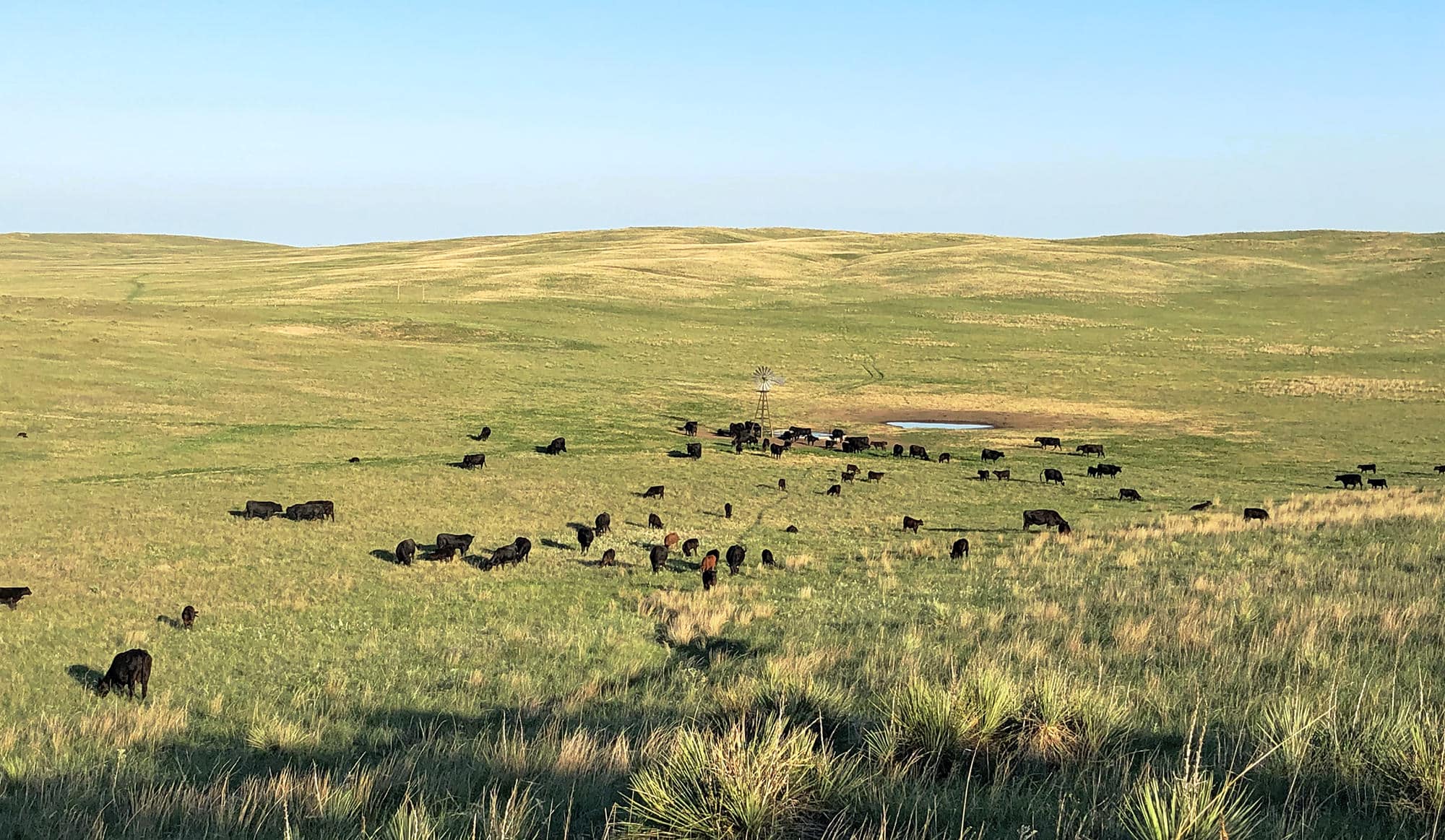
Nebraska Ranch Market Snapshot
Nebraska’s ranch real estate market in fall 2025 reflects a steady but more measured pace after several years of growth. Average ranchland values sit around $3,935 per acre, down 2% from 2024, while pastureland appreciation remains positive at roughly 3–4%, supported by firm cattle prices and limited grazing supply. Legacy ranches are still trading hands, but activity leans toward mid-sized operational and recreational properties. Inventory is up about 8% year-over-year, largely from generational sellers, creating selective opportunities across the Sandhills, Pine Ridge, and Platte River regions. Buyers continue to target properties that blend production capacity with recreational appeal, and despite weaker crop margins, demand remains resilient—underpinned by record beef prices and stable grazing returns.
| Metric | Value (2025) |
YoY Change |
Notes |
|---|---|---|---|
|
Ranch Land Appreciation |
+7.9% (Pastureland) | +7.9% | Pastureland values increased by 7.9%, averaging $1,510 per acre, marking the second consecutive year of growth at this rate. |
|
Land Value per Acre |
$3,935 (All land average) | -2% | The statewide all-land average value decreased by 2% to $3,935 per acre, the first decline in six years. |
|
Land Value Increase (2024) |
+2.5% | +2.5% | Based on NASS and regional broker reports; grazing parcels outperformed cropland. |
|
Inventory Level |
Slightly higher | +5–8% | Generational turnover has led to an increase in listings, with mid-sized operational and recreational parcels in demand. |
| Risk Factors | Crop commodity softness, localized drought | — | Buyers cautious with cropland-heavy properties; grazing/ranching parcels remain resilient. |
Nebraska: Grazing and Legacy Land Dynamics
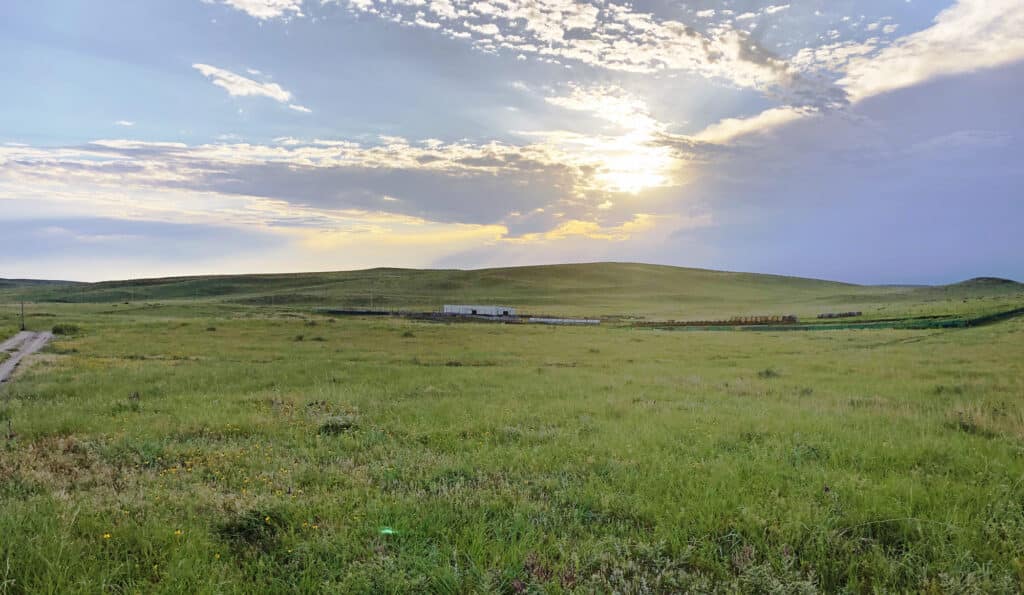
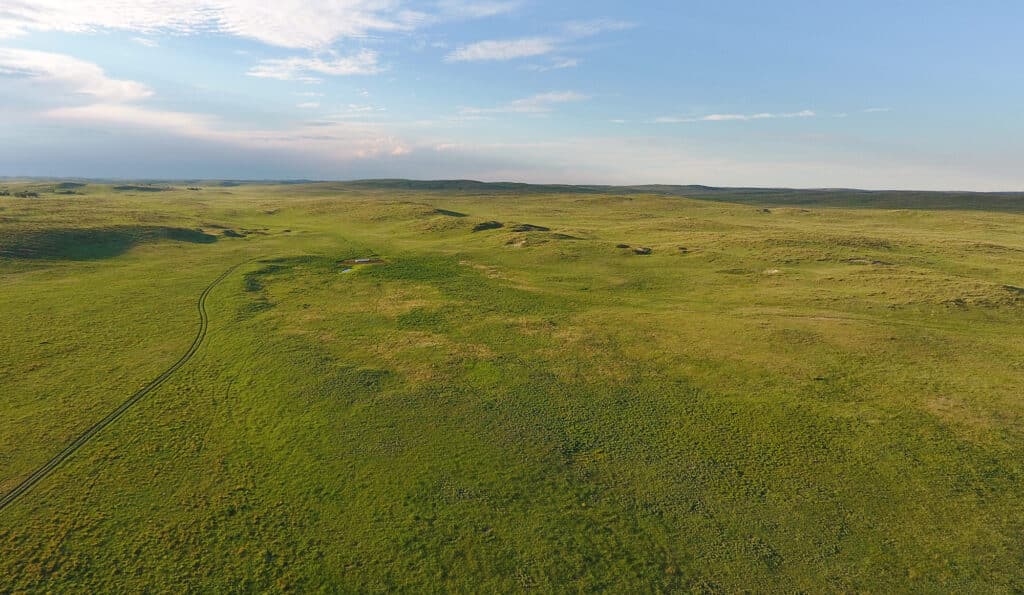
Nebraska’s ranch market shifts reflect weaker commodity prices and higher input costs, encouraging buyers to focus on efficiency and long-term productivity. The Sandhills and western grazing regions remain Nebraska’s most resilient areas, supported by strong cattle prices and investor confidence in grass-rich holdings. Buyers are prioritizing properties with reliable water, balanced carrying capacity, and solid infrastructure for cow-calf or yearling programs. In eastern and central Nebraska, where cropland dominates, prices have cooled modestly as tighter profit margins slow expansion.
Recreational and mixed-use ranches continue to perform well, especially along the Platte River, Niobrara, and Calamus corridors, where hunting, fishing, and conservation value add to long-term appeal. With continued activity from out-of-state buyers often competing with local operators for well-improved properties under 10,000 acres. Generational turnover remains a defining factor. Estate transitions and aging ownership have increased available acreage by about 8% year-over-year, yet high-quality listings still move quickly. Sellers with clear production records, dependable water, and diverse revenue potential are achieving the strongest outcomes.
 |
 |
Comparative Insights and Strategic Considerations
| Category | Nebraska | Shared Trends |
|---|---|---|
| Inventory | Low to moderate; up ~8% YoY | Tight supply persists across regional ranch markets |
| Price Driver | Grazing productivity, recreational and mixed-use value | Out-of-state interest, beef price strength, lifestyle demand |
| Risk Factor | Commodity volatility, drought in eastern counties, rising input costs | Interest rate shifts and macroeconomic uncertainty |
Insights for Buyers
Nebraska rewards buyers who move decisively on well-improved, water-secure ranches. Mid-sized operational and recreational properties, typically 2,000–5,000 acres, are highly competitive, especially in the Sandhills and western grazing regions, where pastureland has appreciated 3–4% year-over-year. Buyers should prioritize parcels with a combination of reliable water access, high-quality grazing, and infrastructure suited for cow-calf or yearling operations. Properties offering both production capacity and recreational amenities—such as hunting access, river frontage, or conservation easements—command the strongest interest. Out-of-state buyers from Colorado, Iowa, and Missouri continue to actively compete, often pushing premium pricing for mixed-use parcels with long-term lifestyle appeal. Strategic patience is rewarded for buyers who leverage off-market listings, while readiness to act quickly is crucial in high-demand zones.
Insights for Sellers
Sellers benefit from emphasizing operational strengths, dependable water resources, and recreational opportunities. Even with cropland values slightly softer—down roughly 2–3% in eastern counties—high-quality ranches continue to command strong pricing. Properties with documented productivity, diversified revenue streams, and well-maintained infrastructure see faster transactions. Generational turnover has increased inventory by about 8% year-over-year, yet listings with both grazing and lifestyle appeal are absorbed quickly. Sellers who market legacy ranches with clear production records and added recreational value often realize premiums over average per-acre rates. Highlighting unique features such as river frontage, wildlife habitat, and hay meadows further distinguishes properties in a crowded market.
Market Outlook
Nebraska’s ranch market is expected to remain stable through 2026, with grazing and recreational parcels maintaining value while cropland-focused properties may continue to soften slightly. Strong cattle markets, reflected in record beef prices, support operational ranch values and encourage retention of high-quality grazing land. Generational turnover will likely sustain inventory levels, providing opportunities for motivated buyers, but competition will remain stiff for premium parcels, particularly in the Sandhills, Pine Ridge, and Platte River regions. Sellers of well-positioned properties—those with robust water access, diverse production potential, and recreational amenities—can expect continued interest and favorable terms. External factors such as commodity volatility, localized drought, and interest rate shifts will remain key considerations for both buyers and sellers navigating Nebraska’s evolving ranch landscape.