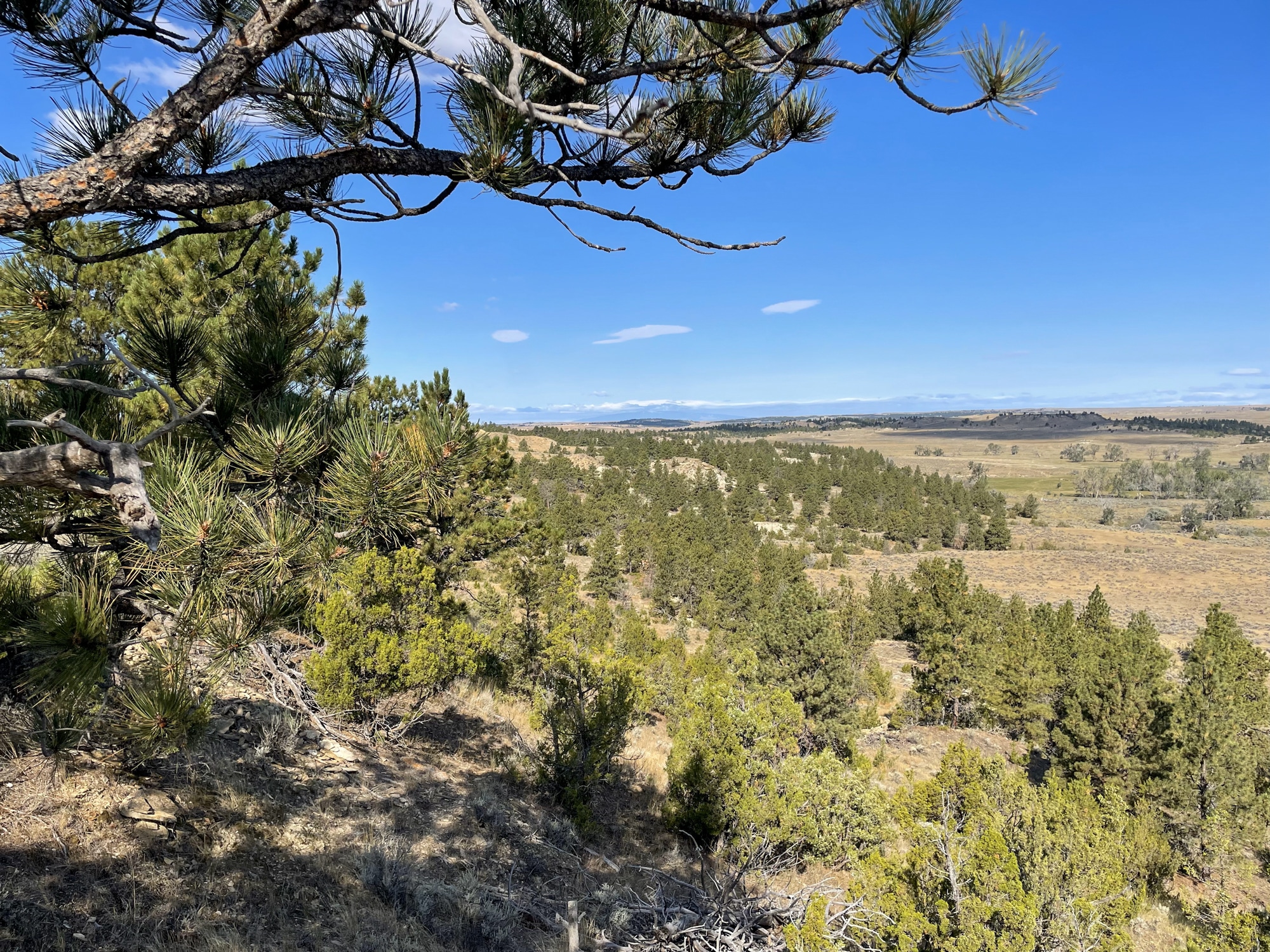
Nestled at the base of the majestic Bull Mountains, just 45 miles north of Billings, Roundup stands as a testament to the enduring spirit of the American West. This historic agricultural town in Musselshell County offers visitors far more than just stunning scenery—it provides a genuine immersion into Montana life, where ranching roots run deep, coal mining heritage echoes through the generations, and the wide-open spaces invite authentic rural adventures that seem increasingly rare in our modern world.
For over a century, this close-knit community has weathered the changing tides of time while maintaining its essential character. Today, Roundup represents the perfect destination for those seeking to disconnect from the constant buzz of digital life and reconnect with nature, history, and the kind of genuine human connections that defined the settling of the American frontier.
A Rich and Storied History
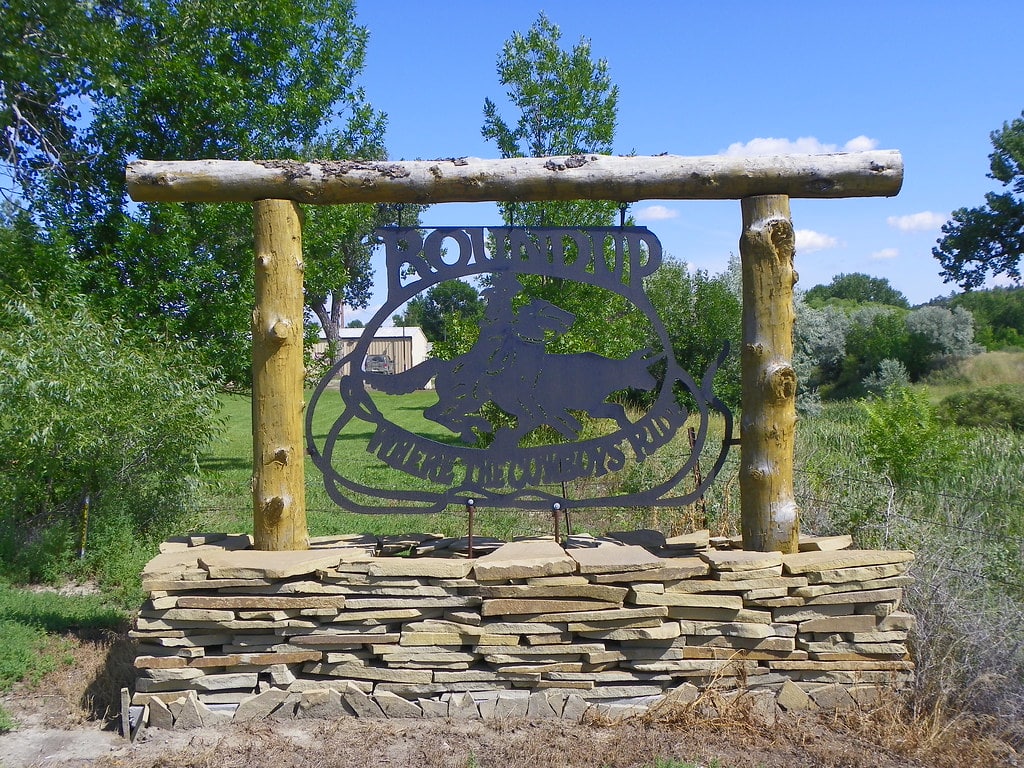
The very name “Roundup” evokes the golden age of Western cattle drives and frontier life. According to local historians, the town earned its evocative name through one of two possible origins: either from the ranchers who traditionally gathered their cattle along the banks of the Musselshell River during seasonal roundups, or from its strategic position as the final stop on the legendary Texas Trail, where exhausted cowboys would drive their herds to this northern terminus.
From the early 1900s onward, Roundup flourished as far more than just a cattle town. It became a significant coal mining center, with vast underground deposits fueling both the local economy and the broader industrial growth of Montana. Operations like the Signal Peak Mine, which operated for decades before its eventual closure, brought waves of miners and their families to the area, creating a unique cultural blend of cowboy and coal miner that persists in the local character to this day.
The town’s evolution tells the broader story of Montana itself—from open range ranching to industrial development, and now to a more diversified economy that honors both traditions. Agriculture, particularly ranching and farming, remains the backbone of the local economy, with multi-generational family operations still working the same lands their ancestors homesteaded. Yet the spirit of adaptability that allowed early settlers to thrive in this challenging landscape now welcomes visitors seeking authentic experiences and outdoor recreation.
Walking down Main Street, you can still feel the echoes of this history in the historic buildings, the well-worn facades, and most importantly, in the stories shared by locals whose families have called Roundup home for four, five, or even six generations.
Outdoor Activities and Natural Wonders
Rock and Fossil Hunting: Unearthing Ancient Treasures

The landscape surrounding Roundup is a rockhound’s paradise, offering some of the most accessible and rewarding geological exploration opportunities in all of Montana. The area’s unique position at the intersection of multiple geological formations means that millions of years of Earth’s history lie exposed in the hills, rivers, and valleys around town.
Whether you’re a complete beginner or a seasoned collector with decades of experience, you’ll find the thrill of discovery waiting around every bend. The public lands surrounding Roundup feature narrow paths winding through dramatic rock formations, each step offering the possibility of uncovering one of the region’s true geological gems.
Among the most prized finds are Yogo sapphires—Montana’s famous gemstones known for their exceptional clarity and distinctive cornflower blue color. These rare treasures, found nowhere else on Earth except in Montana, have been discovered by lucky hunters exploring the streambeds and exposed hillsides around Roundup. Montana agates, with their intricate banding and warm colors ranging from amber to deep red, are another sought-after prize.
But perhaps most thrilling are the fossils—remnants of creatures that walked, swam, and flew over this landscape millions of years ago. Invertebrate fossils such as ancient shells, coiled ammonites (extinct relatives of the chambered nautilus), and bullet-shaped baculites (another type of extinct cephalopod) can be found embedded in rock layers that were once ancient seabeds. These fossils tell the story of when Montana lay beneath a vast inland sea during the Cretaceous period.
For the truly fortunate, vertebrate fossils offer tantalizing glimpses of prehistoric life. Although these may be collected only on private property with explicit landowner permission (never on public land), the possibility of encountering the fossilized remains of ancient dinosaurs, marine reptiles, or primitive mammals adds an extra thrill to every expedition. NF Ranch On The Musselshell River is for sale and is private!
Bird Watching Along the Musselshell River
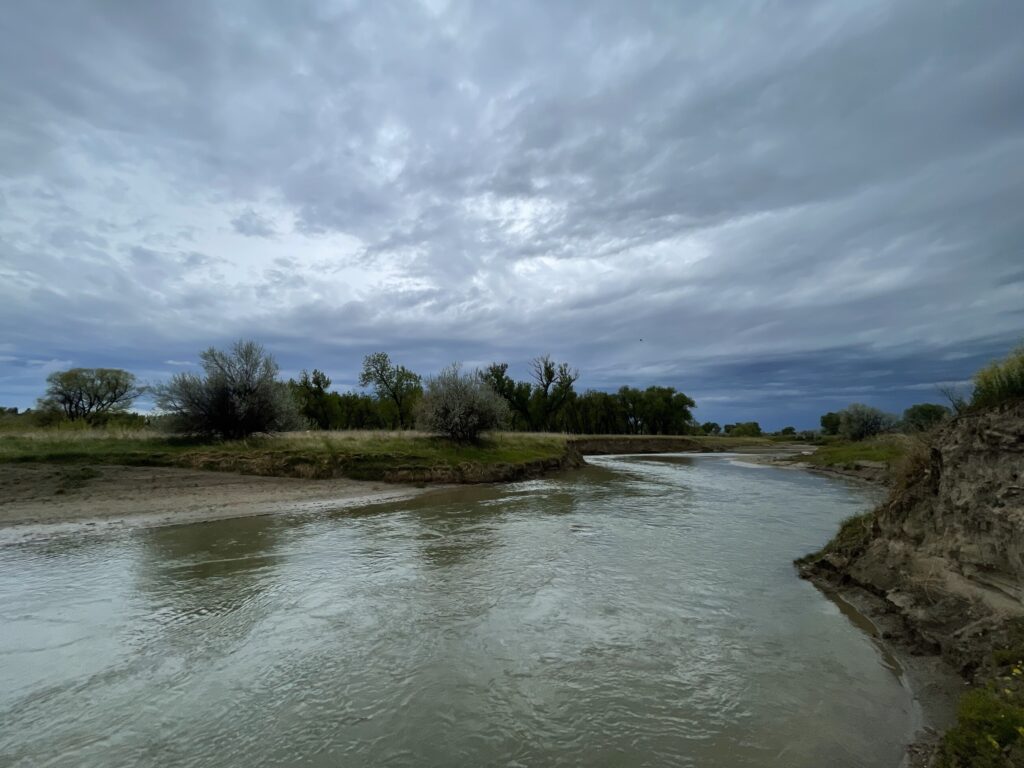
The Musselshell River, one of Montana’s most scenic waterways, winds gracefully through Roundup, creating a ribbon of life and biodiversity that attracts an impressive array of avian species year-round. This riparian corridor serves as both a year-round home for resident birds and a critical stopover point for countless migrants traveling along the Central Flyway.
The crown jewel for birders is Roundup’s mile-long RiverWalk, also known as the Roundup RiverWalk Heritage Trail, a well-maintained interpretive gravel trail of varying lengths that follows the river’s gentle curves through town. This accessible path offers the perfect vantage point to observe birds while enjoying the fresh Montana air and the soothing sounds of flowing water. Whether you’re a casual nature lover or a serious birder working on your life list, the RiverWalk offers rewarding experiences at any time of day and in any season.
On any given morning walk, you’ll likely encounter the cheerful songs of house wrens, the melodious warbling of American robins, and the distinctive drumming of various woodpecker species, including the downy, hairy, and northern flicker. Waterfowl are abundant, with mallards, teal, and Canada geese frequenting the river’s calm stretches.
Perhaps most delightfully, you’ll almost certainly hear—and if you’re lucky, see—Montana’s beloved state bird, the Western meadowlark. Its distinctive, fluffy yellow breast and complex, flute-like song make it one of the most recognizable and cherished birds of the prairie. The meadowlark’s song has been called one of the most beautiful bird songs in North America, and hearing it echo across the open landscape is a quintessentially Montana experience.
For truly memorable sightings, keep your eyes on the mature cottonwood trees lining the riverbanks. Roundup is home to nesting bald eagles, and observing a convocation (the collective term for a gathering of eagles) of these majestic raptors perched in their riverside roosts is a sight that will stay with you forever. Watch for their distinctive white heads and tails against the sky, and if you’re exceptionally fortunate, you might witness their impressive fishing techniques or dramatic aerial displays.
Advanced Birder’s Paradise: Lake Mason Wildlife Refuge
For dedicated birders seeking an even more comprehensive experience, the nearby Lake Mason Wildlife Refuge represents one of Montana’s premier birding destinations. This protected wetland complex supports an astonishing diversity of species, with over 50 bird species recorded using the refuge throughout the year.
The refuge is particularly renowned for its shorebird populations, including several species of plovers—small, quick-moving birds that probe the mudflats for invertebrates. During migration seasons (spring and fall), the refuge can host thousands of waterfowl and shorebirds simultaneously, creating a spectacle of motion, color, and sound.
But perhaps the refuge’s most extraordinary feature lies at its far end, where protected sage grouse mating grounds, known as leks, provide one of nature’s most remarkable displays. Each spring, male greater sage grouse gather at dawn on these traditional breeding grounds to perform their elaborate courtship rituals. The males inflate bright yellow air sacs on their chests, fan their tail feathers into spectacular spiky displays, and produce deep, resonating “popping” sounds that can be heard across the prairie. This ancient ritual, unchanged for millennia, offers wildlife enthusiasts a window into the wild heart of the American West.
Hunting and Fishing: Pursuing Wild Game in Big Sky Country
The lands surrounding Roundup offer some of Montana’s finest hunting and fishing opportunities, drawing sportsmen and women from across the region and beyond. The area’s diverse terrain—from rolling prairie to river bottoms to the foothills of the Bull Mountains—supports healthy populations of game animals and provides varied habitat for different species.
Hunting: Deer hunters find excellent opportunities for both mule deer in the higher, rougher country and white-tailed deer in the river bottoms and agricultural areas. The fall rut, typically peaking in mid-November, offers the most exciting hunting, when mature bucks become less cautious in their search for does. Antelopes (more appropriately called pronghorns) are abundant in the open prairie country surrounding Roundup, and pursuing these swift and keen-eyed animals across the wide open spaces is considered one of Montana’s classic hunting experiences.
Upland bird hunting is also popular, with sharp-tailed grouse and Hungarian partridge found in the grasslands and agricultural edges. At the same time, ring-necked pheasants frequent the thicker cover along waterways and shelter belts.
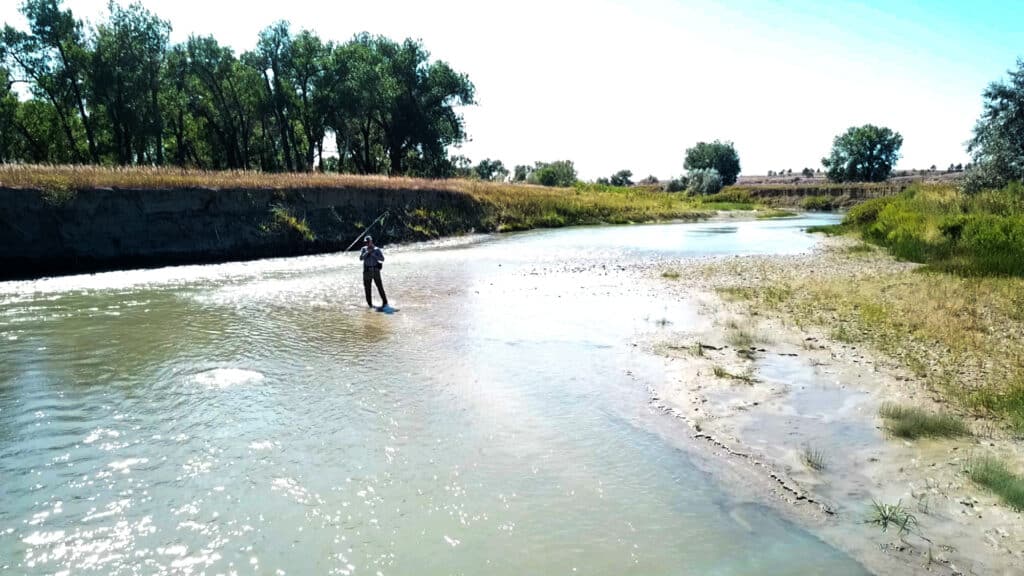
Fishing: The Musselshell River and nearby waters offer diverse angling opportunities. Anglers can pursue channel catfish, smallmouth bass, northern pike, and various panfish species. While the Musselshell is not known as a blue-ribbon trout stream, its warm-water fishery provides enjoyable and often productive fishing, particularly for those willing to explore beyond the most accessible stretches. NF Ranch On The Musselshell River offers a private experience and is for sale!
Many visitors also use Roundup as a base for accessing more distant fishing destinations, including trout streams in the nearby mountains and the renowned fishing of the Yellowstone River system.
Stargazing: Where Earth Meets Cosmos
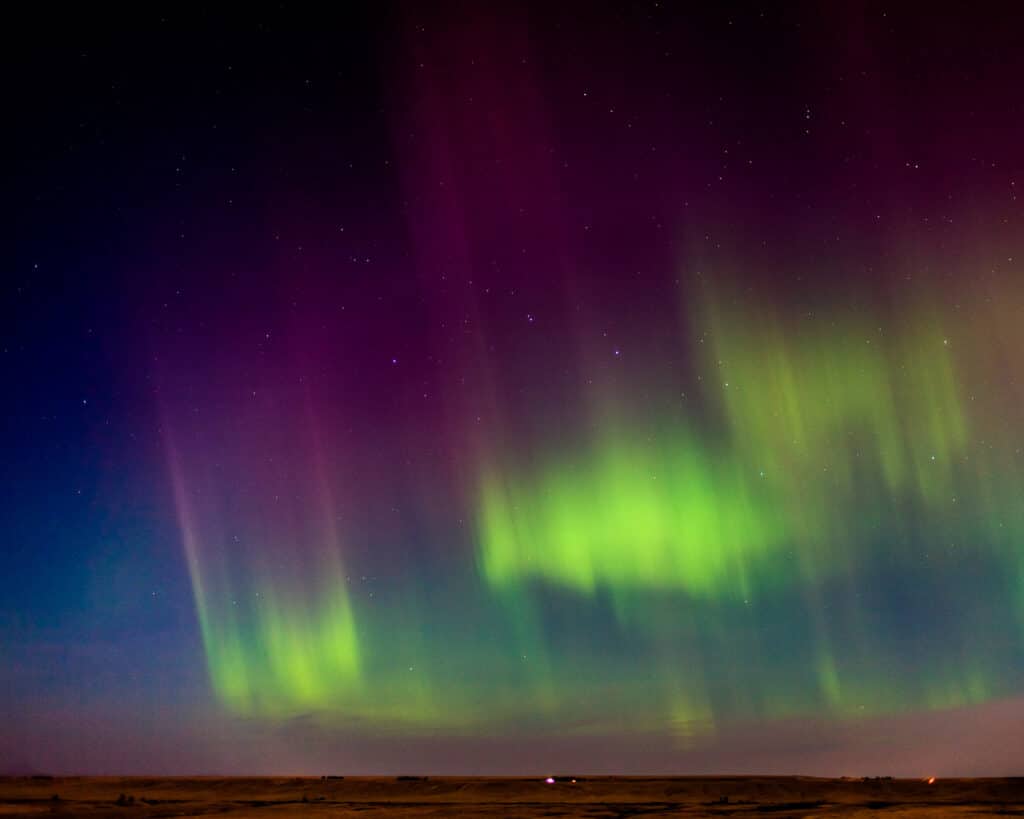
One of Roundup’s most magical offerings costs nothing but provides memories worth a fortune: the opportunity to witness the night sky as our ancestors knew it, unspoiled by the light pollution that obscures the cosmos from most modern humans. With minimal artificial light and expansive 360-degree views of Montana’s justly famous “Big Sky,” the Roundup area offers stargazing opportunities that rival those of designated dark-sky parks.
On clear nights, the celestial display is nothing short of breathtaking. The Milky Way—our home galaxy—stretches across the sky as a luminous band of concentrated starlight, its dusty arms and bright core clearly visible to the naked eye. Individual stars appear so numerous and vivid that constellations can be challenging to pick out among the overwhelming stellar density. Satellites trace silent arcs across the heavens, and on nights of major meteor showers (such as the Perseids in August or the Geminids in December), shooting stars streak across the darkness with remarkable frequency.
For the truly fortunate—particularly during periods of heightened solar activity—the northern lights, or aurora borealis, occasionally grace Montana’s northern skies. Though Montana sits south of the typical aurora belt, significant geomagnetic storms can bring this ethereal display of shimmering green, purple, and red curtains dancing across the northern horizon, creating a spectacle that seems to blur the line between Earth and space.
Local Culture, Community, and Authentic Montana Experiences
Dining
The Backporch, a James Beard Foundation semifinalist for best new restaurant, serves traditional breakfast items, including biscuits and gravy, then switches to barbecue fare like pulled pork and beef brisket for lunch and dinner. Daily Montanan. They use Montana steaks for breakfast, top pancakes with butter made with local honey, and serve seasonal coffee drinks at The Backporch. The restaurant features six different regional barbecue sauces and oversized cinnamon rolls.
Grand Bar & Restaurant: A classic Montana establishment known for steaks, prime rib, and burgers. Try “The Diego” burger (part of the Southeast Montana Burger Trail) or the “Big Ass Enchilada.” The atmosphere is authentically Montana, unchanged since mining days.
Other Dining Options• Busy Bee Cafe – popular for breakfast and American fare
• Maverick Bar – pizza and live music
• Grizzly Bar – bar food and seafood
• Coffee Corral – local coffee shop
The Main Street Bar Crawl
Start your evening with a casual beer and a game of pool at The Arcade. This classic Montana bar offers a relaxed atmosphere perfect for easing into your evening and getting your bearings. The pool table sees steady action, and the regulars are typically friendly to newcomers who show basic courtesy.
Next, make your way to The Maverick, where live music often fills the space on weekend evenings. Local and regional musicians play everything from classic country to rock, and the small dance floor gets surprisingly active as the night progresses. The energy here tends to be higher and younger, though you’ll still find the full age range of Roundup society represented.
Continue to The Keg, where you can test your luck on video poker and other gambling machines (legal in Montana bars in limited numbers). The Keg attracts a dedicated following of regulars, and evening conversations here tend to run toward local news, politics, and sports. This is where you’ll really get a sense of what’s on the community’s mind.
Finish your crawl at the Grand Bar & Grille, which offers the most substantial food menu of the four establishments. Order their signature burger—a hefty Montana-sized portion that pairs perfectly with one of the local Montana craft beers they keep on tap. The Grand tends to attract a slightly more mixed crowd of diners and drinkers, making it an ideal place to end the evening with satisfying food and mellow conversation.
The beauty of this bar crawl is its compactness—all four establishments sit within easy walking distance on Main Street, so you can safely explore without worrying about driving. Take your time, pace yourself, and remember that in small-town Montana, people remember how visitors behave. Show respect, demonstrate genuine interest in people’s stories, and you’ll likely make connections that could last a lifetime.
Roundup Independence Days Extravaganza (RIDE): Montana’s Ultimate Fourth of July Celebration
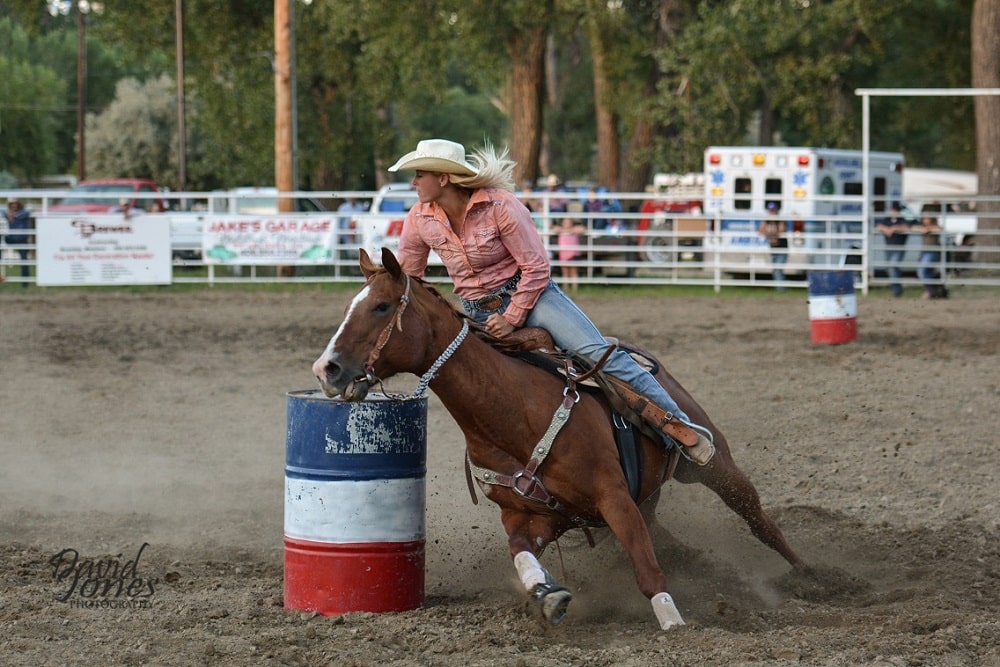
Every Independence Day, Roundup transforms into the center of Montana’s celebration of American freedom with RIDE—the Roundup Independence Days Extravaganza. This massive, multi-day event draws thousands of visitors from across Montana and beyond, turning the quiet agricultural town into a bustling festival that celebrates everything from patriotism to rodeo tradition to live music.
The festivities typically span several days surrounding July 4th, with activities beginning as early as July 1st or 2nd and continuing through the holiday weekend. The event kicks off with a spectacular parade down Main Street, featuring everything from antique tractors and vintage cars to local youth groups, volunteer fire departments, military veterans, and elaborate floats created by community organizations.
The rodeo represents the heart of RIDE, showcasing professional and amateur cowboys and cowgirls competing in all the classic events: bull riding, saddle bronc, bareback riding, barrel racing, team roping, steer wrestling, and more. The arena fills with enthusiastic crowds who understand and appreciate the skill, courage, and tradition on display. For many local ranching families, the rodeo represents the continuation of skills their ancestors relied on for survival, turned into a sport, but still demonstrating genuine expertise with livestock and horses.
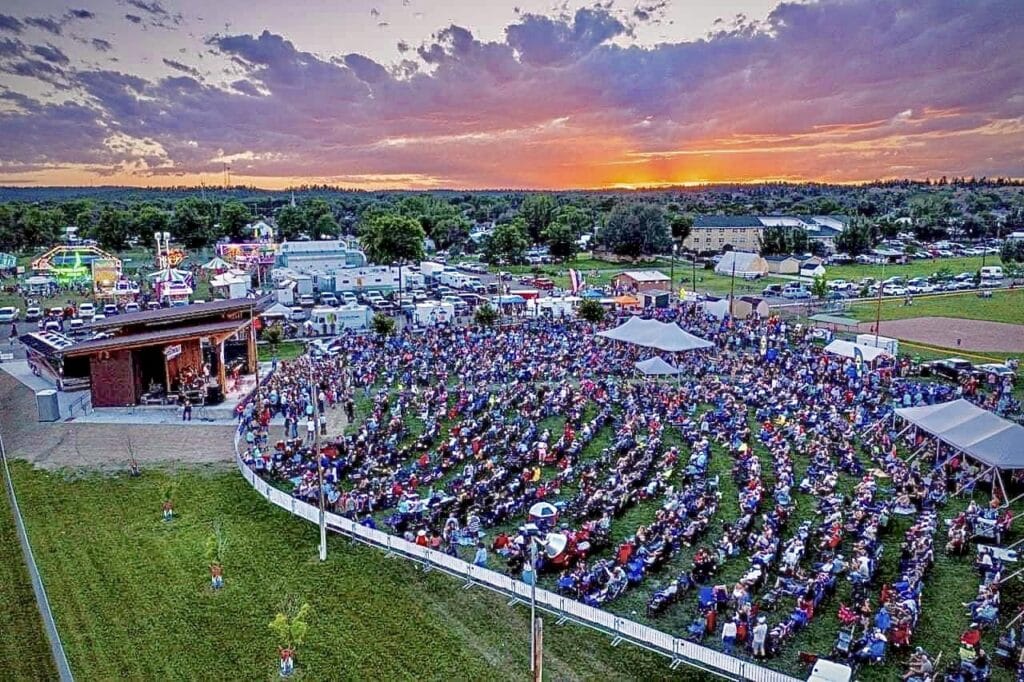
Live music fills multiple stages throughout the celebration, featuring regional and sometimes national country, rock, and Americana acts. Dance floors appear, beer gardens do steady business, and the smell of barbecue and carnival food wafts through the warm summer air. Fireworks displays light up the Big Sky as darkness falls, with the dramatic backdrop of the Bull Mountains adding to the spectacle.
Beyond the main events, RIDE includes vendor markets, craft fairs, children’s activities, historical exhibits, and various competitions ranging from horseshoes to cook-offs. It’s a time when former residents return home, families reunite, and the entire community comes together to celebrate both American independence and their own enduring community spirit.
For visitors, RIDE offers an authentic glimpse into rural Montana culture at its most celebratory. This isn’t a sanitized, commercialized version of Western life—it’s the real thing, where working cowboys compete, where multi-generational families celebrate together, and where the values of independence, hard work, and community still mean something tangible.
Other Local Attractions and Hidden Gems
Roundup Museum: This small but surprisingly comprehensive local museum preserves and presents the area’s rich history. Exhibits cover homesteading life, coal mining heritage, ranching traditions, Native American history, and the evolution of the community. Staffed by knowledgeable volunteers (often locals with personal connections to the exhibits), the museum offers insights no guidebook can match.
Market on Main: This community gathering space hosts farmers’ markets, craft fairs, and various local events throughout the warm months. It’s an excellent place to meet local artisans, purchase Montana-made products, sample locally-produced foods, and observe small-town Montana life in action.
Roundup City Pool: In a gesture of small-town hospitality that’s increasingly rare, Roundup maintains a public swimming pool that’s free for all visitors. During hot Montana summer days, the pool becomes a community gathering place where families cool off and children play. It’s a charming reminder of a time when public amenities served the common good without requiring constant monetization.
Historic Main Street Architecture: Take time to walk Main Street and observe the historic commercial buildings, many dating to the early 20th-century boom. While some show the wear of economic challenges, others have been beautifully maintained or restored, and all tell stories of the town’s evolution through changing times.
Conversations with Old-Timers: Perhaps Roundup’s most significant and most overlooked attraction is its people, particularly the older generation who possess living memory of a way of life rapidly disappearing. Sit on a bench downtown, strike up conversations in cafes, attend local events, and you’ll have opportunities to hear firsthand accounts of homesteading, mining, ranching, and surviving (even thriving) in one of America’s most challenging and beautiful environments. These conversations, if approached with genuine respect and interest, offer insights into American history and character that no documentary can match.
The Roundup Experience: Disconnecting to Reconnect
In an age of constant digital connectivity, information overload, and the homogenization of place, Roundup offers something increasingly precious: the opportunity to truly disconnect from the noise of modern life and reconnect with what matters more fundamentally.
Here, you can turn your attention away from screens and toward big skies that stretch impossibly far in every direction. You can witness wildlife species you’ve likely never encountered—from pronghorn antelope racing across open prairie at speeds exceeding 50 mph to golden eagles soaring on thermal currents in the mountain updrafts.
You can study geological formations that took millions of years to form, holding in your hands fossils of creatures that died before humans walked the Earth. You can trace rock strata that tell stories of ancient seas, volcanic activity, and the slow, patient work of wind and water carving the landscape into its current form.
Perhaps most remarkably, you can have genuine conversations with cowboys and coal miners who remember homesteading this land with their parents—people who lived without electricity, who survived brutal winters in primitive shelters, who built something from nothing through sheer determination and backbreaking labor. These living links to frontier life won’t be with us much longer, making every conversation a precious opportunity to understand where we came from and what we might be losing.
Unlike anywhere else in the world, Roundup embodies a specific combination of authentic Western history, accessible natural beauty, genuine community warmth, and that ineffable quality Montanans call “realness.” This isn’t a theme park version of the West. This isn’t a carefully curated tourist experience designed to separate visitors from their money. This is simply a community that has endured, adapted, and maintained its essential character through more than a century of dramatic change.
The experience of spending time in Roundup tends to affect visitors in unexpected ways. Many report a sense of perspective—a recalibration of what matters when you’re reminded of the vastness of geological time, the immensity of the cosmos, and the resilience of people who built lives in challenging places. The slower pace, the friendliness of strangers, the beauty of unmediated nature, and the absence of digital distraction create space for the kind of reflection and restoration that our overscheduled, hyperconnected lives rarely allow.
A Final Invitation
Roundup, Montana, stands as a reminder of what we risk losing in our rush toward homogenized, digitized, sanitized experiences. This small town at the base of the Bull Mountains offers no pretense, no manufactured authenticity, no carefully curated “experience packages.” It simply offers itself—honestly, generously, and without apology.
Come to Roundup to discover what you’ve been missing. Whether you spend a weekend or a lifetime, whether you come for the rocks or the stars, the birds, the history or the hunting, you’ll likely leave with something unexpected: a sense that places like this still matter, that ways of life built on hard work and community still endure, and that sometimes the best thing we can do is slow down, look up, and appreciate the extraordinary world that exists when we step away from our screens and remember what truly matters.