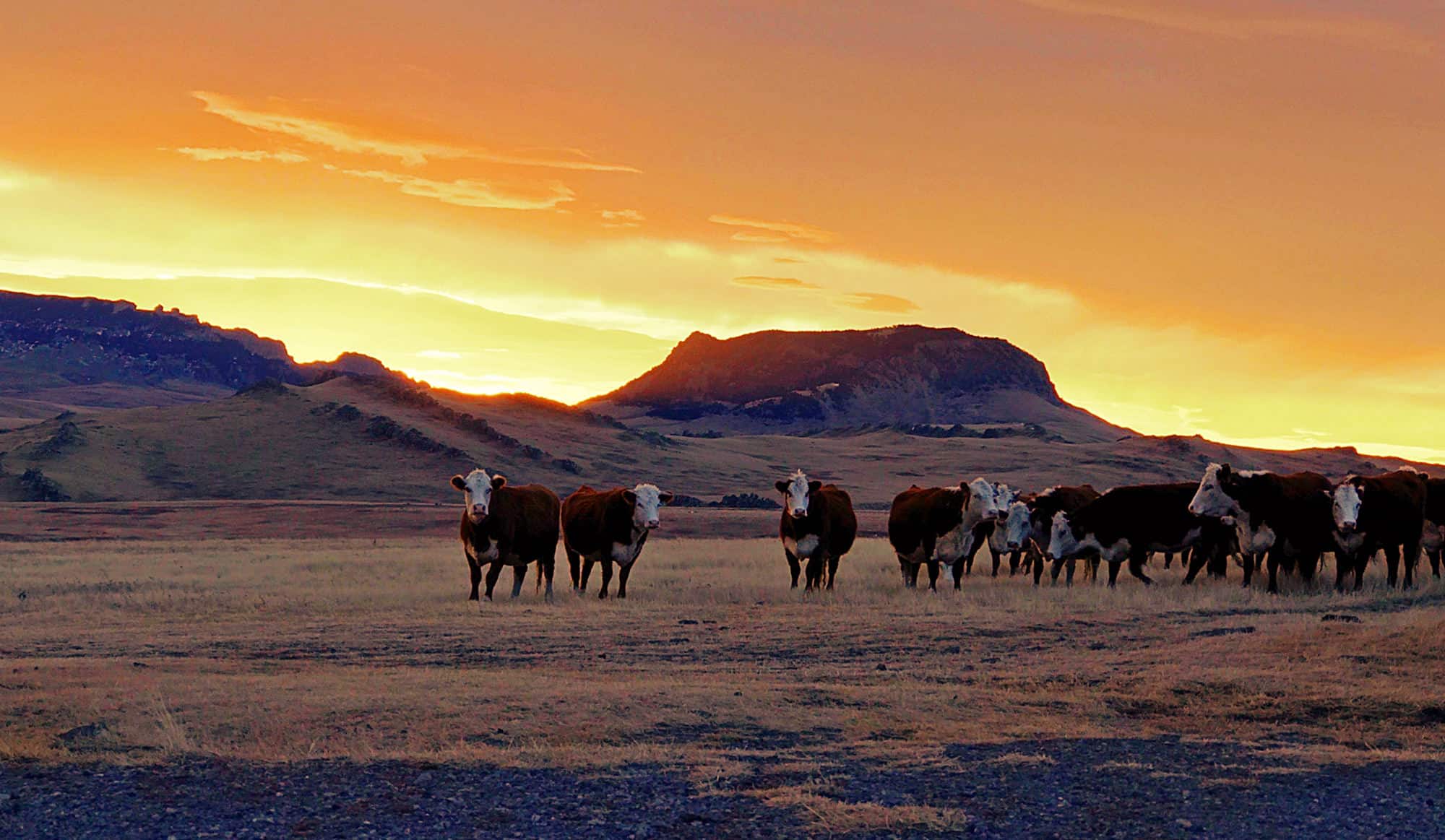
Beef cattle operations in the Northern Rockies face a unique paradox in vitamin D management. While high altitude provides exceptional UV radiation intensity and summer conditions enable efficient natural synthesis, harsh winters pose significant challenges. Cattle confined to dry lots for four to six months, insulated by thick winter coats, and calving during the darkest months are at risk of vitamin D deficiency.
REGIONAL CHARACTERISTICS

The Northern Rockies are characterized by high altitude, with common grazing elevations ranging from 4,000 to over 8,000 feet — creating both unique opportunities and challenges for high altitude cattle ranching nutrition. This elevation results in intense UV radiation, increasing approximately 4% for every 1,000 feet of elevation gain. The region experiences cold, snowy winters with subzero temperatures, short but intense summers, and low humidity, with pronounced seasonal variation in daylight hours and generally clear skies.
UV and sunlight patterns follow distinct seasonal rhythms. Summer months bring excellent UV exposure with 15 to 16 hours of daylight. Fall provides good UV exposure with moderate temperatures. Winter brings weak UV angles, though snow reflection can significantly increase UV exposure. Spring sees improving UV conditions, though cattle remain in heavy winter coats during the early part of this period.
VITAMIN D CONSIDERATIONS FOR HIGH ALTITUDE CATTLE RANCHING
The Northern Rockies offer several advantages for vitamin D production. UV intensity is significantly higher than lowland areas at the same latitude, clear skies mean less cloud interference, and snow reflection can increase UV exposure by 80–85%. Sun-cured hay vitamin D content is another key advantage, as traditional mountain hay-based feeding systems provide an excellent dietary source when managed properly.
However, ranchers face significant challenges with cattle vitamin D deficiency in the Northern Rockies. Winter cattle feeding and vitamin D management is particularly demanding, with many operations confining cattle in corrals or drylots for four to six months. Thick winter coats block most UV radiation from reaching the skin, and even with altitude compensation, the solar angle remains low at latitudes of 45 to 48 degrees north. These factors make vitamin D supplementation for beef cattle an important consideration, particularly for spring-born calves facing rapid growth demands and high vitamin D requirements during critical developmental periods.
SEASONAL MANAGEMENT STRATEGIES
Summer Grazing Season
During the summer grazing season, which typically runs from May or June through October, cattle are turned out to summer range on Forest Service allotments, BLM land, or private mountain pastures. Elevation ranges typically span from 6,000 to 10,000 feet, and cattle have continuous outdoor access for four to six months. This period provides excellent UV exposure at high altitude, and cattle naturally regulate their own exposure to sun and shade throughout the day. Their shorter summer coats allow greater penetration of UV radiation into the skin than winter coats do. Fresh growing forage provides some vitamin D, though the key benefit of this season is that cattle build vitamin D stores in their bodies that will help sustain them through the winter months.
Management during summer focuses on ensuring adequate shade in low-elevation pastures, although trees are usually sufficient at higher elevations. Water access becomes critical because cattle require substantially more water in hot climates. Salt and mineral supplementation should include vitamin D, with particular attention to lactating cows with high nutrient demands, growing calves that need it for bone development, and bulls that require it for fertility. Typical supplementation provides 1,000 to 1,500 IU per head per day in the mineral mix.
For specific summer recommendations, ranchers should provide free-choice mineral containing 2,000 to 3,000 IU of vitamin D per pound of mineral. If cattle consume three to four ounces of minerals daily, they receive adequate supplementation. At higher-elevation pastures above 8,000 feet, the UV is so intense that vitamin D synthesis occurs more efficiently. Ranchers should also monitor for sunburn on pink-nosed cattle, though this is rare.
Fall Transition
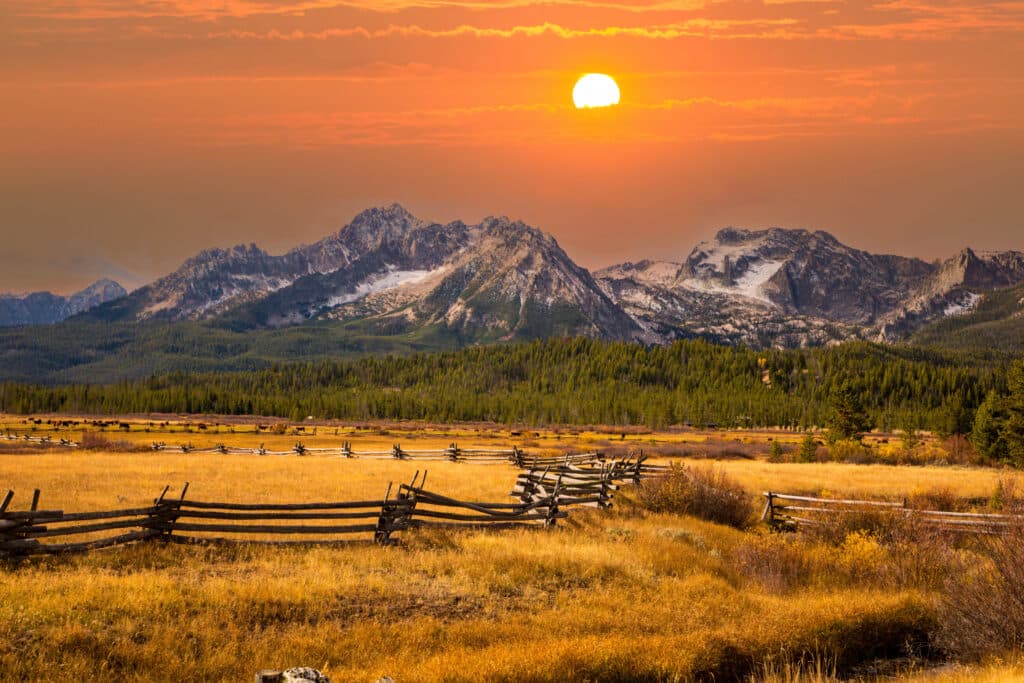
The fall transition period, from October to November, involves gathering cattle from the summer range. Weaning often occurs during this time, and cattle may graze lower-elevation pastures or crop aftermath as they transition to winter feeding. UV exposure remains good during fall, though cattle begin growing their winter coats and daylight hours decrease. Weather conditions are often ideal, being neither too hot nor too cold.
Management focus during the fall includes taking advantage of this excellent time for high-quality sun-cured hay harvest if doing second or third cuttings. Mineral supplementation should continue, and calves should be weaned onto creep feeds with adequate vitamin D, which is especially important for backgrounding operations. Maintaining good body condition in cattle during winter is essential.
Winter Feeding Season
The winter feeding season, lasting from December through April or May, is the critical period for vitamin D supplementation. Cattle spend time in drylots, corrals, or windbreak areas, where they are primarily fed hay and sometimes supplemental grain or protein. This period lasts 120 to 180 days, depending on elevation and snow conditions, and while cattle may have access to small paddocks, grazing is limited.
Even with the advantages of high altitude and snow reflection, vitamin D synthesis during winter is severely limited. Thick winter coats block most UV radiation from reaching the skin. The low sun angle reduces UVB availability, and shorter days provide only eight to nine hours of daylight. Cattle behavior also reduces exposure, as they often bed down or stand with their backs to the sun to create windbreaks. To compound these challenges, stored hay loses vitamin D over time, with approximately 50% of the vitamin lost within three to four months of storage.
Winter management requires careful attention to several factors. For feed quality, the best option is first-cutting mountain hay cured in full sun during June or July. This hay can contain 1,000 to 4,000 IU of vitamin D per pound and provides substantial dietary vitamin D. However, by January or February, stored hay may have lost 50% or more of its original vitamin D content. Later cuttings often contain less vitamin D than first cuttings, though hay stored in barns retains more vitamin D than hay stored outside.
Direct supplementation becomes essential during winter. Some operations administer injectable vitamin D in late fall, typically giving injections of 1 to 2 million IU that provide coverage for two to three months. This approach is especially valuable for late-pregnant cows. Feed supplements with added vitamin D should target 1,000 to 2,000 IU per head per day, with pregnant cows in their last trimester receiving 2,000 to 3,000 IU per day. Mineral supplementation should continue with free-choice access, and many Northern Rockies ranchers increase the vitamin D concentration in their winter mineral mixes.
Even during winter, maintaining access to sunlight provides benefits beyond vitamin D synthesis. Outdoor access allows cattle to sun themselves when they choose, supports natural behavior and stress reduction, and takes advantage of increased UV reflection from snow-covered ground. The key is avoiding unnecessary confinement in dark barns. Open-front sheds, or windbreaks, allow sun access while still providing essential shelter from harsh weather.
Certain groups of cattle require particular attention during winter. Cows in their last trimester, typically calving between February and May, have the highest vitamin D needs because of fetal skeletal development. The cow’s vitamin D status directly affects calf health at birth, and ranchers should consider injectable supplementation in January for these animals. First-calf heifers need higher supplementation because they are still growing while also developing a calf. Bulls should maintain adequate vitamin D levels for the spring breeding season, as it affects both fertility and semen quality.
Spring Calving Season
The spring calving season, from February through May, sees calving in corrals or smaller pastures under close monitoring. Winter feeding continues in early spring, with a gradual transition back to pasture as conditions allow. UV intensity increases during this period, though cattle remain in heavy winter coats through March and April. Newborn calves have limited vitamin D reserves, but by May, conditions improve rapidly.
Management focus during calving centers on the newborn calves, who receive their initial vitamin D from colostrum and milk. The cow’s vitamin D status directly affects the vitamin D content of her milk, and calves nursing from well-supplemented cows are healthier. Calf starter or creep feeds should contain adequate vitamin D. For the cows themselves, lactation significantly increases vitamin D demands, and supplementation should continue until turnout to good pasture. Ranchers should monitor for weak calf syndrome, which may be associated with vitamin D deficiency in the dam. Weather-related challenges persist, as late-winter storms can limit sun exposure, necessitating maintenance of the supplementation program through April and May.
SPECIFIC HEALTH CONCERNS
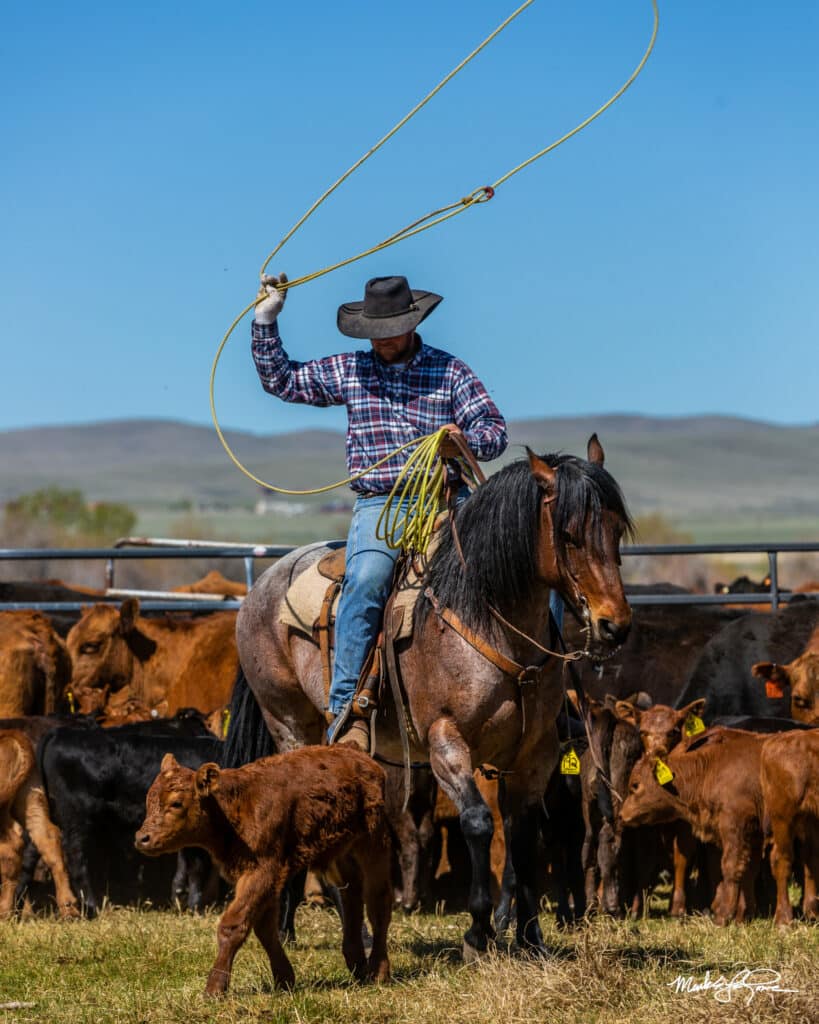
Several health issues associated with vitamin D warrant attention in the Northern Rockies. Rickets in calves can occur in late-winter and early-spring calves if the dam was deficient during late pregnancy, if the calf doesn’t receive adequate colostrum, or during prolonged cold, cloudy weather that limits sun exposure. Signs include bowed legs, enlarged joints, stiff gait, and slow growth. Prevention relies on adequate cow supplementation during pregnancy.
Weak calf syndrome has multiple causes, but vitamin D deficiency can be a contributing factor. This condition appears more commonly in freezing weather with limited sun exposure. Affected calves are born weak, struggle to nurse, and have difficulty standing. Prevention again depends on proper cow supplementation during the last trimester.
Fractures in growing cattle occur more frequently in animals with marginal vitamin D status, particularly when combined with rough handling or icy conditions. Prevention requires adequate supplementation through winter and into spring. While high-altitude disease, specifically brisket disease or right-sided heart failure, is not directly related to vitamin D, overall health status matters. Adequate nutrition, including sufficient vitamin D, supports better adaptation to high-altitude conditions.
PRACTICAL FEEDING PROGRAMS
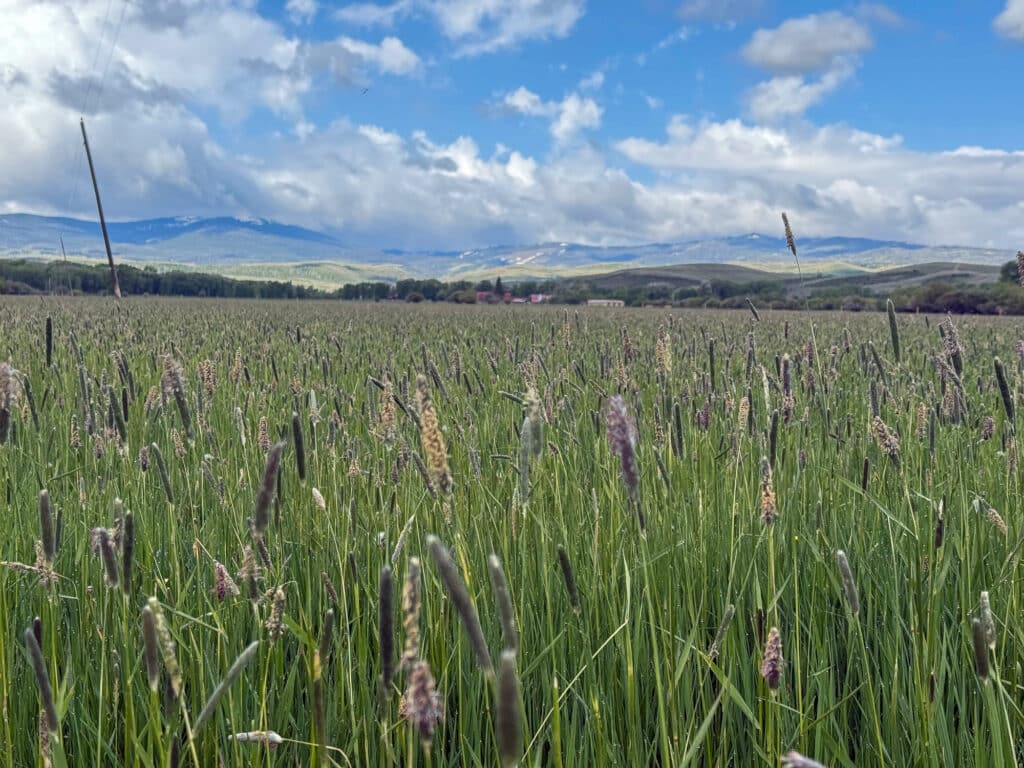
Ranchers can choose from several feeding program options. A heavy hay-based system, traditional in the region, provides pasture and free-choice mineral containing 1,500 IU of vitamin D per day during summer. Winter feeding consists of high-quality sun-cured hay from the first cutting harvested in June or July, protein supplements such as 20% cubes containing 3,000 IU of vitamin D per pound and fed at two to three pounds per head per day for a total of 6,000 to 9,000 IU daily, and free-choice mineral with elevated vitamin D. This approach offers the advantage of minimal cost. It uses regional forages, though hay quality can be variable and requires access to good first-cutting hay.
An injectable supplementation program provides pasture plus standard minerals during summer; injectable vitamin D at 1-2 million IU in November during fall; good hay plus standard protein and minerals during winter; and a second injection in February for pregnant cows, if needed, during spring. This approach ensures adequate vitamin D levels and is relatively simple, though it requires handling cattle for injections, involves injection costs, and demands careful timing.
A fortified concentrate program offers pasture plus mineral during summer, then during winter provides hay plus daily concentrate feed in the form of a grain and protein blend fortified with 2,000 to 3,000 IU of vitamin D per pound and fed at three to five pounds per day for a total of 6,000 to 15,000 IU daily. This system provides precise control and is well-suited to higher-value cattle, though it entails higher costs and requires daily feeding labor.
The most common approach combines multiple strategies. This combination provides pasture plus mineral with vitamin D during summer, optional injectable vitamin D for pregnant cows in November during fall, and during winter offers sun-cured hay, protein supplement with vitamin D fed at two to three pounds per day, and free-choice mineral with elevated vitamin D. This multi-source approach provides insurance through redundancy. Supplementation continues through spring until turnout to green grass.
REGIONAL BEST PRACTICES
Successful Northern Rockies ranchers follow several key practices. They make excellent first-cutting hay in June, cutting when the weather forecast shows clear conditions for three to five days ahead. Full-sun curing maximizes vitamin D content, and they store this premium hay in covered sheds to preserve quality, reserving it for late-pregnant and lactating cows, who have the highest vitamin D needs.
These ranchers use elevation to their advantage. Summer grazing on high-altitude pastures provides excellent UV exposure, allowing cattle to build vitamin D stores during the warm months. These stores help carry the animals through early winter when synthesis becomes difficult. Strategic supplementation is another hallmark of successful operations. Experienced ranchers don’t skimp on winter minerals and protein supplements, paying extra attention to pregnant cows in their last trimester. They administer injectable vitamin D to cows due to calving during the coldest months of January and February.
Close monitoring of cattle health is essential. Successful ranchers watch for stiffness or lameness in calves, track calf vigor at birth, note any fractures or skeletal problems, and adjust their program if they see signs of deficiency. They work with local nutrition experts, including university extension specialists from Montana State University, the University of Idaho, and the University of Wyoming; feed company nutritionists familiar with regional challenges; and local veterinarians who observe patterns across multiple operations.
Testing hay for nutrient content, including vitamin D when available, helps ranchers determine whether they need additional supplementation. This testing is beneficial for hay stored for six months or longer.
COST-BENEFIT ANALYSIS
The economics of vitamin D supplementation strongly favor prevention. Injectable vitamin D costs $2–$5 per head per year. Fortified minerals add 50 cents to $1 per person per month in additional cost. A fortified protein supplement costs an extra $1–$3 per head per month. The total additional cost of a comprehensive supplementation program ranges from $10 to $30 per head per year.
By contrast, the costs of deficiency are substantial. Weak calves result in losses of $200 to $500 per calf due to mortality or poor performance. Fractures in growing cattle cost $300 to $800 per animal in losses. Low growth rates reduce revenue by $50 to $150 per head due to lost gains. Reproductive problems lead to delayed breeding and lower conception rates. Veterinary treatment for deficiency-related issues costs $50 to $200 per animal, or more. The potential losses from vitamin D deficiency far exceed the costs of proper supplementation.
SPECIFIC RECOMMENDATIONS BY OPERATION TYPE
For commercial cow-calf operations, ranchers should provide free-choice mineral year-round with a minimum of 2,000 IU of vitamin D per pound of mineral. During winter, they should be fed protein supplements at 2 to 3 pounds per day, containing 2,000 to 3,000 IU of vitamin D per pound. They should consider injectable vitamin D for cows in their last trimester during the coldest months. Making and preserving high-quality first-cutting hay for winter feeding is essential, as is maintaining outdoor access year-round through open-front sheds or windbreaks. Monitoring calf health at birth for signs of deficiency allows for rapid adjustment of the program.
For feedlot and backgrounding operations, rations should include 1,500 to 2,500 IU per head per day. Growing cattle have particularly high demands for skeletal development. Operators should monitor for lameness or stiffness and ensure adequate calcium and phosphorus in the diet, as these minerals work synergistically with vitamin D.
For seedstock and registered herds, the higher value of animals justifies more intensive supplementation. Injectable programs for pregnant cows are standard practice in these operations. Careful monitoring of calf skeletal development is essential, and premium nutrition programs should be maintained year-round.
WORKING WITH YOUR VETERINARIAN
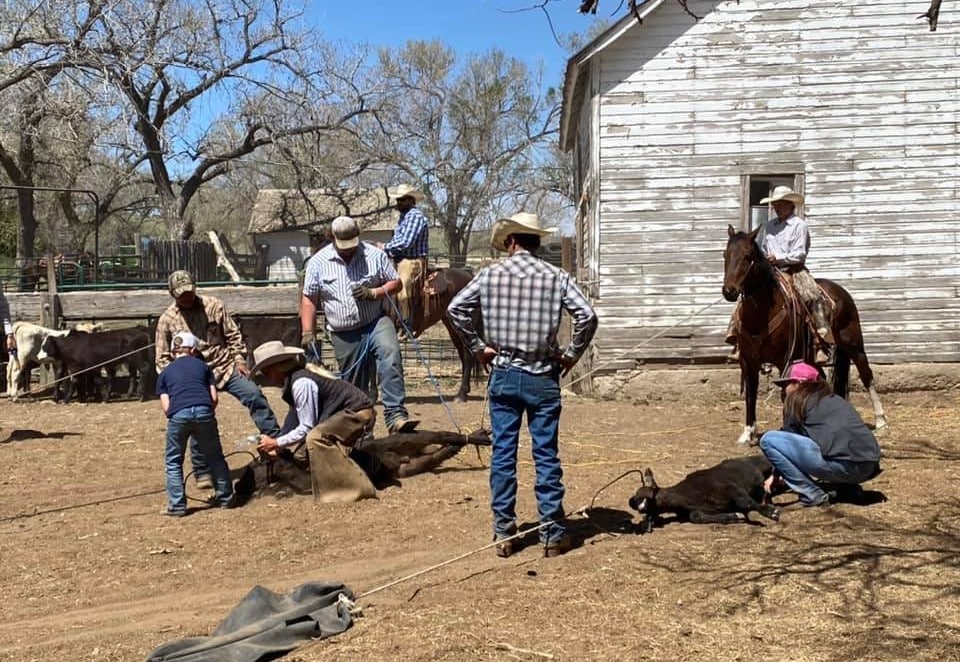
Productive discussions with veterinarians should cover several topics. Blood testing for vitamin D status using the 25-hydroxyvitamin D test can establish baseline levels. Injectable supplementation protocols and timing should be tailored to the specific operation. Veterinarians can educate ranchers about signs of deficiency to watch for and share regional patterns observed across multiple operations. Integration with the overall health program, including vaccinations and parasite control, ensures a comprehensive approach to herd health.
Testing becomes particularly important under certain circumstances. If skeletal problems appear in calves, if calf vigor at birth is poor, if fractures occur in growing cattle, or before implementing an expensive supplementation program, blood testing can assess vitamin D status and guide management decisions.
CONCLUSION
The Northern Rockies present both advantages and challenges for maintaining adequate vitamin D in beef cattle. The benefits include high-altitude UV intensity, clear skies, traditional hay-based feeding systems, and excellent summer grazing that provides intense UV exposure. The challenges include long, cold winters that require cattle confinement, thick winter coats that block UV radiation, extended feeding seasons, and calving during months with low UV availability.
The best approach combines multiple strategies. Ranchers should make excellent summer hay in full sun, provide year-round mineral supplementation, offer winter protein supplements fortified with vitamin D, use strategic injectable supplementation for high-value or high-risk cattle such as pregnant cows, maintain outdoor access even during winter, and monitor cattle health to adjust the program as needed. The relatively small investment in vitamin D supplementation during the four to six-month winter-feeding period provides excellent returns in calf health, growth rates, and overall herd performance, making it one of the most cost-effective management practices available to Northern Rockies cattle producers.
Find Your Ideal Northern Rockies Ranch
From high-altitude summer pastures to protected winter feeding areas, we specialize in ranch properties designed for successful cattle operations in this unique region.
Please reach out to us today to explore available ranch listings.