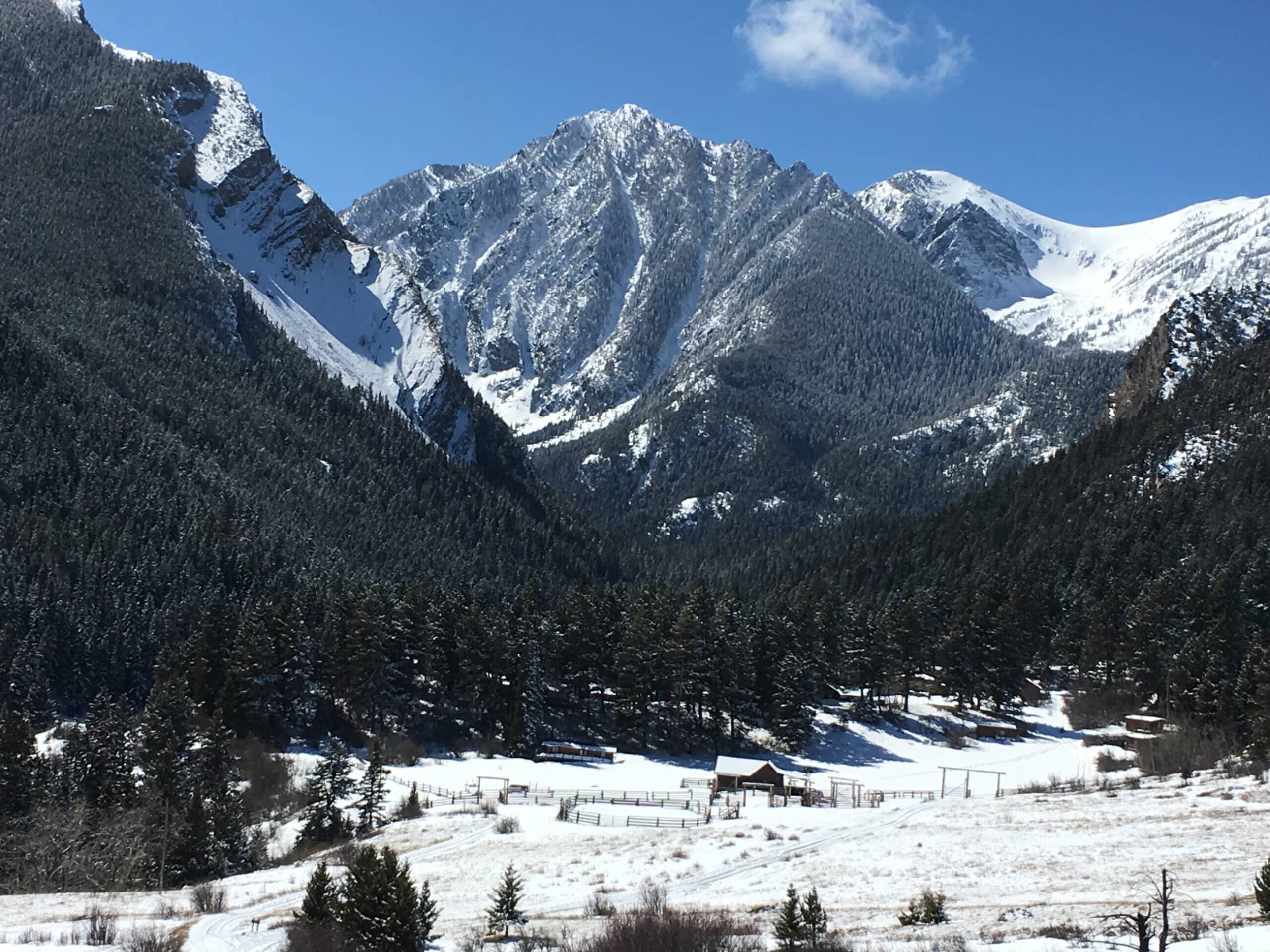
Winter in the Northern Rockies brings predators and livestock into direct conflict. As snow drives elk and deer to lower elevations, wolves, mountain lions, and coyotes follow, converging on ranches where cattle are concentrated at feeding sites and entering calving season. This seasonal pressure point forces ranchers to employ multiple strategies simultaneously, balancing prevention and control while navigating complex regulations and economic realities.
Predators Of Concern
Wolves
Montana and Wyoming have established wolf populations that were delisted from the Endangered Species Act in most areas, while Utah has occasional dispersers but no established packs. Winter presents unique challenges, as wolves follow elk herds down from the high country onto private ranchland, where cattle are concentrated for winter feeding. Pack hunting behavior makes them particularly effective against vulnerable calving operations, and deep snow pushes both wolves and their prey into valley bottoms where ranches operate. Ranchers in Montana and Wyoming can shoot wolves caught in the act of attacking livestock on private land, and compensation programs exist. However, they often don’t cover the full market value or indirect losses.
Mountain Lions
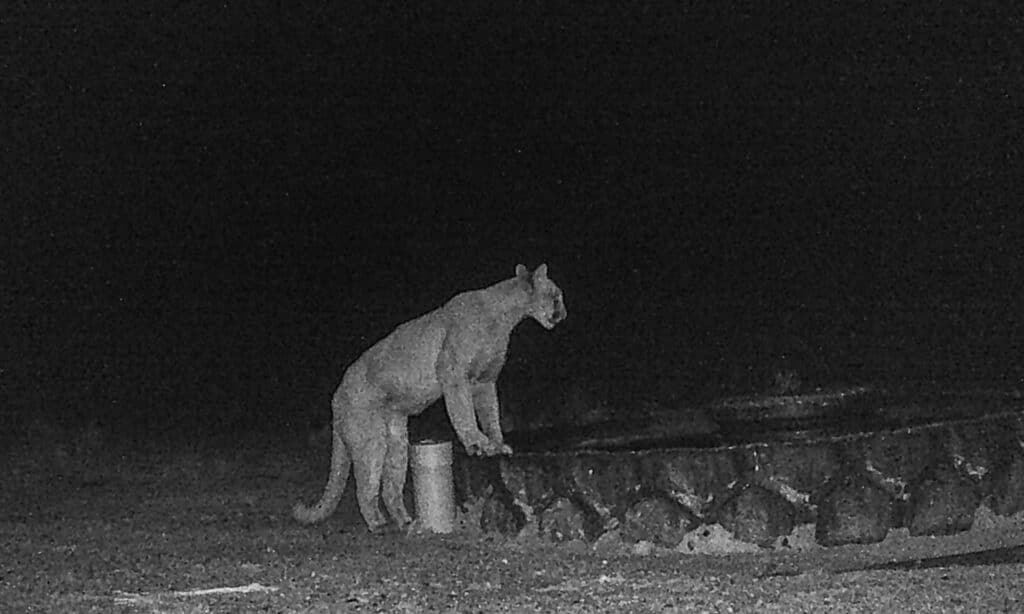
Mountain lions are present in western states with winter-specific concerns. Lions follow deer and elk migrations to lower elevations, increasing ranch encounters during the season when ranchers are most vulnerable. Calving season coincides with when lions are hunting most actively, and they can take down full-grown cattle, not just calves. Lion kills are harder to detect than wolf kills since they often cache and return to carcasses over several days. Hunting pressure and hound hunting help manage populations in some areas.
Coyotes
Coyotes represent the most widespread and persistent issue across all western states. They’re highly adaptable and resilient to control efforts, serving as the primary threat to newborn calves and sheep operations. Winter concentrations around feeding areas create predictable opportunities for coyotes to prey on livestock. Multiple control methods are used, including shooting, trapping, aerial gunning, and guard animals. While coyotes are a year-round presence, winter feeding operations make livestock especially vulnerable.
Management Strategies
Ranchers employ both non-lethal and lethal approaches. Non-lethal deterrents include livestock guardian dogs like Great Pyrenees and Anatolian Shepherds, range riders who provide increased human presence, fladry and electrified turbo-fladry systems, calving closer to headquarters with night monitoring, and radio-activated guard boxes that emit lights and sounds. Lethal control methods include USDA Wildlife Services assistance, shoot-on-sight permits where legal, regulated trapping and snaring, aerial gunning for coyotes, and recreational hunting and trapping.
Livestock Guardian Dogs
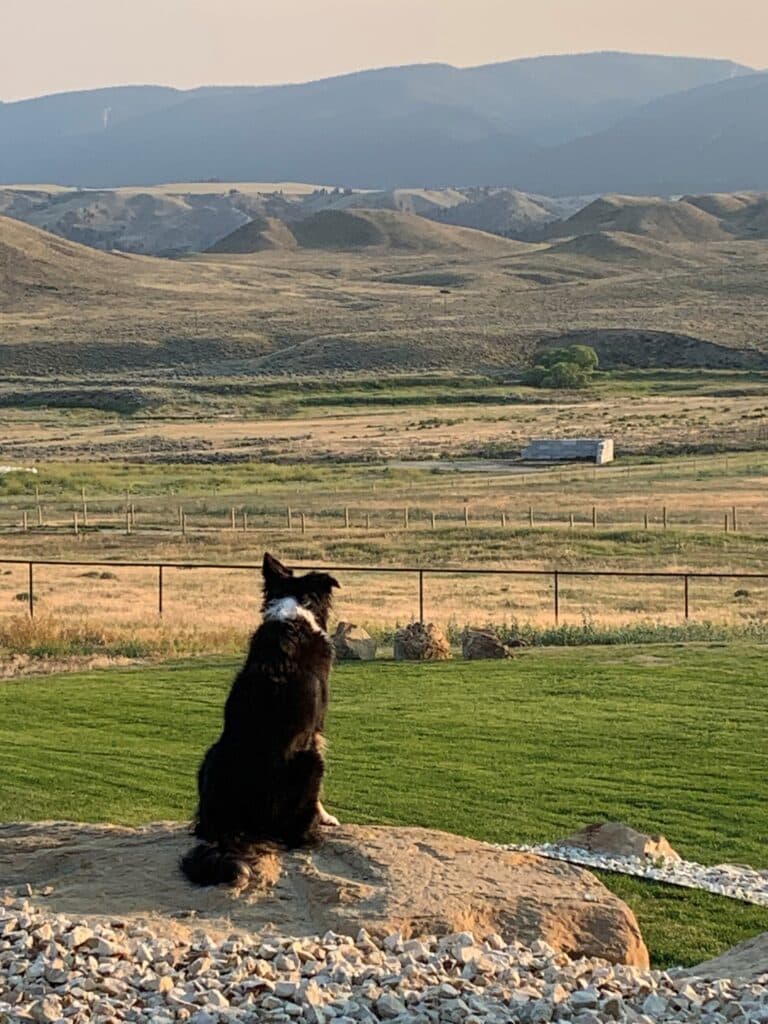
Guardian dogs are perhaps the most effective non-lethal tool available to ranchers. Breeds like Great Pyrenees, Anatolian Shepherds, Akbash, and Maremmas are raised with livestock from puppyhood and bond with the herd rather than with humans. These dogs live full-time with cattle or sheep, patrolling the perimeter and confronting predators. In winter, when livestock are concentrated in feeding areas, guardian dogs can be particularly effective because they protect a smaller, more defined space. Successful programs typically use multiple dogs working together, as pairs or small packs are more effective against wolves and mountain lions than single dogs. Dogs require minimal training beyond early socialization with livestock, though they need regular health checks and adequate food during winter when they’re expending significant energy in cold conditions.
Strategic Calving Timing and Location
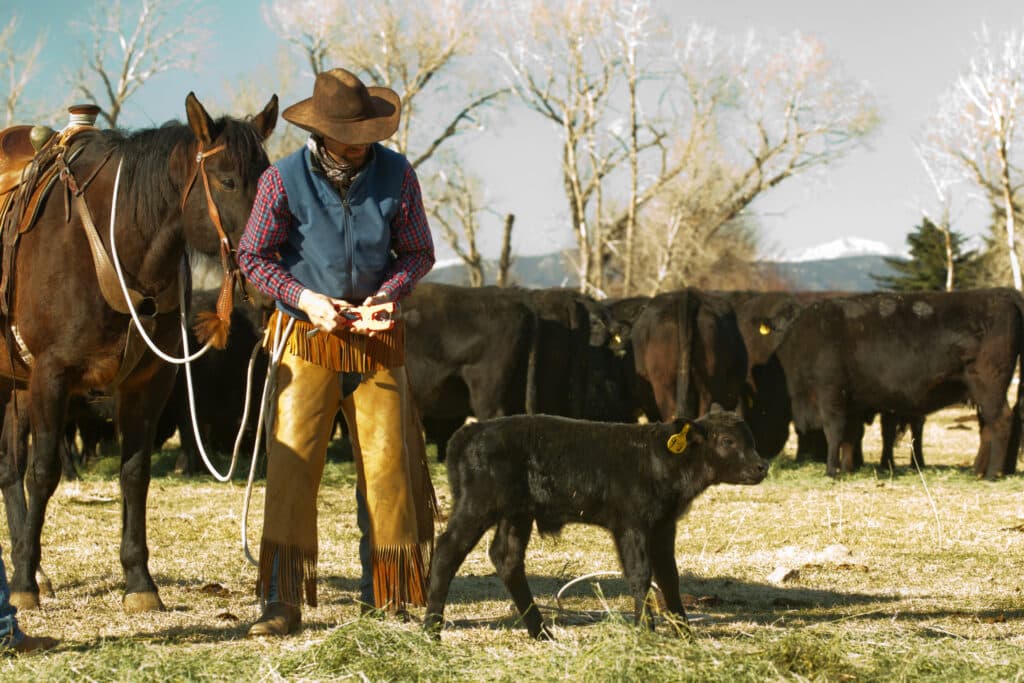
Many ranchers have shifted calving schedules or locations to reduce predation risk. Calving closer to the ranch headquarters, where human activity is constant, provides natural deterrence. Some operations have moved calving barns or designated calving pastures to areas with better visibility and access, allowing for frequent checks, especially during night hours when predators are most active. Winter calving, while presenting cold-stress challenges, can sometimes reduce predation compared to spring calving, when predators are feeding young and are more aggressive. However, this varies by location and predator pressure. The key is intensive monitoring during the calving window, with ranchers or hired help checking cows every few hours around the clock.
Range Riders and Human Presence
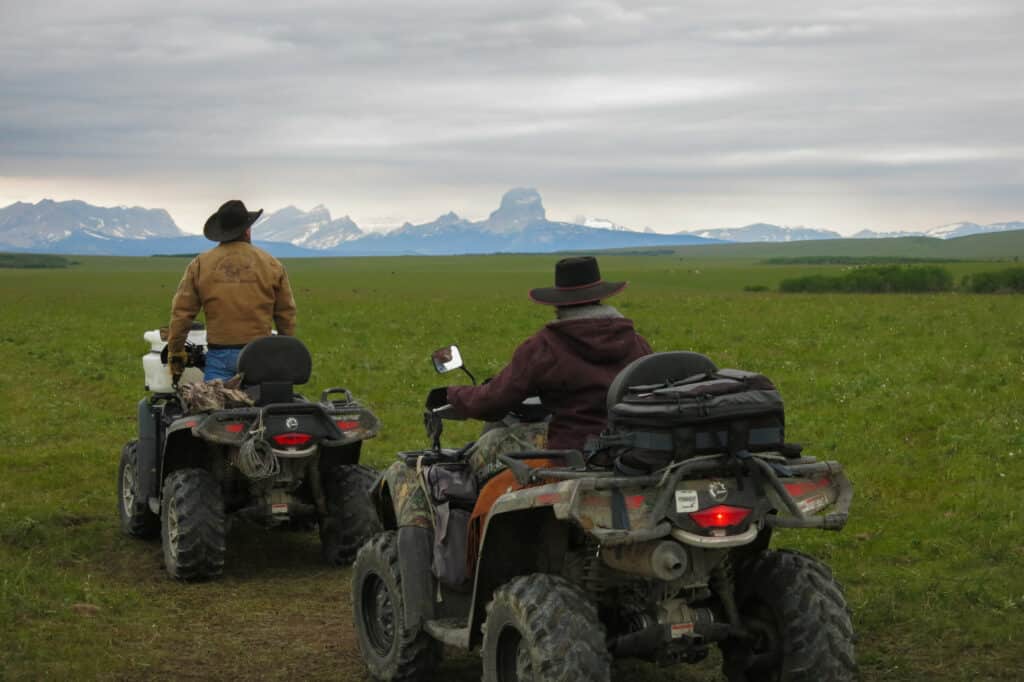
Increased human presence is one of the oldest and most reliable deterrents. Range riders patrol pastures on horseback or ATV, checking livestock and looking for signs of predator activity. Their presence alone disrupts predator behavior and patterns. In winter, when cattle are concentrated at feeding sites, strategic timing of feeding operations can provide this deterrent effect. Some ranchers deliberately feed at varying times and locations to keep predators uncertain and prevent them from establishing patterns. The human scent, noise from vehicles and equipment, and visual presence all contribute to making an area less attractive to predators.
Fencing and Barriers
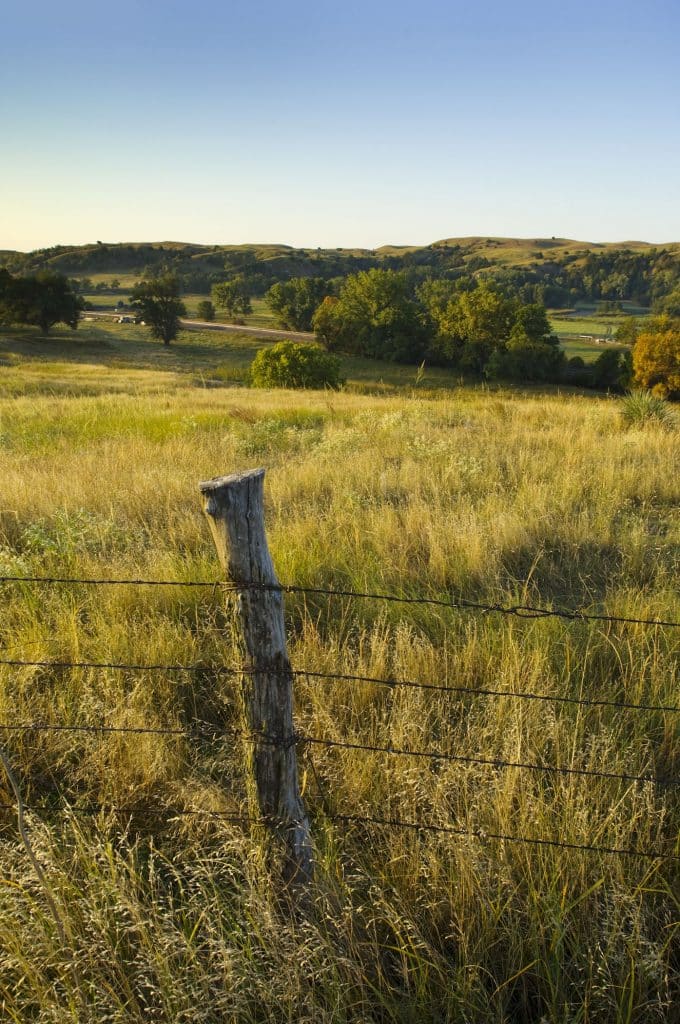
While traditional barbed wire fencing does little to stop predators, specialized fencing systems can be effective. Fladry, which consists of rope or wire hung with flagging that moves in the wind, creates a psychological barrier particularly effective against wolves. Turbo-fladry adds an electric charge to this system. These installations are most practical in winter feeding areas where livestock are confined to smaller spaces. Electric fencing with multiple strands at appropriate heights can deter coyotes and sometimes mountain lions, though wolves may still cross if sufficiently motivated. The challenge in winter is maintaining these systems when snow accumulates, and temperatures affect battery performance.
Carcass Management
Removing dead livestock promptly is critical to avoid attracting predators and establishing feeding patterns. In winter, when access is difficult and the ground is frozen, making burial impossible, many ranchers use designated carcass pits away from livestock areas or arrange for rendering service pickup. Leaving carcasses near livestock concentrations essentially trains predators to associate cattle with food and creates an ongoing attractant. Some ranchers strategically place carcass disposal sites in locations where they can monitor predator activity and conduct control efforts.
Light and Sound Deterrents
Various devices use lights, sounds, or both to deter predators. Radio-Activated Guard (RAG) boxes are motion-activated systems that emit loud sounds and flashing lights when triggered. Propane cannons, sirens, and strobe lights are also used. The limitation is that predators, especially coyotes, often habituate to these deterrents over time. Rotating different deterrent types and locations can extend their effectiveness. Some ranchers report success with randomly timed systems that prevent predators from learning predictable patterns. In winter’s long nights, light-based deterrents may have added psychological impact.
Lethal Control – Shooting
Direct shooting of predators requires skill, time, and often specialized equipment. Ranchers may patrol at dawn and dusk when predators are most active, using high-powered rifles and optics. Thermal and night-vision equipment has become more affordable, enabling nighttime operations. Calling techniques, whether electronic or manual, that mimic prey distress or predator vocalizations can bring animals within range. Winter offers some advantages for shooting: tracks in snow reveal predator presence and patterns, and reduced vegetation provides better visibility. However, the work is demanding in harsh conditions, and success rates vary significantly based on terrain and predator wariness.
Trapping and Snaring
Trapping requires significant expertise and is regulated differently across all states. Foothold traps, cage traps, and snares are used depending on the target species and local regulations. Winter trapping can be productive because predators are more food-motivated, and their tracks in snow reveal travel routes for trap placement. Snow can also help conceal traps. However, extreme cold affects trap function, and checking trap lines in winter conditions is physically demanding. Many ranchers work with professional trappers or USDA Wildlife Services personnel who have specialized training. Traps must be carefully placed to avoid catching non-target species, including pets and wildlife.
Aerial Operations
Aerial gunning from helicopters is primarily used for coyote control and requires coordination with licensed aerial gunners or the USDA Wildlife Services. This method is expensive but can be highly effective for removing multiple animals quickly from large areas. Winter is often the preferred season for aerial operations because snow makes coyotes visible and tracks reveal their presence and concentration. Fixed-wing aircraft spotting can help identify problem areas before committing to helicopter time. This technique is generally not used for wolves because of their protected or managed status in most areas and is impractical for mountain lions, which are solitary and use heavy cover.
Guard Animals Beyond Dogs
  |
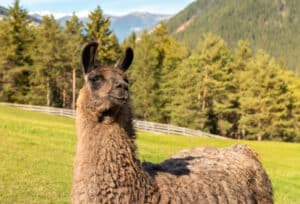 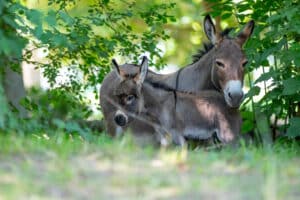 |
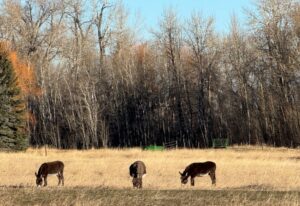
Some ranchers experiment with other guardian species. Llamas and donkeys can be effective against coyotes, as both are naturally territorial and aggressive toward canines. A single llama or donkey integrated with a cattle herd will often chase and kick coyotes. However, they’re generally ineffective against wolves and mountain lions. These animals require less intensive care than guardian dogs, but also provide less active protection. They work best in smaller pastures or with sheep and goat operations rather than large cattle spreads.
Coordination with Wildlife Services
USDA Wildlife Services provides technical assistance and direct control services in all three states. Ranchers experiencing confirmed predation can request assistance, which may include investigation of kills to confirm predator species, placement of traps or snares, aerial operations, or other control measures. Building a relationship with local Wildlife Services personnel before problems occur helps ensure a rapid response. Documentation of losses through photos, GPS coordinates, and timely reporting is essential for both Wildlife Services assistance and any compensation claims.
Predator – Specific Adaptations
Different predators require different emphasis. For coyotes, the focus is on protecting vulnerable newborns and using guardian dogs or other deterrents at calving grounds. For mountain lions, removing dense brush near livestock areas reduces ambush opportunities, and rapid response to kills prevents the lion from establishing a feeding pattern on livestock. For wolves, the emphasis shifts to pack deterrence through multiple guardian dogs, increased human presence, and, in some cases, removal of problem individuals through agency assistance or shoot-on-sight authority where legal.
Integration and Adaptation
The most successful ranchers use multiple techniques simultaneously rather than relying on any single method. They continuously adapt based on what’s working, remain vigilant for signs of predator activity, and respond quickly when problems emerge. Winter demands particular attention because livestock vulnerability coincides with predator food scarcity and behavioral patterns that bring them into closer contact with ranch operations. Record-keeping helps identify patterns and effective responses over multiple seasons.
Other Considerations
Regulatory Landscape
The regulatory environment varies significantly. Wolf management authority differs between state-managed programs in Montana and Wyoming versus federal oversight in some areas. Livestock loss compensation programs vary by state, and grazing on public lands is subject to additional federal regulations. The ongoing threat of ESA relisting creates persistent uncertainty for ranchers.
Economic Impact
The financial toll extends beyond direct losses from confirmed kills to include indirect losses such as stress-induced weight loss in surviving animals, reproduction impacts, and missed breeding cycles. Ranchers also face increased labor and infrastructure costs along with complex insurance and compensation issues.
Controversies
This topic sits at the intersection of multiple tensions: livestock protection versus wildlife conservation, private property rights versus public wildlife management, rural livelihoods versus urban environmental values, and state versus federal authority. These competing interests make winter predator management one of the most contentious aspects of western ranching.
Conclusion
Effective winter predator management requires multiple strategies used simultaneously and adapted to local conditions. No single technique guarantees success, and what works varies by terrain, predator pressure, and ranch operations. As regulations and wildlife populations shift, ranchers must balance practical protection with economic realities. Success means reducing losses to sustainable levels rather than eliminating risk entirely, allowing ranching to remain viable on these demanding landscapes.