
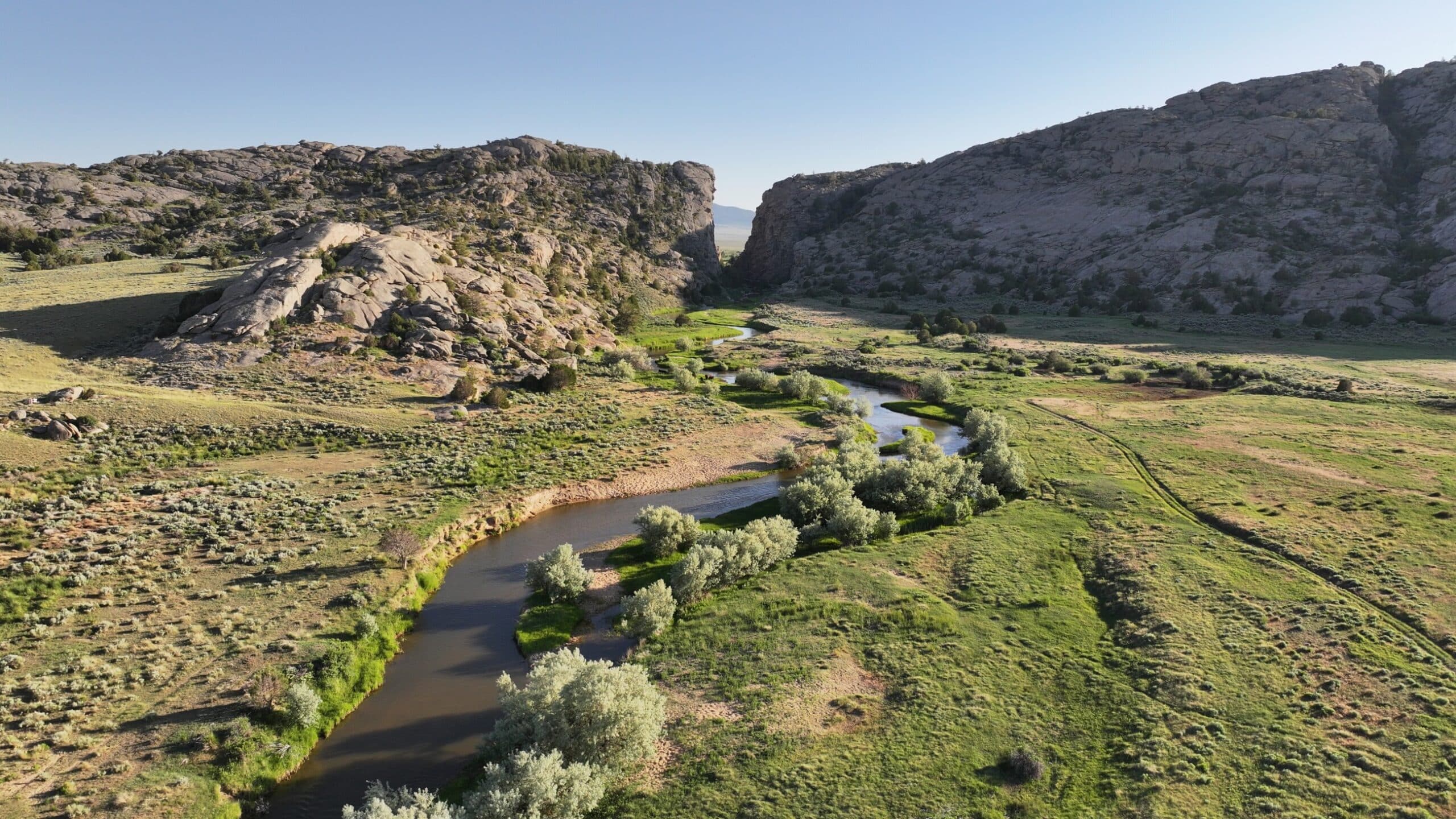
Montana represents one of the last genuine opportunities in America to own substantial private land in a place that remains relatively wild, uncrowded, and connected to agricultural traditions. Here’s why buying a ranch here makes sense for the right person.
Montana Ranch Properties: The Land Itself
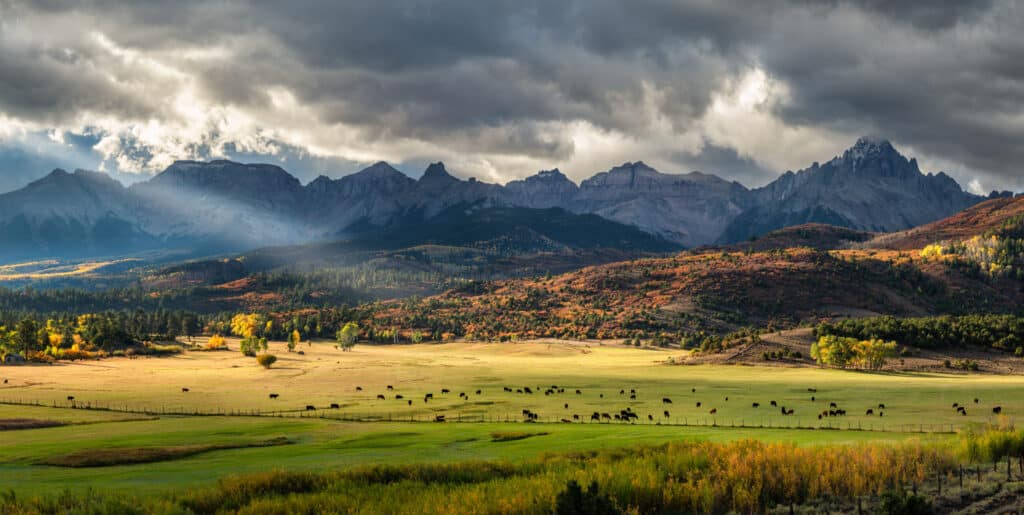
Montana covers roughly 94 million acres and has a population of just over 1 million. This means you can realistically acquire Montana ranch properties measured in hundreds or thousands of acres through land real estate at prices that would be unthinkable in most of the country. A 500-acre Montana ranch for sale might cost what a modest suburban house does in coastal cities, which is why many buyers view western ranches as compelling land investments.
Geography spans an incredible variety. You might find Montana ranch real estate in timbered mountain valleys with year-round creeks, on high prairie grasslands stretching to distant horizons, in foothills where mountains meet plains, or along river corridors lined with cottonwoods. Each landscape offers different opportunities and aesthetic experiences within the broader western ranch real estate market, often represented by experienced land agents and brokers.
What you’re really buying is scale and solitude. The ability to ride or hike for hours without leaving your own land, to make decisions about habitat and wildlife without neighborhood committees, to see the Milky Way without light pollution—these experiences have become rare and valuable in today’s land real estate market.
A Different Way of Living On a Montana Working Ranch
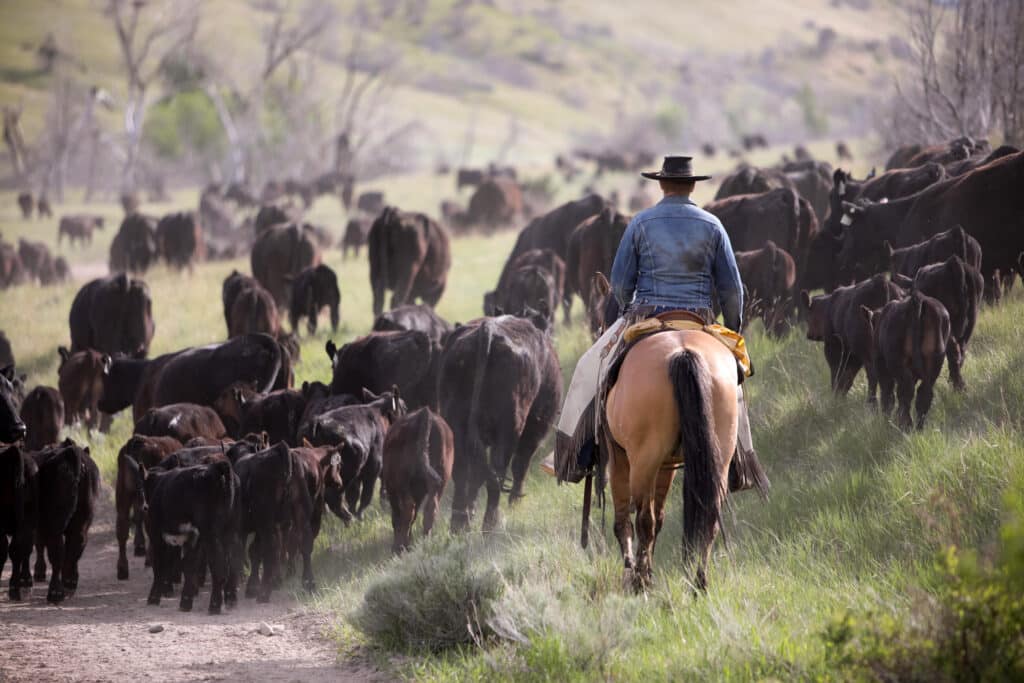
Owning a Montana working ranch means participating in something fundamentally different from modern suburban or urban existence. Your work is directly tied to seasonal patterns, weather, and animal cycles rather than quarterly earnings reports or project deadlines.
Spring brings calving, when you might spend nights checking pregnant cows, pulling difficult births, and ensuring newborns survive late snowstorms. Summer means moving cattle between pastures, irrigating hay fields, and preparing for harvest. Fall brings weaning, shipping cattle to market, and often hunting season. Winter requires daily feeding, breaking ice on water tanks, and maintaining equipment for the next cycle.
This isn’t romantic; it’s genuinely hard physical work in difficult conditions. But many people find it deeply satisfying in ways that abstract modern work rarely achieves. You see direct results from your efforts. You solve concrete problems. You work with animals and land rather than spreadsheets and emails.
The recreation becomes almost incidental. You’re living in places where others vacation. Your commute might involve watching elk graze in your pasture. Your evening relaxation could be fishing your own private stretch of stream.
The recreation becomes almost incidental. You’re living in places where others vacation. Your commute might involve watching elk graze in your pasture. Your evening relaxation could be fishing your own private stretch of stream.
Economic Considerations: How Much Does a Montana Ranch Cost?
The financial picture for Montana ranches involves several layers:
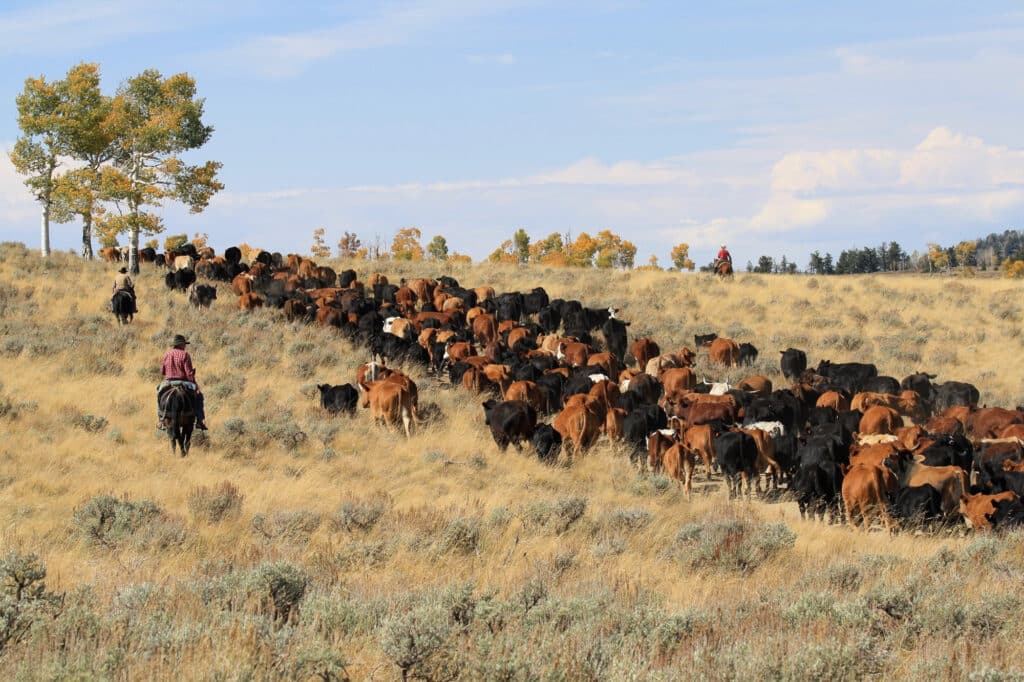
Most Montana cattle ranches for sale don’t generate large profits from agricultural operations alone. Cattle prices fluctuate, input costs continue to rise, and weather introduces significant variability. A drought year can devastate hay production. A harsh winter can increase death loss and feeding costs dramatically.
However, ranches can work economically when you consider the full picture. Montana agricultural land prices typically appreciate, especially in desirable areas. You may qualify for agricultural tax treatment that dramatically reduces property taxes. Income can come from multiple sources—cattle sales, hay production, hunting access fees, conservation payments, or even remote work unrelated to the ranch.
Many successful ranch owners treat the property as a lifestyle investment rather than expecting it to generate returns comparable to financial markets. Montana’s lack of sales tax saves money on everything from trucks to building materials. Montana property taxes on agricultural land remain low compared to residential property, though you must demonstrate legitimate agricultural use.
For wealthy individuals, a Montana ranch conservation easement can provide significant tax deductions while preserving the land’s character. The property becomes a tangible asset to pass to future generations rather than financial instruments that could evaporate.
Montana Hunting Ranches and Fishing Access
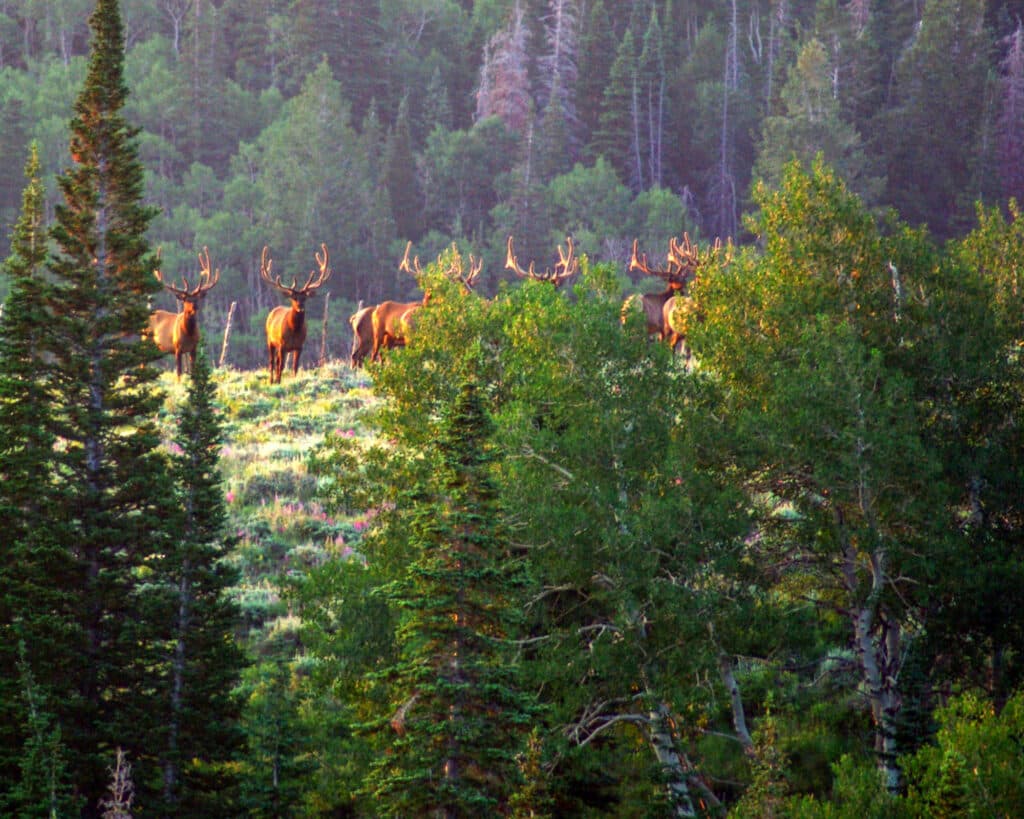
Montana remains one of the premier wildlife states in the lower 48. Depending on your location, you might have elk, mule deer, whitetail deer, antelope, black bears, moose, bighorn sheep, mountain goats, wolves, and numerous bird species on or near your property.
Owning a ranch means controlling access to hunting and fishing. You decide who hunts, when, and how much pressure the land receives. Many ranchers either keep hunting for themselves and their families or carefully manage outfitting operations that generate income while maintaining high-quality experiences.
Montana has over 450 miles of blue-ribbon trout streams, making private fishing access Montana ranch buyers seek increasingly valuable. Some ranch properties include or border famous rivers—the Madison, Yellowstone, Missouri, Gallatin, Bitterroot, and Blackfoot. A Montana ranch with trout stream access has become one of the most sought-after features in the state’s ranch market.
Beyond your property boundaries, you typically have access to millions of acres of public land. National forests, Bureau of Land Management lands, and state lands surround many ranches, effectively extending your recreational opportunities infinitely.
Community and Culture Near Montana Real Estate
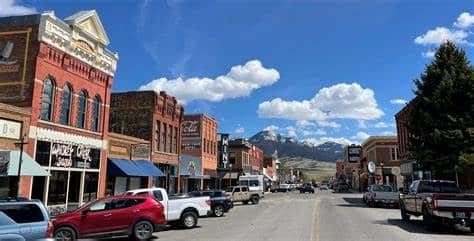
Montana’s rural communities maintain characteristics that have disappeared in much of America. People still help neighbors during emergencies. A rancher with broken equipment during haying season will likely find neighbors showing up with their machinery. Communities rally around families facing medical crises or disasters.
The culture values self-reliance, hard work, and leaving people alone to live as they choose. There’s less regulation, fewer restrictions, and more assumptions that adults can manage their own affairs.
This comes with tradeoffs. Services are limited. Communities can be insular. Newcomers, especially wealthy ones buying trophy ranches, sometimes face resistance from multi-generational ranching families struggling with rising land costs and property taxes driven by outside money. Earning acceptance requires time, humility, and genuine participation in community life.
What Ranch Buyers Need to Know
Buying a ranch in Montana requires confronting some hard truths:
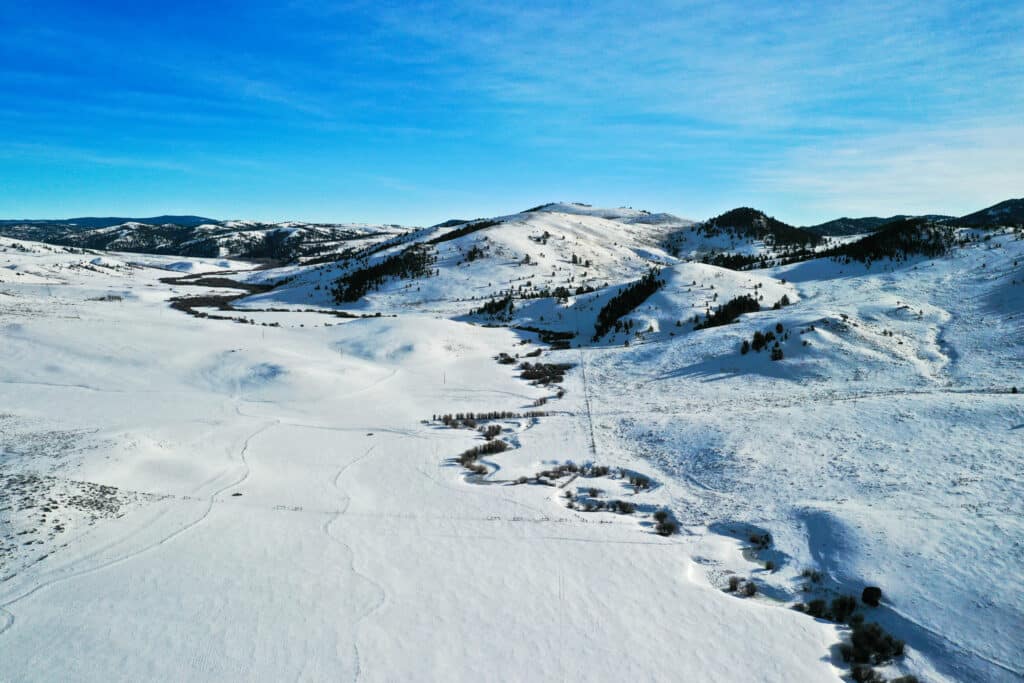
- The climate can be unforgiving at times. Winter temperatures (depending on the year) drop below zero. Wind can be strong. Snow may isolate. Proper equipment, backup systems, and the temperament to handle extended periods of difficult weather is needed.
- Infrastructure lags behind more populated areas. High-speed internet was difficult until recently, though Starlink has changed this for many properties. Cell coverage remains spotty. Power outages happen, especially in winter. You need generators, stored fuel, and contingency plans.
- Water rights in Montana follow the prior appropriation doctrine, which can be complex. You might own land but not have the right to use the water flowing through it for irrigation. Understanding what water rights convey with a property purchase requires expert legal help.
- Maintenance. Fences need attention. Equipment breaks. Buildings require upkeep in challenging conditions. Irrigation systems need seasonal maintenance. Wildlife can intrude on crops and infrastructure.
- Operating a ranch requires genuine skill. You need to understand cattle behavior and health, know when to call a veterinarian versus treating animals yourself, operate and maintain complex equipment, manage grazing to preserve land health, maintain irrigation systems, and make business decisions about marketing cattle and hay.
Montana Ranch Real Estate by Region
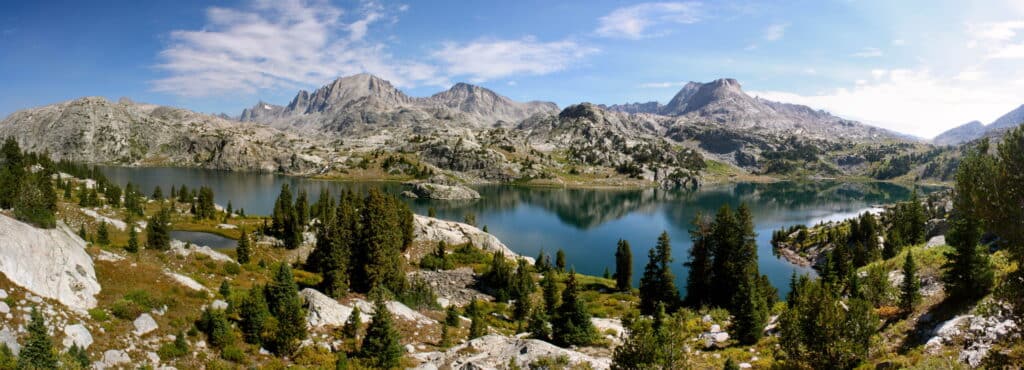
Montana’s ranch markets vary dramatically by location:
- Western Montana, particularly around Bozeman, has seen explosive growth and property appreciation. Proximity to Yellowstone, world-class skiing, a growing tech sector, and stunning scenery have made this region highly competitive. Prices reflect this demand. You’re paying premium rates but getting properties near significant amenities and cultural offerings.
- The Flathead Valley near Glacier National Park attracts a similar group of amenity buyers. Properties here emphasize recreation and scenery over agricultural production in many cases.
- Central Montana offers a middle ground—still scenic with mountain views, more affordable, but further from major towns and airports. Places like the Smith River country,
- Judith Basin, or areas around White Sulphur Springs provide ranch opportunities at lower entry costs.
- Eastern Montana represents the most affordable option. The landscape shifts to prairie and badlands. Properties are larger for the money. It’s more isolated, harsher climatically, but genuine working ranches remain economically viable here. This appeals to people wanting authentic agricultural operations rather than recreational properties.
Each region attracts different buyers with different goals. Understanding what you actually want from ranch ownership helps determine where to look.
Why Now Is the Time to Buy a Ranch in Montana

Several trends make Montana ranch ownership appealing currently:
Remote work has untethered many high-earning professionals from expensive coastal cities. You can now earn Silicon Valley or New York salaries while living on a Montana ranch, fundamentally changing the economics of ranch ownership.
Broader cultural shifts are prompting people to reconsider urban density, seek space and self-sufficiency, and disconnect from increasingly online lives. Montana ranch properties offer tangible, physical engagement with the world.
Montana agricultural land prices remain finite in supply while demand from wealthy buyers continues to grow. Properties that once sold to neighboring ranchers now attract buyers from across the country and internationally. This demand has driven prices up significantly, particularly in western Montana—desirable land in beautiful places will likely continue appreciating.
Is Montana Ranch Real Estate Right For You?
Montana ranch ownership makes sense if you have sufficient capital to buy and operate without depending entirely on agricultural income, genuinely want the lifestyle more than you want convenience, can handle isolation and harsh conditions, and think in generational timeframes about land ownership.
It doesn’t make sense if you’re expecting quick financial returns, need extensive medical or cultural services nearby, can’t tolerate extended periods of difficult weather and hard physical work, or want a passive investment.
People who succeed and find fulfillment in Montana ranch ownership tend to view it as a life change rather than just a real estate transaction. They’re willing to learn, integrate into communities, and accept that ranching involves as much or more hardship as reward.
For some, owning a Montana cattle ranch, hunting ranch, or recreational property can be transformative—providing space, beauty, purpose, and connection to the land and animals that modern life rarely offers. If you’re ready to explore Montana ranch real estate, the right property is waiting.
Your next great ranch is
waiting to be found.
Swan Land Company