

Finding a buyer for western land is not the same challenge as finding a buyer for a home. The pool is smaller, the motivations are more varied, and the timeline is longer. More importantly, the consequences of a mismatch pairing, the wrong buyer with the right property, or failing to reach the right buyer altogether, can mean months of wasted time, a failed closing, or a sale price that falls far short of what the market would have supported with better positioning.
This is where real estate professional guidance transforms a seller’s outcome, not just at the negotiation table, but long before the first offer arrives. In a market defined by scarcity, complexity, and buyers who are sophisticated enough to exploit any gap in a seller’s preparation, the difference between a good sale and a great one almost always comes down to how well the seller and their real estate representative understood the buyer landscape before the property ever went to market.
This blog, which is in three parts, walks through three pillars of attracting and securing the right buyer: knowing your buyer before you market, deploying marketing strategies that go well beyond the MLS, and vetting buyers rigorously to protect your time, your terms, and your closing.
Knowing Your Buyer Before You Market

The most effective ranch land marketing begins not with the listing but with a clear-eyed, honest assessment of the ideal buyer. That assessment requires market knowledge that goes well beyond what any general real estate search can provide. In the western states, the buyer landscape is diverse, and the motivations driving each segment are distinct enough that a single marketing approach will fail to resonate with any of them effectively.
Think of it this way: a listing crafted for a conservation buyer will likely bore or confuse an operational rancher. A presentation built around trophy hunting amenities will miss the mark entirely for a family office seeking a long-term inflation hedge. Before a single photo is taken, before a price is set, and before any platform is chosen, the seller and their real estate representative must agree on who they are trying to reach, and why that buyer, above all others, is the most likely to pay the most for what this specific property offers.
The Western Buyer Landscape
Out-of-state buyers represent a growing and highly consequential segment of the western land market. These buyers typically look for investment properties or family retreats, preferring western locations with mountain views, live water, and proximity to cultural amenities. They often approach the transaction as they would any significant capital allocation decision with advisors, financial models, and a clear thesis about what the land represents in their overall portfolio. For this buyer, the property’s story matters as much as the acreage. They want to understand not just what they are buying, but what owning it will feel like, and what it will be worth in twenty years.
Operational Buyers
 |
 |
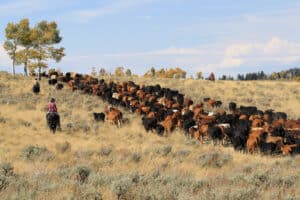 |
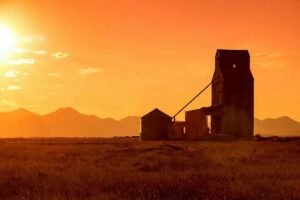
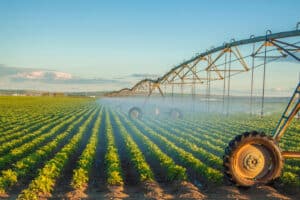
Operational buyers interested in farming or ranching represent the more traditional end of the buyer spectrum. These are individuals or families who intend to work the land, run cattle, manage irrigated cropland, or operate a combination of these. They are more flexible on location than lifestyle buyers, though rising prices in premium regions have made many areas increasingly out of reach for purely operational purposes. For this buyer, the operation’s financials take center stage. They will scrutinize carrying capacity, water rights, lease structures, and infrastructure with a level of detail that lifestyle buyers rarely match. A seller who can demonstrate productive capacity and operational efficiency, with records to back it up, holds a significant advantage in negotiations with this group.
Institutional Investors
Institutional investors and family offices represent a newer but increasingly influential segment of the Western land-buyer pool. These buyers are seeking inflation-resistant hard assets, and western land. Particularly large, well-watered ranches with diversified income streams that fits their investment criteria in ways that other real property rarely can.
Conservation-Minded Buyers
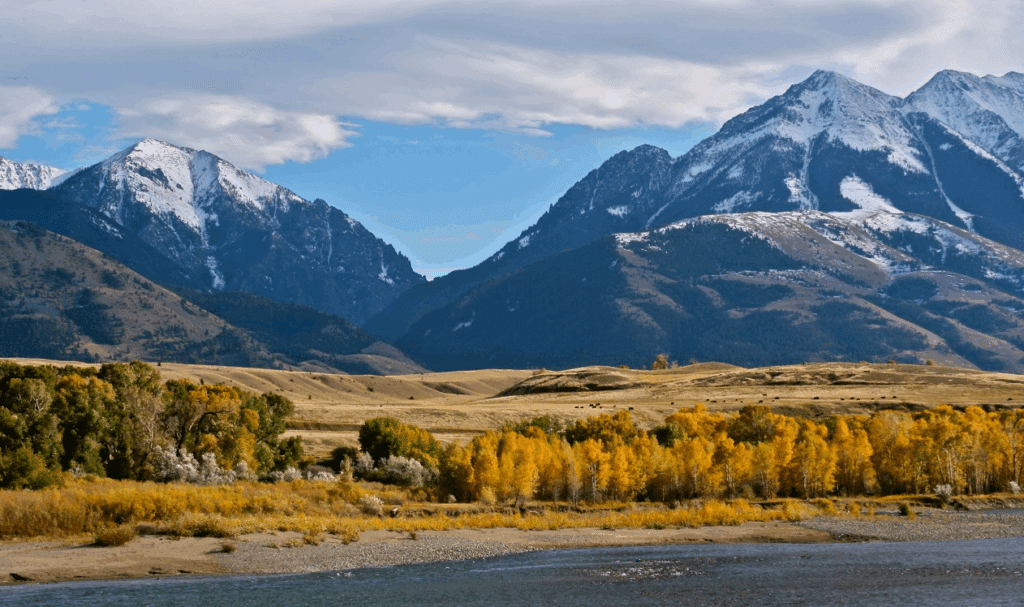
Conservation-minded buyers occupy a distinct but important niche. Some of the larger transactions in the western land market involve buyers whose primary motivation is protecting land from development, preserving habitat, water systems, or agricultural character for generations. These buyers are often mission-driven, well-capitalized, and willing to pay a premium for properties that align with their conservation objectives. In some cases, they are land trusts, conservation organizations, or family foundations working in partnership with private sellers.
Recreational Buyers
 |
 |
 |
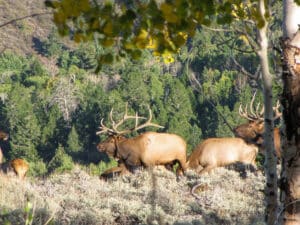
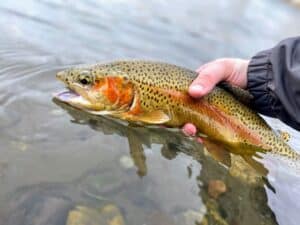
Hunting and fishing enthusiasts represent perhaps the most emotionally driven segment of the western buyer pool. For these buyers, wildlife habitat and water features are not amenities, they are the entire point. A property with exclusive elk hunting, a productive trout fishery, or documented populations of trophy mule deer will attract this segment regardless of whether the infrastructure is modern or the carrying capacity is strong. The seller’s job, with the help of a skilled professional, is to document and present those amenities with the specificity that serious hunting buyers demand.
Legacy Buyers
Legacy buyers are often multi-generational families acquiring land they intend to hold for decades. It’s a combination of the lifestyle buyer and the operational buyer in ways that make them uniquely deliberate. They are not buying for a quick gain or a seasonal retreat. They are buying a place that will become part of their family’s identity. For this buyer, the property’s history and character carry weight alongside its financial attributes. A seller who can convey the story of the land, its history of stewardship, its relationship to the surrounding landscapeand the traditions it has supported will resonate with this buyer in ways that a purely financial presentation never could.
Each of these groups reads a listing differently, weighs different features, and responds to different forms of outreach. The seller who understands this earns more than the seller who does not.
Matching Value Drivers to the Right Buyer
Working ranches are priced on multiple factors: carrying capacity, water rights, infrastructure, management systems, and increasingly, the lifestyle they represent. A ranch that runs five hundred cow-calf pairs on deeded ground with senior water rights is a fundamentally different asset than one that carries a hundred pairs on a mix of deeded and leased land with junior water claims even if the acreage is similar. Understanding which operational attributes are genuinely exceptional and which are merely adequate is essential to pricing the property correctly and marketing it to buyers who will value those attributes most.
Recreational properties are priced on exclusive amenities, game populations, water features, and location relative to population centers, and resort areas command the premiums. A property with ten miles of private trout stream, bordering public land on two sides, and within two hours of a major airport, is worth significantly more than a comparable acreage without those attributes and the premium can be dramatic if the marketing reaches the right buyer at the right time.
Understanding which of these value drivers is most relevant to a specific property and then communicating that value compellingly to the buyers who care most about it — is the foundation of a successful marketing strategy. Once the target buyer profile is established, every other decision flows from it: where to list, how to present the property visually, what documentation to prepare, what story to tell, and what price to set. A seller who skips this foundational step is essentially marketing to everyone and reaches no one particularly well.
An experienced land professional earns a significant part of their value at this stage, before any marketing has taken place. They provide insight into who has been buying comparable properties, what has driven the highest prices in recent transactions, and where the genuine gaps lie between how a seller perceives their property and how the most likely buyer will evaluate it. Closing that gap or leveraging it, is the work of the preparation phase, and it often determines the final sale price more than anything that happens afterward.
Conclusion
Every acre tells a story, but not every buyer wants to hear the same one. The operational rancher, the legacy family, the conservation trust, the trophy hunter, each arrives with a different definition of value. The seller’s and the real estate professional’s job is not to appeal to all of them. It is to identify the buyer who will value this specific property most, and speak directly to what matters to them.
That begins with honest preparation and a real estate professional who can translate a property’s genuine strengths into the language the right buyer is already listening for.
Call Swan Land Company Today!