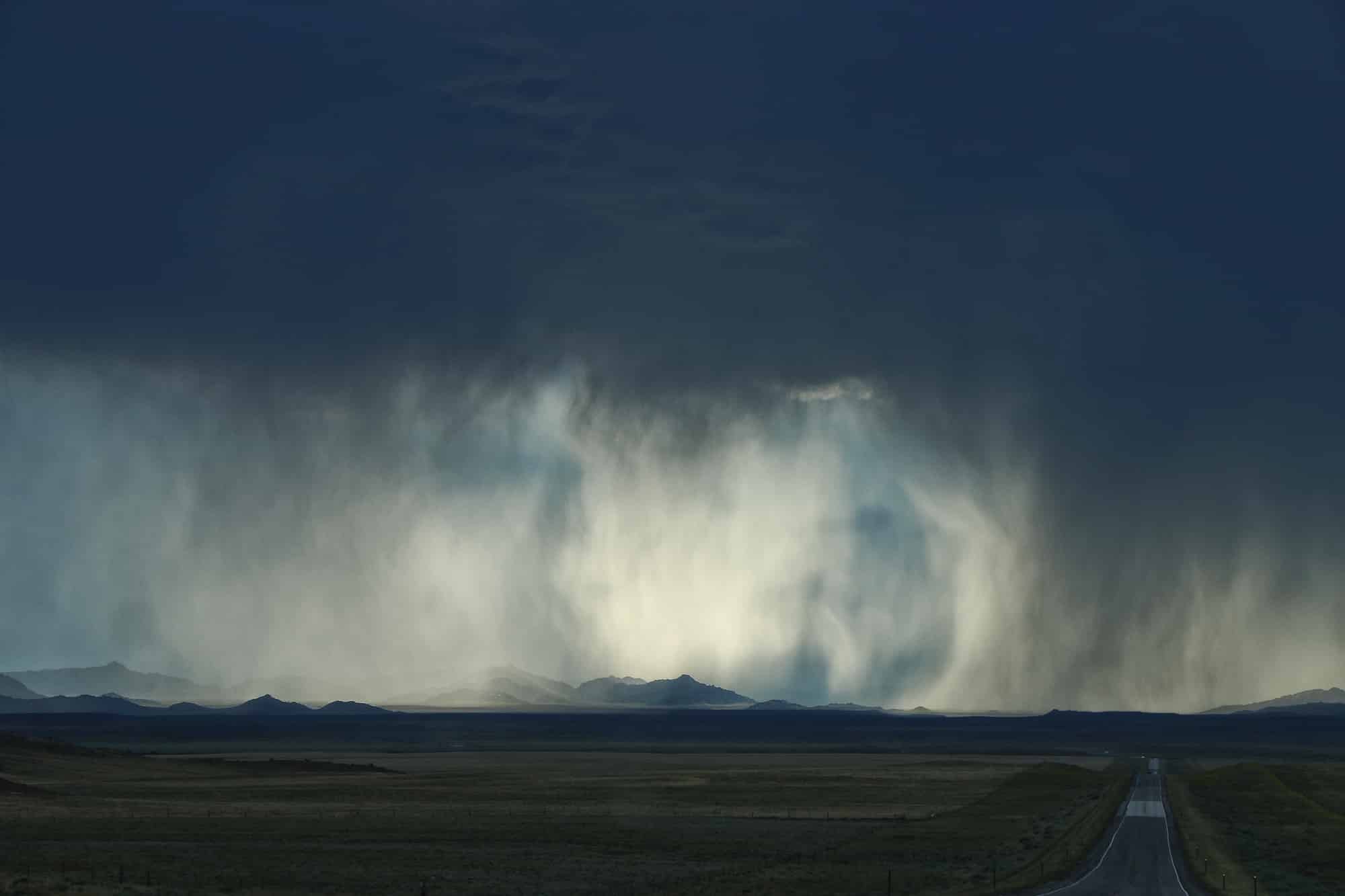
Water is the central fact of ranching in Montana. In a state where precipitation arrives in uneven amounts and on an uneven schedule, understanding moisture is as important as any other skill a rancher carries. Snow and rain are not simply two versions of the same thing; they move through the landscape differently, deliver their benefits at different times, and shape the decisions of a ranching operation in ways that are distinct and consequential. For anyone who works in this country, learning to read moisture is foundational knowledge. It always has been.
Snow
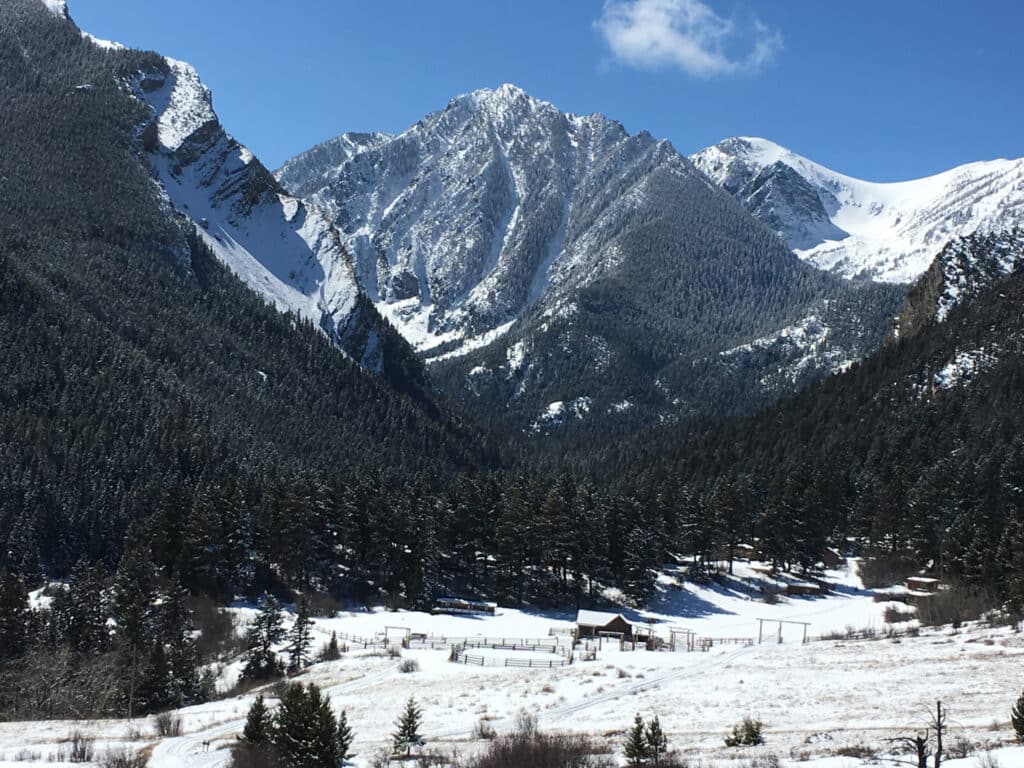
Snow is essentially a savings account for water. When it falls across Montana’s rangeland and mountain drainages, it doesn’t immediately enter the soil or stream system. It stores on the surface and releases gradually as temperatures rise. This slow release is enormously valuable. Soils can only absorb water at a certain rate, and when moisture arrives faster than that rate, the excess runs off and is largely lost to the land. Snow sidesteps this problem entirely by metering out its water content over days, weeks, or even months. A deep January snowpack in the foothills or a heavy March snow on the flats can still be delivering moisture to the soil in April and May, right when cool-season grasses are breaking dormancy and need that water most. For ranchers running cattle on native range, that spring greenup is everything and it determines how early they can turn out, how quickly body condition recovers after a hard winter, and whether they’ll need to stretch hay supplies into late spring.
Water Content
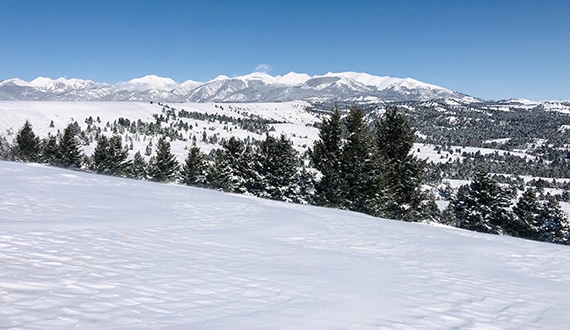
The water content of snow varies considerably depending on its character. A wet, heavy spring snow might carry close to one inch of water per ten inches of snowfall, while a light, powdery winter snow might require twelve inches or more to yield the same amount. Ranchers and agricultural meteorologists pay close attention to snow water equivalent measurements for this reason, since raw snowpack depth alone doesn’t tell the full story. What matters is how much water is actually locked up in that white layer, and how it will behave as it melts.
Insulating Factor
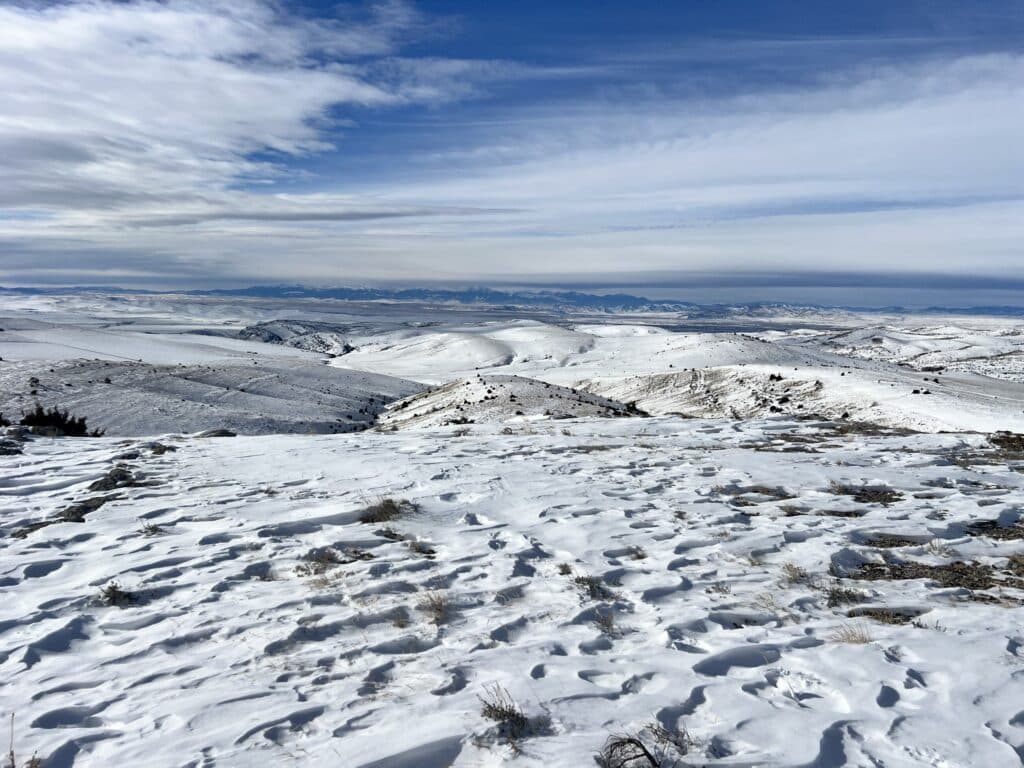
Snow also does something rain cannot: it insulates. A consistent snowpack over the winter keeps soil temperatures more stable, reducing the depth of frost penetration. This protects root systems on perennial range grasses and can make a meaningful difference in how vigorously those plants come back in spring. A winter with repeated freeze-thaw cycles and little snow cover can be harder on native grass communities than a cold but consistently snow-covered one.
Recharge
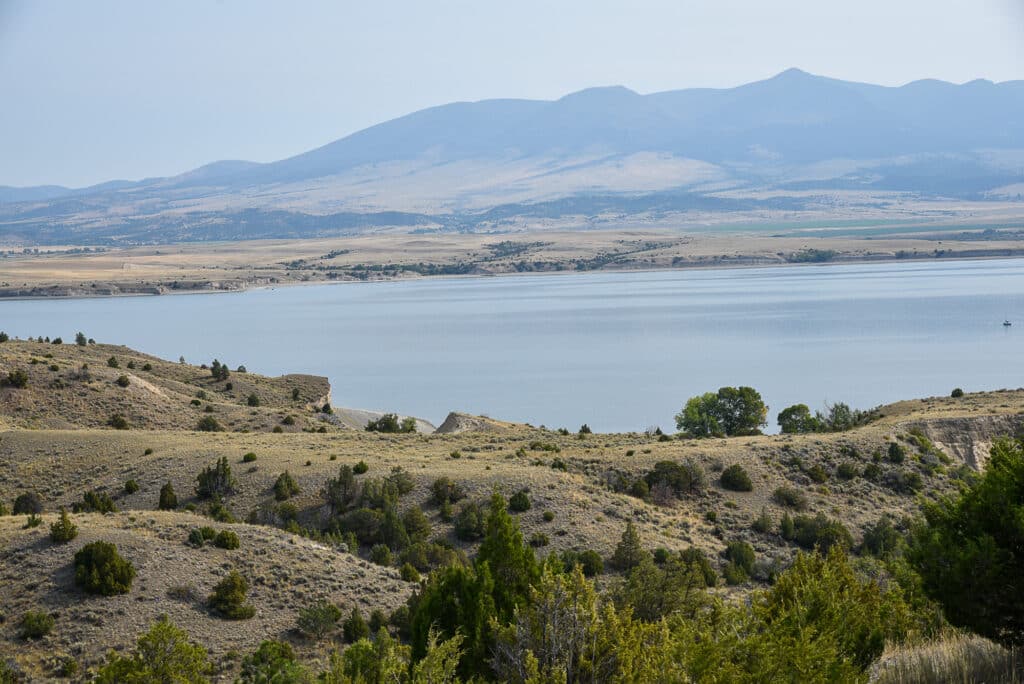
Snowmelt also recharges the broader water system in ways that benefit ranching operations well beyond the immediate range. Stock ponds and reservoirs fill from runoff. Streams that would otherwise run low or dry through summer stay flowing longer when a deep snowpack is releasing water steadily through June. In much of eastern and central Montana, where annual precipitation is modest, often somewhere between twelve and sixteen inches. This stored snowmelt is a critical buffer against the dry stretches that are almost certain to come later in the year.
Rain
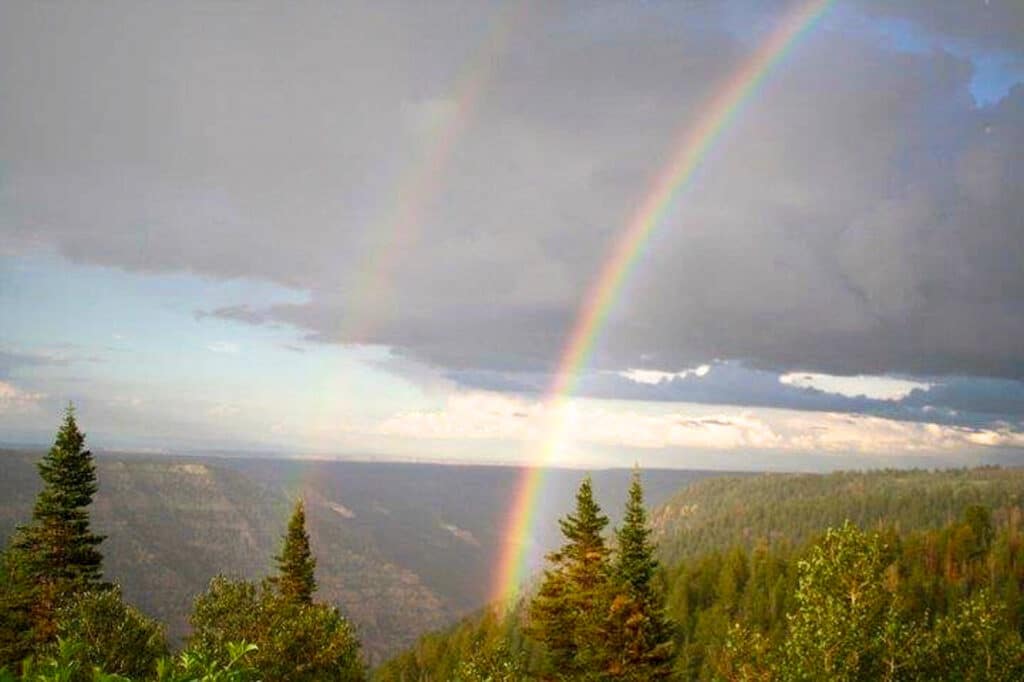
Rain operates on a much more immediate timeline, and its value is highly dependent on how it arrives. A slow, gentle rain of a quarter to a half inch over several hours is about as efficient as moisture gets. It falls at a pace the soil can readily absorb, moves down into the root zone, and stays there. Ranchers and farmers tend to describe these events with real appreciation. A good soaking rain in June or early July can extend the grazing season, boost regrowth after a first cutting of hay, and carry a ranch through a dry stretch. Unfortunately, this kind of rain is not always what Montana delivers.
Intense Summer Weather Events
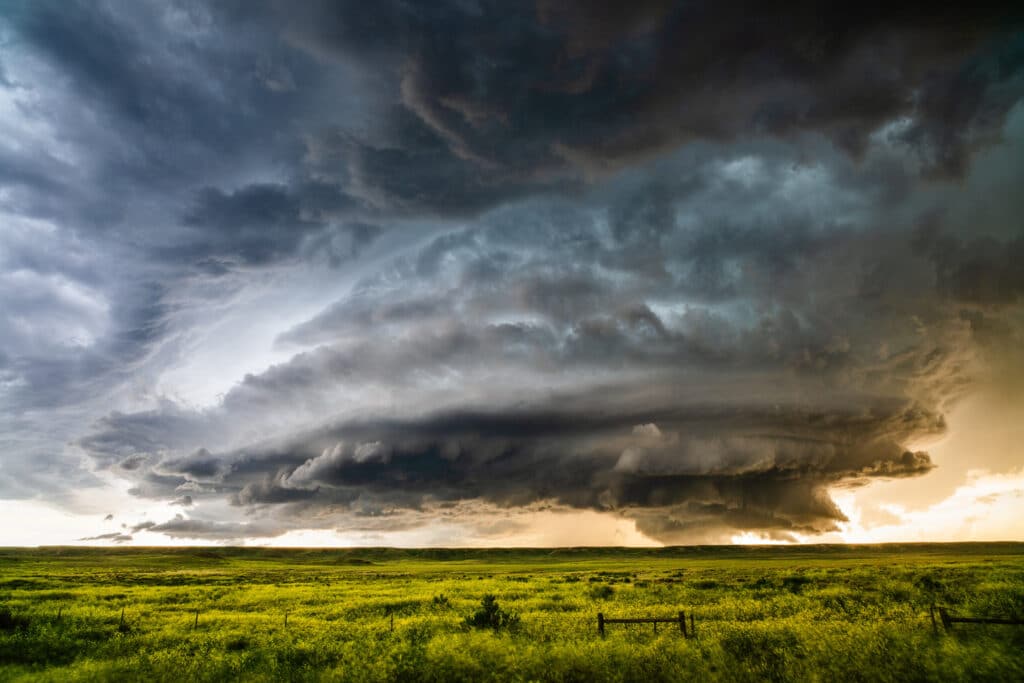
Much of the summer precipitation in Montana comes from convective thunderstorms. The kind of storm that builds rapidly in the afternoon heat, can drop a significant amount of rain in a short period, and move on quickly. These events can deposit an inch of rain in thirty or forty minutes, which sounds substantial until you consider what actually happens to it. On dry range soil, and especially on slopes or compacted ground near water sources and feeding areas, rainfall that arrives too quickly simply cannot infiltrate fast enough. It pools, then sheets across the surface, then moves into draws and coulees and out of the system entirely. A rancher might see a dramatic thunderstorm roll through and receive very little lasting benefit to the pasture because most of that water ran off before the soil had a chance to drink it in. In some cases, intense rain events cause erosion that does more harm than good, cutting into topsoil and destabilizing stream banks.
Timing
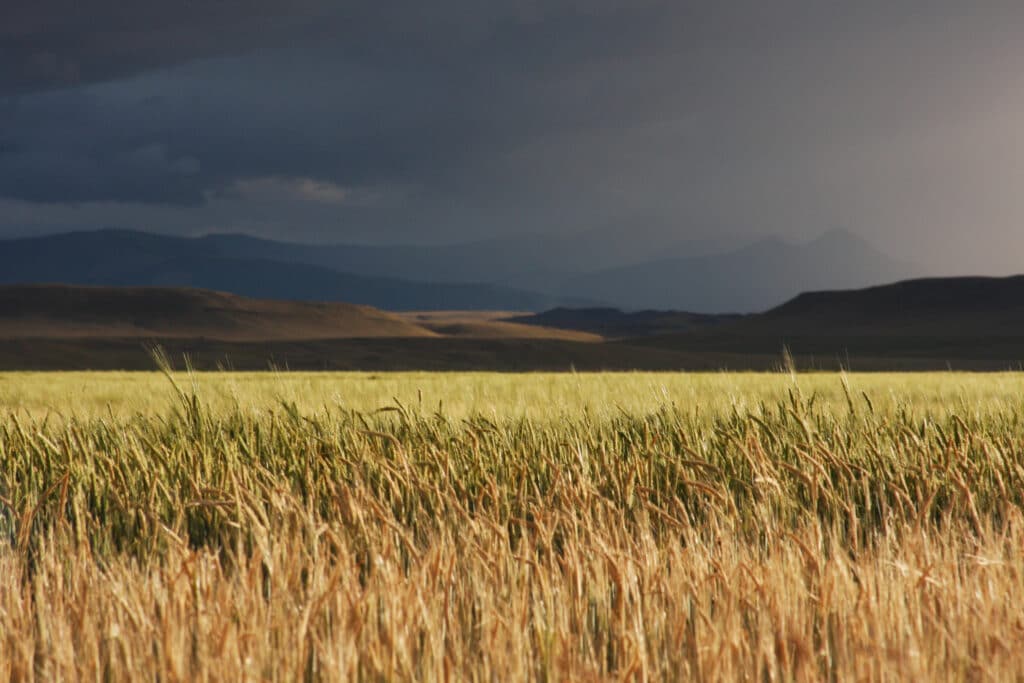
Timing matters enormously for rain in a way that is somewhat less true for snow, which has the luxury of storing itself for later use. Rain that falls in May and early June lands at the moment when cool-season grasses are actively growing and can make the most use of it. The same amount of rain arriving in August, after those grasses have already gone dormant under the summer heat, is far less productive for forage. Late summer rains can support warm-season grasses and help plants going into dormancy store root energy for the following year, but they rarely rescue a summer that has already been dry.
Haying

Hay operations add another layer of complexity to how ranchers think about rain. Cutting and curing hay requires dry weather, and a well-timed rain can ruin a cut that’s already on the ground, causing spoilage and significant economic loss. Ranchers in Montana’s hay-producing valleys often find themselves in the uncomfortable position of hoping for rain to maintain soil moisture and pasture growth while simultaneously hoping it holds off long enough to get a cutting baled and stacked.
In A Perfect World
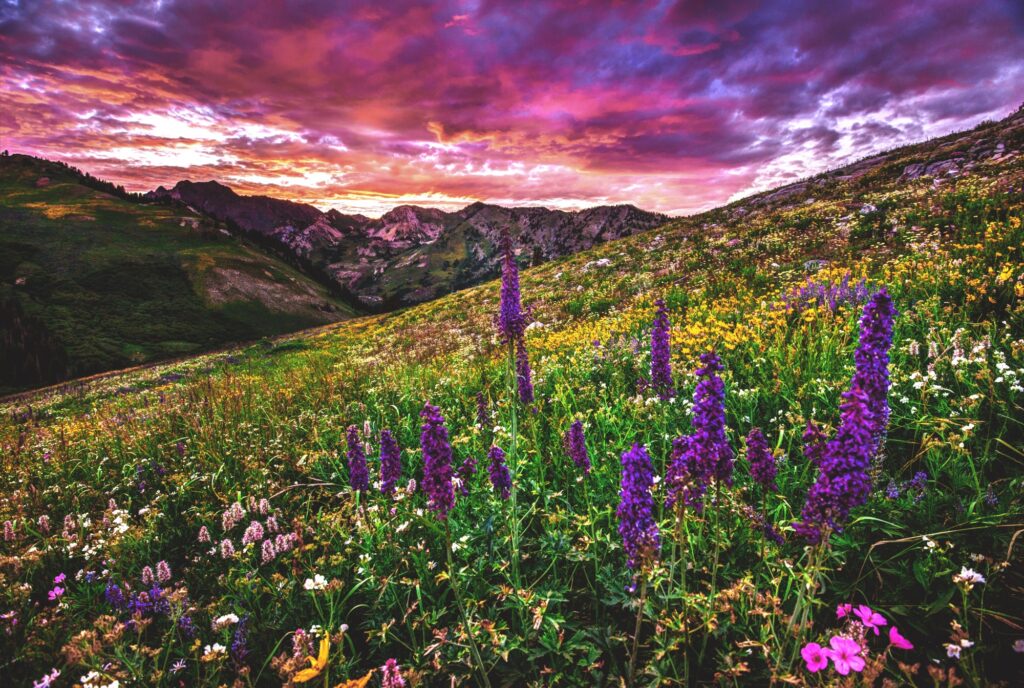
The ideal moisture year for a Montana ranch is generally one where a solid winter snowpack builds steadily, melts off gradually through a cool spring without flooding, charges the ponds and soil profile deeply, and is followed by moderate, well-spaced rains through the growing season. That combination keeps range grasses productive, reduces the pressure on hay supplies, and gives ranchers flexibility in how they manage their herds. Years that deliver too much moisture at once, or the right total amount in the wrong pattern, can be nearly as challenging as drought years. In a landscape where water is always the limiting resource, how it arrives matters just as much as how much of it comes.
Conclusion
Montana ranching has always been a negotiation with weather, and moisture is at the center of that negotiation. Snow and rain are not interchangeable. They move through the landscape differently, arrive on different schedules, and deliver their benefits under different conditions. A rancher who understands those differences is better positioned to read a season as it unfolds, to make decisions about turnout dates and hay supplies and stocking rates that account for not just how much moisture has fallen, but what form it took and when it came. In a region where the margin between a good year and a hard one can be measured in inches of snowpack or the timing of a June rain, that knowledge is not merely academic. It is the kind of practical, accumulated understanding that separates ranches that endure from those that don’t. Water, in Montana, is destiny — and knowing how it behaves is half the work of working with it.
The right ranch is out there. Let’s find yours.
Contact us today to start the conversation.