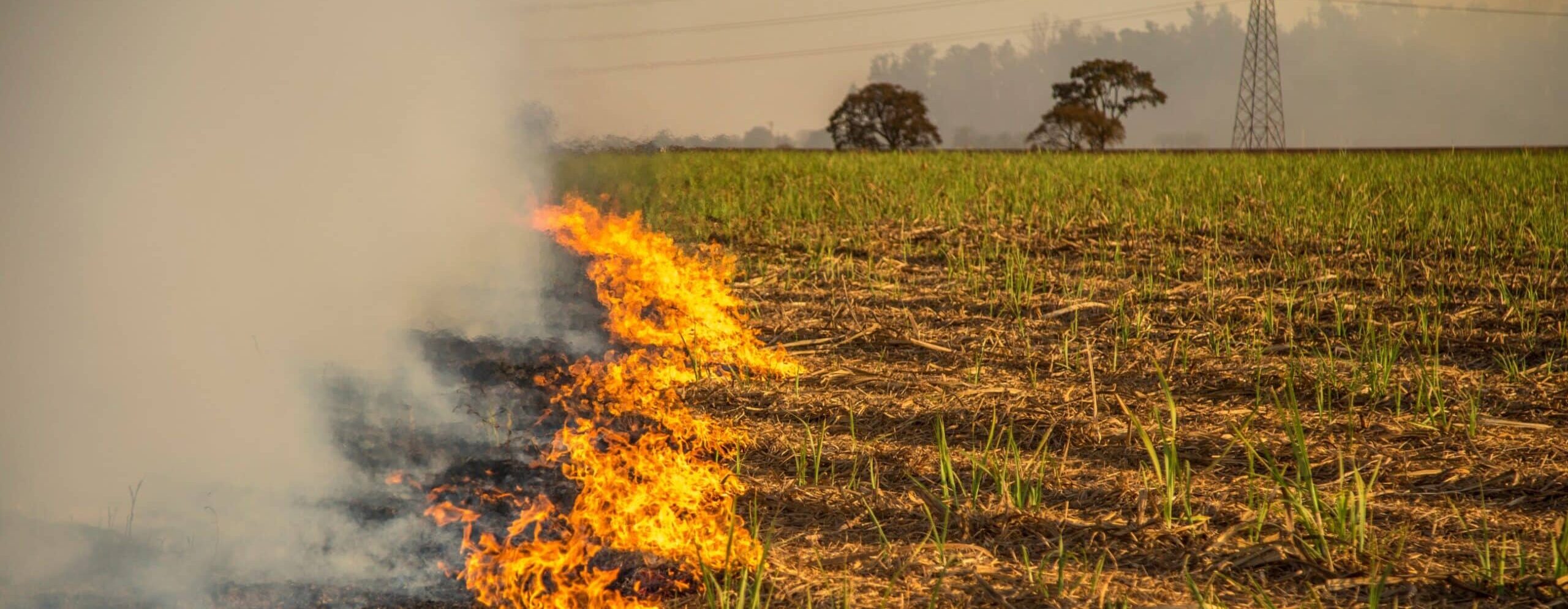
Defensible space is a buffer zone of modified vegetation and non-combustible materials surrounding your home, designed to slow or stop the fire from spreading to the home.
Embers can travel approximately a mile, especially if the wind is high. Landing on the home, decks, or roofs can instantly create a disaster. Defensible space and a fire-resistant home help reduce ignition risks.
The Zone System
Defensible space is categorized into zones that building codes and fire agencies adhere to. Each zone has particular priorities to keep fire at bay and protect structures. This technique helps homeowners by keeping the maintenance tasks easy to understand.
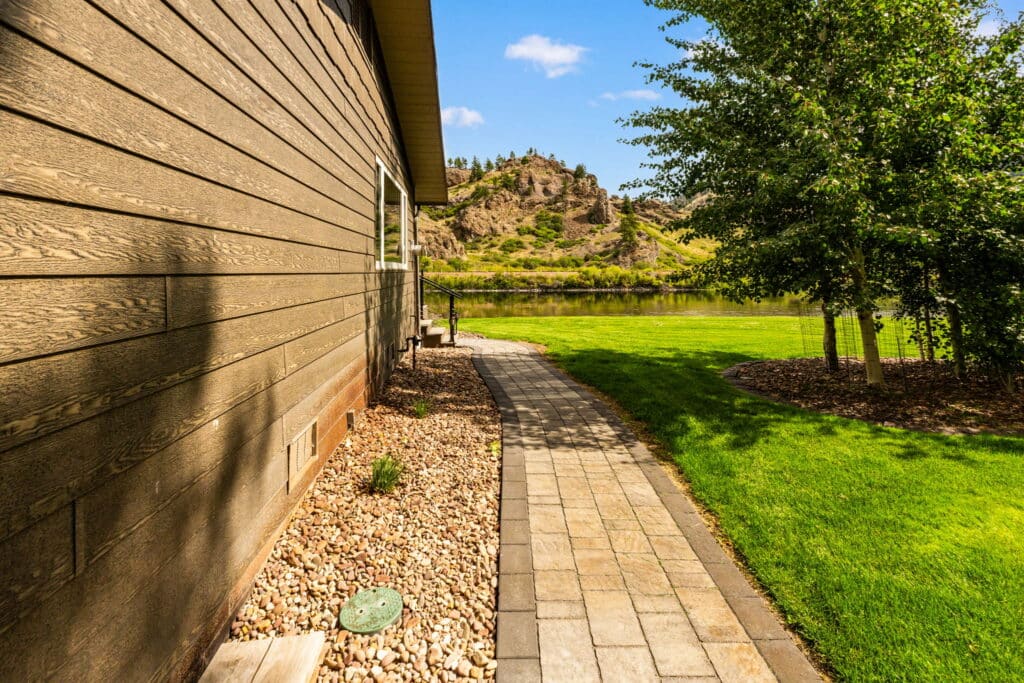
Zone 0 — The Home Itself (0–5 feet)
The home ignition zone, the 0-5-foot area around the home, is very important for fire prevention. Think of it as an extension of your structure. The goal here is to keep fire or embers from reaching the home and igniting anything that is combustible.
Promoting fire safety can be easy to implement or labor-intensive. Ideally, the area in this zone should be made of non-combustible materials. Think of rock, gravel, pavers, and keep the area free of fallen pine needles or thick plantings. Don’t forget about the gutters too.
Additionally, store firewood piles, propane tanks, and patio furniture away from the structure instead of stacking them against it. To prevent embers from entering the home, ensure that all vents — including eave vents, crawl space vents, and attic vents — are screened with fine metal mesh no larger than one-eighth of an inch. Open vents are one of the primary pathways for embers to enter and ignite a home from within
Zone 1 — Lean, Clean, and Green (0–30 feet)
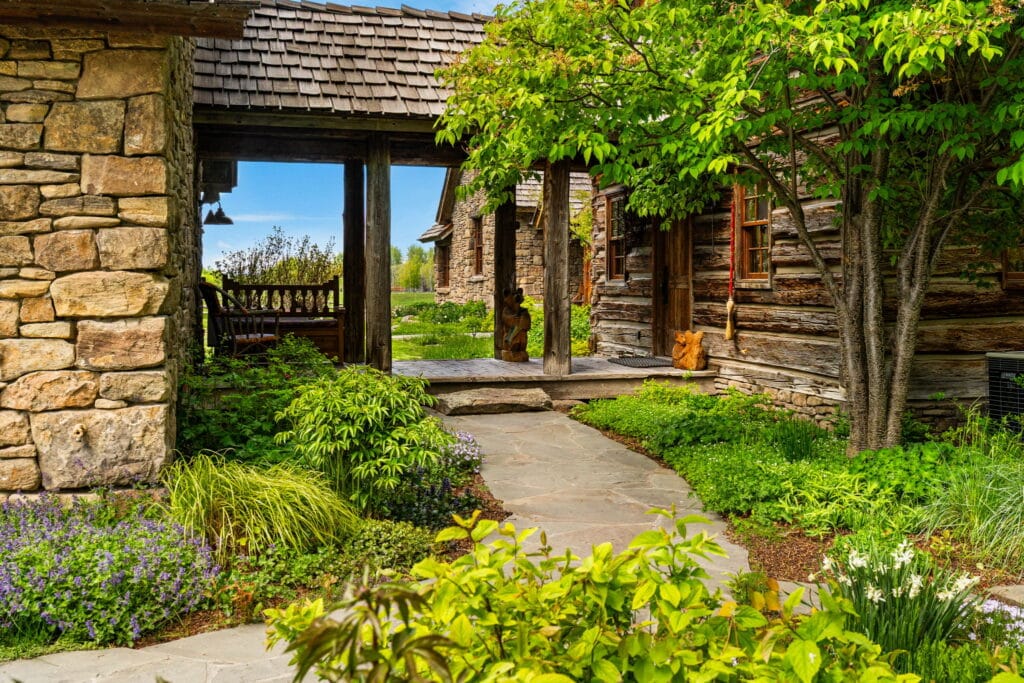
Zone 1 is focused on reducing the spread of fire from the intermediate environment to your home. This is achieved by thoughtfully separating vegetation and removing dead plants to keep it at low fire risk.
Trees and shrubs are major players in this zone. Branches should be trimmed 10 ft from the ground, and canopies shouldn’t touch to prevent fire from spreading. 10 ft between canopies is the suggestion. Low-hanging branches should be eliminated to prevent “ladder fuels.” Any branches overhanging the roof should be removed entirely. Continuous shrubs are a fire hazard, whereas clumping bushes with non-flammable material between them are a better strategy.
When replanting or landscaping in Zone 1, it is advisable to choose fire-resistant plant species that retain moisture, have low oil content, and produce less dead material. Many university extension programs and local fire agencies provide lists of appropriate plants for specific regions
Grass in this zone should be maintained to approximately 4 inches in height. This is to ward off fire spreading in the grass.
Zone 2 — Reduced Fuel (30–100 feet)
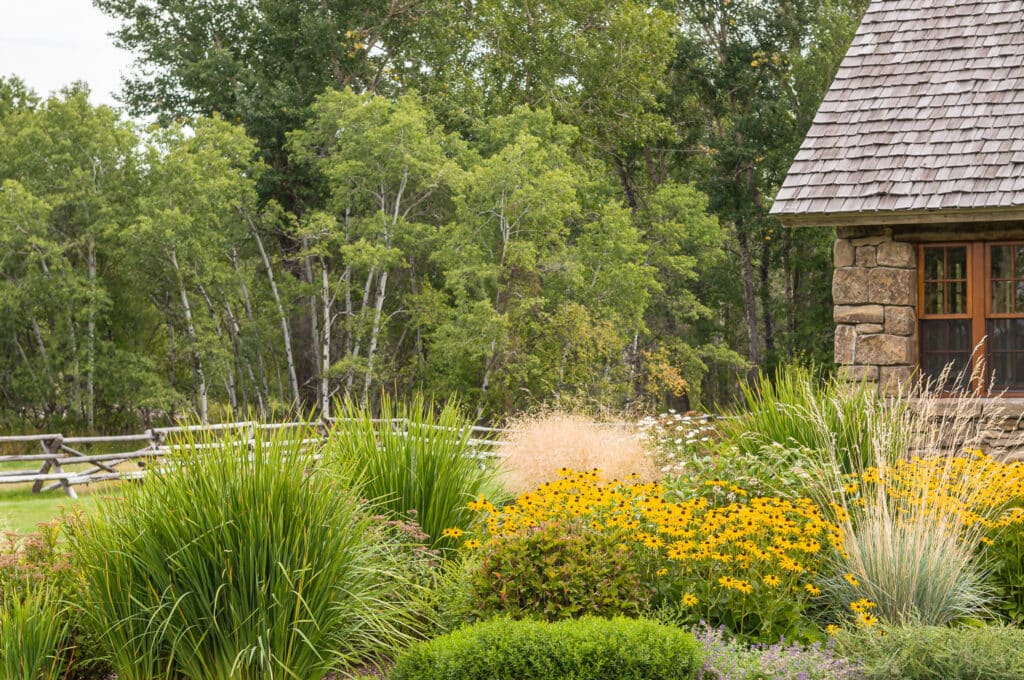
Zone 2 extends the principle of separation further away from your home. The goal in this zone is not to eliminate fire risk entirely but to reduce it: this involves slowing down an approaching fire and decreasing the number of embers it generates before they reach your structure. Seasonal trimming of grass and annual vegetation is necessary, and dead plant material should be cleared away.
The spacing between trees and shrubs should be greater than in Zone 1, with even more stringent requirements on slopes, where fire can spread more rapidly, thus increasing the danger zone uphill. The key concept to keep in mind for Zone 2 is to eliminate continuity—it’s important to interrupt the unbroken pathways of fuel that allow fire to gain speed and intensity as it moves toward your home.
Understanding Slope

When thinking about fire behavior, the slope must be considered. Defendable space is affected since the heat from a fire travels upslope drying and heating the upland vegetation which prepares it for fire spread. Fire also travels faster when it is traveling upslope. If the slope is greater than 30% the standard is to double the defendable space requirements on the downhill side.
Ember Awareness
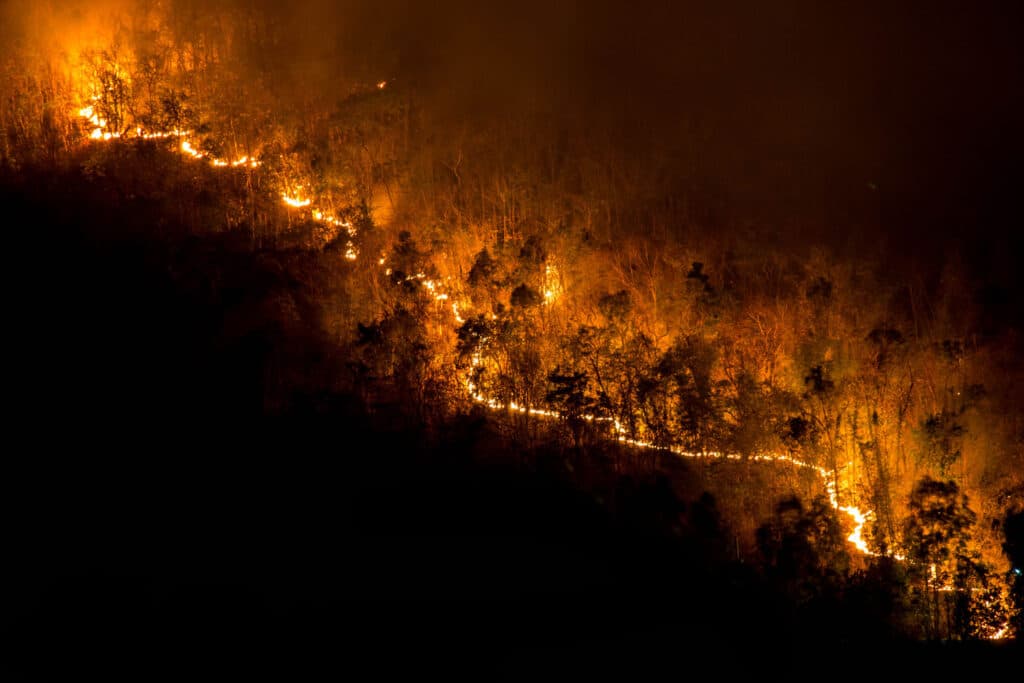
The most significant shift in how fire researchers and agencies approach home loss during wildfires is the understanding that direct flame contact destroys far fewer structures than ember cast. During an active wildfire, firebrands—burning pieces of bark, wood, or vegetation—can be lifted into the air by convection and carried by the wind, sometimes traveling a mile or more ahead of the main fire front. These embers can land on roofs, in gutters, on decks, and against siding. If they find flammable materials, they can ignite spot fires. This means that even homes with well-maintained defensible space can be at risk from embers emitted by distant fires.
Managing both Zone 1 and 2 are equally as important. Proactive planning for zone 0 often comes in the form of metal roofing, tempered glass windows, and fire resistant vents and eves that protect against embers.
Maintenance
Protecting your home from fire is a process that continues after the initial plan is completed. Since vegetation can regrow in a season’s time, the best practice is to revisit the Zones throughout the growing season and remove dead material as it presents itself. Keep gutters clean as windstorms move debris around and keep grass in check.
Getting Started and Local Resources
A practical approach to creating defensible space around your home is to start close to the building and work outward, beginning with Zone 0, as it has the most significant impact on the survival of your home. Walk around the entire perimeter of the structure and look for any combustible materials within arm’s reach of the walls, the roof edge, and the foundation. Next, move into Zone 1 and assess the spacing and condition of all vegetation.
Many fire agencies, including the Montana Department of Natural Resources and Conservation (DNRC) and local county fire departments, often offer free defensible space assessments. During these assessments, a trained professional will accompany you as you walk your property, identifying specific priorities for improving fire safety. These assessments are particularly valuable because they consider the unique topography, vegetation types, and prevailing wind patterns of your site, rather than relying on generic guidelines.
Additionally, local regulations may specify minimum clearance distances that have legal implications. Therefore, it’s advisable to check with your county or state forestry office early in the process to ensure compliance.
For more fire mitagation reading, please visit:
Landowner Responsibilities During A Red Flag Warning