
Few pieces of legislation have done more to shape the American landscape and the creatures that inhabit it than a quietly passed law from the final years of the Great Depression. At a time when wildlife populations across the country had been decimated by habitat loss, market hunting, and decades of neglect, Congress forged an unlikely and enduring solution: asking those who hunt to fund the recovery of the very species they pursue. The result was the Pittman-Robertson Wildlife Restoration Act of 1937, a law whose influence on conservation in the United States can scarcely be overstated.
Overview
The Pittman-Robertson Wildlife Restoration Act, formally known as the Federal Aid in Wildlife Restoration Act, was passed by Congress and signed into law in 1937. Named after its sponsors, Senator Key Pittman of Nevada and Representative A. Willis Robertson of Virginia, the act established one of the most successful conservation funding mechanisms in American history.
The core mechanism of the act is an excise tax on the sale of firearms, ammunition, and archery equipment. Manufacturers pay an 11% tax on long guns and ammunition and a 10% tax on handguns, and 11% on archery equipment. Revenues collected flow into a dedicated fund administered by the U.S. Fish and Wildlife Service. Archery equipment was added to the program later, in 1972. Critically, the law prohibits diverting these funds for any purpose other than wildlife restoration and hunter education. These protections have kept the program financially robust for nearly nine decades.
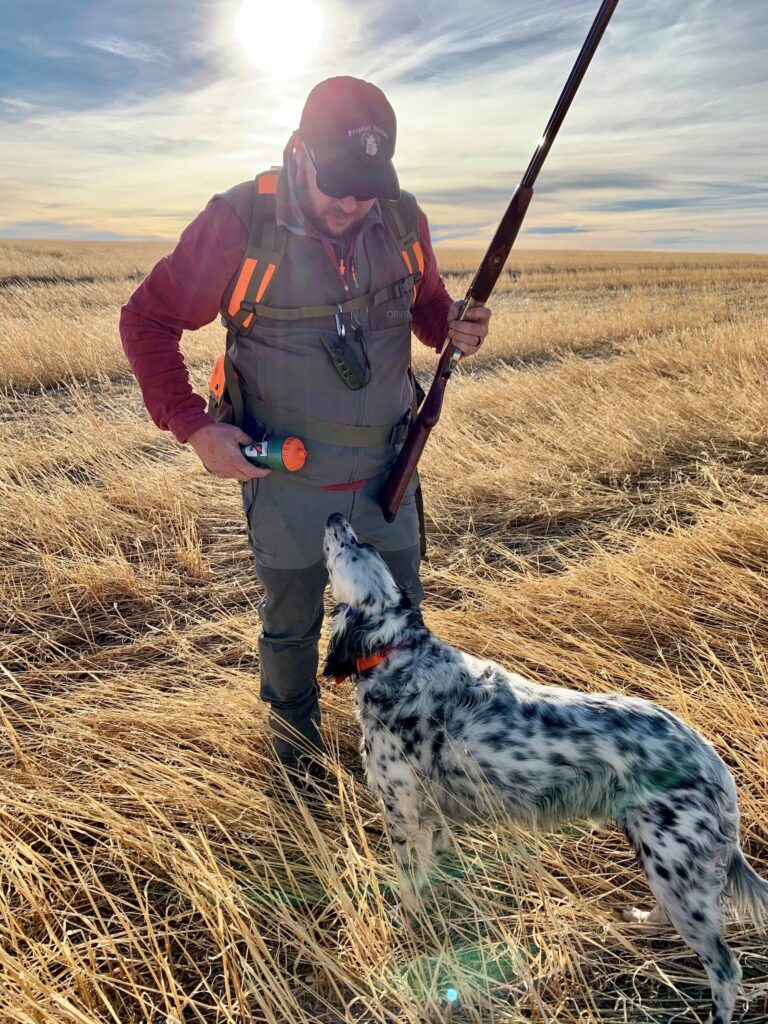
The funds are distributed to state wildlife agencies based on a formula that considers both the state’s geographic size and the number of licensed hunters within it. States must provide a 25% to a project (typically sourced from hunting license revenues), with the federal government covering the remaining 75% from the Pittman-Robertson fund. This cost-sharing structure encourages states to maintain strong hunting license programs while ensuring federal support for large-scale conservation efforts.

The money collected is used for a wide range of purposes, including the acquisition and restoration of wildlife habitat, wildlife management research, and hunter education programs. Over the decades, the act has funded the restoration of numerous game species that had been seriously depleted in the early 20th century, including white-tailed deer, wild turkey, pronghorn antelope, and wood ducks. These species were at dangerously low population levels before the program took effect.

What makes the Pittman-Robertson Act particularly notable from a policy standpoint is the concept it embodies, often called the “North American Model of Wildlife Conservation.” The principle is that sportsmen, sportswomen, and hunters, directly fund the conservation of the resources they use. It is a user-pay system that has generated well over $25 billion for wildlife conservation since its inception, making it one of the largest and most sustained sources of conservation funding in the world.
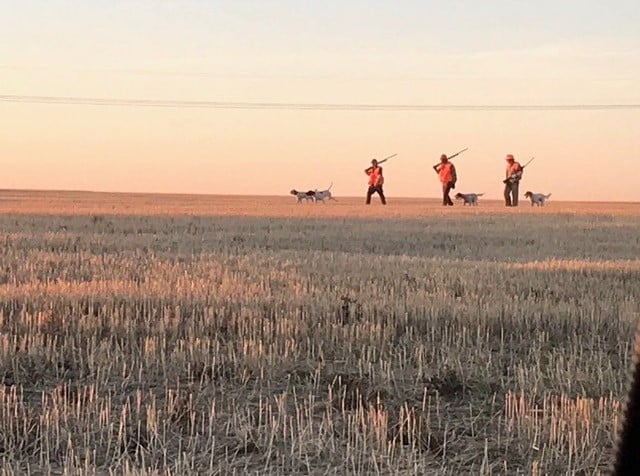
The act is widely regarded as a model of successful environmental legislation, praised across political lines because it operates through a market mechanism rather than through general tax appropriations, and because its results for wildlife recovery are measurable and dramatic. It stands as a prime example of how hunters and conservation interests have historically been closely aligned, with the sporting community playing a foundational role in American wildlife management.
Conclusion
The Pittman-Robertson Act endures as a testament to what thoughtful, targeted policy can achieve when it aligns the interests of its participants with a broader public good. By asking hunters to invest in the future of the wildlife they pursue, Congress created a self-sustaining engine of conservation that has outlasted generations of political change and budget battles. The white-tailed deer moving through an eastern woodland, the wild turkey crossing a meadow at dawn, the wood duck nesting along a quiet river — these are, in no small part, living evidence of what the act has made possible. As debates over land use, habitat loss, and biodiversity continue to intensify in the 21st century, the Pittman-Robertson model remains as relevant as ever: a reminder that lasting conservation is best built not on sentiment alone, but on structure, accountability, and a shared stake in the outcome.