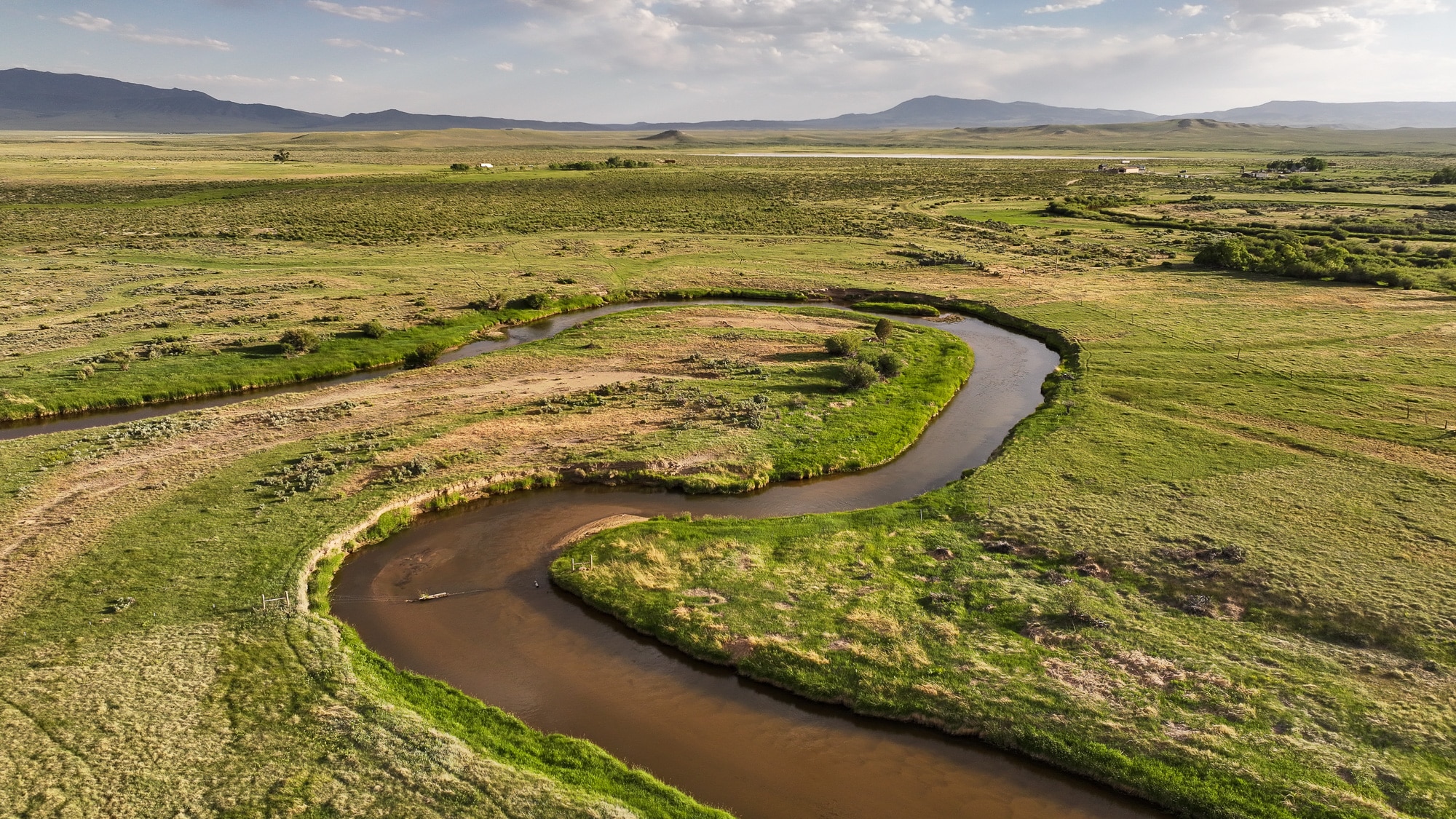
This is the first installment in a series drawn from a recent industry seminar where Swan Land Company’s Mike Swan spoke on buying, selling, and operating ranch and recreational real estate across the Mountain West. We sat down with the transcript and pulled out the parts worth sharing.
You always say a ranch seller only gets one shot at this. What do you mean by that?
Most of our sellers have never done this before, and they’re never going to do it again. This is a family legacy ranch, a place that’s been in the family for generations, and now they’re the ones facing the decision to transition out of it. There’s no dress rehearsal. You have one opportunity to make this transition, and it has to be done right — the details have to be taken care of, and we can’t afford to make mistakes.
That means we have to keep the process moving without ever letting the client feel rushed. They need answers at every step. They need to feel comfortable the whole way through. So much of our role, especially early on, is education — walking them through the process, the potential tax consequences, the resources available to help avoid as much of that tax exposure as they can. We’re setting them up with people like our exchange and financial contacts to talk through the pros and cons of a 1031 exchange, a conservation easement, whatever fits their situation. Nobody in that room takes it for granted. A lot of what we consider basic knowledge is brand new information to a family selling their first ranch.
Where do families usually run into trouble in that process?
Getting in a hurry. That’s the single biggest pitfall I see. So when we sit down with a prospective seller, before we ever talk numbers, we’re talking about the brokerage itself — does this broker have real experience in this specific arena, ranch and recreational land, not just residential? What’s their marketing reach? And just as important, what’s their agency — are they representing the seller exclusively, or acting as a dual agent? Sellers and their attorneys both need to understand where that fiduciary responsibility actually sits, because it shapes everything that follows.
We also tell every seller straight out: we’re going to be tied at the hip for a while. There’s going to be a level of trust and communication that has to be there, because we’re going to have some difficult conversations in the months and years ahead. If the personalities don’t match, the deal suffers for it. We’ve had situations in our own office where we’ll say, this might not be the right fit — Tim or Kendall might serve this seller better than I would. I’m the first to admit that. The goal is always making sure the client has the best person in front of them, not protecting anyone’s ego.
What are you actually trying to learn in that first meeting with a seller?

What are their goals? What’s happening in their life that’s brought them to this point? Sometimes there’s debt that needs servicing. Sometimes there’s a son or daughter who wants to come back and work the operation, and the family needs creative help finding a way to make that happen. Sometimes it’s simpler than that — someone from the outside just needs to sit at the kitchen table with them, on a confidential basis, and brainstorm other options besides selling the whole place. Maybe it’s carving off some high-dollar recreational acres and converting the rest into pivot-irrigated ground along the river bottom. You never know until you ask.
And then we explain what actually happens next, because there’s a real disconnect in most sellers’ minds between signing a listing agreement and a property hitting the market. They think the phone starts ringing the next day. It doesn’t work that way — there’s a significant amount of work between signing that contract and the property actually being packaged and ready for public consumption. We also have to be honest about fit. We’re not the right people to sell a commercial condo in downtown Bozeman, and we’ll say so and point that seller toward someone who is. Fundamentally, we’re also asking ourselves whether this client is coachable — will they listen to our counsel, are they open to the information we’re bringing them, and can we build the kind of trust that gets a family through a process this significant.
You mentioned building a “team” around the seller. Who’s on it?
Everybody who’s going to touch this transaction: the seller’s accountant, their attorney, their exchange intermediary if there’s a 1031 involved, their financial advisor, and often their range manager. We want that team assembled and pulling in the same direction as early as possible. We see ourselves as the team captain in that group — someone has to keep the ship pointed in the right direction and make sure deadlines are being met — but everyone else has a critical role too. The attorney is engaged in drafting the listing agreement itself, making sure it’s specific about exactly what’s being sold, because a ranch sale is rarely just dirt. Personal property, cattle, equipment, water rights, brand names, a website selling grass-fed beef — all of it has to be spelled out.
We’ll even encourage the attorney and the CPA to physically walk the property with us when we can, especially if there’s something potentially contentious to work through. It’s a lot easier to have that conversation later over the phone if they’ve already stood on the ground and seen what we’re talking about. And we put everything in writing, even the handshake agreements. If the neighbors have trailed cattle across the property for five miles every fall on their way home from summer pasture, and it’s never been anything but a verbal understanding, we get that documented before the sale closes. That’s how you avoid a blowup with the next owner in October.