Ask ten people what “farm-to-table” means, and you’ll get ten different answers, and half of them will also mention a CSA in the same breath, as if the two terms were interchangeable. They’re not. One is a philosophy; the other is a specific way of putting that philosophy into practice. Understanding the difference matters, especially here in Montana and Wyoming, where the shortest possible distance between a rancher’s gate and a family’s dinner table isn’t just a trend; it’s often just how things have always been done.
So what actually separates a Saturday morning at the farmers market from signing up for a season-long share in someone else’s harvest? Here’s a breakdown of both models, how they overlap, and where they part ways.
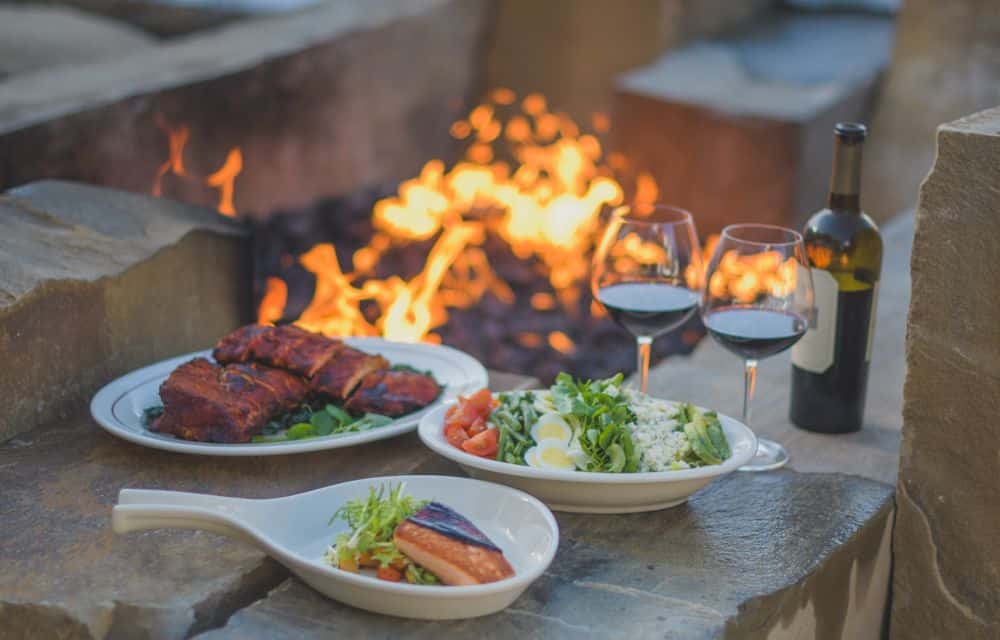
Farm-to-table is the umbrella concept: any system that gets food from the producer to the consumer with as few middlemen as possible. It covers a wide range of models, a restaurant sourcing from local ranches, a farmers market stall, buying meat directly from a rancher, or a CSA. The defining feature is short supply chains and direct sourcing; however, that’s structured.
CSA (Community-Supported Agriculture) is one specific way of doing farm-to-table. It has a particular structure: members pay upfront before the season starts, share in the farm’s risk (a bad crop year means a smaller box, not a refund), and receive a recurring box of whatever’s ready to harvest, usually weekly or biweekly.
The key distinctions:
| Farm-to-Table | CSA | |
| Scope | Broad concept/ philosophy | Specific business model |
| Payment | Pay per purchase, as you go | Pay upfront for the whole season |
| Risk | Buyer takes no crop risk | The buyer shares crop risk with the farmer |
| Choice | Usually, choose what you buy | Usually get what’s ready, not your choice |
| Examples | Farmers Markets, restaurants, direct meat sales, CSA’s | One specific arrangement: seasonal shares |
Every CSA is farm-to-table, but not every farm-to-table purchase is a CSA. Buying a steak directly from a rancher at a farmers market is farm to table, but it’s a one-time transaction — no upfront commitment, no shared risk. A CSA asks for more buy-in from the consumer, financially and logistically, in exchange for a more integrated relationship with a specific farm’s season.
Farm-To-Table

What it is, in more depth
Farm-to-table refers to a food system built around direct or near-direct relationships between producers and consumers, cutting out as many intermediaries as possible. In its fullest form, that means a rancher selling beef straight to a family, a farmer selling vegetables at a Saturday market, or a restaurant sourcing its menu from producers within a defined radius, sometimes formalized as “farm to fork” or “farm to restaurant.” The model exists on a spectrum: some operations sell 100% direct, while others blend direct sales with limited wholesale distribution.
Freshness and quality

Produce sold farm-to-table is typically harvested within days or hours of sale, rather than picked early to survive a cross-country shipping timeline. The same logic applies to meat: an animal processed regionally and sold directly reaches the consumer with fewer stops, less time in cold storage, and often less handling overall. The result is food that’s closer to peak condition when it arrives.
Supporting local economies
Every dollar spent on farm-to-table tends to circulate locally rather than flow to national distributors, packing houses, or out-of-state processors. For rural economies built around agriculture (much of Montana and Wyoming included), this can mean the difference between a small ranch or farm operation staying viable versus being squeezed out by commodity pricing that favors scale over quality.
Transparency and trust
Buyers can typically ask direct questions and get direct answers: how an animal was raised, what it was fed, whether antibiotics or hormones were used, how land was managed. That kind of visibility is largely unavailable in a conventional supply chain, where meat or produce may pass through several unrelated hands before reaching a grocery shelf.
Environmental considerations

Shorter transport distances generally mean lower fuel use and fewer emissions tied to shipping. Farm-to-table products also tend to need less preservative treatment and packaging, since they aren’t traveling as far or sitting in storage as long. Separately, many farm-to-table producers use grazing or growing practices like rotational grazing and diversified planting that support healthier soil over time. However, this varies widely by operation and isn’t automatic just because something is “local.”
Seasonality and adaptation
Because farm-to-table relies on what’s available nearby, it naturally ties eating patterns to the local growing season. In a places like Montana or Wyoming, that means a shorter window for fresh produce compared to warmer climates, but it often offers more flavor-forward products such as grass-finished beef, heirloom vegetables, and tree fruit because they’re raised for taste and quality rather than shelf life and shipping durability.
Trade-offs worth knowing
Farm-to-table food is often more expensive per unit because producers forgo the cost efficiencies of scale that large distributors rely on. Selection can also be narrower and less consistent. A producer might sell out of a cut of beef or a certain vegetable for weeks at a time, unlike a grocery store that’s always stocked. For consumers, it usually means more planning and more direct relationships (finding a rancher, joining a CSA, visiting a market) rather than one-stop shopping.
CSA’s

The basic structure
A CSA is a direct financial arrangement between a farm and its members. Before the growing season starts, often in late winter or early spring, a farmer sells a fixed number of “shares,” collecting payment upfront. That money becomes working capital: it covers seed, fertilizer, equipment repairs, and often labor, before a single vegetable has come out of the ground. In exchange, members receive a portion of the harvest as it comes in, typically delivered weekly or biweekly over a defined season lasting 12 to 24 weeks, depending on the climate and crop mix.
Full shares vs. half shares
Most CSAs offer more than one size. A full share is usually meant to feed a family of three to five, while a half share suits one or two people or those who supplement with other grocery shopping. Some farms also offer add-on shares for items like eggs, flowers, fruit, or meat, layered on top of a produce share.
What’s in the box
Contents shift constantly through the season and are entirely dictated by what’s ripe. Early summer boxes tend to be heavy on greens, radishes, and peas; midsummer brings tomatoes, squash, corn, and beans; fall boxes shift toward root vegetables, winter squash, and storage crops like onions and potatoes. Members don’t choose what’s in the box. That unpredictability is part of the model, though some CSAs now offer a “choice” or “market-style” format where members select from what’s available rather than receiving a fixed box.
The risk-sharing piece
This is the part that distinguishes a CSA from simply pre-ordering produce. Members are, in effect, investing in a season alongside the farmer. If a hailstorm wipes out the tomato crop or a drought stunts the corn, that loss is absorbed collectively. Boxes might be smaller or less varied that week, rather than falling entirely on the farmer’s bottom line. In a strong year, members may get an especially generous or abundant share. It’s a genuine partnership model, not just an early-payment discount.
Meat and livestock CSAs

While CSAs originated with produce, the model has expanded to livestock. A “beef share” or “meat CSA” works similarly: members pay upfront, often for a set amount of meat (a quarter, half, or whole animal, or a recurring monthly box), and receive cuts as animals are processed through the season. This is a natural fit for ranch operations, since it lets a rancher sell directly to consumers rather than solely through wholesale or commodity markets.
Trade-offs for members
• Less choice and less consistency than grocery shopping. You get what’s in season, not what you’re craving that week.
• Requires some flexibility and willingness to cook with unfamiliar vegetables (many CSAs include recipes or newsletters to help).
• Financial risk sits partly with the member, not just the farmer. A bad season can mean a smaller return on the upfront investment.
• Usually requires pickup at a specific location and time, rather than delivery on demand.
Why does it persist as a model
Despite those trade-offs, CSAs remain popular because they solve real problems for small farms: access to capital without debt and a guaranteed market for the season’s harvest. For consumers, it offers the clearest possible link between a specific farm and what ends up on the table. Often closer and more direct than even a farmers market purchase.
Conclusion
At the end of the day, it comes down to commitment. Farm-to-table is a wide-open door. Walk through it once at a farmers market, or make it a habit, without ever tying yourself to one farm’s fate for a season. A CSA asks for more: money up front, patience with what the land produces, and a willingness to eat what’s ripe rather than what’s craved. In exchange, they’re a partner sharing the same risk as the farmer.
Neither model beats the other; they just ask different things of the people who take part. In Montana and Wyoming, where so much already runs on direct relationships between growers and eaters, it’s worth knowing which one you’re actually signing up for.
Swan Land Company