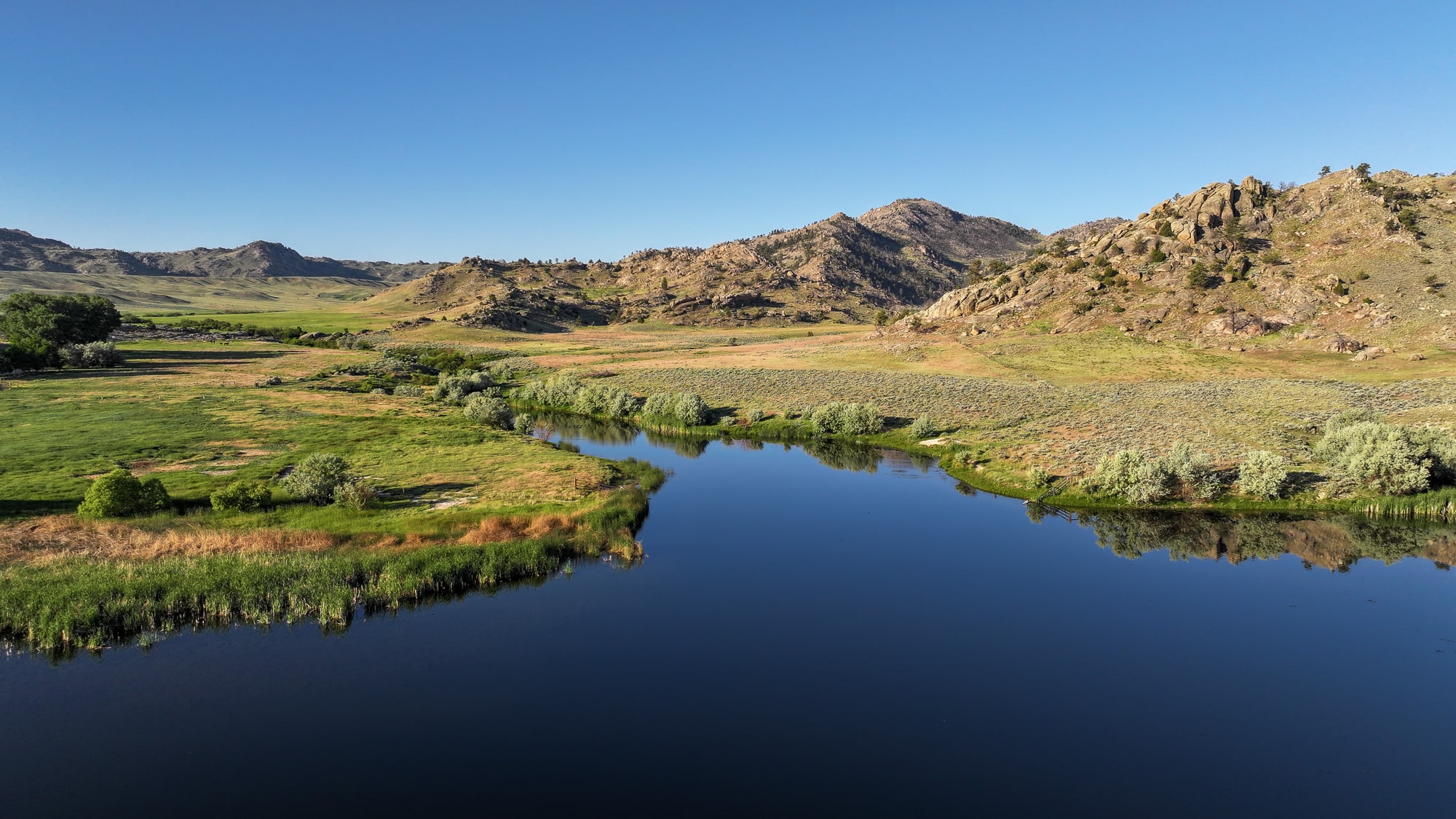
We see it all the time in a listing description, “Great water rights” or “Early priority water rights”. Well, what does that mean, and what kind of value does that add to a property?
The first thing we need to understand is how much water a property has the right to use. It can get slightly confusing when water is described using different units of measure, such as Acre-Feet (AF), Cubic Feet per Second (CFS), Miners’ Inches, or Gallons per Minute (GPM). So, what do each of these terms mean, when are they used, and how do we convert them to figure out exactly how much water we really have?
Common Terms
Acre-feet
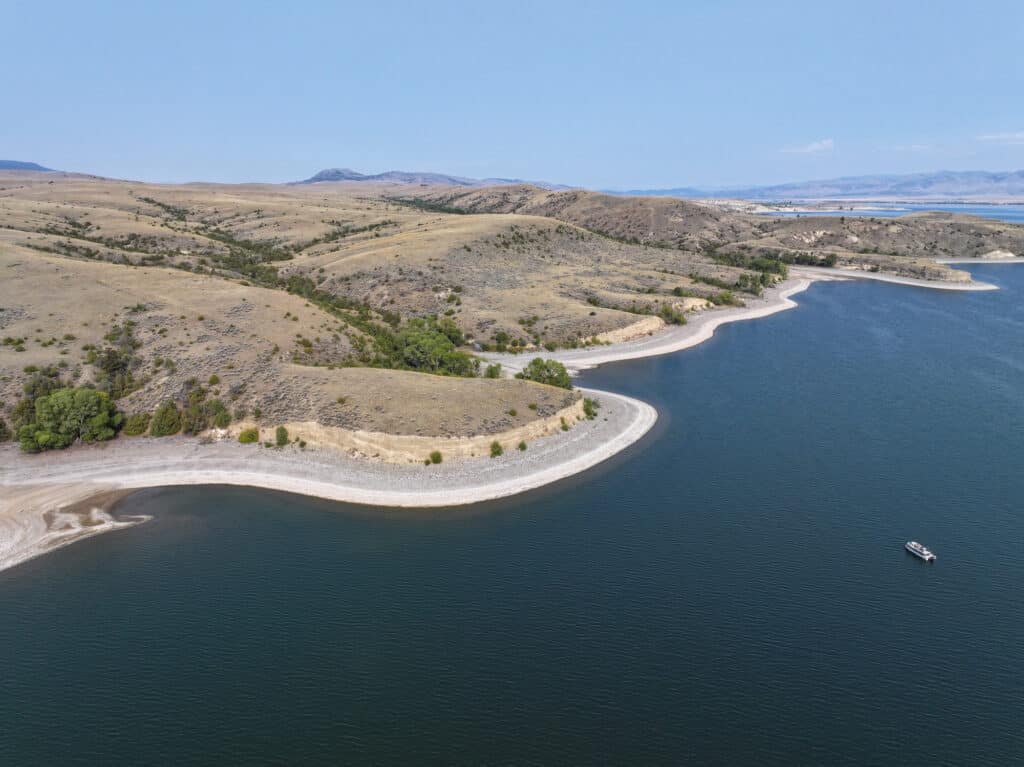
This term refers to a unit of volume commonly used in water management to measure large-scale water resources. We generally see this measurement used for properties with water rights from a reservoir or dam.
CFS
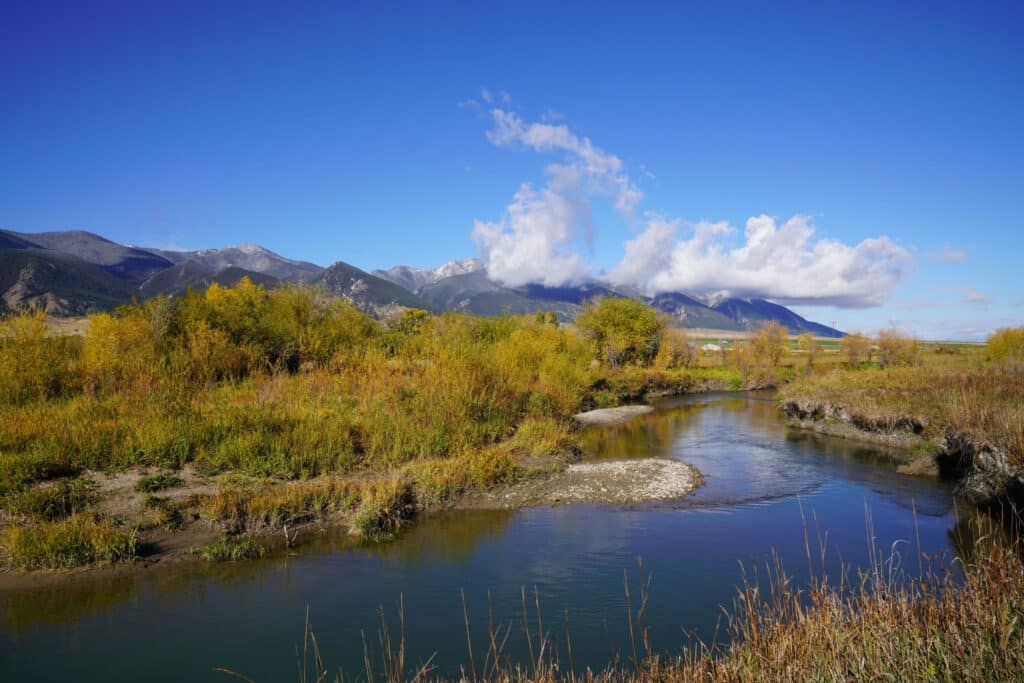
Used to measure the flow rate of water equivalent to 1 cubic foot of water passing through a given point in 1 second. Streams and rivers are usually measured with CFS.
Miners Inches
A historic unit of water flow rate that was primarily used during the gold rush to measure water for hydraulic mining and irrigation. Some water districts still use Miners inches to keep track of water usage during the irrigation season.
GPM
Measurement of how many gallons of water pass through a pipe or pump in one minute. Used to determine how much water is used on closed systems such as handlines, wheel lines, and pivots.
Simple conversions can be used for water allocated in a 24-hour period.
1 AF = .5 CFS = 40 Miners Inches = 448.8 GPM
Now that we understand the different measurements, is this water right actually good? This question depends heavily on the type of crops grown, but typically, two hay crops take 2-2.5 Acre-feet of water per acre to produce a good crop, compared to potatoes, which might take as much as 3 acre-feet. This means that if you took one acre of flat ground and submerged it in 2-2.5 feet of water, that is the amount it would need throughout the irrigation season. For example, if you had 100 acres, you would need a water right of 250-acre feet to have sufficient water to produce a good crop.
Sounds simple, right? Here is where it gets complicated.
Priority Dates
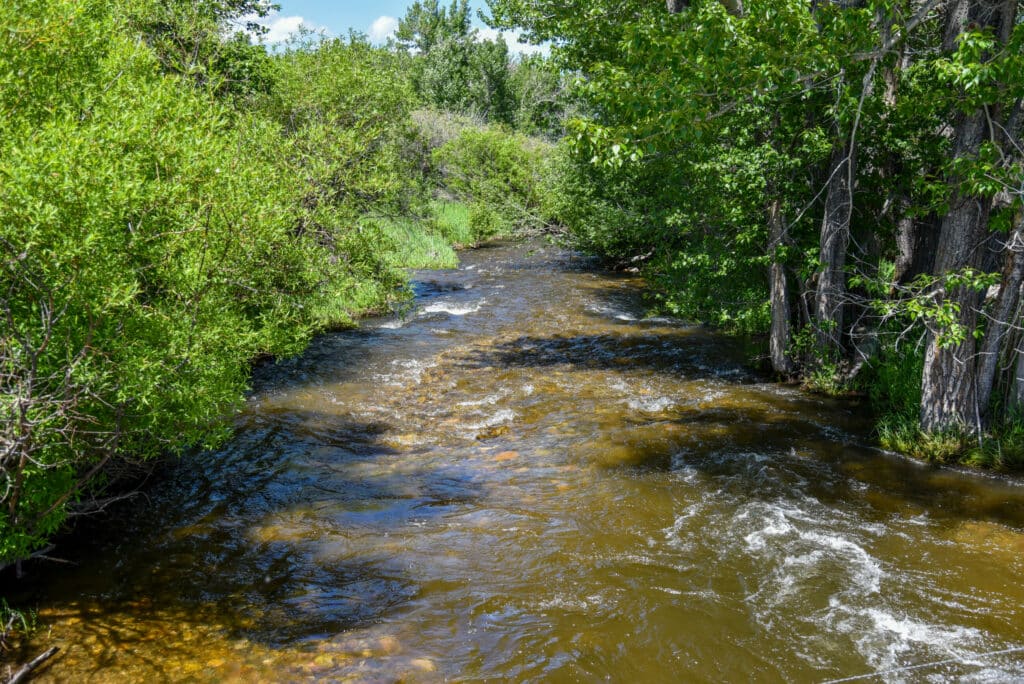
Most of the water delivered through the streams and rivers are subject to priority dates. These dates were given based on the historic time that water was put to beneficial use and the amount of water needed to irrigate that piece of ground with some rights dating back as early as 1864, when homesteaders started staking claims to ground in the west. The date determines seniority under “first in time, first in right” doctrine. What’s the benefit of having “senior” water? In drought years like we are having now, water users with an older or senior water right receive their share of the water before someone with a junior water right.
For example, Rancher Joe has a 15cfs right with an 1870 water right and Rancher Bob also has a 15cfs water right, but he has a priority date of 1865. It’s all fine and dandy if there is 30cfs in the ditch but if there is only 15cfs, Rancher Bob gets it all.
It is no question that good water rights add significant value to a piece of property from a recreational and production standpoint. The key is understanding what those rights mean.
Composed by Bill Wood of Swan Land Company
Having a real estate agent that truly understands how to research the water rights and decipher what those water rights mean is key. As the old saying goes in MT, whiskey is for drinking and water is for fighting!