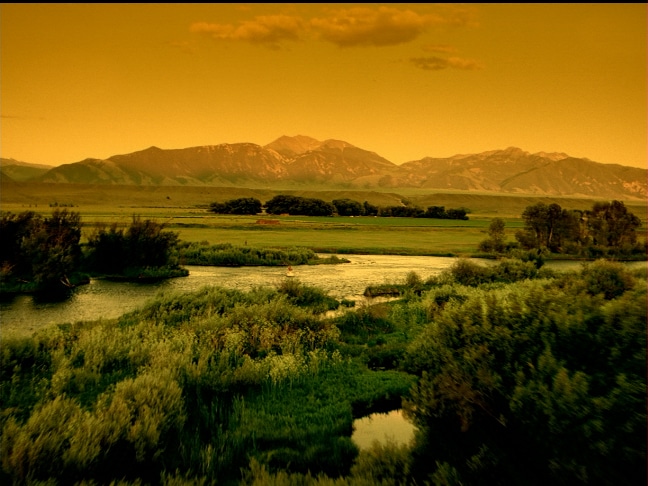
Using Your Livestock as a Mitigation Tool
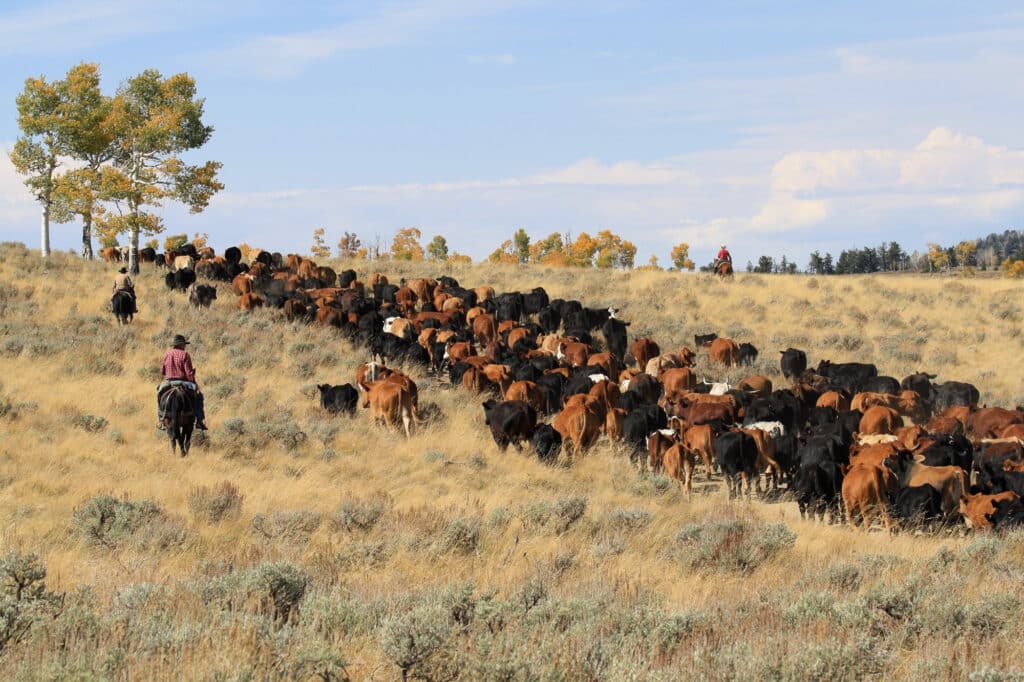
This is unique to ranchers and increasingly recognized by land managers. Livestock can be a strategic fire-prevention tool for large-acre rangeland. Controlled grazing along natural firebreaks, such as roads, can be a cost-effective tactic to combat fires, and unlike mowing, livestock actually consume the forage rather than leaving it on the ground.
Virtual fencing allows ranchers to move livestock without physical fences and could be an effective climate adaptation strategy for creating targeted fuel breaks.
The recently passed Farm, Food and National Security Act of 2026 allows grazing on vacant allotments, develops a strategy for targeted grazing to reduce hazardous fuels, and encourages federal land managers to make vacant grazing allotments available to ranchers as a wildfire mitigation tool.
Rangeland Fuel Management
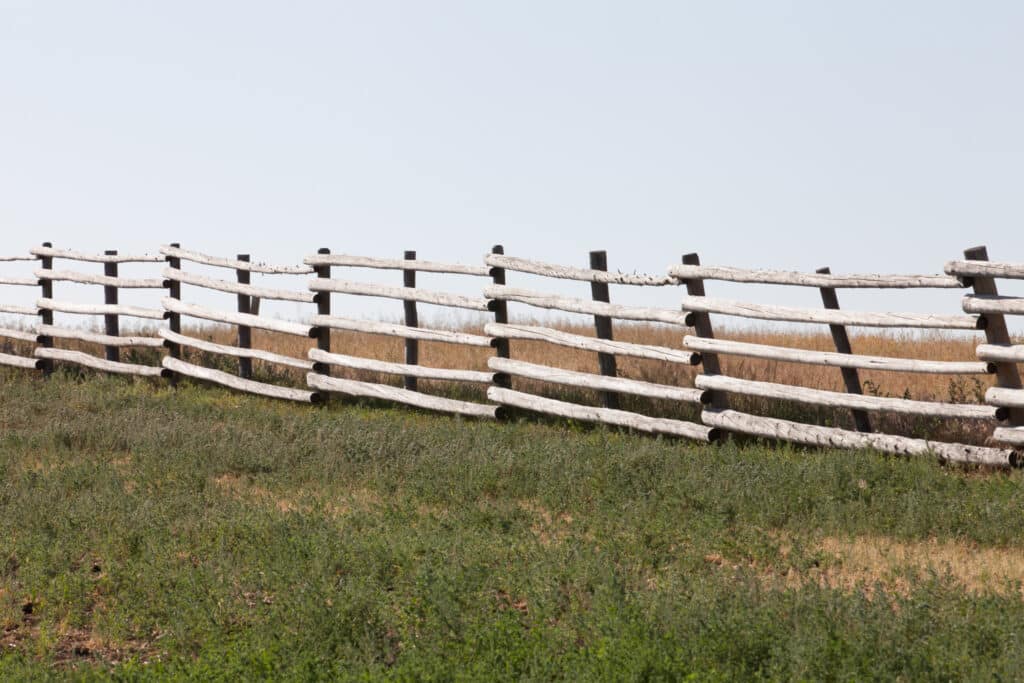
Key practices include preparing safe areas or firebreaks for livestock by maximizing trampling along fence lines and in pasture corners through strategic salt and mineral placement or winter feeding; managing fuel loads with timing, intensity, distribution, and duration of grazing; and considering patch-burning techniques to create firebreaks and safety areas.
Protecting Structures & Livestock During a Fire
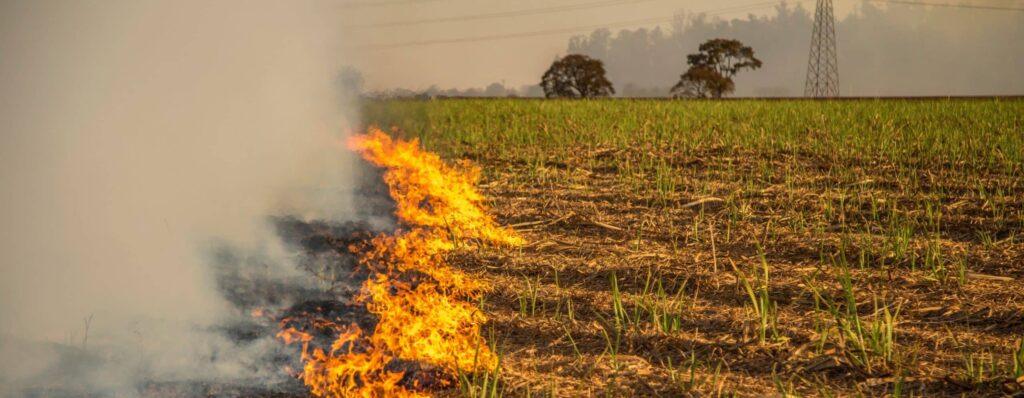
Establish and maintain firebreaks around pastures. Create defensible space around all structures, including barns and hay sheds. Create a safe zone clear of all vegetation for ranch equipment and clear vegetation around fuel tanks.
For livestock specifically: maintain gates so they open easily, relocate livestock to areas with lighter fuels or well-maintained firebreaks when time allows, hook up and load stock trailers to evacuate valuable animals like breeding stock and saddle horses, and establish a contingency plan for feeding livestock if grazing land is destroyed. Critically, do not try to herd animals in front of an oncoming wildfire, as this is extremely dangerous.
Financial Programs for Montana Ranchers
After a fire
— USDA FSA Disaster Programs (Montana Stockgrowers Association tracks these): The Livestock Indemnity Program (LIP) provides benefits for livestock deaths caused by eligible loss conditions including wildfire. The Livestock Forage Disaster Program (LFP) provides compensation to eligible producers who have suffered grazing losses. Mtbeef
Before a fire
— NRCS EQIP: Montana NRCS runs county-level Targeted Implementation Plans (TIPs) focused on rangeland wildfire hazard. Montana ranchers have used NRCS programs to thin trees, improve grazing, and reduce wildfire risk — including in mixed forest-rangeland areas like the Bull Mountains near Roundup. USDA Natural Resources Conservation Service
New Programs
— DNRC Ranchland Stewardship Program: The Montana DNRC recently launched this program using a $49.7 million EPA grant to support rangeland stewardship through regenerative grazing practices that improve soil health, increase wildfire resilience, and target 100,000 acres over four years. The application cycle opened March 6, 2026 — worth checking if still active. Northern Ag Network
Education & Planning
The DNRC’s 406 Grazing Academy is a 3-day hands-on workshop covering targeted grazing, diverse grazing strategies, and coping with drought and wildfire. It’s offered through DNRC’s Rangeland Resources Program and MSU Extension. Although registration has closed for the year, in January of 2027 a new session will offer fresh details details.
Key contacts
• Montana Stockgrowers Association — mtbeef.org — tracks disaster relief and rancher-specific resources in real time
• Local NRCS service center — EQIP cost-share for fuel management
• DNRC Rangeland Resources Program — Ranchland Stewardship Program and 406 Grazing Academy
• Local FSA office — LIP and LFP enrollment after any fire event
LFP provides financial compensation to eligible livestock producers who suffer grazing losses due to drought or fire on federally managed lands. This is for livestock producers who own or lease grazing land and have suffered a loss due to fire on federally managed lands and drought.
Livestock producers who own or lease grazing land
Those who have suffered a qualifying loss due to: Drought (the land must be in a U.S. Drought Monitor-designated D2 or higher drought area for at least 8 consecutive weeks during the normal grazing period)
Fire on federally managed lands that limits grazing access and the eligible livestock is cattle, buffalo, beefalo, dairy cattle, deer, elk, emus, equine, goats, llamas, reindeer, sheep, and swine — as long as they are used for commercial purposes.
For more information on Wildfire Guidance please read: