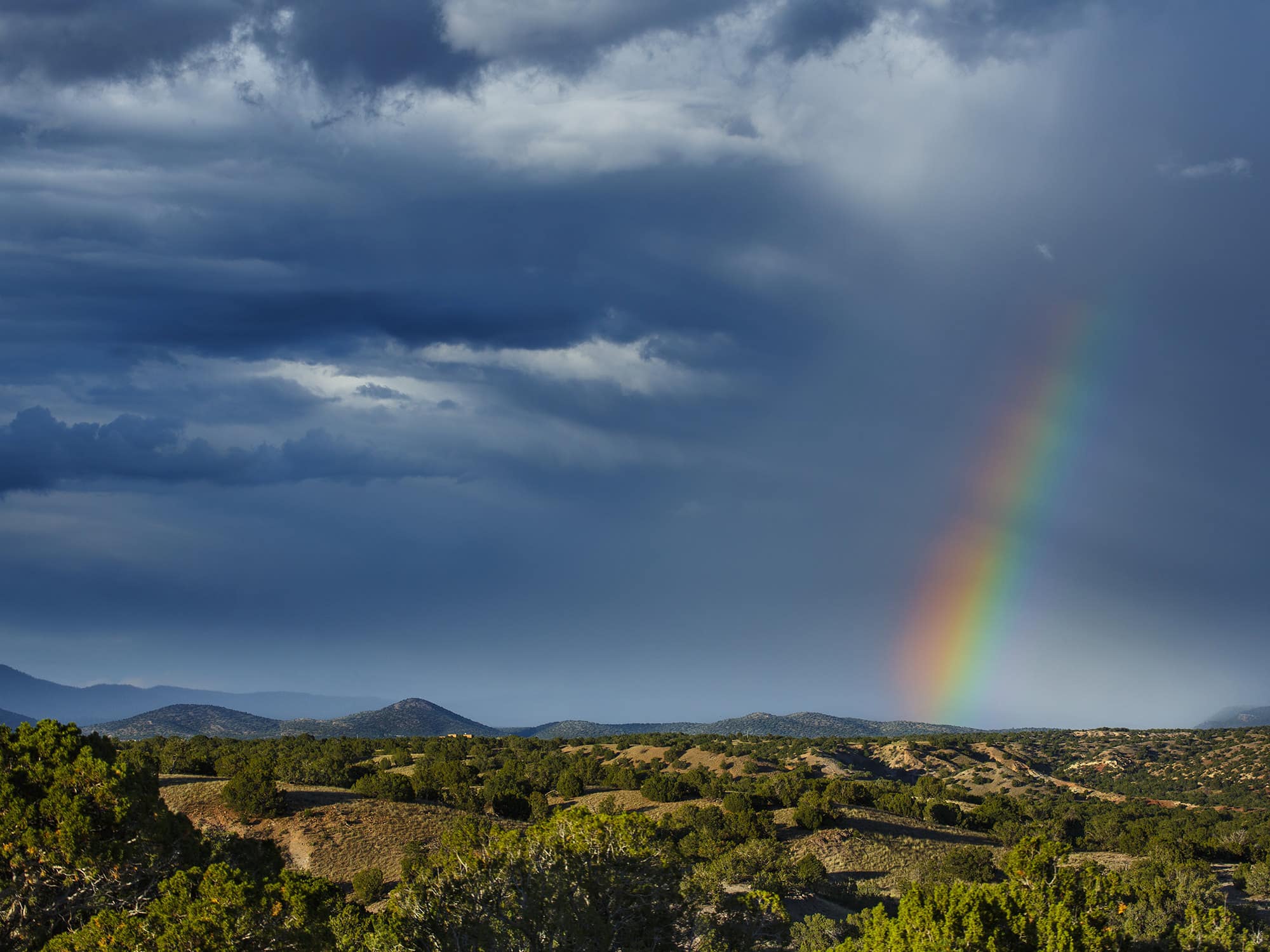
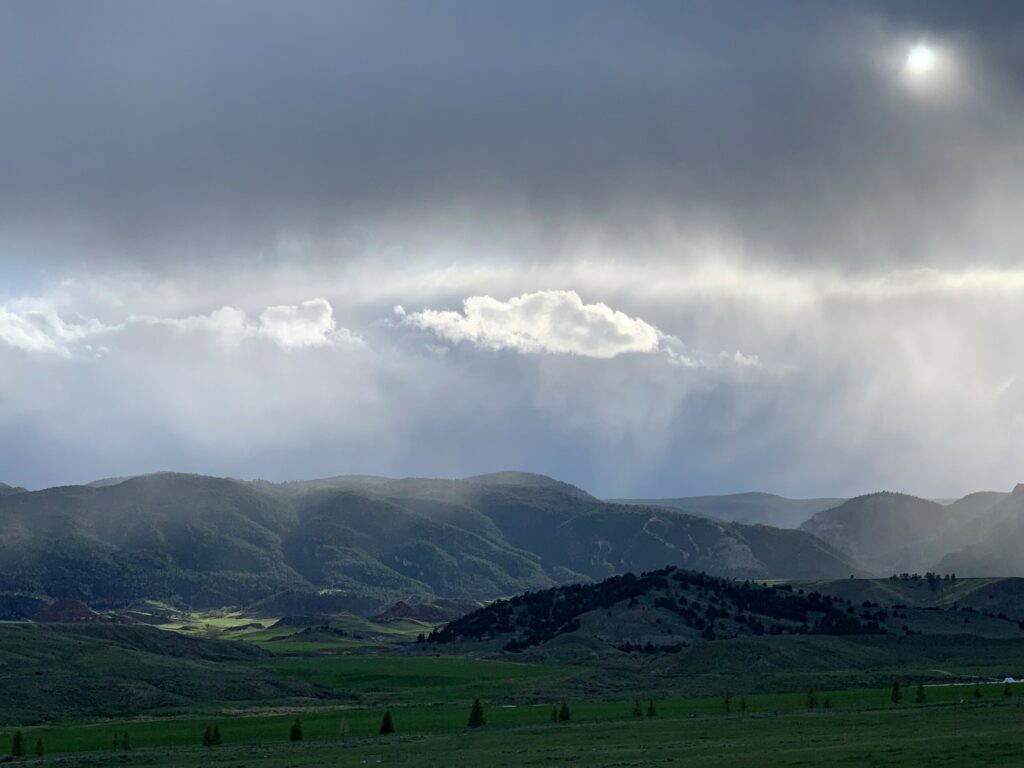
Current weather conditions aren’t our typical blog material, but the situation that southwest Montana is experiencing is worth a talking point. At this moment, we are having cool and rainy conditions which started Saturday. It has brought mountain snow and widespread showers. To farmers and ranchers, this is referred to as a “grass rain.
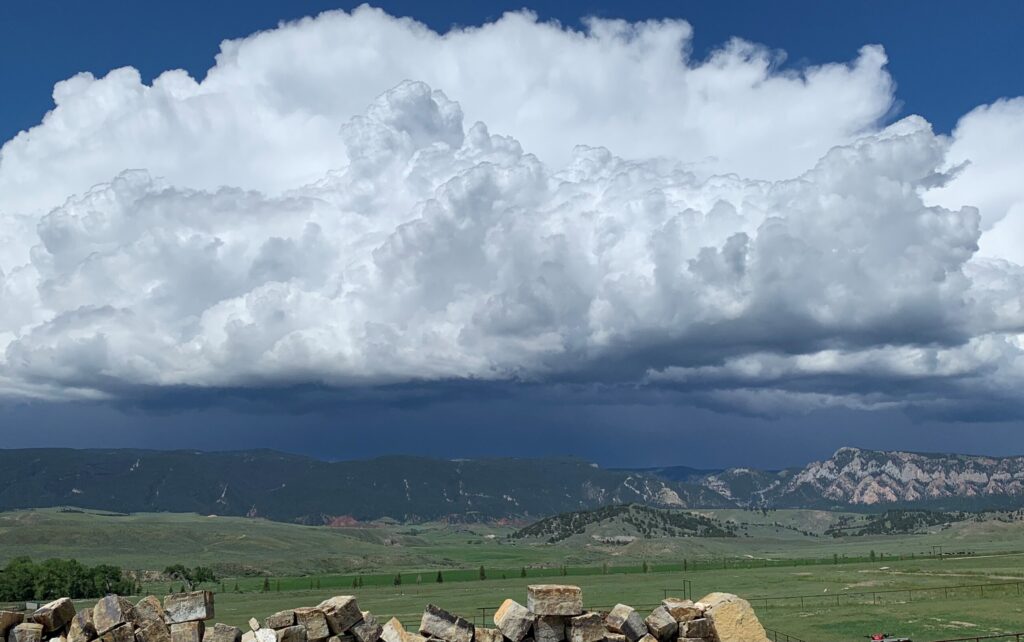
What is a “grass rain?”
It is an informal term used by farmers and ranchers to describe a slow, steady, soaking rain that provides the ideal amount of moisture for grass, pasture, and forage crops to grow. Unlike a short, heavy thunderstorm, which we have had plenty of in past years, often causes water to run off the land before it can soak into the soil, a grass rain falls gently over several hours or even days. This system allows the moisture to penetrate deeply into the ground, where it can be absorbed by plant roots.
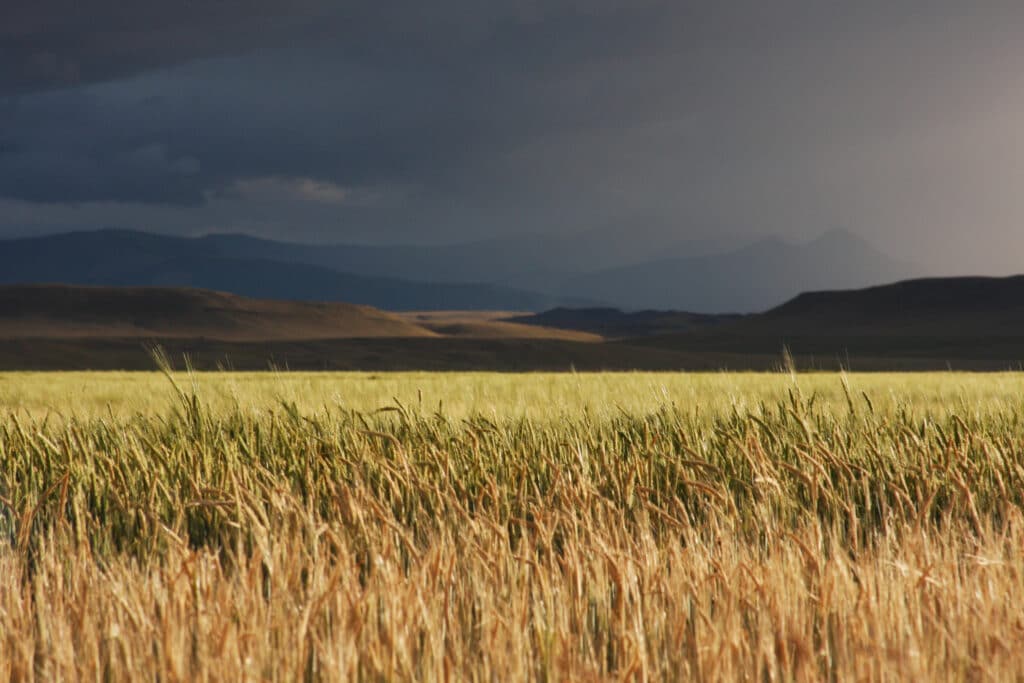
Grass rain is especially valuable because healthy pastures are the primary food source for grazing animals such as cattle, sheep, goats, and horses. When grass receives enough moisture, it grows thicker, greener, and more nutritious, giving livestock a reliable supply of forage. Good pasture growth also reduces the need for farmers to purchase supplemental feed, lowering production costs.
In addition to supporting grazing, grass rain helps hay fields produce higher yields. Farmers who harvest hay for winter feed depend on consistent rainfall during the growing season to produce enough forage. Moisture also benefits soil health by maintaining microbial activity, improving nutrient availability, and reducing drought stress on plants.
Amount of Rain
The amount of rain considered a “grass rain” depends on local conditions, but farmers generally think of it as rain that is widespread, gentle, and long-lasting enough to replenish soil moisture without causing flooding, erosion, or damage to crops. Because it promotes healthy pasture growth and supports livestock production, grass rain is often considered one of the most beneficial types of rainfall in agricultural regions.
Although the phrase is widely used in farming communities, grass rain is not an official meteorological term. It is a practical expression that reflects the importance of the right kind of rainfall for maintaining productive pastures, healthy livestock, and successful farming operations.