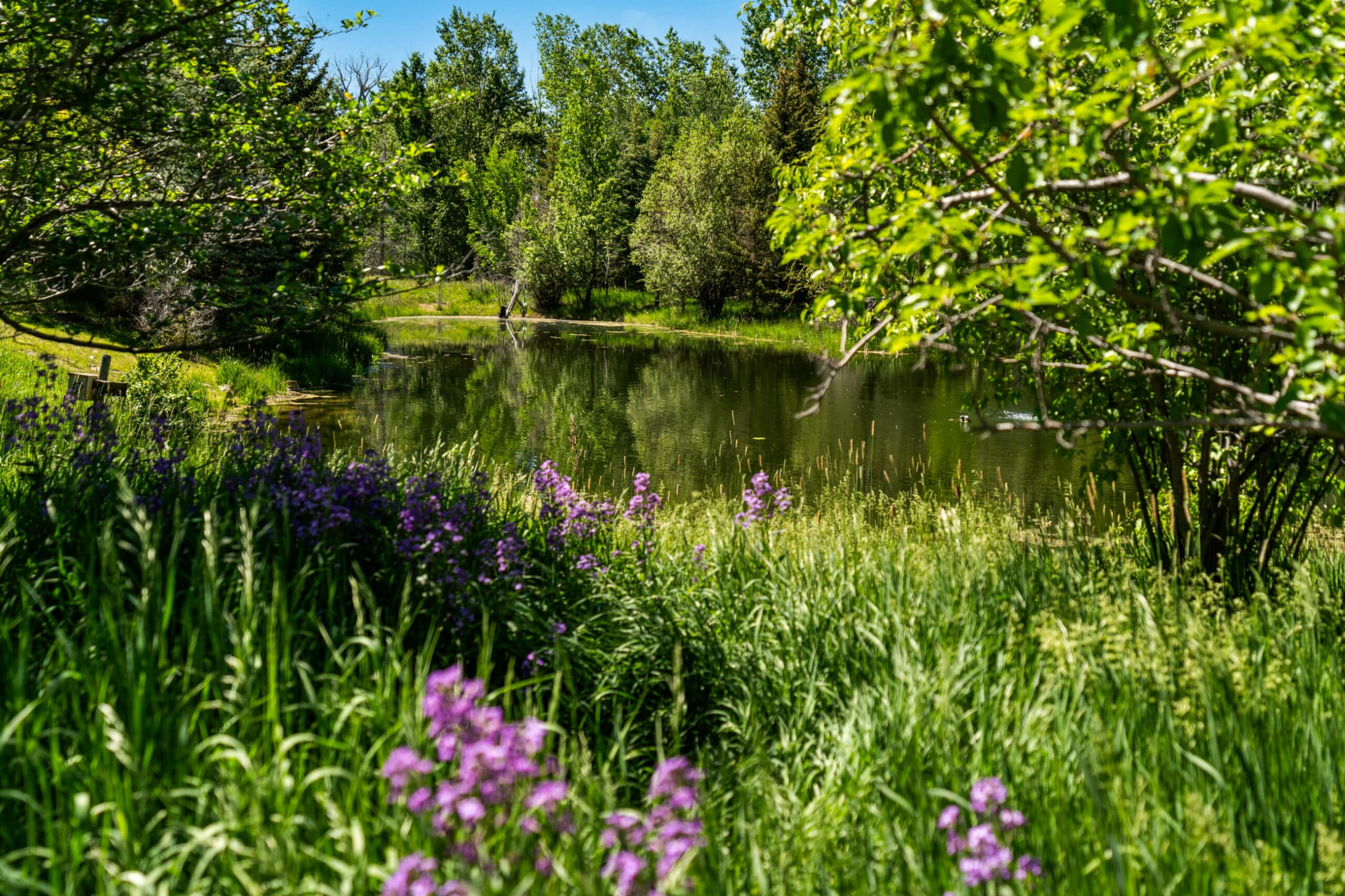
Few land investments are as misunderstood as western ranch land and ranch real estate. On the same acres, under the same deed, a well-assembled ranch operates as a cattle operation, a water asset, a wildlife preserve, a fishing destination, and a lifestyle property simultaneously. Most buyers see one or two of these layers. The best investors in Western ranch real estate see all of them — and understand how to stack them until the property becomes something the ranch real estate market has no comparable for. That scarcity is where extraordinary value lives. What follows is a guide to building it.
PUBLIC LAND ADJACENCY
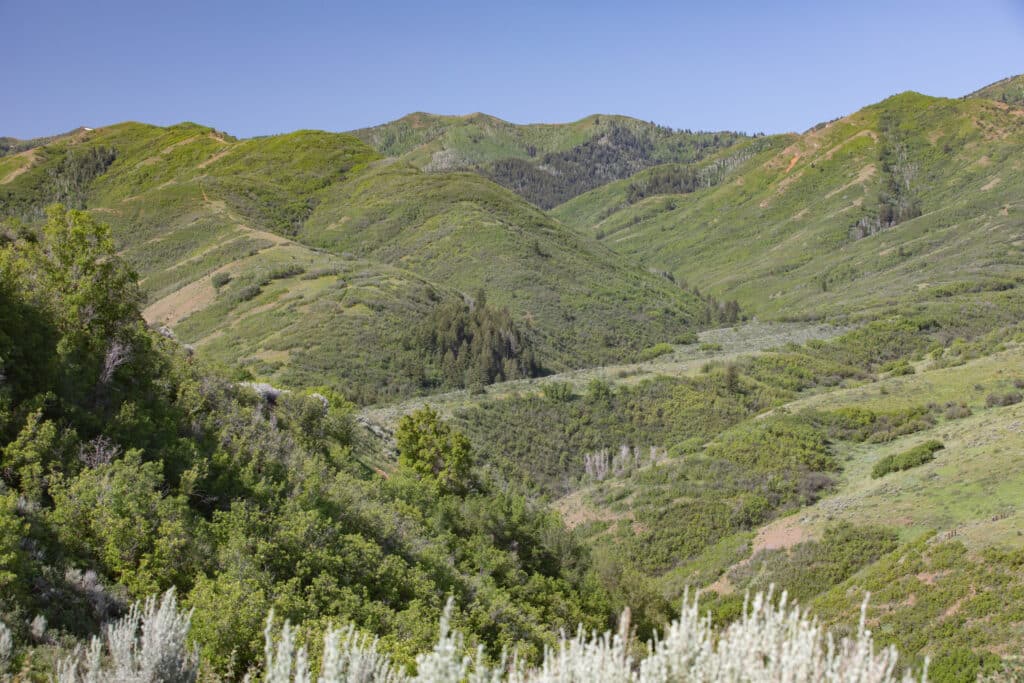
The value of bordering public land comes from its permanence. Unlike a neighboring ranch that could be subdivided, developed, or converted to a use that conflicts with your enjoyment and operations, national forest and BLM land is essentially locked in its current state indefinitely. This permanence provides several distinct forms of value.
Viewshed Protection
First, it’s a viewshed protection. The open, undeveloped character of the landscape visible from your ranch headquarters and your most-used areas will not change. This matters enormously to lifestyle buyers in the western land market who are paying for a specific visual and experiential quality of place.
Wildlife Reservoir
 |
 |
 |
Second, it’s a wildlife reservoir. Public lands, particularly national forests, carry significant wildlife populations that are not subject to the same hunting pressure as private lands in most cases. Elk, deer, bear, mountain lions, and other species that use public land for summer range and hunting-season sanctuary will move across the boundary onto adjacent private land seasonally, supplementing the private herd. A ranch that sits in the middle of a large block of national forest may effectively have access to a wildlife pool that is orders of magnitude larger than its own deeded acres.
Feeling Of More Land
Third, it expands the ranch’s effective recreational footprint enormously without adding to the land base. A 2,000-acre ranch that borders 500,000 acres of national forest gives the owner access to a landscape experience that feels like ownership of something much larger. Hiking, horseback riding, backcountry access, and hunting on adjacent public land are all available to the private landowner as a practical matter, and the experience of having that wilderness beginning at your fence line is a qualitative value that lifestyle buyers and land investment professionals price in heavily.
The complication of public land adjacency is the grazing permit question. Many ranches that historically grazed cattle on adjacent public land under BLM or Forest Service permits have seen those permits reduced, modified, or eliminated over the years due to environmental litigation, changing federal priorities, and grazing conflicts. A permit that represents significant carrying capacity today carries regulatory risk for the future. Savvy buyers — often guided by experienced land brokers — distinguish between the underlying agricultural value of the deeded acres and the value of any public land permits, and price the latter with appropriate skepticism about long-term security in land investments.
CONSERVATION EASEMENTS
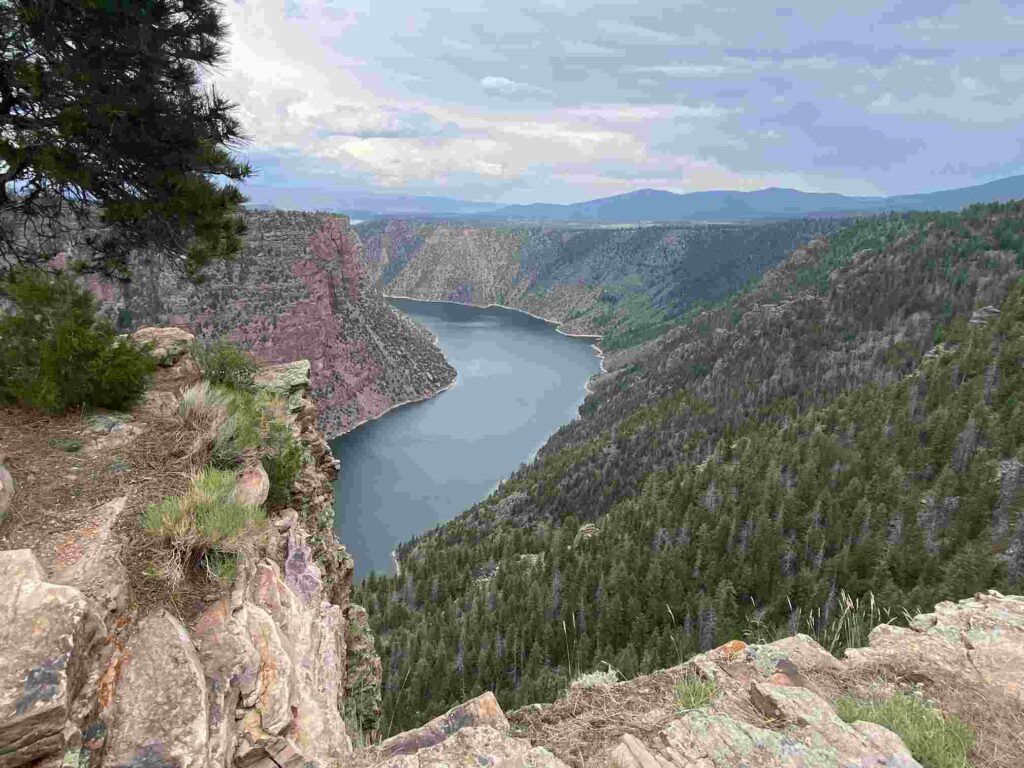
The economics of conservation easements are worth understanding in detail because they represent one of the few genuine value-creation mechanisms available to a ranch real estate owner beyond market appreciation.
The baseline concept is that the value of land is the sum of all the rights associated with it — the right to farm it, graze it, build on it, subdivide it, develop it, extract resources from it, and so on. A conservation easement is a legal agreement, recorded against the title, in which the landowner permanently relinquishes certain of those rights — typically the right to subdivide and the right to develop beyond agreed-upon levels — in exchange for either a cash payment from a land trust or a charitable deduction based on the reduction in value that the easement causes.
The tax mechanics favor donors significantly in some circumstances. If a landowner donates an easement worth $3 million in diminution of value, they can claim a federal charitable deduction of up to $3 million, subject to adjusted gross income limitations and carry-forward rules. For a high-income landowner in a high tax bracket, the after-tax value of this deduction can be substantial. Qualified conservation contributions for farmers and ranchers have received enhanced deduction treatment in various tax legislation, allowing deductions of up to several times adjusted gross income. These rules have changed over time and require current legal and tax counsel to navigate correctly — a step often coordinated by land brokers and agents.
The cash sale of an easement — where a land trust or government entity purchases the development rights — is a more straightforward transaction. The landowner receives cash equal to the agreed value of the rights being relinquished, retains ownership and use of the land, and the easement is recorded permanently. Federal, state, and private funding for easement purchases flows through various programs, including the USDA Agricultural Conservation Easement Program, state programs, and private land trust fundraising. Competition for this funding is significant in popular western ranch markets.
From a strategic land investment perspective, a buyer who purchases a ranch, holds it for a period, and then sells or donates a conservation easement has effectively extracted a significant portion of the land’s speculative value while retaining its use and the ongoing appreciation of its agricultural, recreational, and aesthetic values. The ranch becomes a lower-risk, lower-return asset after easement — the ceiling is capped, but the floor is also higher because the development risk that would suppress value in a downturn has been removed.
The buyer’s side of the easement transaction is equally interesting. Purchasing a ranch that already has a conservation easement in place offers the buyer certainty — they know exactly what they’re getting and what they can’t do with it. The easement also typically means the price reflects a discount to unencumbered value, since the development optionality has been removed. For a buyer who wants a working ranch and has no intention of ever subdividing, this discount represents genuine value. For a buyer who wants maximum flexibility, an easemented ranch is the wrong land investment asset.
IMPROVEMENTS
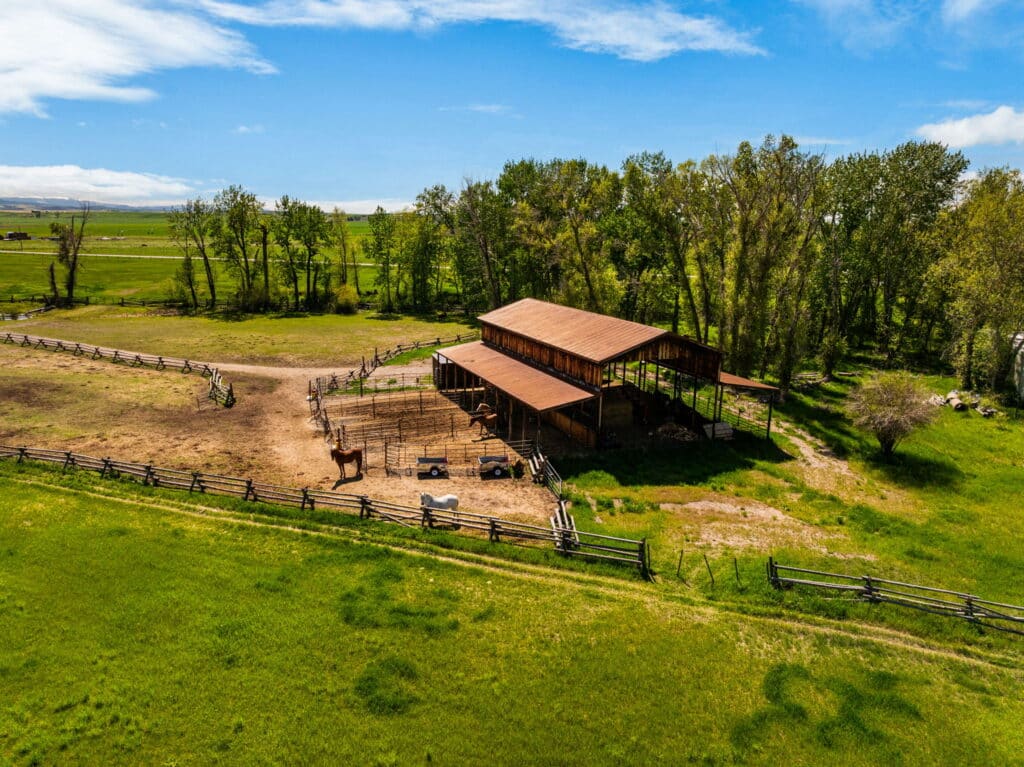
Ranch improvements are an area where owner perception and real estate market reality often diverge significantly, and understanding the difference is important whether you’re building, buying, or selling western ranches.
The improvements that add the most reliable value are those that are functional, durable, fit for purpose, and appropriate in scale and character to the ranch. A well-designed main residence with high-quality construction, good views, proper insulation and mechanical systems for the climate, and a layout that works for how people actually use a ranch headquarters is genuinely valuable in ranch markets. Buyers will pay a premium for a house they can move into without significant capital investment. They will heavily discount a house that needs work, feels dated, or doesn’t meet their expectations.
Guest accommodations add disproportionate value relative to their cost when they’re done well. Many premium ranch buyers expect to be able to host family and guests, and a ranch with a well-designed guest cabin or two — comfortable, private, finished to a consistent quality with the main house — is meaningfully more valuable than one where guests have to sleep in the ranch house. The operational implication for hunting operations is equally clear — accommodating paying hunters or outfitter clients requires comfortable, functional lodging.
Barns and agricultural infrastructure add value to working-ranch buyers but are often viewed neutrally or negatively by lifestyle buyers, who see them as maintenance obligations. A massive old dairy barn that requires $500,000 in repairs to prevent collapse is a liability, not an asset in land real estate terms. A clean, functional, well-maintained equipment and hay storage facility that supports the ranch’s operations reads positively to most buyers, regardless of their primary motivation.
Fencing deserves more attention than it typically gets in real estate property marketing. A ranch with well-maintained, properly designed fencing that facilitates rotational grazing, keeps cattle out of riparian areas, and controls wildlife movement is more functional and more valuable than one with deteriorated fencing that is a constant maintenance burden. The cost of comprehensive fencing replacement on a large ranch can be substantial, and experienced land brokers know buyers price this in carefully.
Water infrastructure — irrigation systems, stock water pipelines, developed springs, reservoirs — is highly valuable in western ranch properties when it’s functional and has legal water rights. The condition of ditches, headgates, pivot systems, and distribution infrastructure should be assessed carefully. Deferred maintenance on irrigation infrastructure can represent significant capital requirements that offset the value of the water rights themselves in land investments.
The trap to avoid is over-improving in ways that don’t match the likely buyer. Spending $2 million on an equestrian facility on a ranch that will sell primarily on hunting value adds cost but not proportional value. Building a spa and resort-quality pool on a working cattle ranch creates a mismatch of character that can make ranch real estate marketing harder. The best improvements are those that enhance the ranch’s existing attributes and align with what buyers in that specific market segment are willing to pay for.