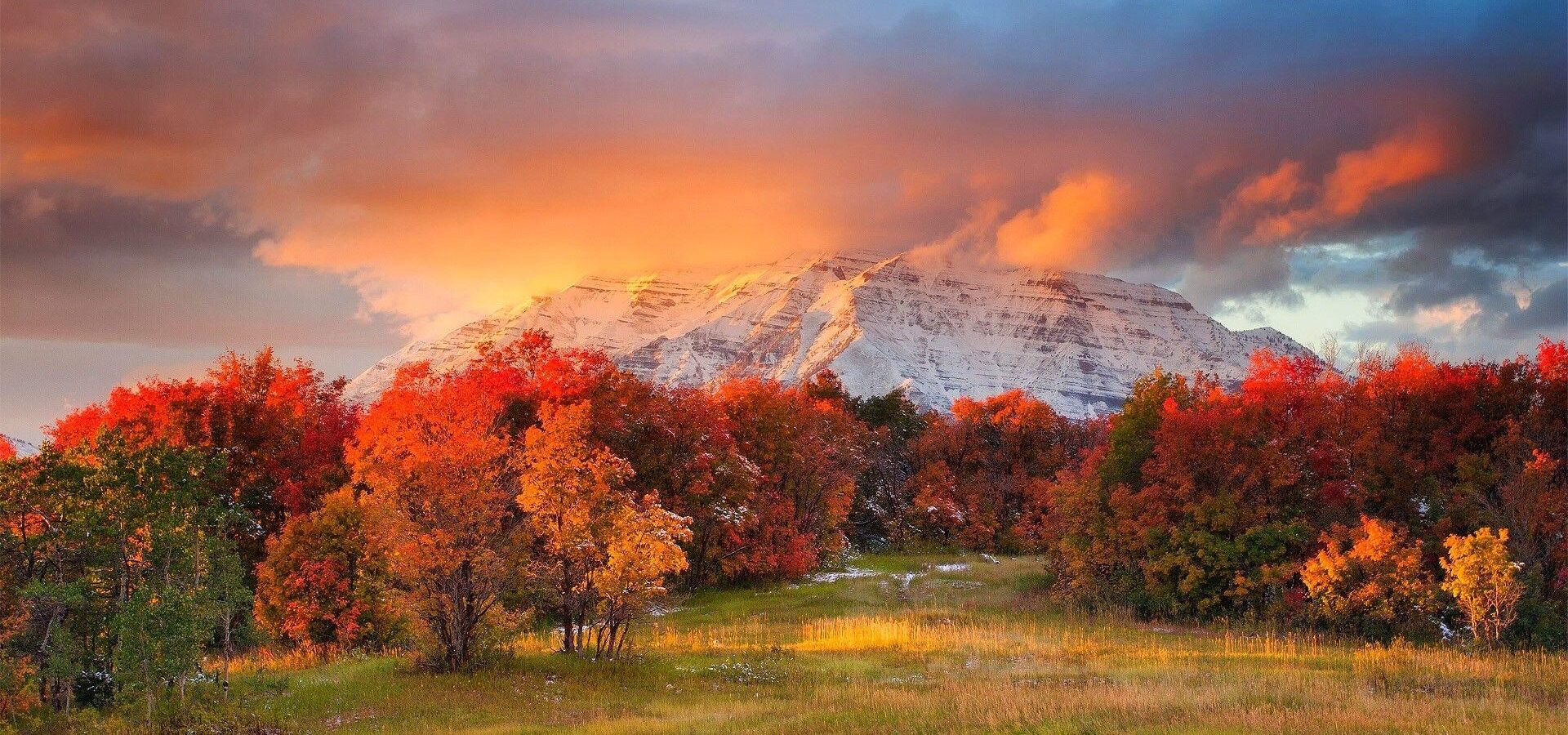
Fall is payday season on a Western cow-calf outfit, but calling it payday season makes the work sound easier than it is. From September through November, nearly everything on a Montana or Wyoming ranch is moving toward two priorities: turning the year’s calf crop into a check and getting the cow herd, equipment, feed supply, and infrastructure ready for winter.
It is one of the busiest stretches of the ranch year because the jobs overlap. Cattle have to be gathered out of summer country while the weather still cooperates. Calves need to be weaned, vaccinated, sorted, weighed, and marketed. Cows need to be preg-checked and culled. Hay has to be counted and put where it can be reached in a January blizzard. Water systems, fences, machinery, and buildings all need attention before temperatures drop. And underneath all of it is the financial reality of ranching: the cattle check that comes in during the fall may determine how comfortably the operation can make it through the coming year.
Bringing the Cattle Home

The season often begins with the gather.
Cattle that spent the summer in high country have to come home before the weather turns and before grazing permits expire. Some ranches run pairs on private mountain pasture; others use Forest Service or BLM allotments. Either way, getting cattle off summer range is rarely a matter of simply opening a gate and pointing them toward home.
The gather can take days.
Ranchers and their crews ride into timber, creek bottoms, steep draws, and pockets of country where cattle have spent months spreading out. Pairs that were easy to find in June can be surprisingly difficult to locate in September. Riders push cattle toward gathering points, count heads, and keep track of which cows and calves belong together. Someone is always riding back for a straggler.
The work is physical, but it also takes knowing the country and reading cattle. A good rider learns where cattle like to bed down, where they will turn back, and which draws they tend to disappear into. On a large operation, the gather is also an exercise in logistics: horses, trailers, riders, radios, gates, corrals, and timing all have to come together.
Fences get attention along the way. Summer storms, fallen trees, wildlife, drifting cattle, and ordinary wear can leave weak spots that may not matter in August but become a serious problem once snow pushes cattle toward lower ground. An overlooked gate or broken fence can turn into a long night of looking for cattle after an early storm.
By the time the herd comes home, the ranch has shifted from summer mode to fall mode.
Weaning and Shipping
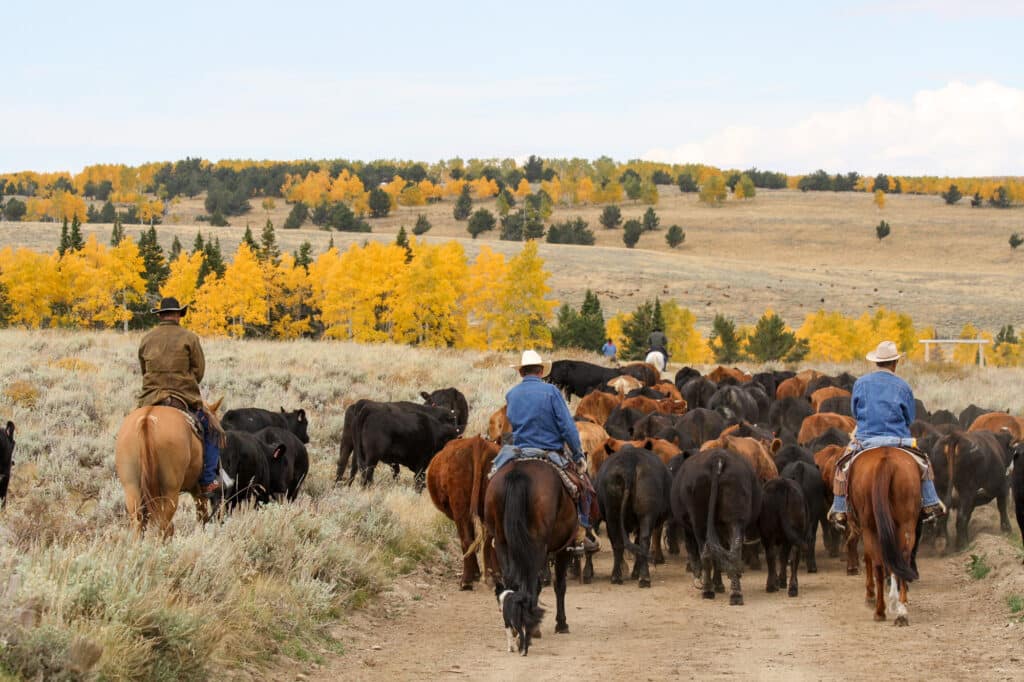
Then comes the event that defines the fall calendar: shipping calves.
For a cow-calf ranch, the calf crop represents months of work and a major portion of the year’s income. The calves that were born in the spring, watched through summer, and moved across pastures now have to be sorted away from their mothers and prepared for market.
On many operations, that process starts well before the sale date. Calves may receive vaccinations and booster shots, be dewormed, and spend several weeks being preconditioned. Preconditioning can include getting calves accustomed to eating from a bunk, drinking from a tank, and being handled through a chute. The goal is to send cattle down the road that are healthy, accustomed to people and feed, and better prepared for the transition into the next stage of production.
Weaning is its own operation.
The traditional method is to separate cows and calves completely, often putting them in different pastures or corrals. Another approach is fence-line weaning, where cows and calves are separated by a strong fence but remain close enough to see and hear one another. The method can reduce some of the stress associated with abrupt separation and may help limit the weight loss that can accompany weaning.
Once calves are ready, the sorting begins. Some will be shipped directly to a local auction market. Others may have been marketed months earlier through a video auction such as Superior Livestock Auction or Northern Livestock Video Auction. Some calves are retained as replacement heifers, meaning they will never make that fall truckload because they are part of the ranch’s future breeding herd.
On shipping day, the corrals become the center of the ranch. Cattle are sorted, weighed, tagged, loaded, and checked one more time. Trucks arrive, paperwork gets signed, and eventually the calves disappear down the road.
For the rancher, it is a strange moment. Months of work leave the place in a matter of hours, and the truck heading toward town represents both income and uncertainty.
Sorting the Cow Herd
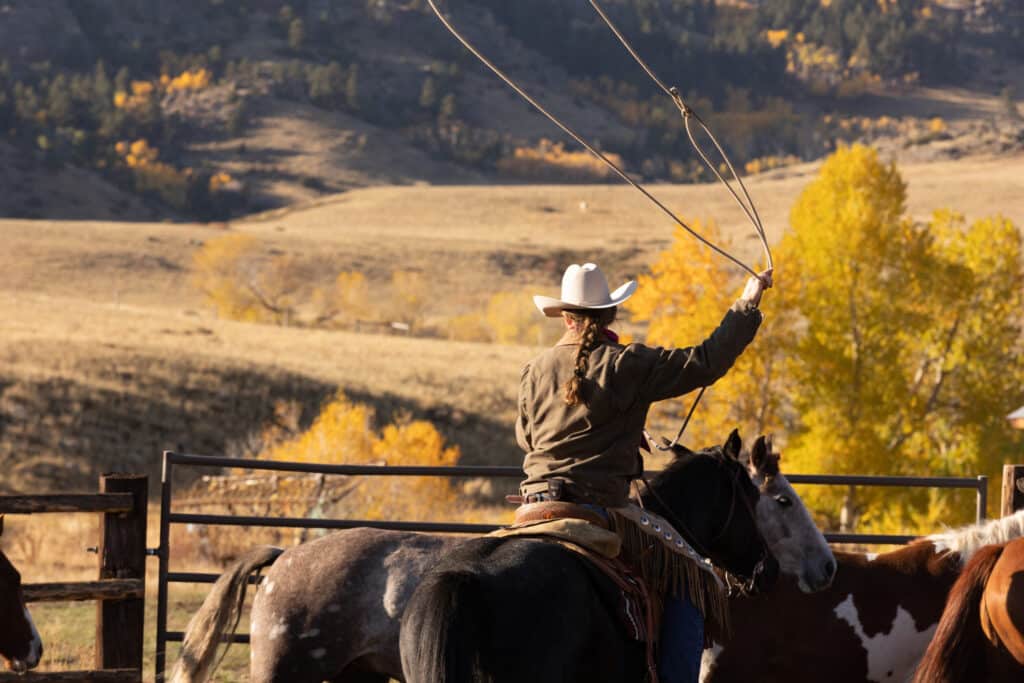
Once the calves are gone, the rancher’s attention turns back to the cows.
Fall is when the breeding herd gets evaluated for another year. A veterinarian typically preg-checks the cows, determining which animals are carrying calves and which are open. An open cow represents more than a missed calf; she has consumed pasture, hay, labor, and other resources without producing a calf to sell the following fall.
Open cows are therefore candidates for the cull string.
So are older cows whose teeth have worn down, cows with poor udders, animals that consistently lose condition, or cows that have proven difficult to handle. Disposition matters on a working ranch, too. A cow that is consistently hard to handle can create problems for the people and cattle around her.
Culling is not simply about getting rid of animals. It is one of the ways a rancher manages the quality and economics of the herd. Every cow that stays has to earn her place through another production cycle.
Bulls also get their fall evaluation. After spending the breeding season with the cows, they are pulled from the pastures and assessed for condition and soundness. Bulls that will be retained may receive vaccinations, parasite treatment, and additional care before heading into the winter. Replacement bulls may be selected, purchased, or arranged for well before the next breeding season.
The entire herd is being positioned for the following year before winter has even arrived.
Preparing for Winter

Then there is the job that never really goes away in the northern Rockies: preparing for winter.
Hay is one of the biggest calculations.
A rancher needs to know how many tons are on hand, how many cows and other livestock will need it, how long the feeding season might last, and how much margin is available if winter stretches into April. A mild winter can make the hay inventory look generous. A long, cold winter can make the same inventory disappear surprisingly fast.
If the summer hay crop was short, fall is the time to buy. If the ranch produced enough, bales are stacked, inventoried, and positioned so they can be accessed when snow and ice make moving equipment difficult.
Cattle may be moved onto fall pasture, harvested hay fields, crop aftermath, or other available grazing areas to stretch the feed supply. Every day cattle can graze rather than eat stored hay is valuable.
Water systems receive the same attention.
Irrigation systems are shut down before freezing weather arrives. Ditches are cleaned and drained. Pipes and pivots are winterized. Stock tanks are checked, springs are cleared, and heaters are installed where necessary. In the coldest stretches of winter, providing water can become one of the hardest daily jobs on the ranch. A frozen tank means breaking ice, hauling water, or getting a system running again in conditions that may be twenty degrees below zero.
The same thinking applies to equipment.
Tractors, bale processors, loaders, pickups, feed trucks, and other machinery get serviced while there is still time to do it in the shop rather than in a snowbank. Oil gets changed, filters replaced, batteries checked, tires inspected, and hydraulic systems looked over.
A machine that starts easily in October is one thing. A machine that starts at 20 below in January is a different kind of asset.
The Business of Fall
There is another side to fall that is less visible from horseback: the business side of the ranch.
The cattle check may be the largest single influx of cash the operation sees all year, and decisions made around that check can affect the ranch for months. Bills are paid. Accounts are settled. Hay, fuel, fertilizer, feed, repairs, and equipment expenses are considered. Tax planning becomes part of the conversation, as does the cost of replacing machinery or infrastructure.
Ranchers are also already thinking about the next calf crop.
What will the winter look like? How much hay is needed? Which cows will be retained? Which bulls need replacing? When will the cows be bred? How should next year’s calves be marketed? Are there contracts worth considering? Should more calves be preconditioned? What did this year’s numbers reveal about the operation?
Fall is therefore both the end of one production cycle and the beginning of the next.
Hunting Season Adds Another Layer

In the Mountain West, fall brings another major activity to the ranch: hunting season.
For ranches that lease hunting access, guide hunters, work with outfitters, or simply share boundaries with public hunting country, September and October can bring another layer of traffic and coordination. Gates have to stay closed. Hunters need instructions. Livestock need to be kept where they belong. Neighbors, outfitters, and lease hunters may all be moving across country that the rancher is simultaneously using for cattle work.
It is a balancing act between agriculture, recreation, wildlife, and property management.
And while the landscape may look quieter as summer fades, the ranch itself is anything but quiet.
The Tempo of the Season
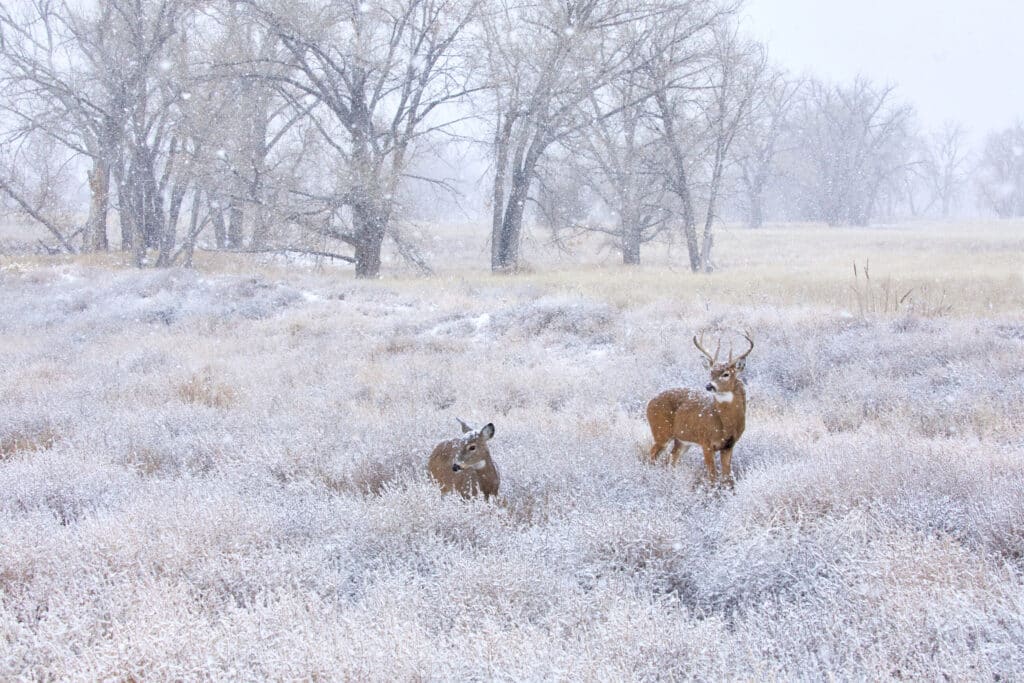
By November, the character of the ranch has changed.
The high country is empty of cattle. The calves are gone. The cow herd is sorted and evaluated. Hay is stacked. Equipment is serviced. Water systems are winterized. Fences have been checked. The books are being reconciled, and the first real cold has usually arrived.
There is a brief satisfaction in seeing those jobs completed, but there is little time to celebrate. Winter is coming, and winter on a Montana or Wyoming ranch is not simply a season on the calendar. It is a test of preparation.
The work done in the fall determines how well the ranch handles the months ahead.
That is what makes fall so important on a Western cow-calf operation. It is the season when a year’s worth of grass, cattle, labor, weather, and management decisions finally gets turned into a paycheck—and when that paycheck, along with the hay stacked behind the barn and the cows standing in the pasture, has to carry the ranch into another winter and, eventually, another spring.
See more blogs:
Why Land Brokers Matter When Selling Ranch Property
Attracting And Identifying The Right Buyers For Western Land- Part One
Swan Land Company