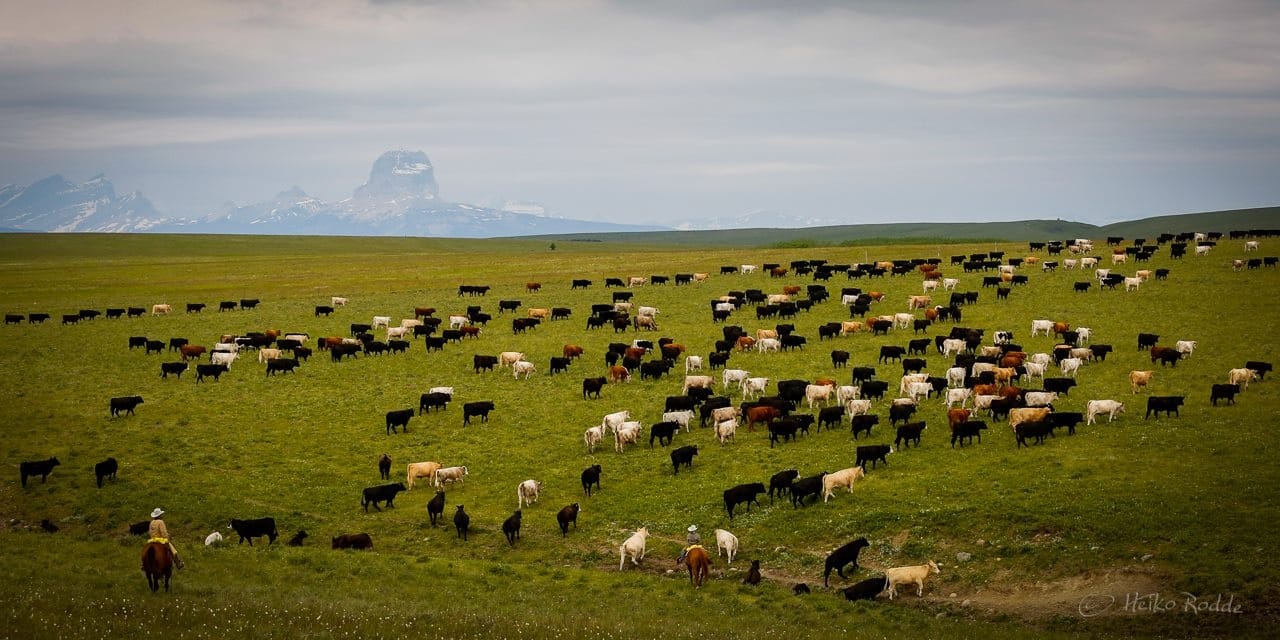
Across the wide-open ranch country of the western United States, the cycle of a working cattle operation is closely tied to the land. Seasons dictate when cattle are bred, when calves arrive, when livestock move to summer pasture, and when hay is put away for the winter. At the heart of many of these operations is the cow-calf model.
A cow-calf operation is a cattle (Corps of Discovery Ranch) enterprise centered on maintaining a breeding herd of mature cows, producing a calf crop each year, and raising those calves until they are weaned and marketed. It is a foundational model of the American beef industry and remains an important part of the agricultural landscape across the Northern Rockies.
The Annual Cycle of a Cow-Calf Operation
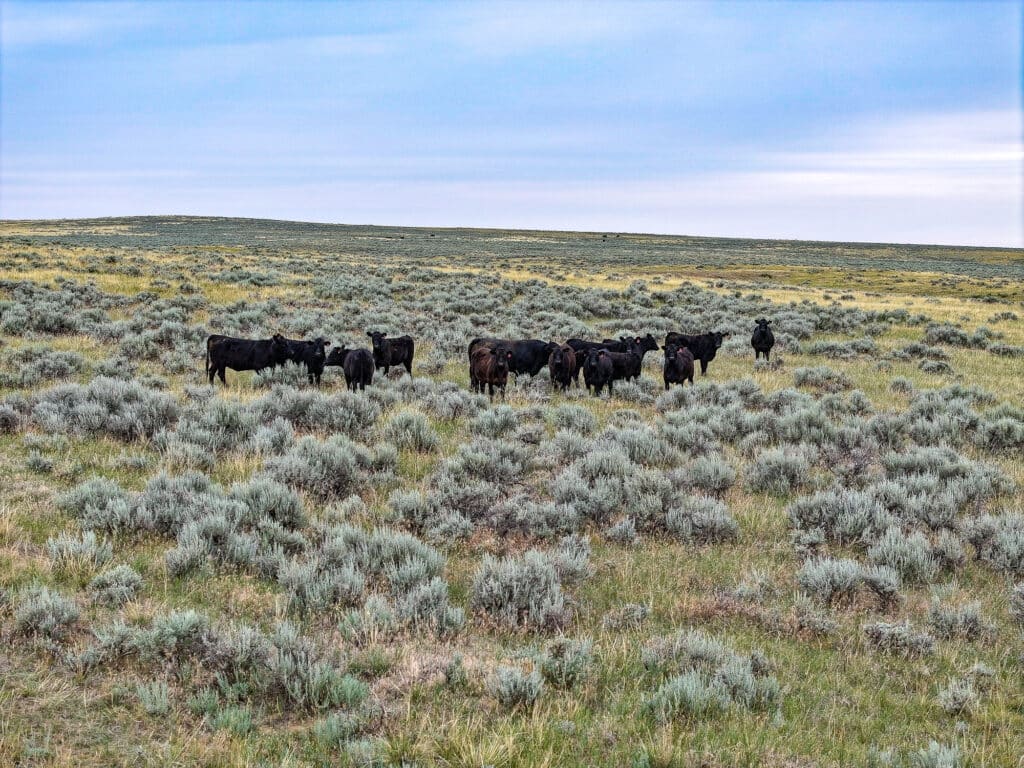
A successful cow-calf operation (Battle Mountain Ranch) follows a carefully managed annual cycle. Breeding, calving, grazing, weaning, and marketing each take place within a broader plan shaped by the ranch’s climate, forage resources, water, and infrastructure.
Ranchers time breeding to align calving with conditions. In the western region, that decision can matter even more. Long winters, variable spring weather, elevation, and the timing of green-up all influence how a rancher approaches the breeding and calving seasons.
Calving marks one of the busiest periods of the ranch year. Ranchers monitor cows and newborn calves closely, often working long hours to ensure healthy births and give young livestock the best possible start. From there, cows and calves transition onto available pasture and rangeland as conditions allow.
Through the summer, cattle may move across native grasslands, irrigated meadows, mountain pastures, or a combination of forage resources. Moving livestock across a property and using available forage effectively is an important part of ranch management.
By late summer or fall, calves are generally weaned from their mothers. Depending on the operation, producers may sell, retain, or move them into another stage of the beef production system.
The cycle then begins again.
The Land Behind the Cattle
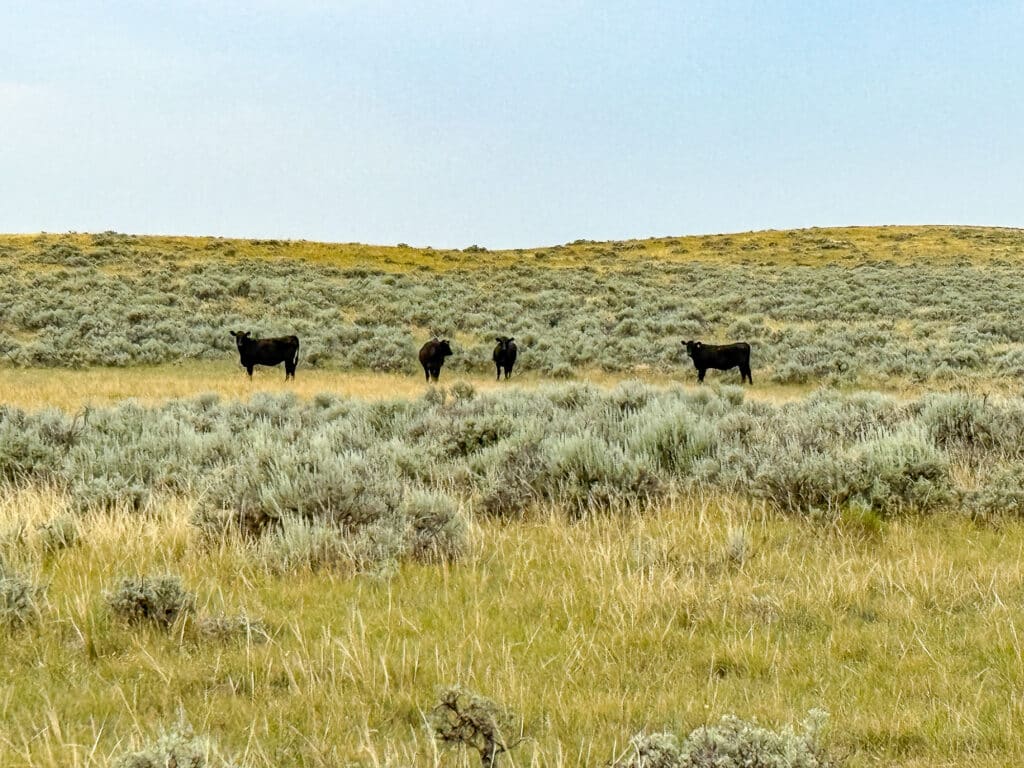
A cow-calf operation (Antelope Springs Ranch) is ultimately dependent on the land that supports it. For western ranches, the productive capacity of a ranch can vary dramatically from one property to another, even when two ranches have similar acreage.
Water, precipitation, elevation, soils, forage quality, irrigated ground, fencing, and grazing management all contribute to a property’s agricultural potential. A ranch with productive irrigated meadows may be able to produce substantial winter hay, while expansive native rangeland can provide summer grazing. Together, these resources can create a self-contained and highly functional cattle operation.
This is one reason acreage alone rarely tells the complete story of a western ranch.
A property may include thousands of acres, but its true agricultural character is better understood by looking at how those acres function. Where does the livestock graze? Where is the water? How much hay can the ranch produce? How are pastures divided? What are the wintering options? What additional grazing resources are available?
These questions help reveal the relationship between the land and the operation it supports.
Understanding Carrying Capacity
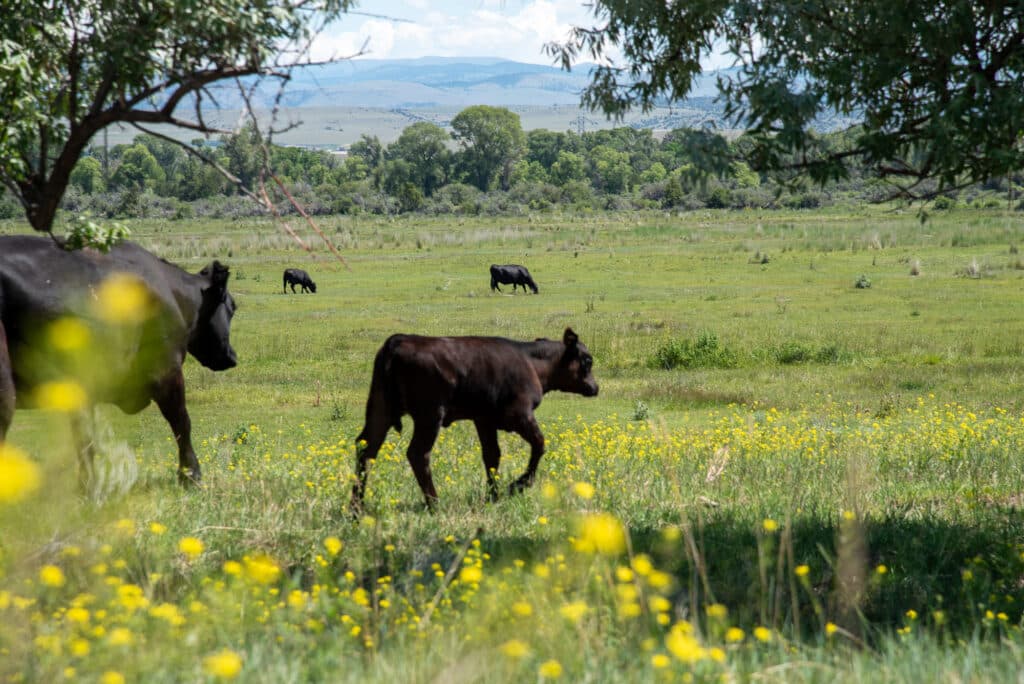
The above photo is from Corps of Discovery Ranch
For ranch buyers, carrying capacity is an important concept. In simple terms, it refers to the amount of livestock a property can support over a given period while maintaining the health and productivity of its forage resources.
There is no universal number that applies to a particular number of acres. Carrying capacity can change with precipitation, forage production, range condition, elevation, management practices, and annual growing conditions.
In the arid and semi-arid West, this variability is especially important. A productive ranch is not simply a collection of acres; it is an ecosystem that requires thoughtful management.
What Buyers Should Look For
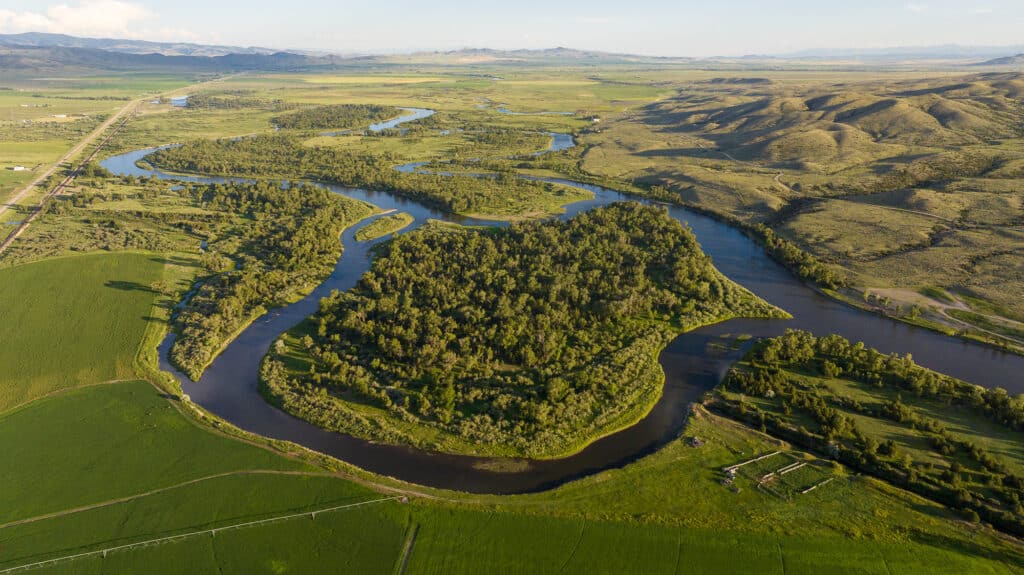
For those considering the purchase of a working cattle ranch, understanding the underlying operation can provide valuable perspective.
The quality and quantity of water, irrigated acreage, grazing resources, hay production, fencing, livestock handling facilities, roads, corrals, barns, and wintering areas can all influence how a ranch functions. Existing grazing leases or other access to additional forage may also be an important part of the overall operation.
Perhaps most importantly, buyers should consider how all of these elements work together.
The appeal of a western ranch often goes well beyond its scenery. A creek running through a valley, a productive hay meadow, a well-designed set of corrals, or thousands of acres of native grassland each contribute to the property’s character and usefulness. For an operating ranch, these details are part of what makes the land work.
A Tradition Rooted in the Land
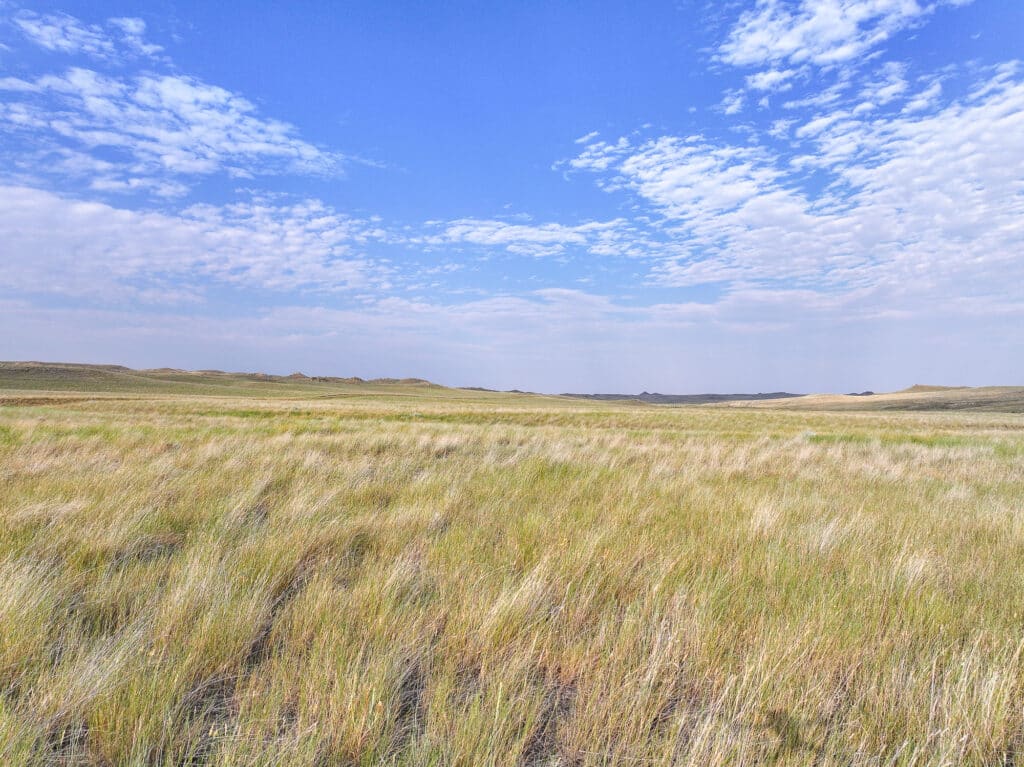
The above photo is from Antelope Springs Ranch
The cow-calf operation remains deeply connected to the character of western ranches. It is an agricultural model shaped by open space, seasonal weather, native grasslands, livestock, and generations of ranching knowledge.
For prospective ranch buyers, understanding that relationship between livestock and land is an important part of understanding the property itself. The most compelling ranches are often those where the landscape, agricultural resources, improvements, and operation come together as a cohesive whole.
For buyers and sellers alike, recognizing how a ranch functions, not simply how many acres it contains, can provide a much richer understanding of its agricultural and long-term value.