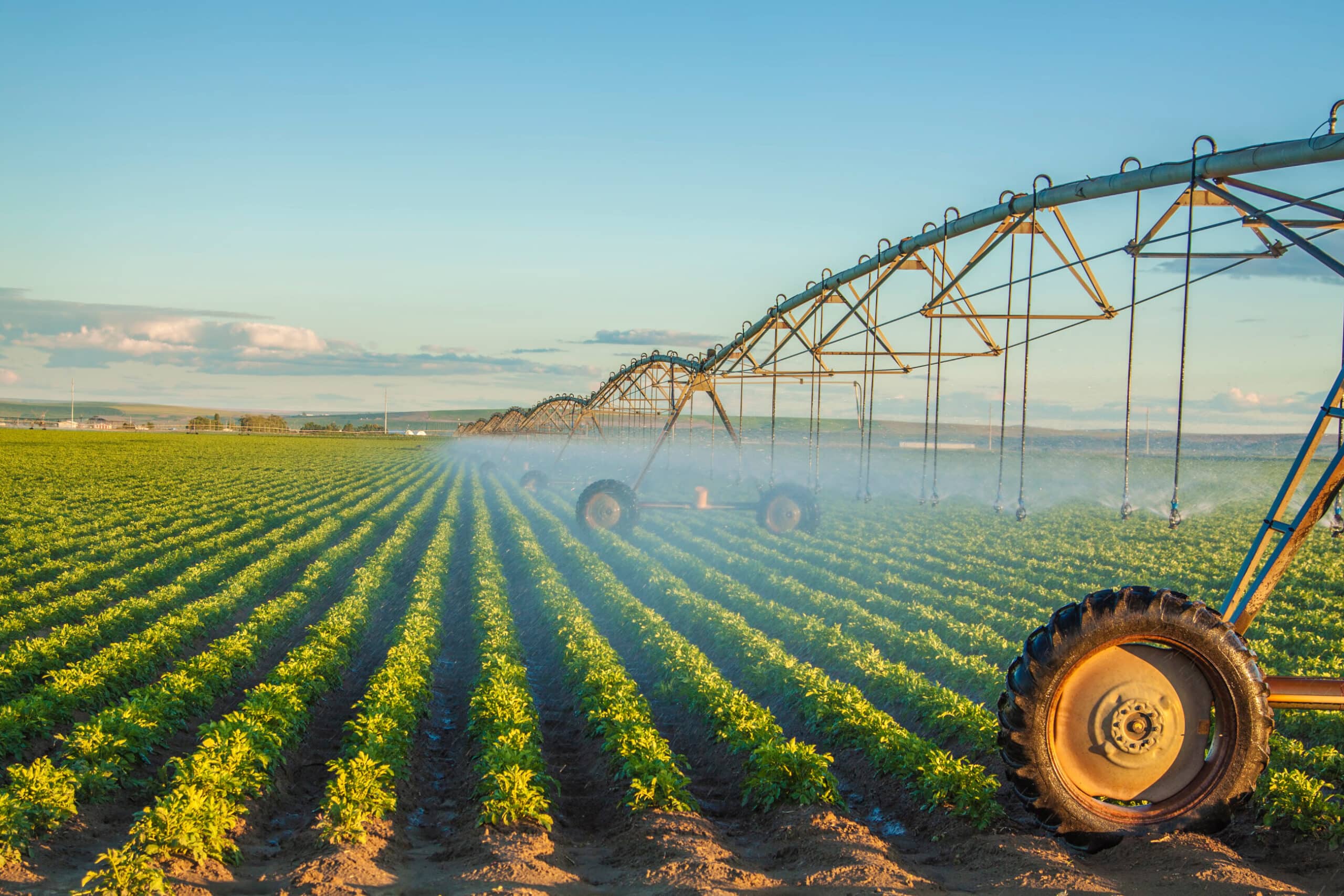
Owning a working ranch in the west means more than owning land; it means having the right tools to work that land through every season the state throws at you. From the first cut of hay in summer to calving in the cold of early spring, the equipment on a ranch determines how efficiently daily operations run and how well livestock and land are cared for year-round. For buyers considering a ranch property, understanding this equipment and what it takes to keep a place running offers real insight into the day-to-day realities of ranch ownership. Here’s a look at the core machinery and infrastructure that make a Montana ranch function.

The Tractor Factor
For a western rancher, a reliable tractor is often the single most important piece of equipment on the property. Whether feeding livestock, moving hay, maintaining roads, clearing snow, or operating attachments, the tractor serves as the backbone of daily ranch operations. Equipped with a front-end loader, it becomes even more versatile, allowing ranchers to move round bales, load feed, handle manure, and perform countless tasks year-round. Many operations keep more than one tractor on hand a larger unit for haying and heavy loader work, paired with a smaller utility tractor for chores around the barn, mowing, or working in tighter spaces where a full-size machine is impractical.
Trucks
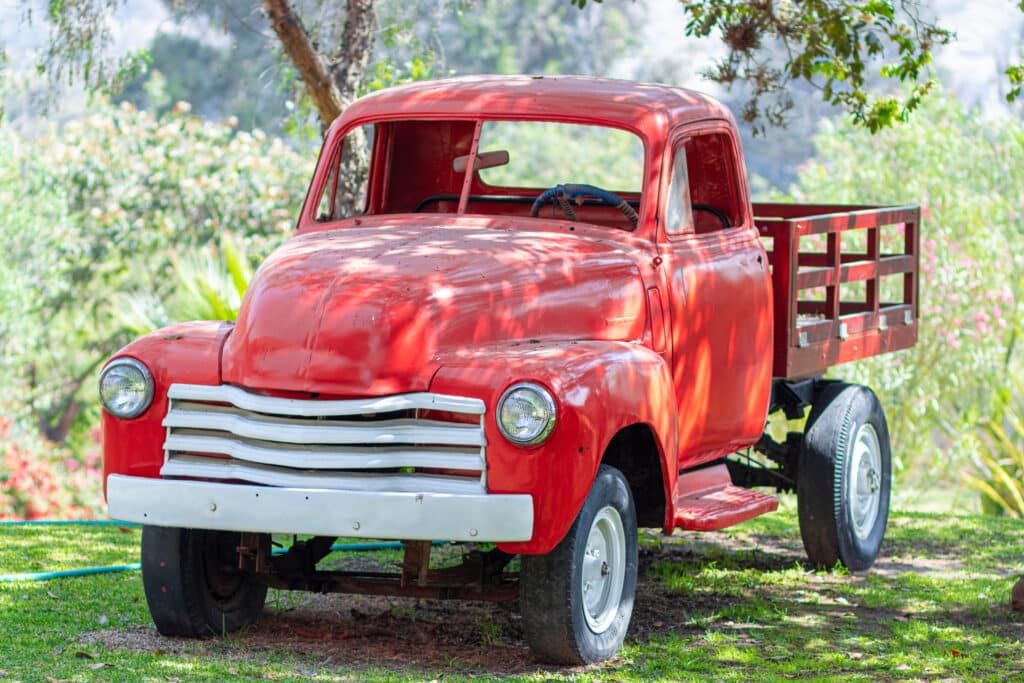
A dependable pickup truck is equally essential. Western ranches often cover hundreds or even thousands of acres, making a truck indispensable for checking livestock, hauling supplies, towing trailers, and traveling between pastures. In many cases, ranchers spend as much time in their trucks as they do on tractors. A three-quarter or one-ton truck with four-wheel drive is the standard choice, since it needs to handle muddy two-tracks, steep pasture roads, and winter conditions while still towing stock trailers, flatbeds, or equipment trailers with ease.
ATV or UTV
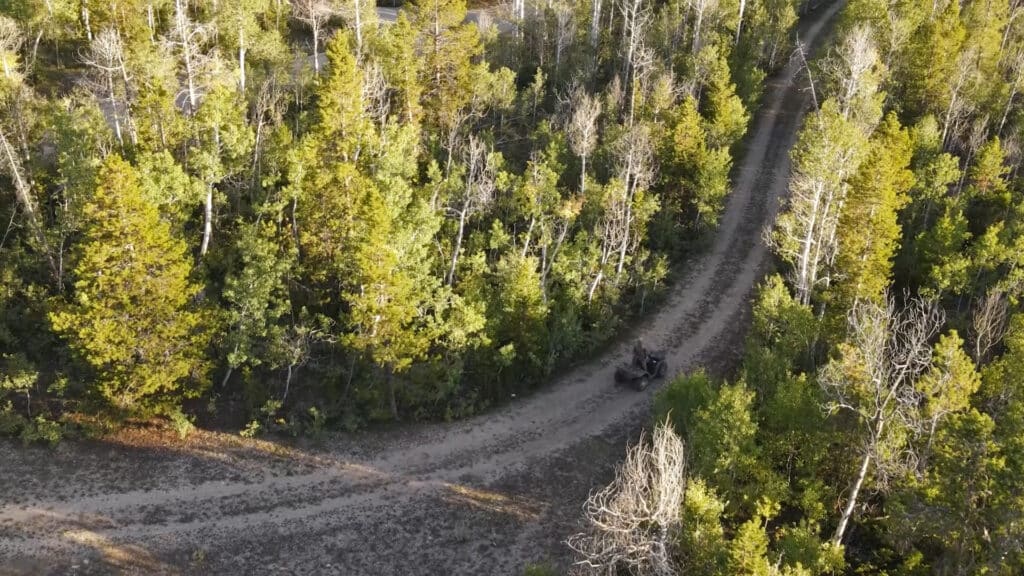
To navigate rough terrain and cover long distances efficiently, many ranchers rely on an ATV or UTV. These vehicles provide quick access to remote areas of the property. They are invaluable for checking fences, monitoring livestock, carrying tools, and assisting with cattle movements—their ability to travel where larger vehicles cannot makes them a daily necessity on many operations. UTVs with a small bed or towing capacity add further utility, letting a rancher haul mineral tubs, fencing supplies, or a downed calf back to the barn without firing up the truck.
Livestock Handling Equipment
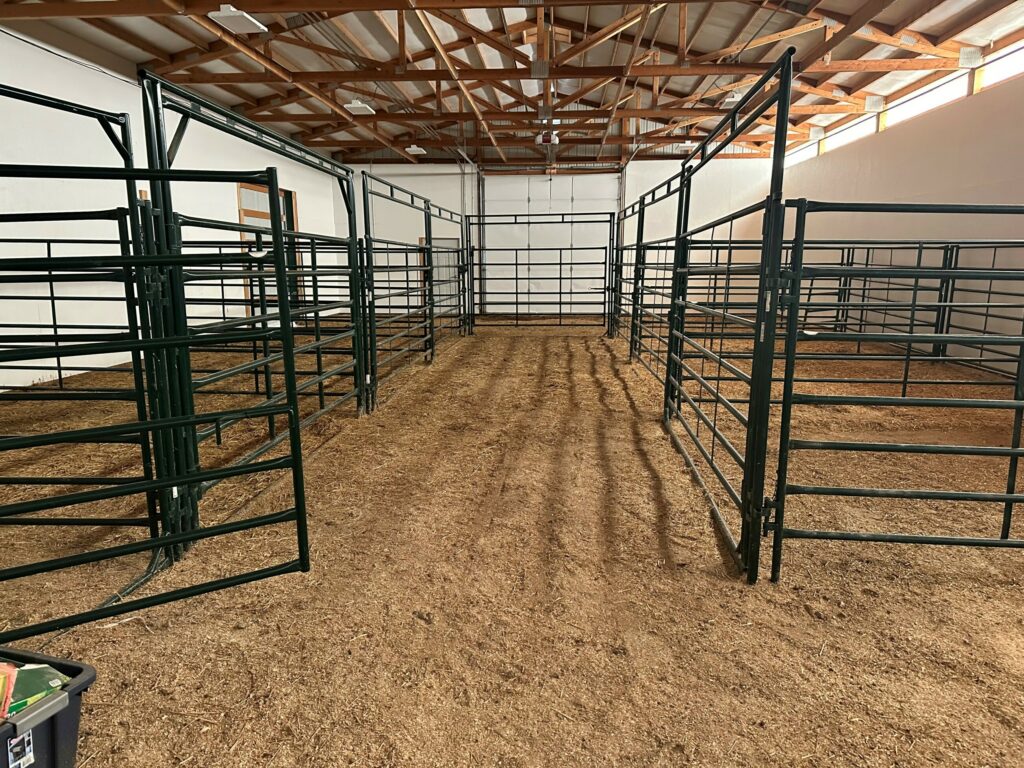
Another critical component of a successful ranch is livestock handling equipment. Well-designed corrals, sorting pens, and squeeze chutes allow ranchers to safely vaccinate, brand, examine, and transport cattle while reducing stress on both animals and handlers. Efficient livestock facilities save time, improve safety, and contribute significantly to herd health and productivity. A quality set of scales for weighing cattle, a working alleyway that funnels animals smoothly toward the chute, and a loading ramp compatible with stock trailers all round out a facility that pays for itself in reduced labor and fewer injuries — to both livestock and handlers.
Hay Equipment
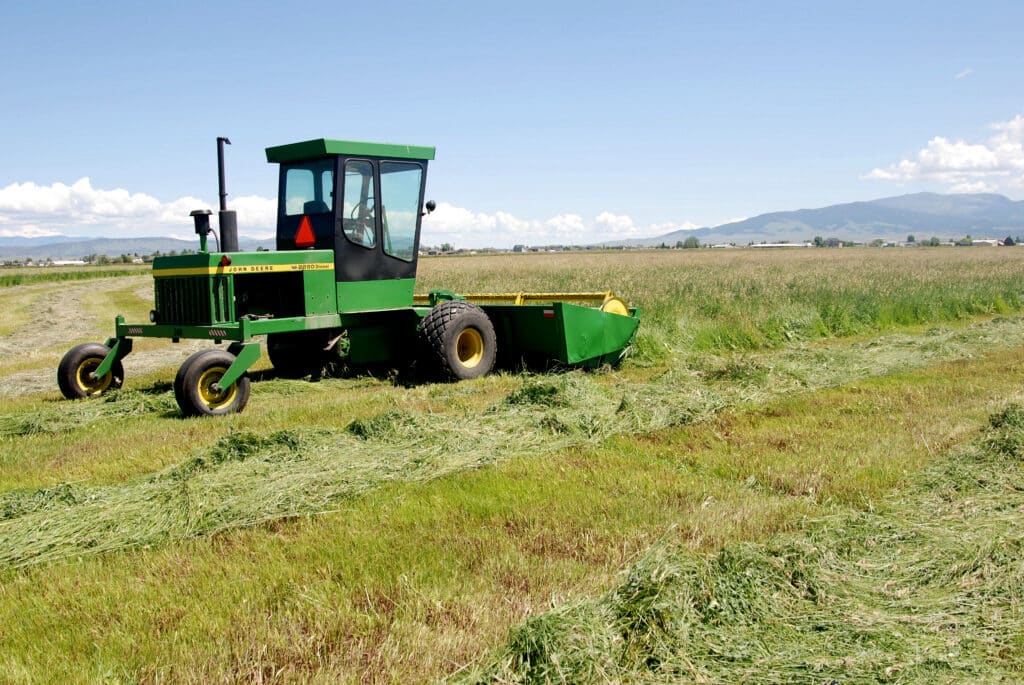
For ranches that produce their own hay, specialized hay equipment is vital. Mowers, rakes, balers, and bale-handling tools enable ranchers to harvest and store winter feed during Montana’s short growing season. Because winter feeding can last several months, producing quality hay is often one of the most important annual tasks on the ranch. Depending on the operation, this equipment list may also include a swather for cutting large acreages efficiently, a tedder for speeding up drying time, and either a bale wagon or a set of bale forks for stacking and transporting hundreds of tons of hay before winter sets in.
Skid Steer
Many ranchers also consider a skid steer indispensable due to its versatility. Compact, maneuverable, and capable of using a wide range of attachments, a skid steer can handle everything from snow removal and feed distribution to loading materials and maintaining ranch infrastructure. A good attachment lineup — pallet forks, a grapple bucket, a snow blower or pusher, and possibly a post pounder — turns one machine into a dozen different tools, which matters on ranches where every piece of equipment needs to justify its cost.
Beyond these core machines, a working ranch typically depends on a handful of supporting systems that rarely make the spotlight but are just as necessary day-to-day. Reliable water infrastructure — wells, pumps, stock tanks, and pipelines — keeps livestock watered across pastures that may be miles from the nearest creek. On hay ground, irrigation equipment such as wheel lines, pivots, or gated pipe determines whether a ranch can grow enough feed to get through winter at all. A well-equipped shop with a welder, air compressor, and basic fabrication tools lets a rancher keep equipment running through calving or haying season instead of waiting on off-site repairs. Fencing supplies and tools — post drivers, stretchers, and a steady supply of wire and posts — are in near-constant use, since fence maintenance is one of the few chores that never really end. And in a state prone to power outages and long winters, a backup generator can mean the difference between a functioning water system and a serious problem during a cold snap.
Together, these pieces of equipment form the foundation of a productive Montana ranch, helping ranchers manage livestock, produce feed, maintain property, and adapt to the demands of every season.
Other ranch informational blogs:
Montana Wildfire Mitigation for Ranchers
How Snow and Rain Shape the Rhythm of Montana Ranch Life
How to Lease Hunting Rights on Your Ranch: A Guide to Profitable and Sustainable Income