
Rotational grazing is a livestock management system in which animals are moved from one pasture or paddock to another instead of being allowed to graze the same area continuously. The main purpose is to give grazed areas enough time to recover and regrow before livestock return. This system is commonly used with cattle, sheep, goats, and other grazing animals. Rotational grazing offers many benefits for both livestock and the land, but it also has disadvantages and requires careful management.
Advantages of Rotational Grazing
Pasture Health Improvement
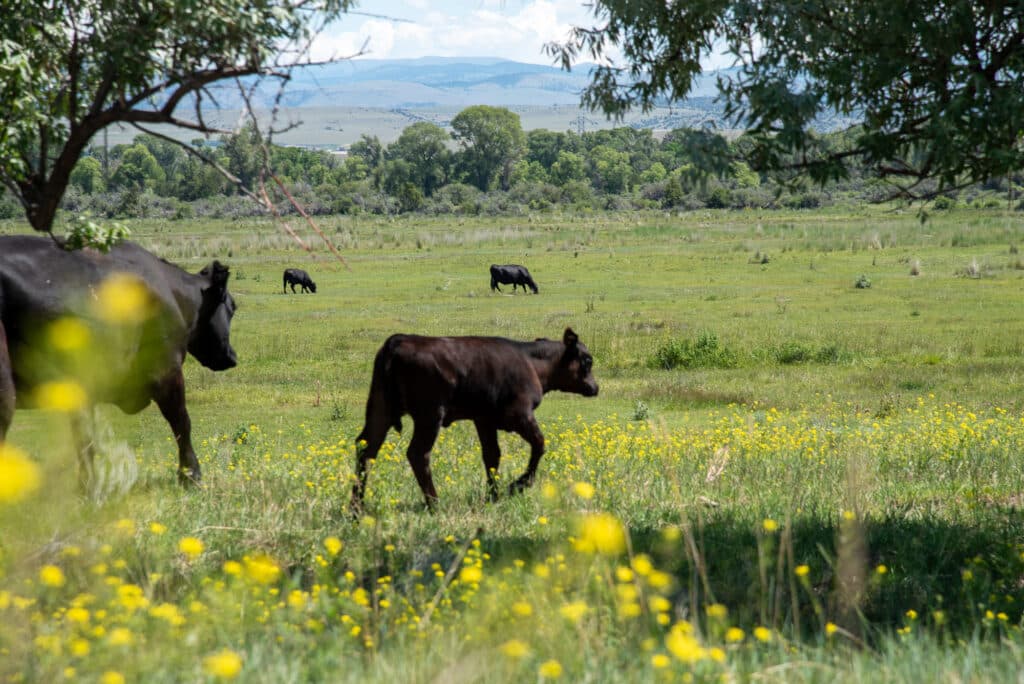
One major advantage of rotational grazing is that it can improve pasture health. When animals continuously graze the same area, they may eat plants before they have enough time to recover. This can weaken desirable grasses and allow weeds or less desirable plants to become more common. With rotational grazing, livestock move to a different paddock, giving plants in the previous paddock time to regrow. This can create a thicker and more productive pasture over time.
Improvement of Soil Health
Rotational grazing can also improve soil health. Healthy plants develop strong root systems that help hold soil in place and reduce erosion. As plants grow and die back, organic material is added to the soil, which can improve soil structure and fertility. Better soil structure can also help the ground absorb and hold water. This can be especially useful during periods of dry weather because healthier soils and deeper plant roots can make better use of available moisture.
Increase of Forage Available
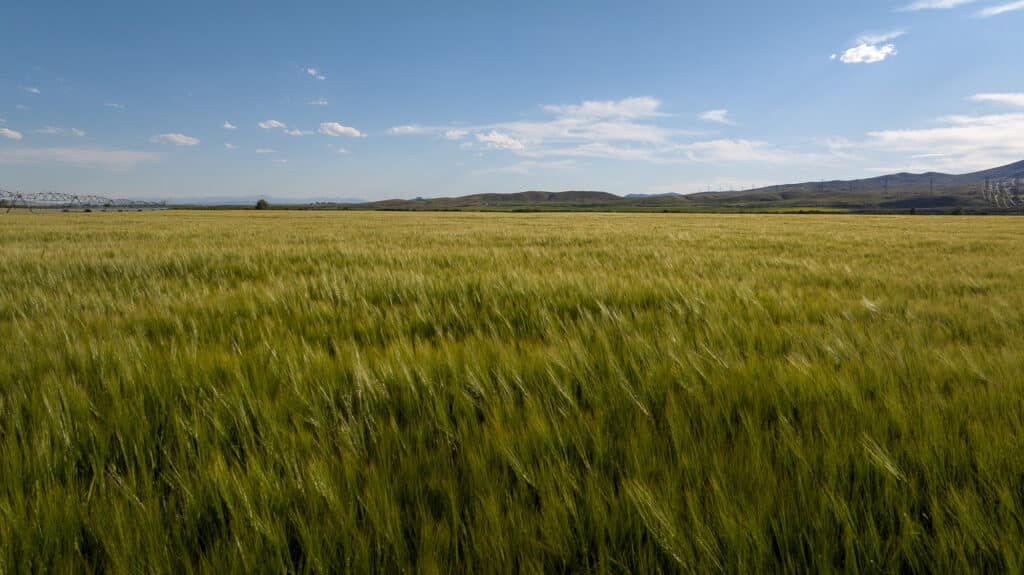
Another advantage is that rotational grazing can increase the amount of forage available to livestock. When pastures are properly managed, plants have more opportunity to grow before animals return. Livestock can then graze areas with fresh, nutritious forage. Good-quality forage can contribute to healthier animals and may improve weight gain, milk production, or reproductive performance, depending on the type of livestock being raised.
Distributing Manure
Rotational grazing can also help distribute manure more evenly. When animals are kept in one area for long periods, manure and nutrients may become concentrated in certain locations. Moving livestock between paddocks encourages manure to be spread across a larger area. The nutrients in manure can then return to the soil and support plant growth, potentially reducing the need for some purchased fertilizers.
Controlling of Livestock Parasites
Another potential benefit is improved control of livestock parasites. Some parasites that affect grazing animals have life cycles that depend on animals repeatedly grazing the same areas. Moving livestock and allowing pastures to rest can interrupt some of these life cycles and reduce exposure to certain parasites. However, rotational grazing does not eliminate parasites completely and should be combined with appropriate livestock health management.
Disadvantages of Rotational Grazing
Cost of Establishing the System
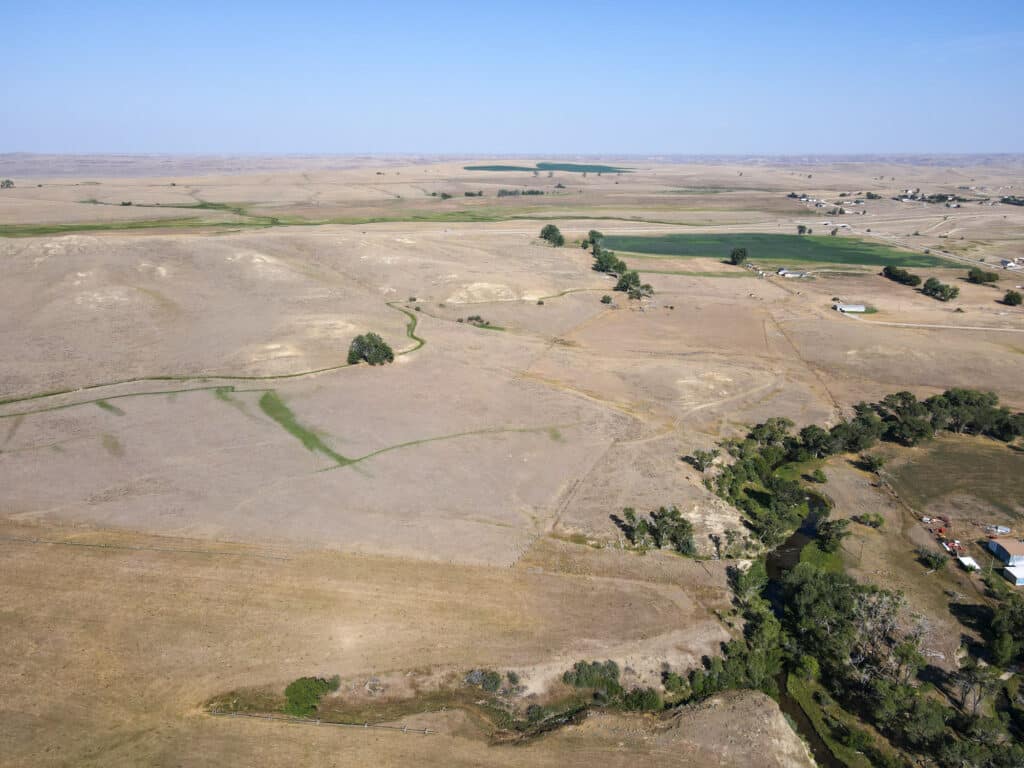
Despite these advantages, rotational grazing has several disadvantages. One of the biggest is the cost of establishing the system. Farmers may need to install additional fences to divide large pastures into smaller paddocks. They may also need additional gates, water tanks, pipelines, electric fencing, or livestock handling equipment. These costs can be significant, especially for farms that are starting rotational grazing from scratch.
More Management and Labor is Required
Rotational grazing also requires more management and labor than continuous grazing. Farmers need to monitor pasture growth, determine when animals should be moved, and make sure each paddock receives enough recovery time. The amount of time livestock should remain in a paddock depends on factors such as plant growth, weather, soil type, stocking rate, and the type of livestock being raised. A grazing plan that works during a wet spring may not work during a hot and dry summer.
Weather Challenges
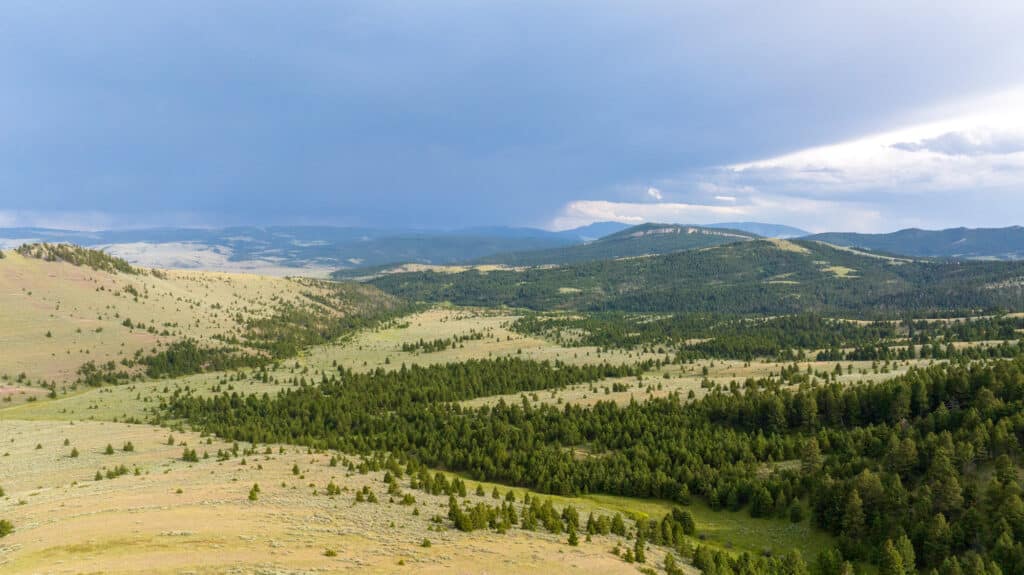
Weather can be another challenge. During drought conditions, pasture growth may slow down significantly, leaving less forage available for livestock. Farmers may need to extend the recovery period, reduce the number of animals, or provide supplemental feed. On the other hand, excessive rainfall can make pastures muddy and increase the risk of soil compaction and damage if livestock are moved onto wet ground.
Reliable Water Sources
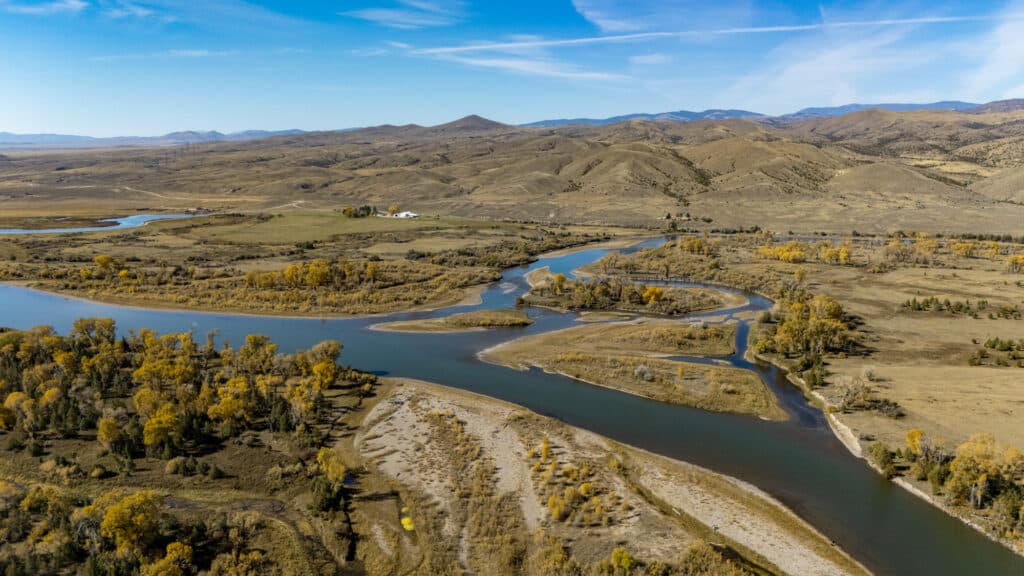
Rotational grazing also requires a reliable water supply. If animals are moved between several paddocks, each area must have access to adequate drinking water or livestock must be able to reach a shared water source without damaging the pasture. Installing water infrastructure can increase the cost and complexity of the system.
Planning and Observation
Another disadvantage is that rotational grazing is not automatically successful simply because animals are moved from one pasture to another. Poorly planned rotations can still cause overgrazing. For example, if livestock return to a paddock before the plants have recovered, the plants may become weakened over time. If animals are removed too early, available forage may not be used efficiently. Successful rotational grazing therefore depends on observing pasture conditions and adjusting the grazing schedule when necessary.
Conclusion
Overall, rotational grazing can be an effective way to manage livestock and maintain productive pastures. It can improve plant growth, soil health, forage availability, nutrient distribution, and potentially livestock performance. However, it requires investment in fencing and water systems, as well as additional time, labor, and knowledge. The success of rotational grazing depends on matching the number of animals to the available forage and allowing pastures enough time to recover. When properly planned and managed, rotational grazing can help farmers use their land more efficiently while maintaining healthier pastures for the future.
Learn more from our other Field Notes: